

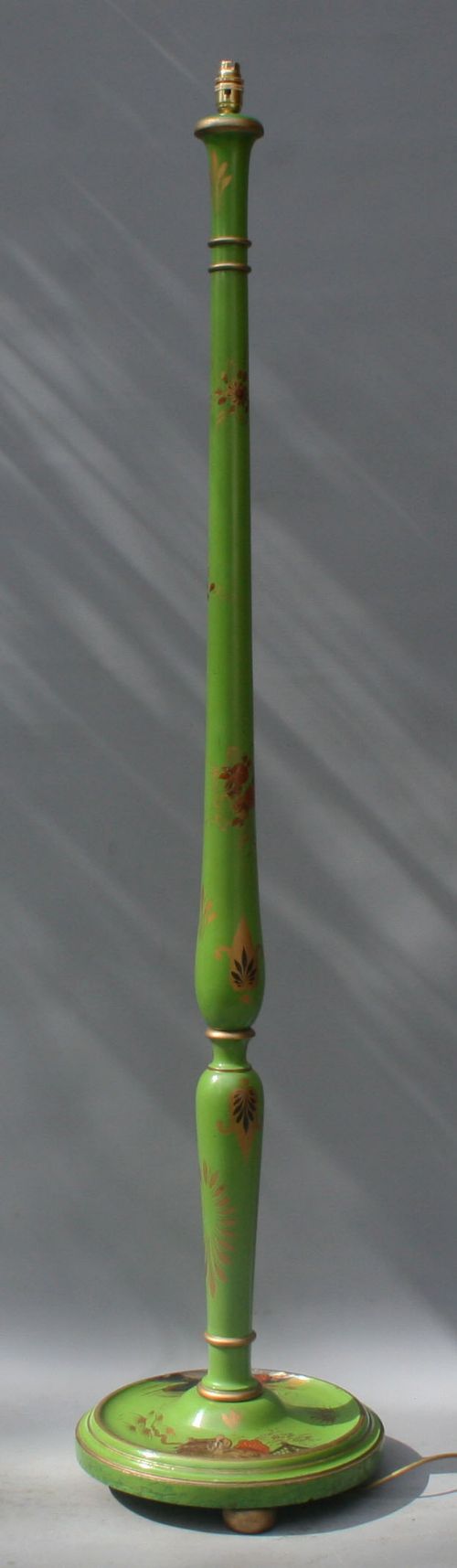


Vintage Chinoiserie Light Base
These vintage chinoiserie light base pieces transform antique porcelain vases and carved timber into striking interior fittings.
Vintage Chinoiserie Light Base
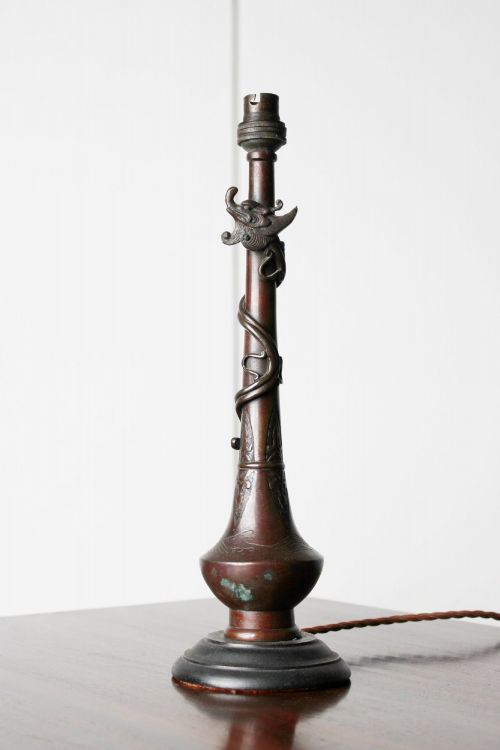
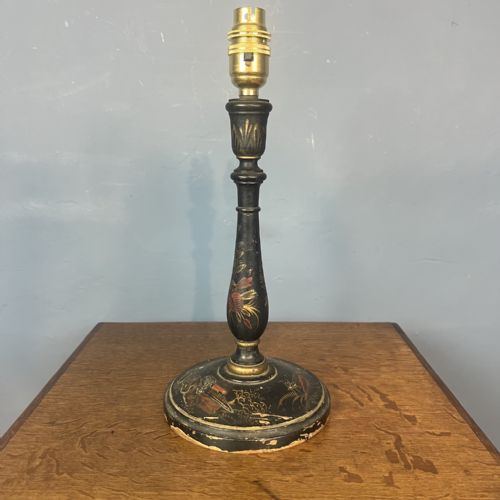
A vintage chinoiserie light base brings decorative East Asian motifs and European interpretations into domestic lighting schemes. You are looking at converted vessels and specially manufactured fittings designed to hold electrical lamp hardware. The selection draws heavily from nineteenth century porcelain ginger jars, Edwardian lacquered woodwork, and twentieth century standard lamps.
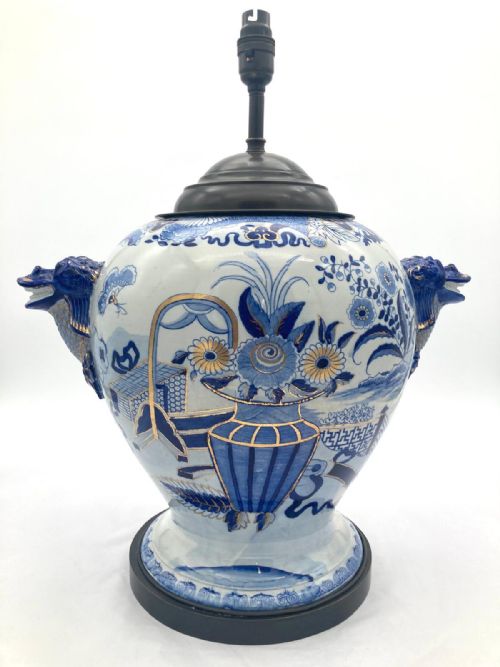
The most common form you will meet on this page is the porcelain vase or ginger jar mounted with brass fittings and wired for electricity. These pieces range from compact table lamps to substantial floor-standing standard lamps. Many combine historical bodies, such as eighteenth century Delft or Qing dynasty porcelain, with later electrical conversions.
How they were made
Craftsmen built these lamp bases using a mixture of ceramics, turned lacquered wood, and cast brass. Porcelain vessels, including blue and white pieces and famille rose ginger jars, were drilled and fitted with brass collars and bulb holders. Lacquered wood and carved root wood provided sturdy columns for standard lamps and table lights.
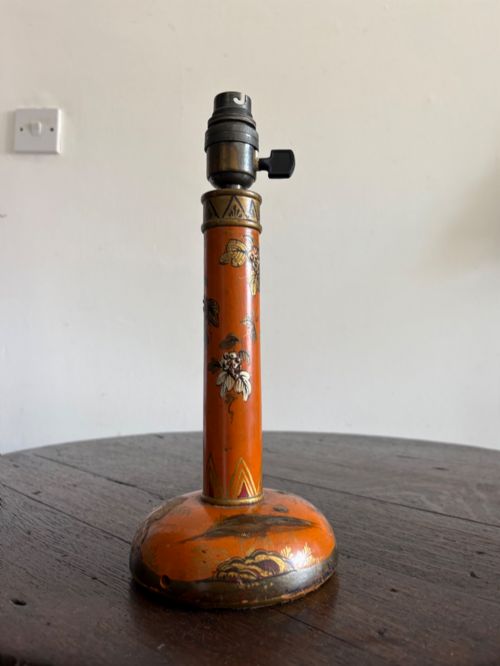
Surface decoration relied on hand painting, gilding, and intricate cloisonné work applied directly to the original vases and wooden frames. Many items incorporate metal mounts in ormolu or pressed brass to secure the electrical components to the antique bodies.
Object types range from compact table lamps and ginger jar conversions to large floor standing standard lamps.
What varies in quality
Quality depends upon the integrity of the original antique vessel and the subtlety of its conversion into a lamp. Superior examples retain crisp hand painted details on porcelain or deep layers of lacquer on wood without heavy modification to the body. The finest pieces integrate brass mounts and wiring channels cleanly into the historic design.
Lesser specimens often feature crude drilling through important ceramic marks or replacement bases that lack balance. The weight and stability of the assembled lamp, alongside the proportion of the fittings to the vase, separate standard conversions from distinguished decorative objects.
The Vintage Chinoiserie Light Base Glossary
- Chinoiserie
- European artistic style reflecting Chinese motifs and techniques. Artisans applied these designs to lacquerware, porcelain, and furniture during the eighteenth and nineteenth centuries.
- Famille Rose
- Palette of opaque overglaze enamels dominated by pink. This Chinese porcelain decoration style became popular during the Qing dynasty.
- Cloisonné
- Enamelling technique where thin metal wires form compartments on a vase surface. Artisans fill these cells with coloured paste before firing.
- Ginger Jar
- Storage jar with a wide mouth and rounded body. These ceramic vessels frequently undergo conversion into table lamps.
- Ormolu
- Gilded bronze ornamentation applied to furniture and ceramics. Makers used these metallic mounts to dress up high status lamp bases.
Vintage Chinoiserie Light Base: Frequently Asked Questions
How do I date a lamp base?
Dating relies on examining the material and manufacturing style of the main body, such as nineteenth century porcelain or Edwardian lacquer. The electrical fittings often date from later twentieth century conversions.
Look for makers marks, glaze characteristics, and the style of any brass mounts to place the piece within a specific period.
Can I change the lampshade?
Most lamp bases accept standard harp or spider fittings that accommodate a wide variety of fabric shades. Choosing the correct proportion ensures the shade balances the weight of the ceramic or wooden base.
Consider the height and width of the vase when selecting a shade to maintain proper visual harmony in your room.
How do I clean lacquered wood bases?
Dust lacquered wood and root wood regularly with a soft, dry cloth to prevent dirt build up. Avoid harsh chemical cleaners that can damage delicate antique finishes.
Keep these pieces away from direct sunlight and extreme moisture to preserve the painted and lacquered surfaces over time.