




Vintage Chinese Stone Sculpture
These vintage chinese stone sculpture pieces bring carved mineral forms and naturalistic animal figures into domestic interiors.
Vintage Chinese Stone Sculpture
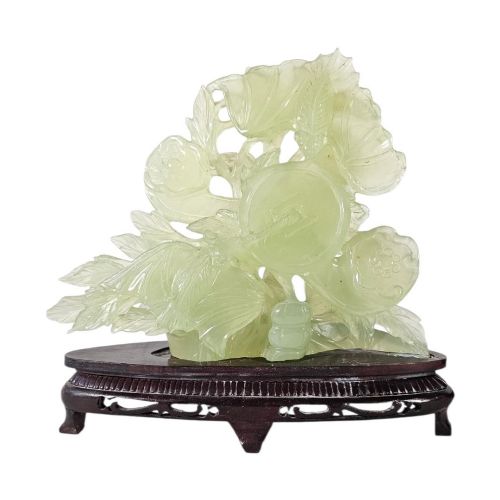
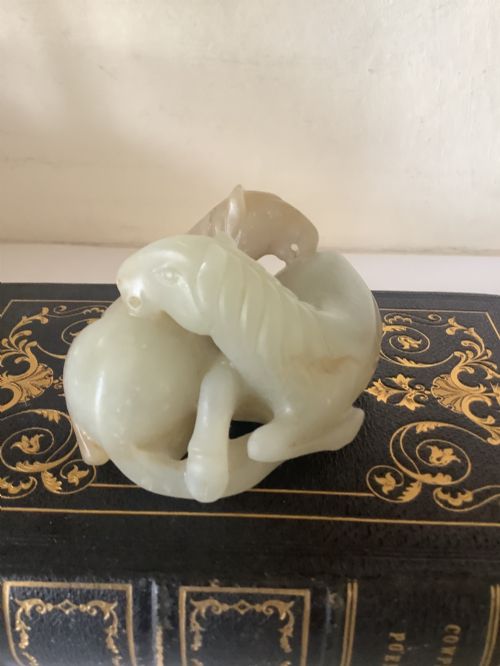
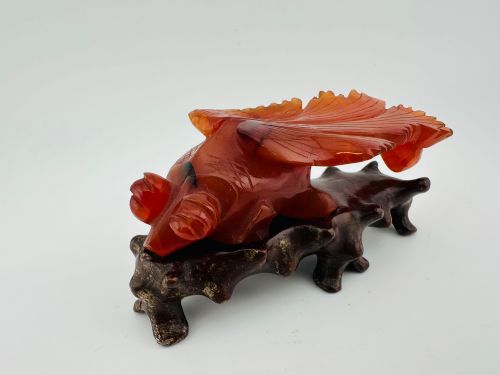
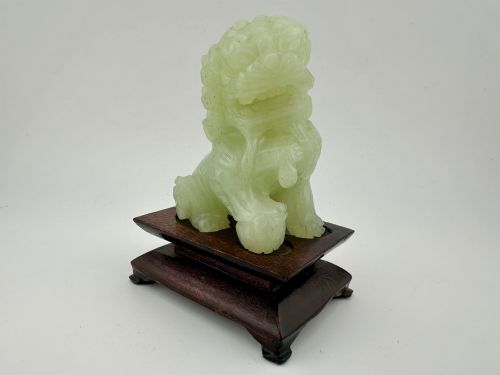
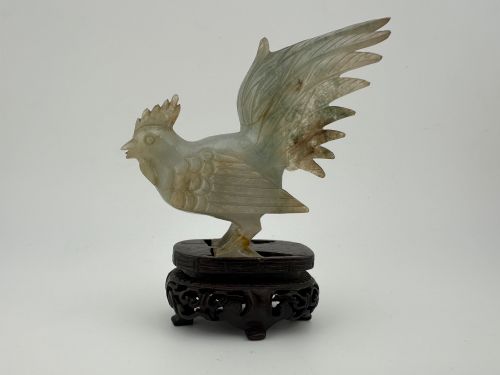
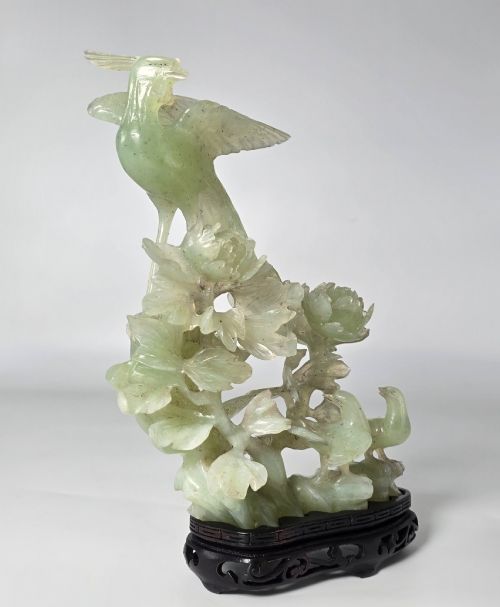
When you search for vintage chinese stone sculpture, you encounter a distinct group of carved mineral figures, table ornaments, and decorative desk accessories. The selection spans the nineteenth century through to the middle decades of the twentieth century, encompassing Qing style, Republic period, and traditional designs. Most pieces take the form of animal figures, birds, fish, guardian lions, landscape groups, and botanical bonsai trees.
Materials and technique
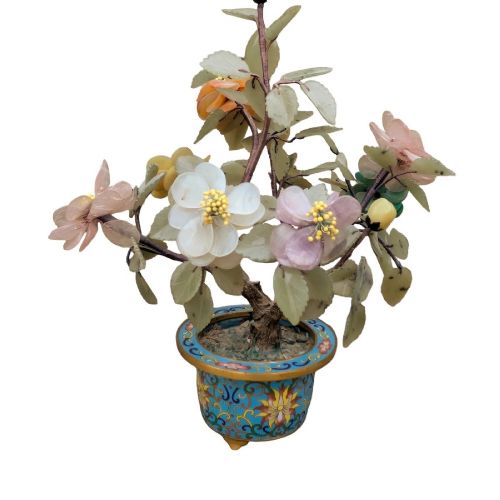
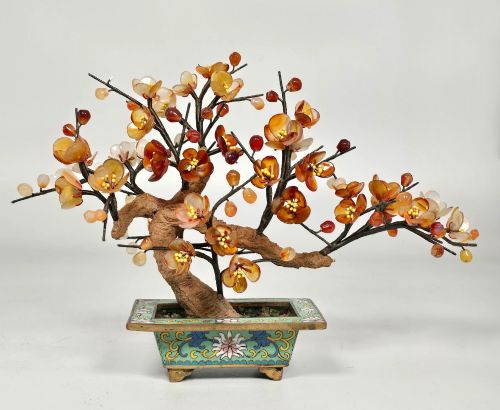
Composite botanical sculptures combine carved hardstone blossoms and foliage with cloisonne enamel jardinieres, binding mixed elements together into structured bonsai trees. Artisans carved soapstone with relative ease compared to denser quartz and jade, allowing for deep relief work in continuous landscape plaques and large desk seals. The technical execution relies on patient abrasion and polishing, bringing out the inherent lustre of each mineral medium.
Vintage Chinese Stone Sculpture Retail Price Guide 2026
Typical asking prices for vintage chinese stone sculpture among the pieces listed under this phrase on Sellingantiques today, from the lower quarter to the upper quarter. They describe what is for sale here now, not the wider market.
Listings feature hardstone, jade, agate, soapstone, quartz, and wood, combined frequently with cloisonne enamel in botanical arrangements.
Distinctions in execution
The upper tier of these sculptures displays a high degree of anatomical precision and sensitivity to the natural grain and hue of the mineral. In top examples, the carver works with the natural strata of agate or jade, directing colour transitions to highlight the plumage of a rooster or the scales of a goldfish. Lesser examples rely on uniform mass production where the stone lacks variation and the surface carving appears flat and perfunctory.
Integration with the supporting element also dictates overall quality, as superior pieces feature custom fitted hardwood bases carved precisely to match the underside of the stone. In botanical forms, the security of the individual hardstone branches and the cleanliness of the cloisonne enamel work separate finer decorative objects from simpler assemblies.
The Vintage Chinese Stone Sculpture Glossary
- Hardstone
- A semi-precious mineral material harder than ordinary marble, such as jade, agate, or quartz. Artisans carved these dense stones into intricate figures and decorative objects.
- Foo Dog
- A traditional guardian lion sculpture originating from Chinese iconography. These figures frequently appear in pairs guarding entrances or seated upon fitted bases.
- Jardiniere
- An ornamental pot or container used to hold plants or botanical sculptures. In these listings, they often house hardstone and cloisonne bonsai trees.
- Cloisonne
- A decorative metalwork technique where enamel paste is applied within compartments enclosed by soldered wire. It provides colourful contrast to the carved stone elements in bonsai trees.
- Soapstone
- A relatively soft, talc-based metamorphic rock favoured for detailed carving. Its smooth texture allows for deep sculptural relief in landscapes and desk seals.
Vintage Chinese Stone Sculpture: Frequently Asked Questions
Are original wooden stands important?
Original fitted hardwood stands contribute significantly to the integrity and display of these carved pieces. Each stand is shaped precisely to the unique contours of the individual stone.
Separating a sculpture from its designated base alters its intended height and balance. Collectors prefer items that retain their matching period stands.
How can I date my sculpture?
Dating relies on stylistic markers associated with the Qing dynasty, the Republic period, or mid-century production. Examination of tool marks, mineral types, and accompanying hardware offers further clues.
Comparative analysis with documented pieces from similar workshops helps narrow down the timeframe. Wear patterns on the base often indicate handling over decades.
Where should I display these items?
Place table ornaments and desk accessories on stable surfaces away from direct sunlight and extreme temperature fluctuations. Sudden heat changes can stress mounted hardstone and composite bonsai arrangements.
Positioning them at eye level allows the fine details of the carving and the natural stone grain to be appreciated fully.