






Vintage Chinese Lamp
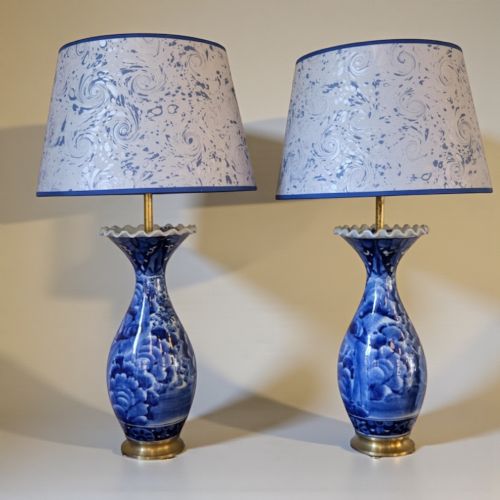
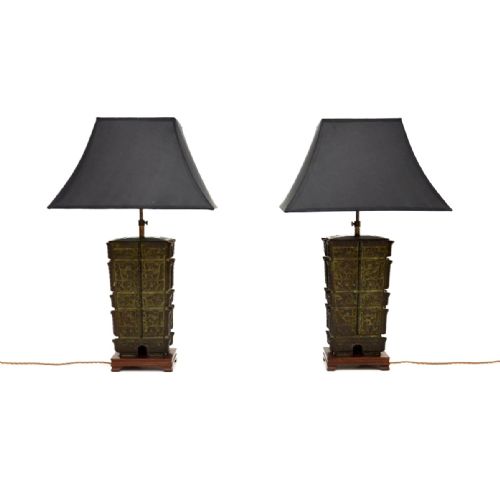
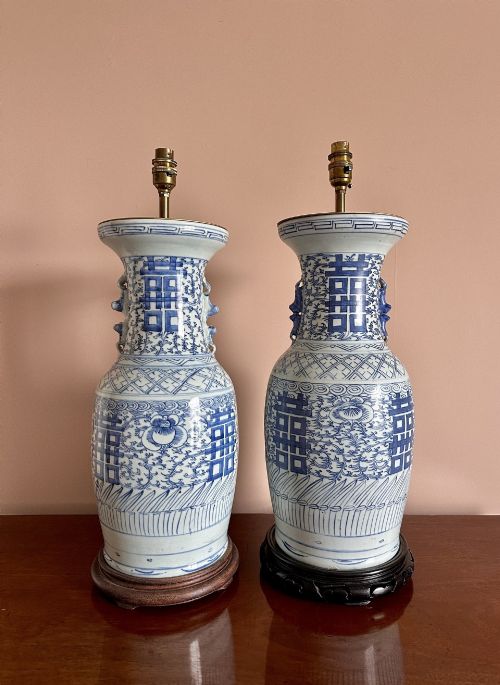
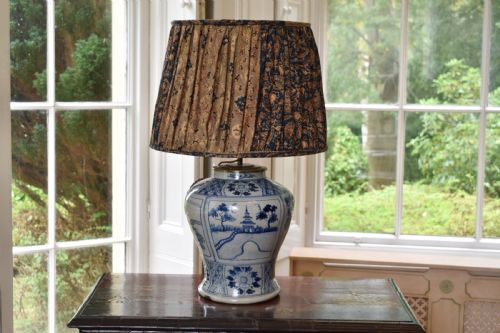
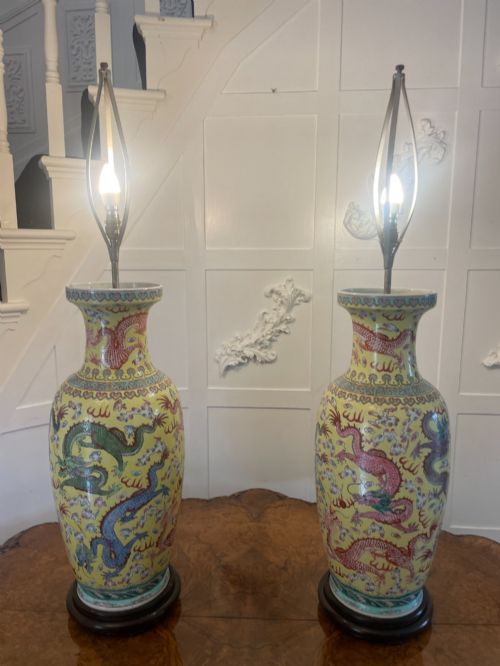
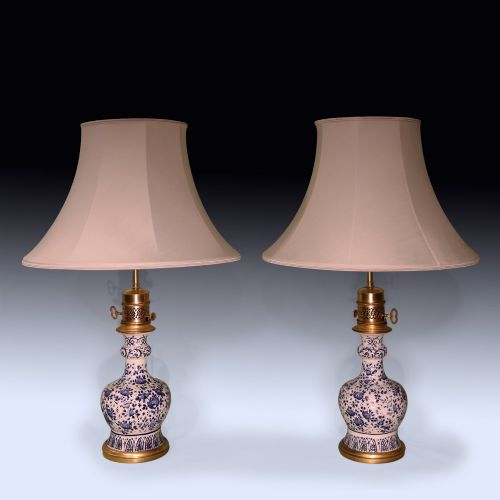
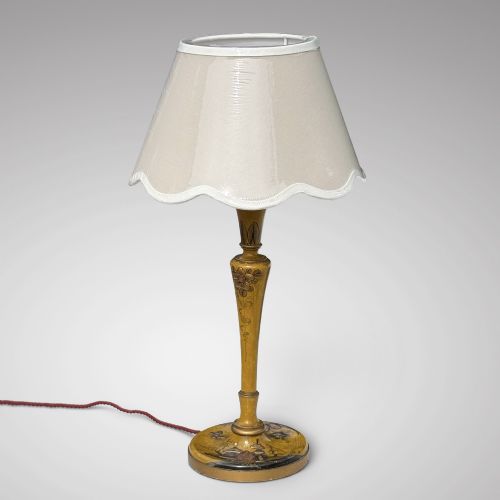
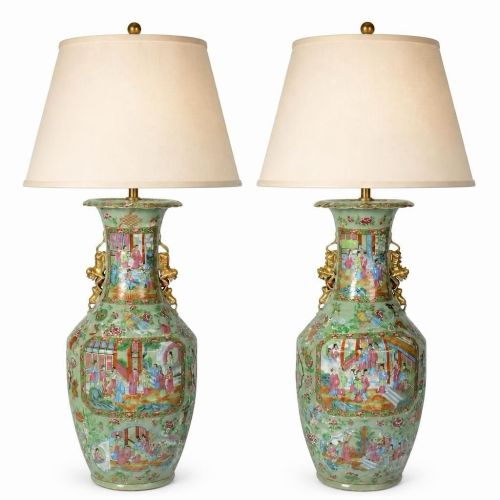
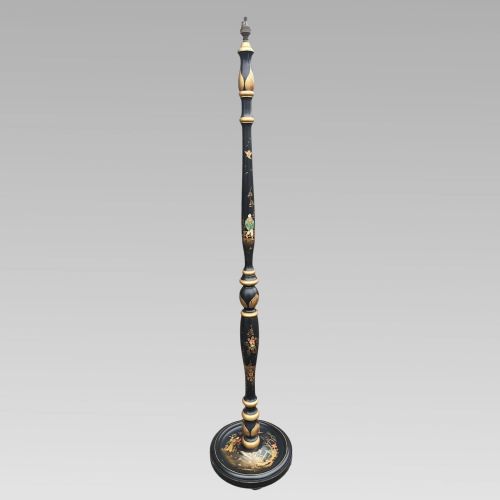
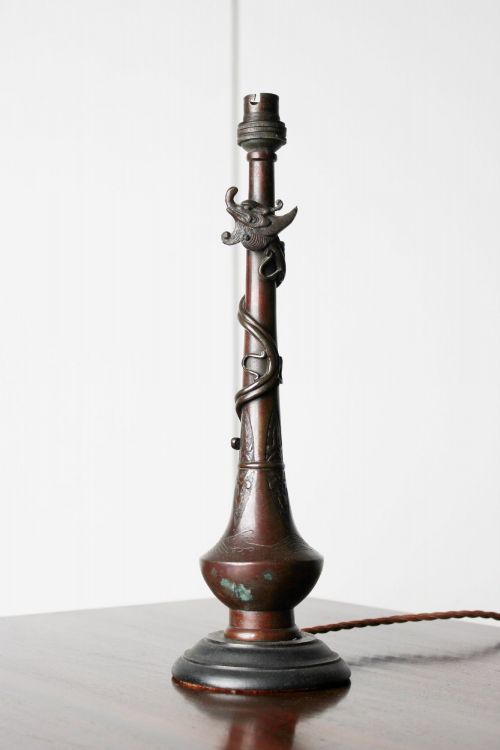
These vintage chinese lamp examples bring together carved hardwood, hand-painted porcelain, and rich lacquer to anchor a room.
Vintage Chinese Lamp
A vintage chinese lamp turns historic vases, ginger jars, and carved figures into functional illumination for domestic interiors. When exploring this selection, buyers frequently encounter pieces fashioned from nineteenth-century porcelain and early twentieth-century lacquered wood.
The objects span varied forms, including baluster jars, elephant figures, and tea canisters converted into table lighting. Alongside these, standard floor-standing fixtures and carved root wood creations appear from the Victorian and Edwardian eras.
Origins stretch from genuine nineteenth-century Chinese export workshops to European interpretations created in the Chinese taste. Blue and white porcelain, famille verte glazes, and Chinoiserie lacquered finishes dominate the aesthetic vocabulary of the available inventory.
How they were made
Makers utilised traditional craftsmanship, mounting carved hardwood bases and ormolu mounts to porcelain bodies originating from the nineteenth and early twentieth centuries. Bronze, brass, and white metal provide structural integrity for heavier figural and vase formations.
Surfaces receive intricate hand-painted decoration, spanning polychrome enamel palettes, blue and white glazes, and layers of red, black, or ochre lacquer. Silk and fabric shades often complement these bodies, while woodwork relies on dense timbers like padauk and rosewood.
Vintage Chinese Lamp Retail Price Guide 2026
Typical asking prices for vintage chinese lamp among the pieces listed under this phrase on Sellingantiques today, from the lower quarter to the upper quarter. They describe what is for sale here now, not the wider market.
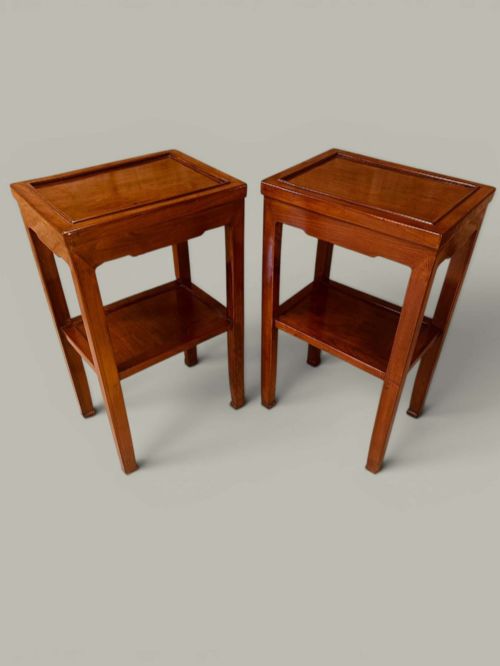
Featured forms include table lamps, floor lamps, side tables, nests of tables, and plant stands.
What varies in quality
Quality rests in the fidelity and preservation of the hand-painted brushwork across porcelain vessels and the depth of the lacquer layers. Crisp detail in carved root wood and hardwood stands separates finer examples from simpler production.
The integration of metal mounts, such as ormolu or cast bronze, dictates the refinement of the finished piece. Well-balanced proportions between the historic ceramic body and the overall height determine visual harmony.
The Vintage Chinese Lamp Glossary
- Chinoiserie
- European artistic style reflecting Chinese motifs and decorative techniques. It gained popularity across various historic periods through lacquered furniture and decorative objects.
- Famille Verte
- Chinese porcelain palette dominated by green enamel overglaze colours. This palette frequently decorates nineteenth-century ginger jars and vase lamps.
- Cloisonné
- Metalwork technique where enamel colours fill compartments created by soldered wire strips. These vibrant surfaces appear on nineteenth-century vase lamps.
- Ginger Jar
- Storage vessel with a rounded body and short neck, frequently converted into table lighting. They often display blue and white or polychrome designs.
- Rose Medallion
- Distinctive Chinese porcelain pattern featuring panels of figures, birds, and flowers in rich pink and green enamels. It surfaces on nineteenth-century export pieces.
Vintage Chinese Lamp: Frequently Asked Questions
How are antique vases converted into lamps?
Historic vases and ginger jars are typically adapted for electrical components with drilled bases or custom-fitted brass and bronze mountings.
This allows the original ceramic body to remain intact while supporting modern internal wiring and a secure shade holder.
What periods do these lamps come from?
The available lighting originates primarily from the nineteenth century through the early decades of the twentieth century.
Victorian, Edwardian, and specific decades such as the 1920s and 1930s represent the main eras recorded in the inventory.
Are original shades included with the lamps?
Certain pieces retain period fabric shades, while others are offered as bases ready for a shade chosen to suit the room.
Listings specify whether a matching or associated shade accompanies the ceramic or lacquered body.
How do I care for lacquered wooden lamps?
Lacquered surfaces require gentle dusting with a soft, dry cloth to protect the delicate painted and polished finish.
Avoiding direct sunlight and excessive moisture preserves the depth of red, black, and ochre lacquer tones over time.