

Vintage Chinese Desk
A vintage chinese desk brings distinctive presence to a study through traditional craftsmanship and rich materials.
Vintage Chinese Desk
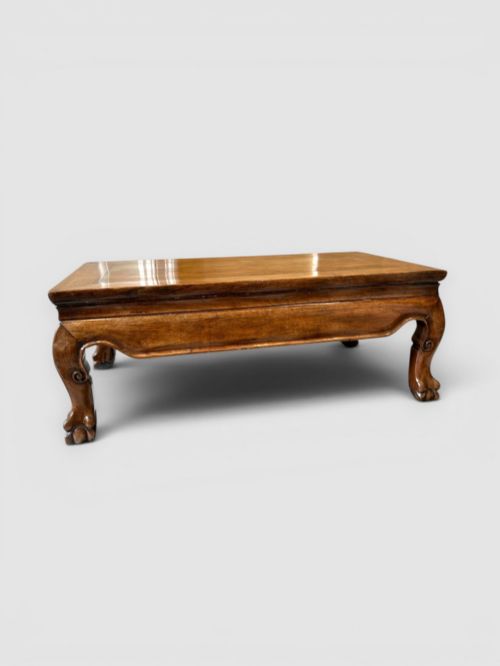
When searching for a vintage chinese desk, buyers encounter forms rooted in nineteenth-century and early twentieth-century traditions, including writing boxes, partners desks, and side tables utilised for writing. These pieces often merge traditional Chinese construction with stylistic influences from the Qing dynasty and later periods.
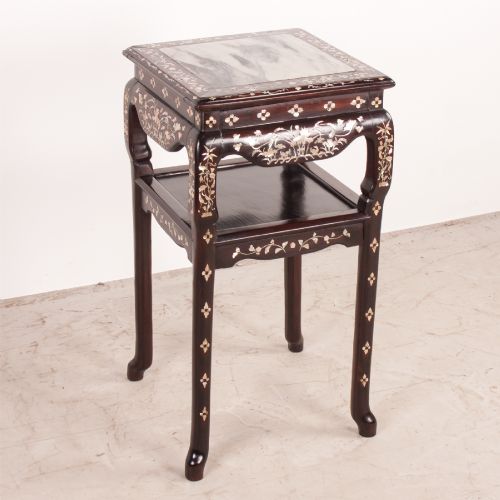
The selection on this page demonstrates that writing surfaces and associated low tables frequently utilise robust timbers like rosewood, elm, and hardwood. Many examples incorporate intricate carving, mother-of-pearl inlay, or lacquer finishes that distinguish them from standard European furniture.
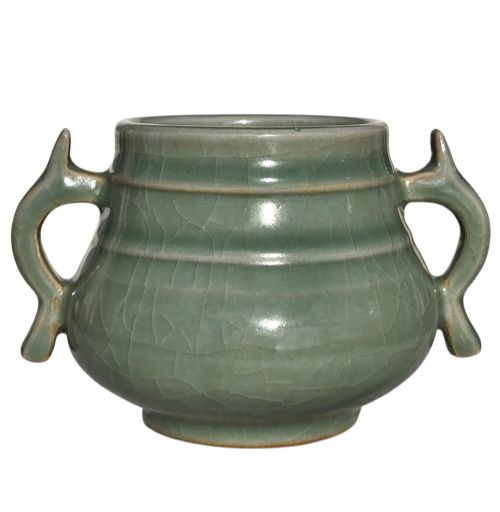
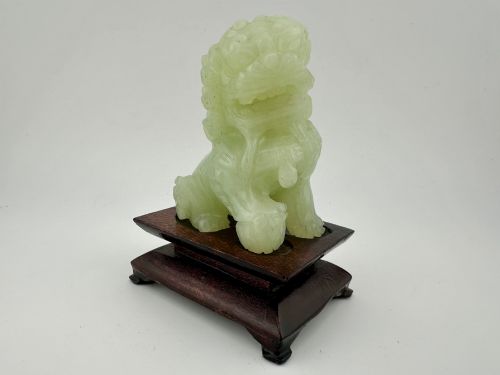
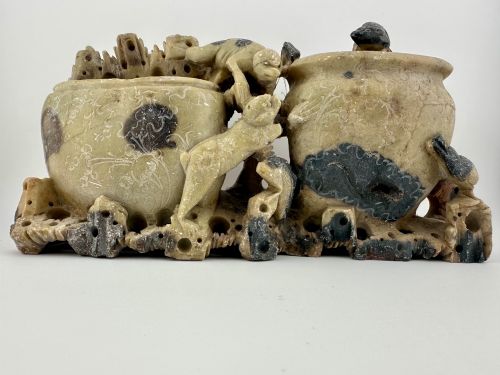
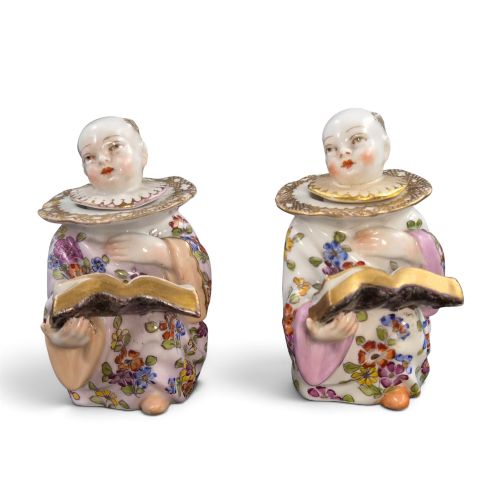
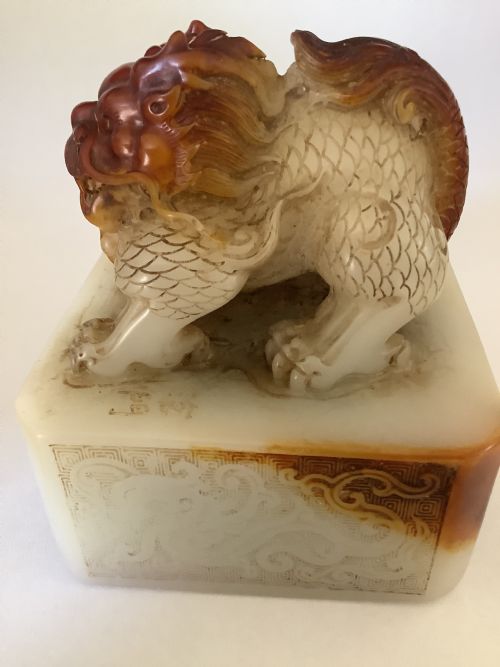
Buyers will also find related desk accessories such as brush pots, jade seals, and inkwells that complete a scholarly workspace. These objects reflect the materials and decorative motifs seen across the broader categories of nineteenth-century and Edwardian oriental furniture.
Materials and construction
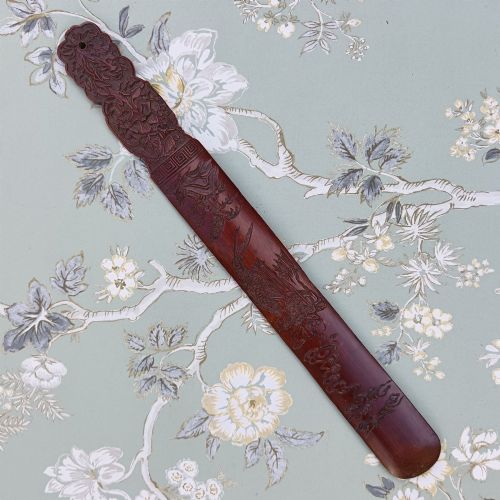
Maker workshops relied heavily on dense timbers such as rosewood, elm, and general hardwoods to build durable writing furniture and low tables. These woods often received protective and decorative treatments including red, ochre, or black lacquer, sometimes paired with hand-painted details.
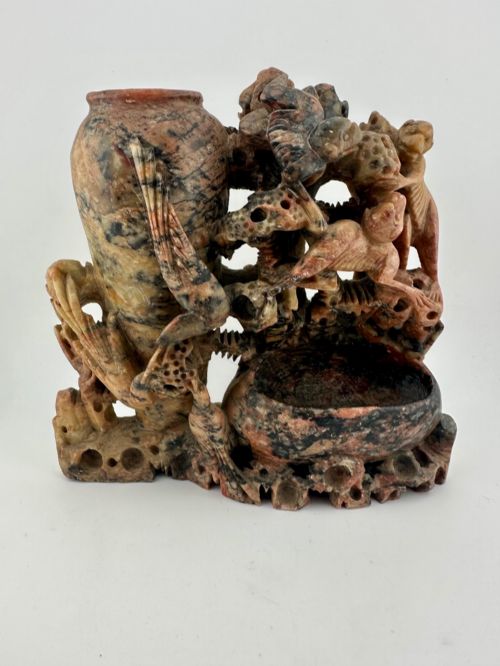
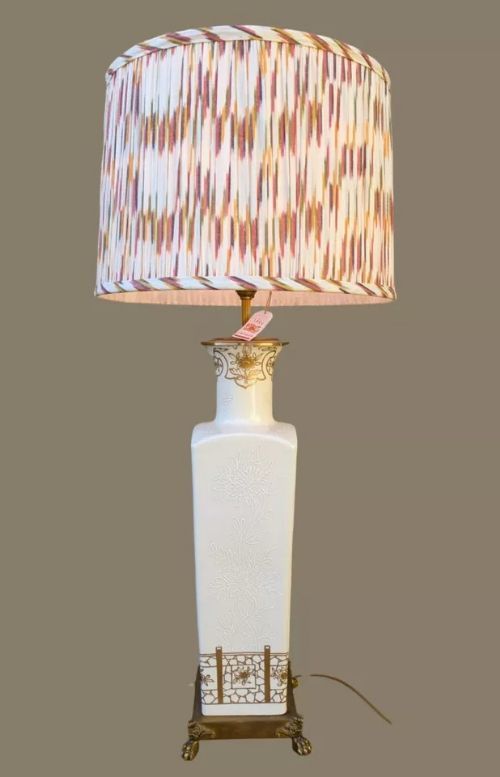
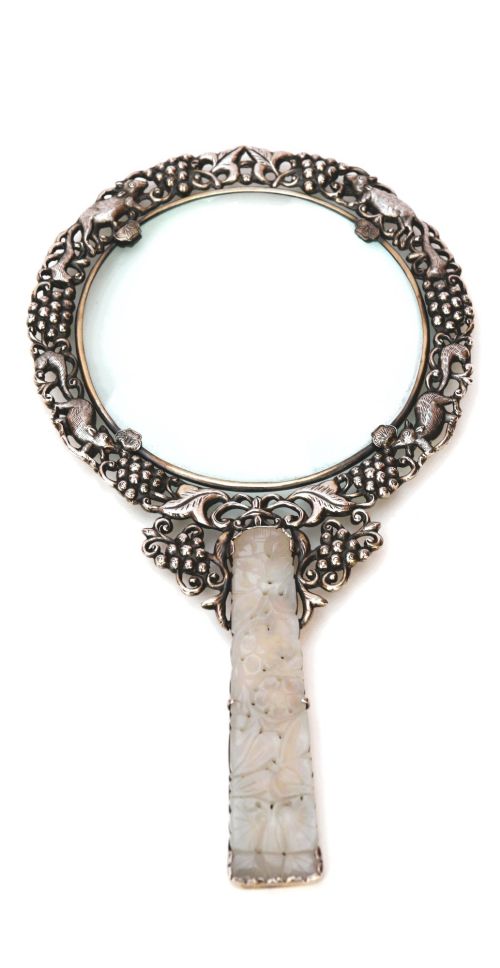
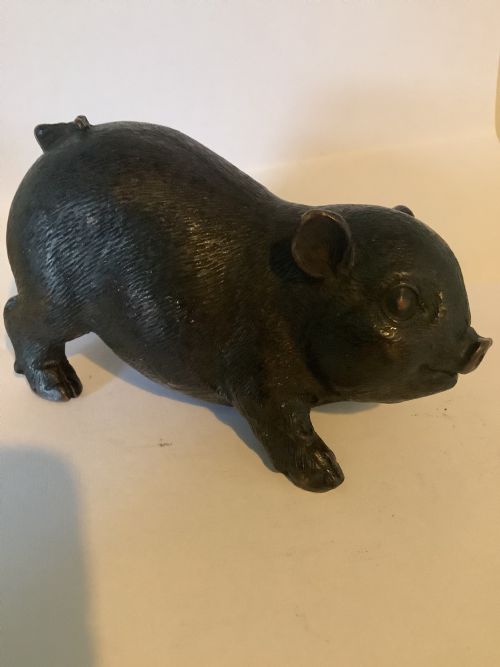
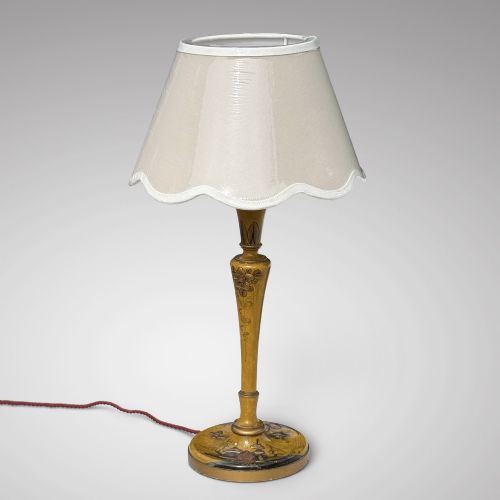
Surface ornamentation frequently involved mother-of-pearl inlay embedded into timber panels, alongside detailed relief carving depicting dragons or traditional motifs. Metal elements in brass and bronze appear on hardware, bells, and associated desk lamps, while jade and soapstone were utilised for smaller decorative items like seals and magnifying glasses.
Vintage Chinese Desk Retail Price Guide 2026
Typical asking prices for vintage chinese desk among the pieces listed under this phrase on Sellingantiques today, from the lower quarter to the upper quarter. They describe what is for sale here now, not the wider market.
The listings here feature items spanning the Victorian era through the 1930s, utilising materials like brass, elm, lacquer, and porcelain.
Factors that distinguish quality
Quality in these pieces rests upon the precision of the joinery and the depth of the carving. Superior examples display crisp detail in dragon motifs and secure fitting of mother-of-pearl inlay within the hardwood surface.
The choice of primary timber significantly dictates the standard of the piece, with dense rosewood and well-figured elm representing more robust manufacture than simpler secondary woods. Furthermore, the integrity of original lacquer finishes and patination separates masterwork items from later commercial reproductions.
Edmé Samson
The Vintage Chinese Desk Glossary
- Chinoiserie
- European artistic style reflecting Chinese motifs and decorative techniques. It became prominent in furniture and decorative objects during the Victorian and Edwardian eras.
- Lacquer
- Protective and decorative coating applied to wood in multiple layers. It provides a smooth, glossy surface often seen in red or ochre tones on tables and lamp bases.
- Hardwood
- Dense, durable timber harvested from broad-leaved trees. Rosewood and elm are common examples found in traditional furniture construction.
- Cloisonné
- Enamelling technique where metal wire forms compartments on a base object to hold coloured paste. This method appears on decorative vases and lamp bodies.
- Famille Verte
- Chinese porcelain palette dominated by green enamels developed during the Qing dynasty. Items utilising this palette sometimes find new life as table lamps.
Vintage Chinese Desk: Frequently Asked Questions
What defines a vintage chinese desk?
A vintage chinese desk typically incorporates traditional hardwood construction, such as elm or rosewood, alongside decorative elements like lacquer or mother-of-pearl inlay. These pieces date primarily from the nineteenth century through the early twentieth century.
They reflect historical cabinet-making techniques from periods including the late Qing dynasty. Their forms range from low opium tables adapted for writing to substantial partners desks.
How were these desks used originally?
These surfaces served scholars and merchants for writing, reading, and conducting administrative tasks. Many were paired with specialised desk accessories like brush pots and jade seals.
Lower tables were often utilised from a seated floor position or low stool, while larger formats accommodated upright seating in traditional armchairs.
How should I care for lacquer surfaces?
Lacquer surfaces require gentle treatment to preserve their finish and prevent drying or cracking. Dust them regularly with a soft, dry cloth.
Keep these items away from direct sunlight and excessive humidity. Avoid chemical cleaners that can damage the delicate historical finish.
How can I identify nineteenth-century pieces?
Nineteenth-century pieces show traditional joinery methods without modern metal fasteners. Examine the timber for natural shrinkage and wear consistent with age.
Look for characteristic materials such as hand-carved rosewood, elm, and genuine mother-of-pearl inlay. Stylistic markers from the late Qing dynasty also help confirm the period.