
Vintage China Display
These vintage china display pieces unite practical storage and exhibition, spanning mahogany cabinets to oak dressers designed to hold fine porcelain.
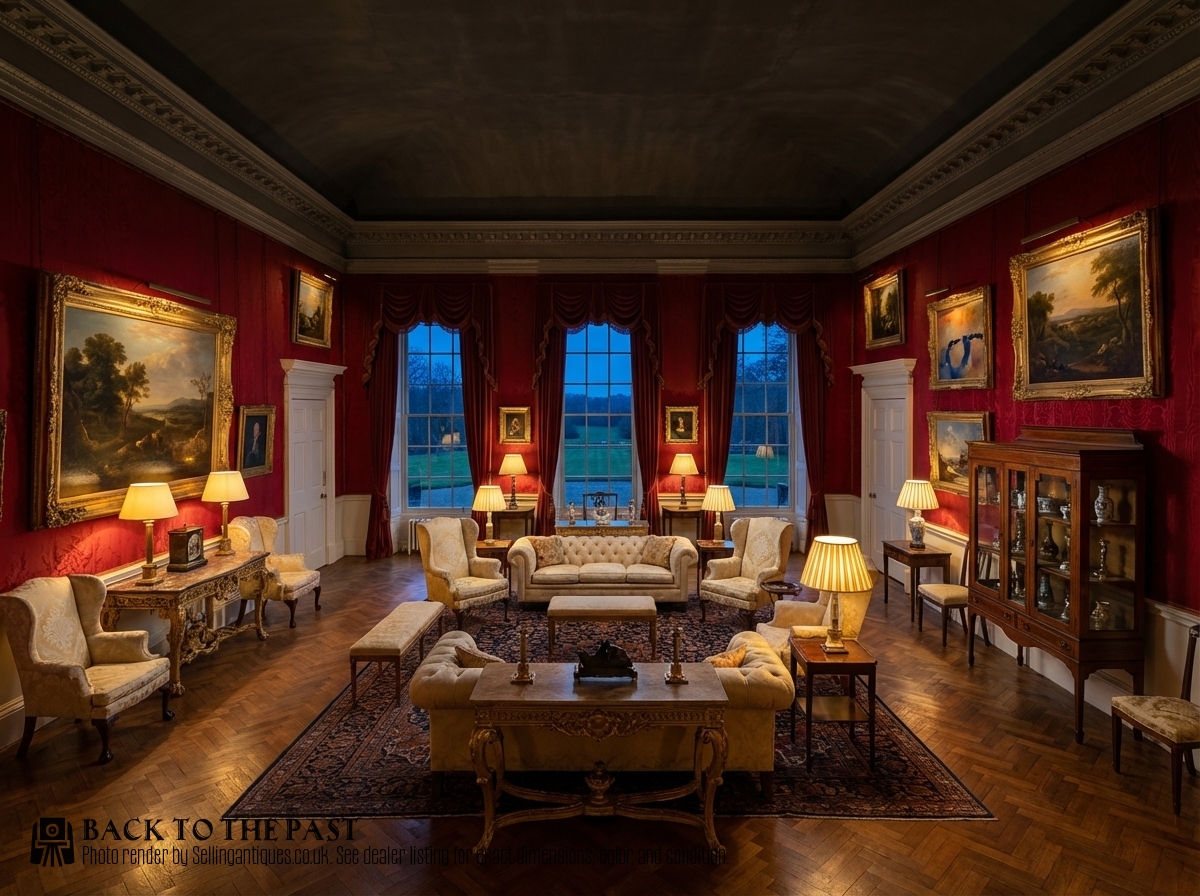
Vintage China Display
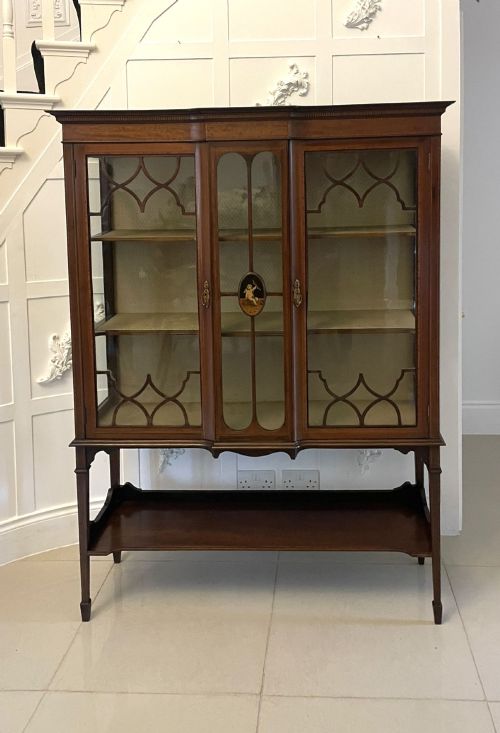
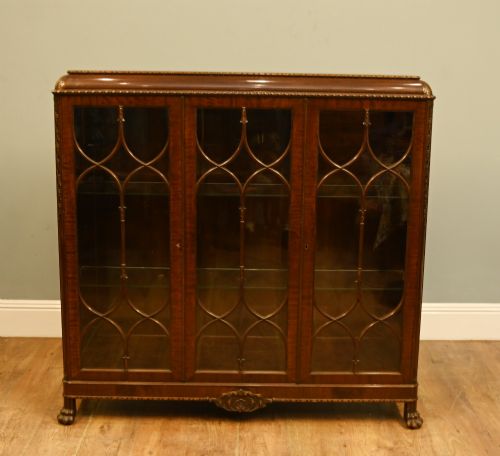
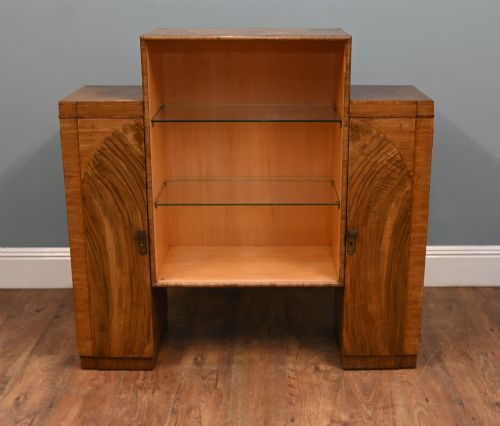
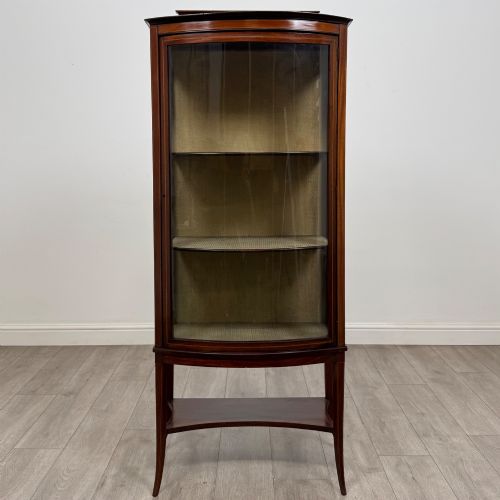
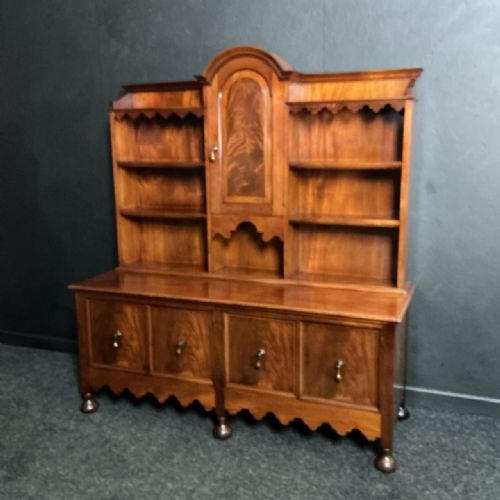
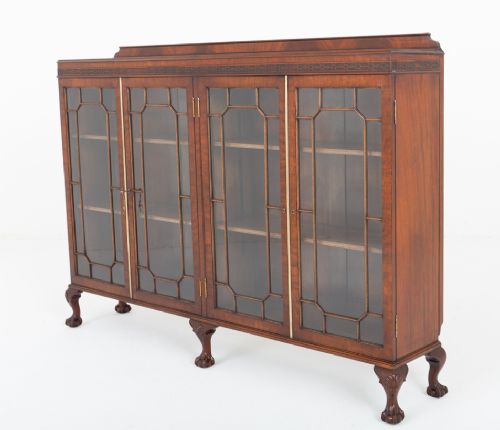
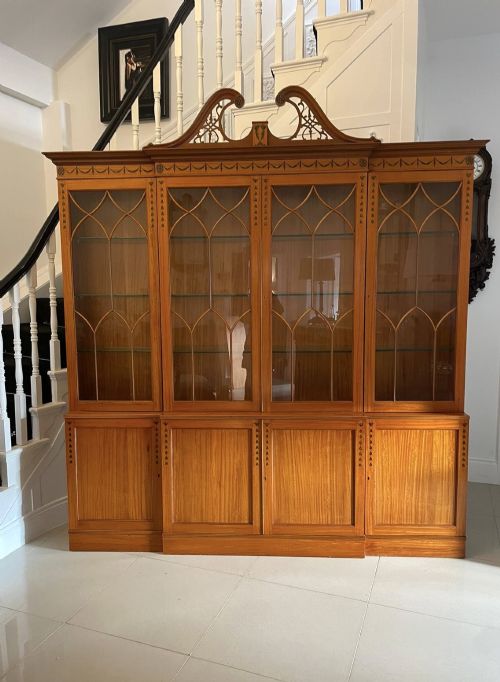
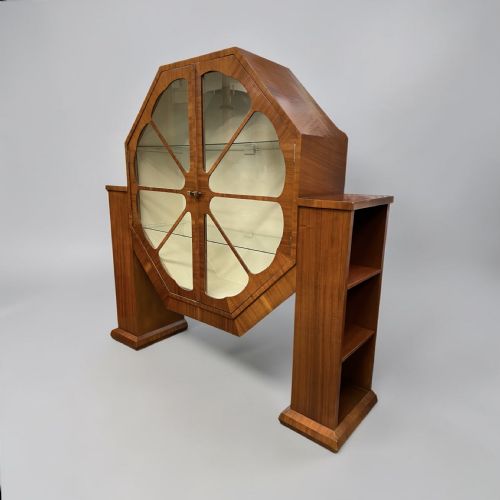
Vintage china display items encompass glazed cabinets, breakfront bookcases, and dresser combinations intended for tableware. These pieces emerge from periods ranging through the eighteenth, nineteenth, and twentieth centuries, including Edwardian and Art Deco eras.
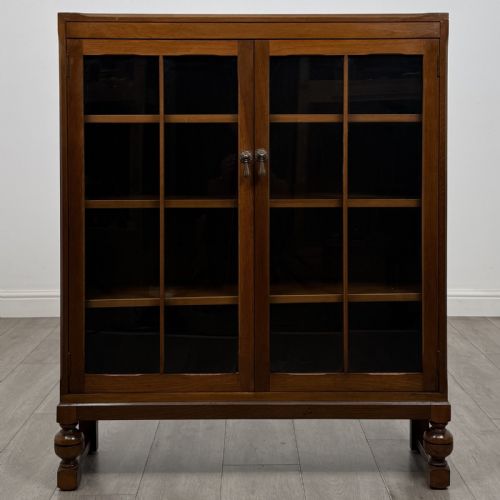
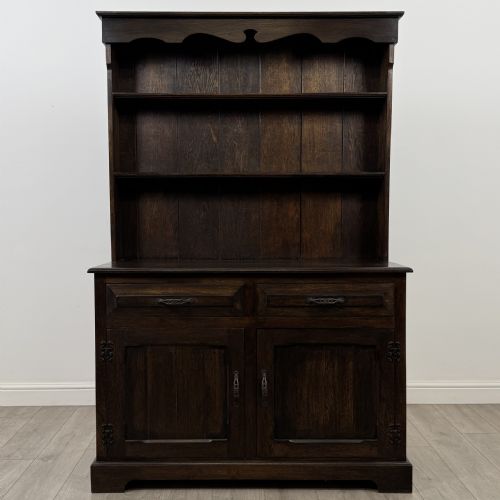
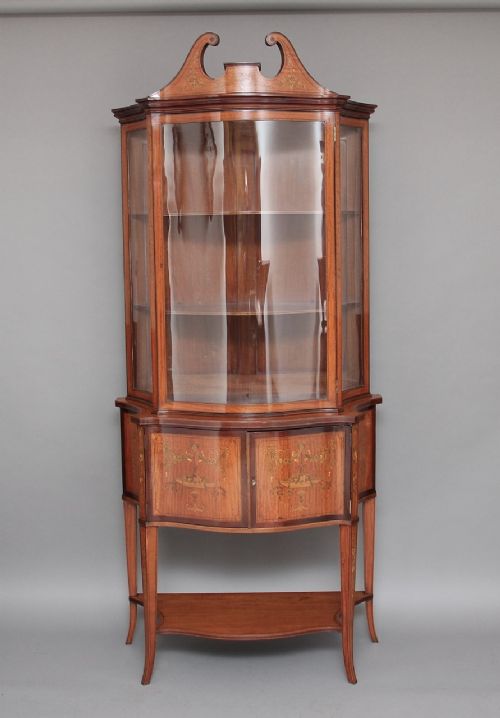
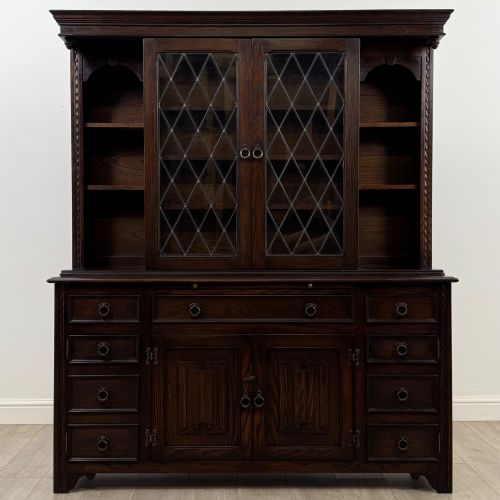
Buyers meet glazed mahogany cabinets and oak Welsh dressers most frequently on this page. Formats extend from tall floor-standing corner cupboards to oval display units and compact wall or floor variants.
The objects serve the dual purpose of keeping porcelain safe behind glass while rendering it visible for inspection. Origins span English workshops alongside Dutch and Asian centres of production.
Materials and Construction
Cabinetmakers constructed these frames using timber such as mahogany, oak, walnut, and satinwood, frequently integrating glass panels for visibility. Some examples incorporate brass mounts, gold leaf, or enamel elements to accent the exterior.
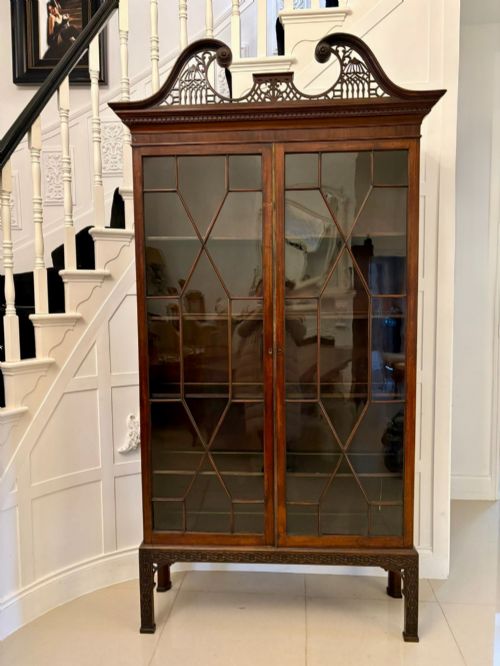
Glazing techniques involve standard panes as well as astral glazing bars dividing the glass into geometric shapes. Makers applied painted decoration or inlaid stringing to enrich plain timber surfaces.
The inventory spans the eighteenth, nineteenth, and twentieth centuries, encompassing Georgian, Victorian, Edwardian, and Art Deco styles.
Standards of Execution
Quality rests upon the selection of figured timber veneers and the precision of the joinery within the carcase. Superior examples exhibit refined inlay work, original painted decoration, and well-proportioned glazing bars.
Heavier construction, such as tiger oak or substantial mahogany frameworks, separates utilitarian furniture from finer parlour pieces. The integration of original brass hardware and fitted interior shelving further distinguishes upper tiers of production.
Maple & Co.
The Vintage China Display Glossary
- Astral glazing
- A network of wooden bars dividing a glass door into smaller panes. This technique lightens the visual weight of large bookcases.
- Breakfront
- A piece of furniture where the central section projects forward from the side wings. This architectural layout creates depth in large display cabinets.
- Vitrine
- A glass-fronted cabinet designed specifically for displaying objects of curiosity or porcelain. These cases often feature glazed sides to maximise light penetration.
- Imari
- A style of Japanese porcelain featuring iron red, cobalt blue, and gilt decoration. European makers subsequently imitated these distinct patterns.
- Dresser
- A piece combining lower cupboards or drawers with upper open shelves or a glazed bookcase. They originated as practical kitchen furniture before entering polite rooms.
Vintage China Display: Frequently Asked Questions
What is vintage china display?
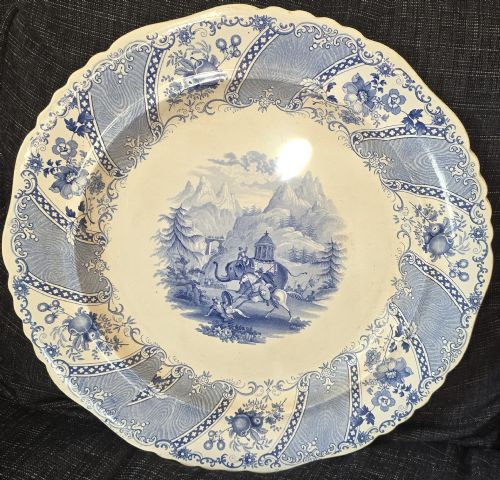
Vintage china display refers to furniture and ceramics created to house and exhibit porcelain plates, bowls, and services. The category includes glazed cabinets, dressers, and decorative plates.
These pieces protect fragile items from dust while allowing them to be viewed through glass doors or arranged upon open wooden shelves.
How do I date an oak display cabinet?
Dating relies on observing construction methods, timber choice, and stylistic cues such as Edwardian inlay or Art Deco curves. Earlier pieces often display vernacular joinery.
Hardware and glass characteristics also provide clues, though secondary woods and backboards help confirm the period of manufacture.
Where should I place a glazed bookcase?
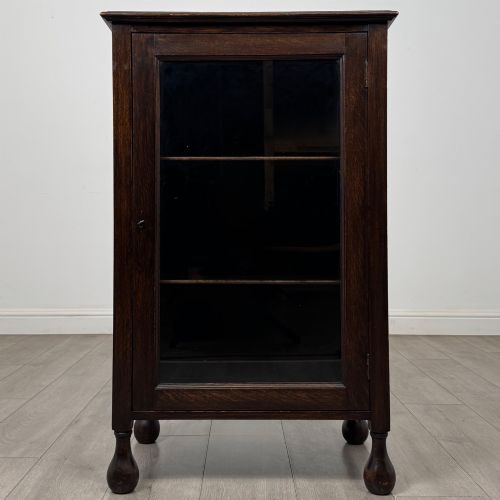
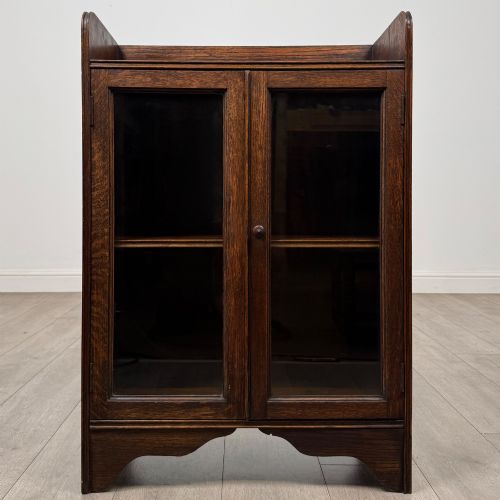
Glazed bookcases suit dining rooms, living spaces, and studies where books and porcelain require dust-free containment. Position them away from direct sunlight.
Allow sufficient floor space for doors to swing open fully without striking surrounding furniture or walls.
How do I care for antique mahogany?
Maintain antique mahogany by dusting regularly with a soft, dry cloth and avoiding silicone-based polishes. Keep pieces away from heat sources.
Stable indoor humidity prevents timber from shrinking or cracking over time, preserving the structural integrity of the joints.