





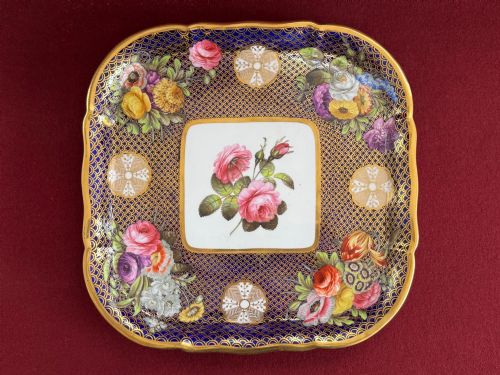
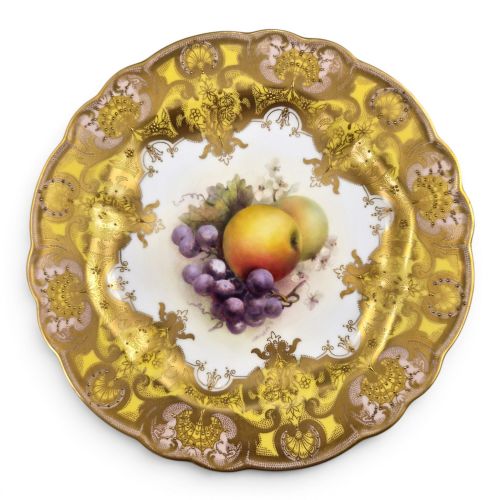
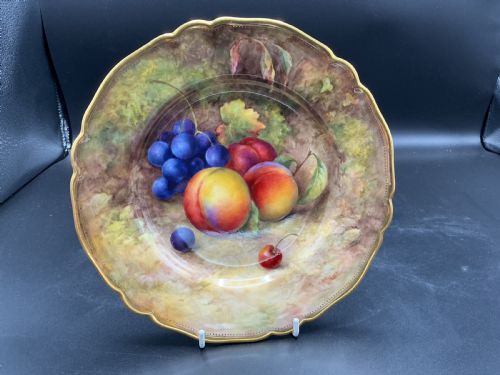
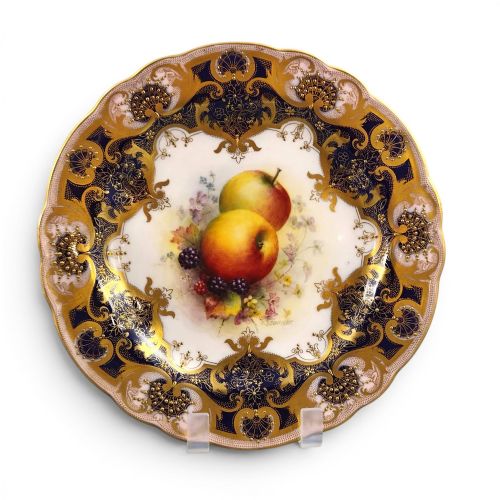
Vintage China Dish
These vintage china dish selections offer hand-painted scenes and glazed ceramic forms spanning several centuries of European and Asian production.
Vintage China Dish
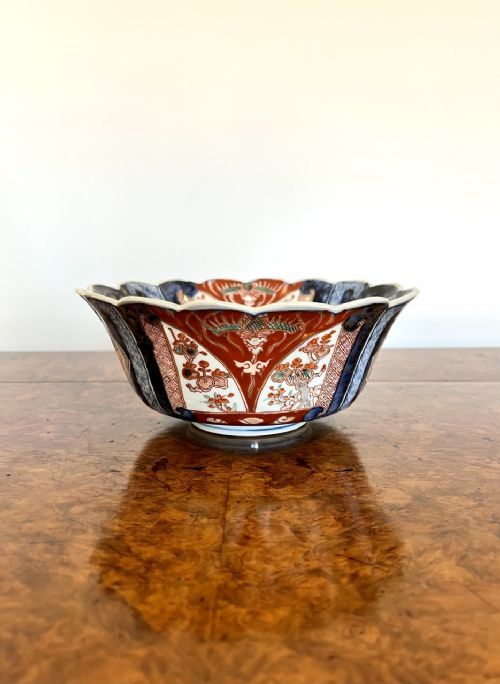
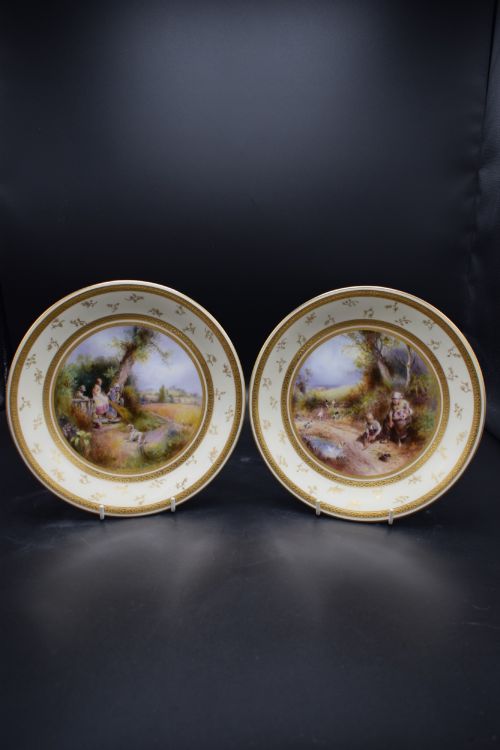
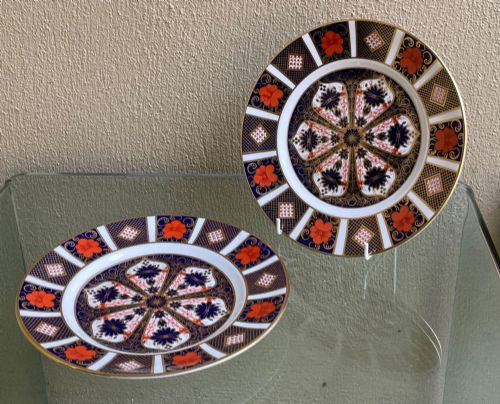
A vintage china dish encompasses a broad range of ceramic forms, from cabinet plates and serving platters to decorative bowls and tureens. Buyers searching this phrase most frequently encounter 19th-century and early 20th-century porcelain or bone china, including traditional English wares and Japanese Imari imports.
The objects serve various ornamental and functional roles within a home, appearing as cabinet plates designed for display alongside meat platters and dessert dishes. Pieces range from Georgian and Victorian items to Edwardian and Art Deco examples, reflecting diverse aesthetic movements across periods.
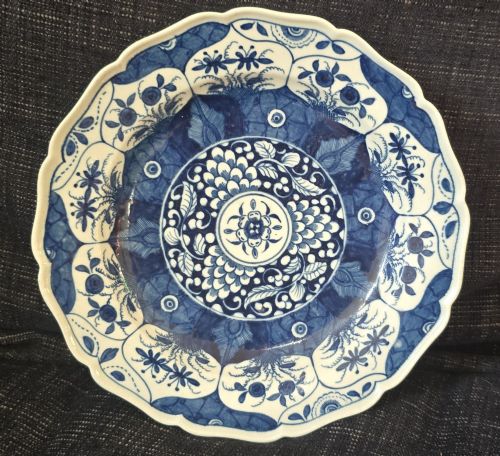
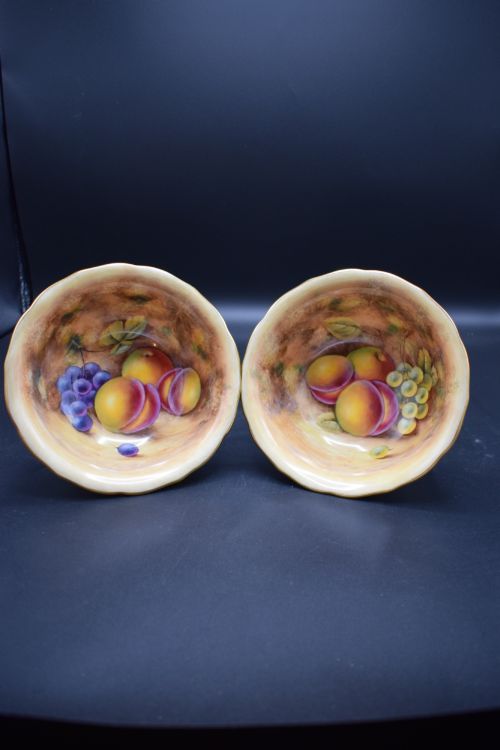
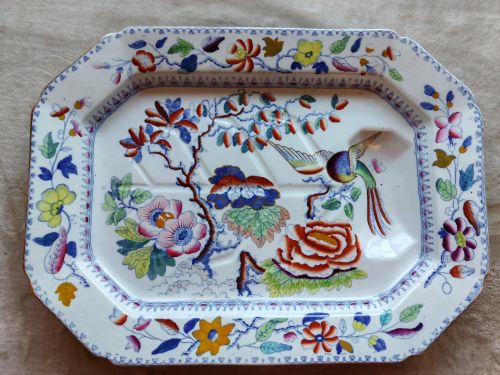
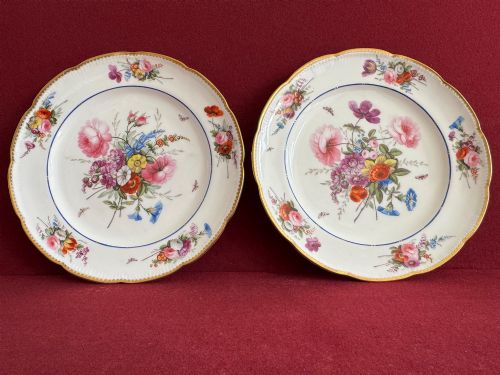
Origin points vary from British factories like Royal Worcester and Royal Crown Derby to continental European potteries and Japanese workshops. This diversity means a buyer might select a delicate hand-painted fruit plate or a robust blue and white transfer-printed platter.
How they were made
Potters utilised ceramic bases such as porcelain, bone china, and ironstone, shaping them into plates, bowls, and tureens before applying detailed enamel pigments and underglaze blue. Artisans often enhanced these forms with intricate gilding, gold leaf, and elaborate hand-painted botanical or figurative subjects.
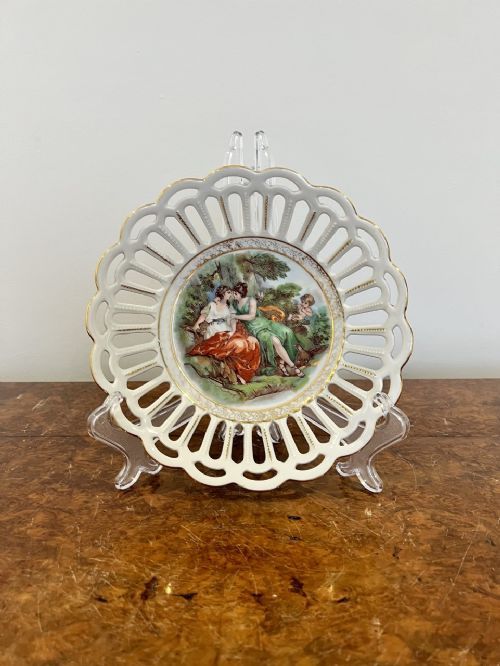
Firing techniques allowed glazes to seal the ceramic body, creating glossy surfaces that preserved delicate brushwork by named painters over decades. Certain pieces incorporated pierced borders or moulded basketweave patterns, demonstrating advanced manipulation of the clay before the final kiln process.
Vintage China Dish Retail Price Guide 2026
Typical asking prices for vintage china dish among the pieces listed under this phrase on Sellingantiques today, from the lower quarter to the upper quarter. They describe what is for sale here now, not the wider market.
Listings feature porcelain, bone china, and ironstone across the 18th, 19th, and 20th centuries.
What varies in quality
The calibre of a piece rests heavily on the skill of the artist and the prestige of the maker, with signed works by known painters commanding particular attention. Hand-painted naturalistic fruit scenes or complex Japanese Imari patterns display a depth of execution absent in simpler transfer-printed items.
Material composition and decorative embellishment also dictate distinction, separating standard utility wares from exhibition-grade cabinet plates featuring heavy gilding and raised enamel work. The crispness of the moulding and the preservation of the glaze integrity further distinguish finer examples.
Royal Crown Derby·Royal Worcester·Royal Doulton·Minton·Wedgwood
The Vintage China Dish Glossary
- Cabinet plate
- A decorative ceramic plate intended for display in a cabinet or on a wall rather than for everyday dining use. These items frequently feature elaborate hand-painted scenes by named artists.
- Imari
- A style of Japanese export porcelain characterised by a palette of underglaze blue, iron red, and abundant gold leaf. British factories later adopted these distinct decorative motifs.
- Gilding
- The application of gold leaf or powdered gold to ceramic surfaces to highlight rims, handles, and borders. This decorative technique appears frequently on Regency and Victorian wares.
- Ironstone
- A type of durable heavy earthenware patented in the 19th century to imitate porcelain. It provides a robust body suitable for large platters and tureens.
- Transfer printing
- A method of applying pre-printed designs onto ceramic surfaces using paper or tissue from an engraved copper plate. This technique enabled the rapid production of blue and white patterns.
Vintage China Dish: Frequently Asked Questions
How do I display a cabinet plate?
Cabinet plates suit wall mounting using specialised wire hangers or placement in dedicated display cabinets lined with fabric.
Positioning them away from direct sunlight protects the enamel colours and delicate gilding over time.
Can I use antique dishes for serving food?
While robust items like ironstone platters and certain serving dishes remain structurally sound for dining, older pieces with delicate hand-painted enamels benefit from gentle handling.
Hand washing in warm soapy water preserves the glaze and prevents wear to the surface decorations.
How do I identify the period of a porcelain dish?
Makers' marks stamped or painted on the underside provide the most reliable indicator of origin and approximate date of manufacture.
Stylistic cues such as the heavy gilding of the Regency era or the distinct palettes of Art Nouveau also help determine the age.