


Vintage Child Portrait Art
Vintage child portrait art captures youthful innocence across centuries, offering intimate glimpses into past lives through oils, pastels, and delicate miniatures.
Vintage Child Portrait Art
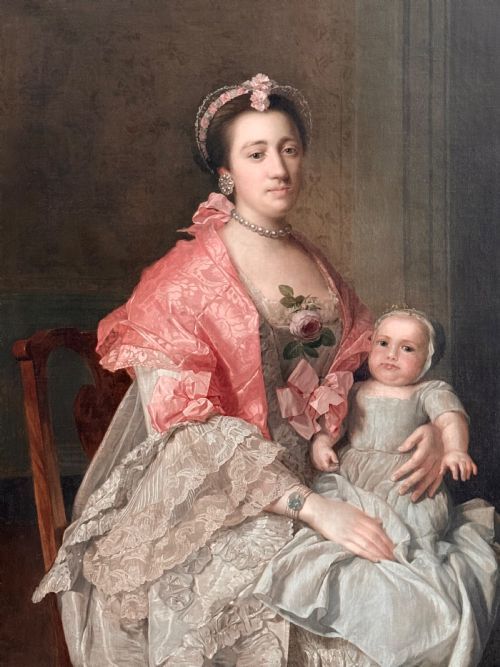
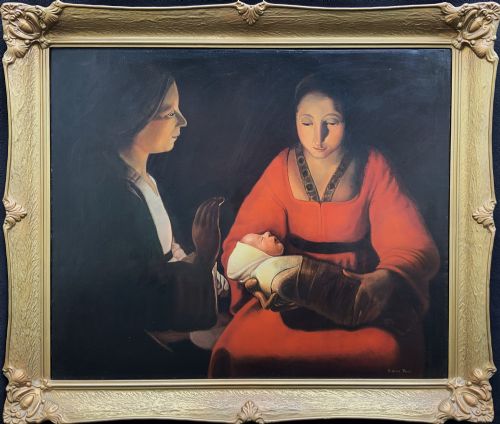
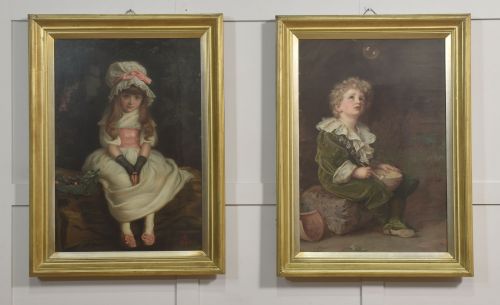
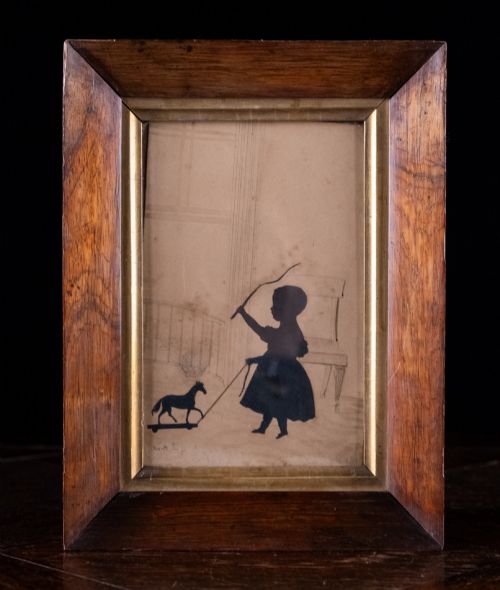
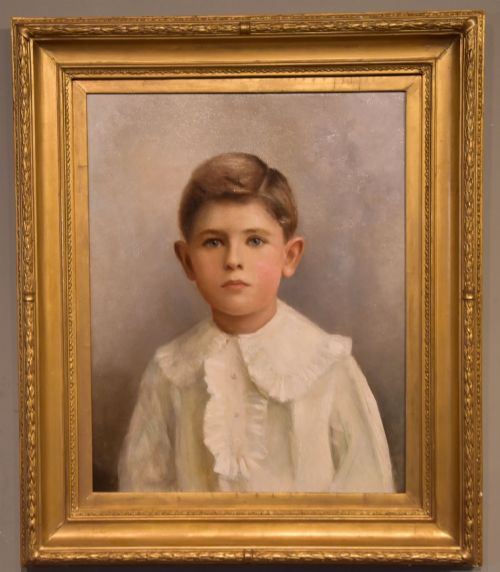
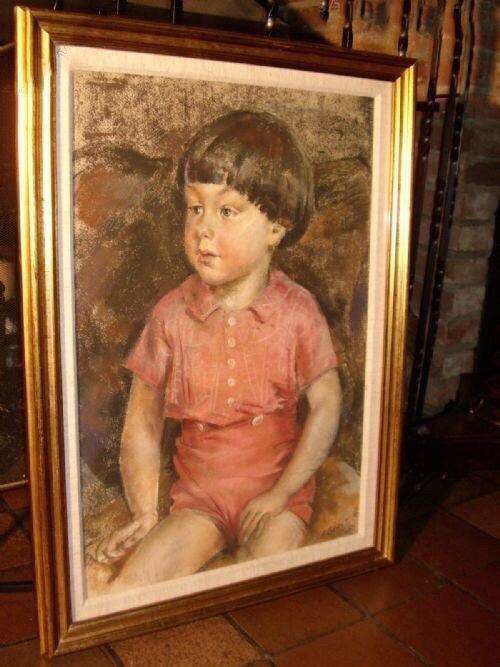
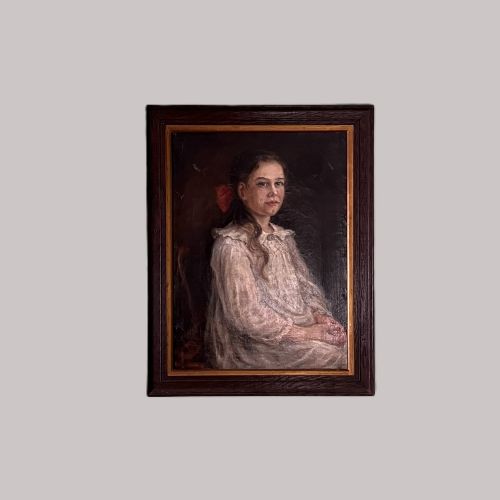
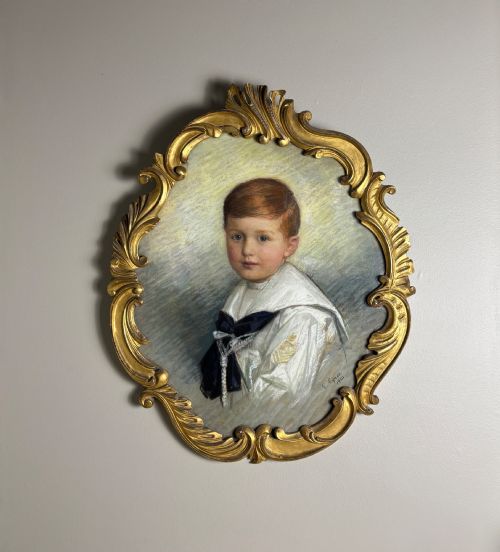
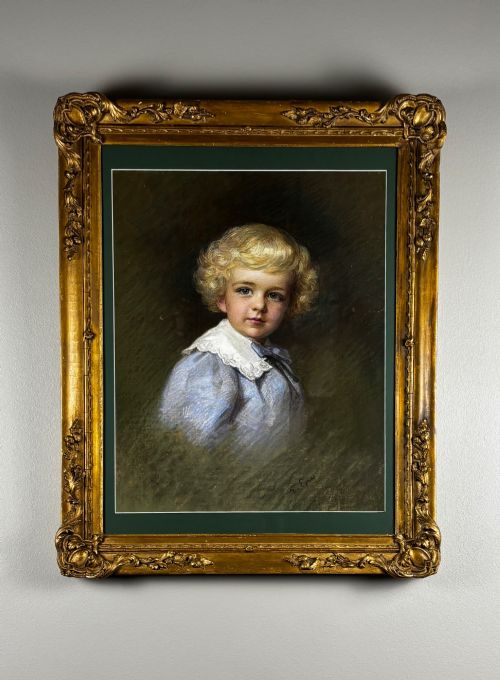
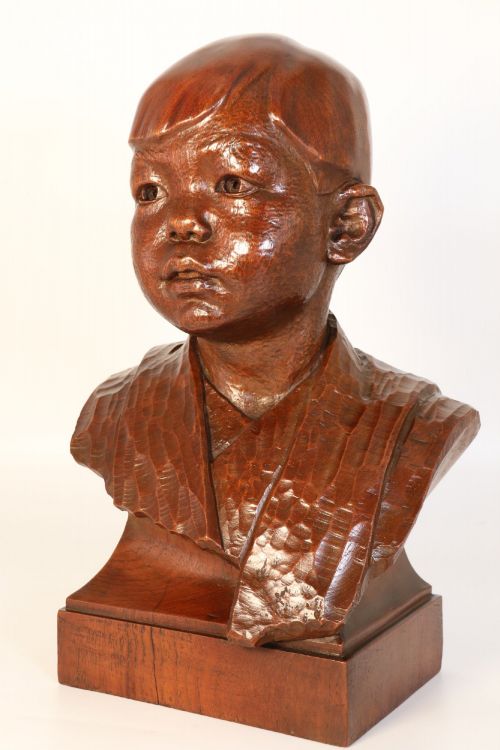
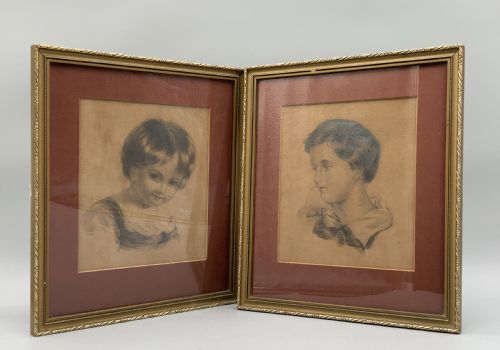
Vintage child portrait art encompasses paintings, drawings, and prints depicting young subjects from the nineteenth and early twentieth centuries. Pieces span diverse formats, ranging from large oil canvases and pastels to intimate miniature watercolours and silhouettes.
The selection frequently includes Edwardian and Victorian works, alongside Regency pencil sketches and 1930s compositions. Subjects appear alone or accompanied by pets, horses, and familial figures, reflecting historical aesthetics and portraiture conventions.
Materials and Construction
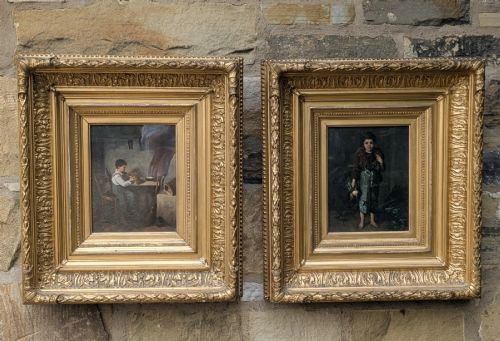
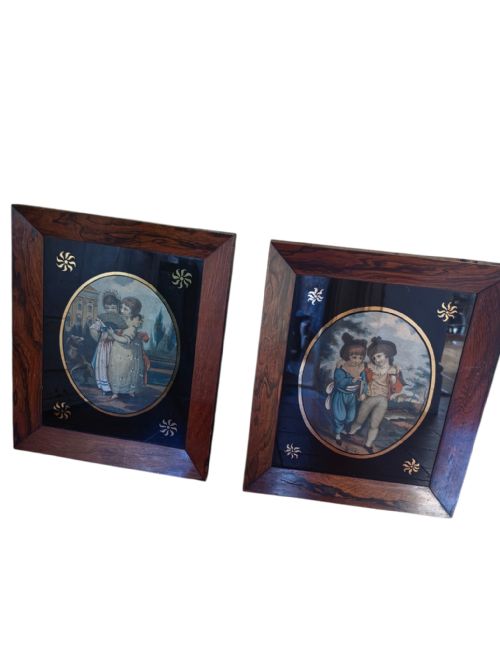
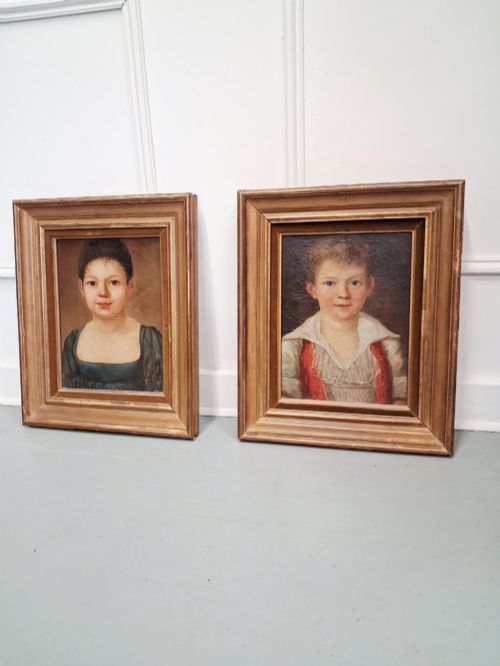
Artists utilised oil on canvas, pastel, gouache, and watercolour applied to paper or card. Many works are housed in their original giltwood, ebonised, or rosewood frames, often protected beneath glass.
Mediums dictate the texture and preservation of each piece, with heavy oil applications contrasting against delicate pencil lines and watercolour washes.
Common framing materials include gilded wood, rosewood, and ebonised surrounds, often preserved alongside the original artwork.
Assessing Quality and Execution
Technical proficiency in rendering facial expression and anatomical proportion distinguishes accomplished pieces from simpler decorative prints. Masterful handling of light and shadow, particularly in oil and pastel mediums, elevates the artistic merit.
The integrity of the original framing and the clarity of the medium without excessive fading or pigment loss determine the overall preservation state.
Emily Eyres·Augustin Edouart·George Henry Paulin·Henry Windsor Fry·Evaristo Cappelli
The Vintage Child Portrait Art Glossary
- Miniature
- A small-scale portrait painted with meticulous detail on ivory, vellum, or card. These portable artworks gained popularity during the Regency and Victorian periods.
- Pastel
- A dry medium composed of powdered pigment and a binder, yielding velvety textures. Works executed in pastel require glass protection to prevent smudging.
- Giltwood
- Wood carved and coated with a thin layer of gold leaf or metallic paint. This finish frequently adorns nineteenth-century frames.
- Silhouette
- A profile portrait cut from dark paper or painted in solid black against a light background. Artisans specialised in capturing likenesses through stark outlines.
Vintage Child Portrait Art: Frequently Asked Questions
How do I date a child portrait?
Dating relies heavily on clothing styles, hairstyles, and framing materials. Victorian and Edwardian fashions offer distinct chronological markers.
Techniques such as pastel application and canvas preparation further assist in determining the era of execution.
Are portrait miniatures original?
Most period miniatures are hand-painted unique works rather than mass-produced prints. Artists utilised fine brushes to achieve intricate facial details on small surfaces.
Examining the piece under magnification reveals individual brushstrokes characteristic of original art.
How should I frame these artworks?
Preserving original frames maintains historical integrity and visual context. Period giltwood and ebonised frames complement the aesthetic of nineteenth-century paintings.
When reframing is necessary, acid-free materials protect paper works from degradation over time.
What distinguishes pastels from oils?
Pastels offer a soft, matte finish created by dry pigment sticks applied to paper or canvas. Oil paintings feature richer surface textures built through layered liquid paint.
Oils generally prove more durable, whereas pastels remain vulnerable to disturbance without protective glass.