




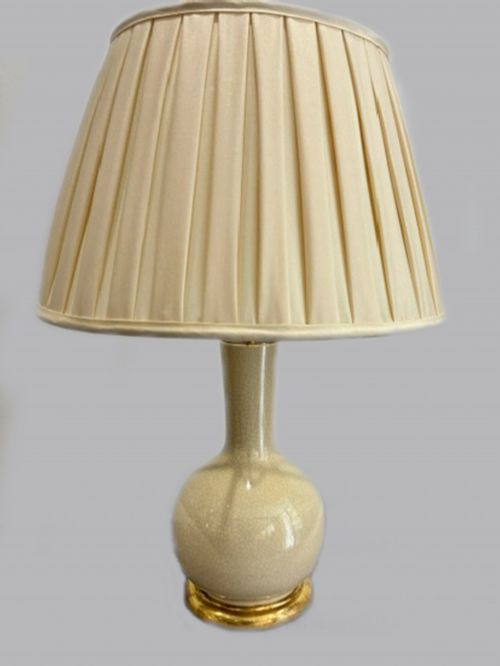
Vintage Ceramic Ware
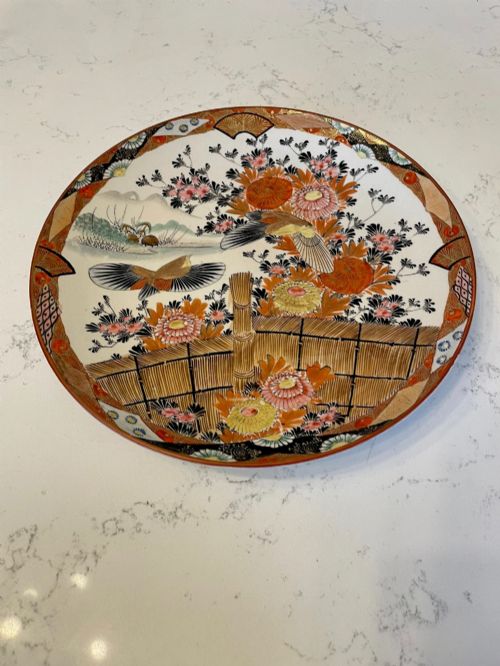
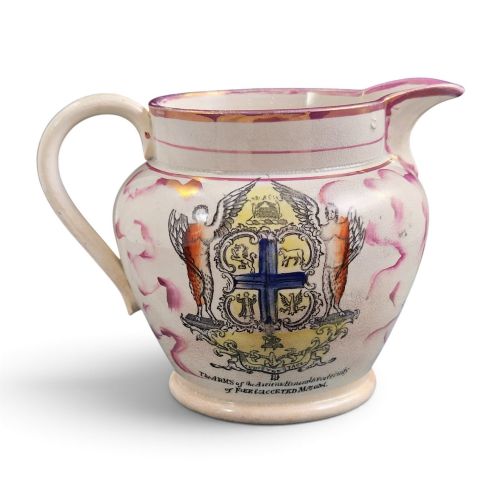
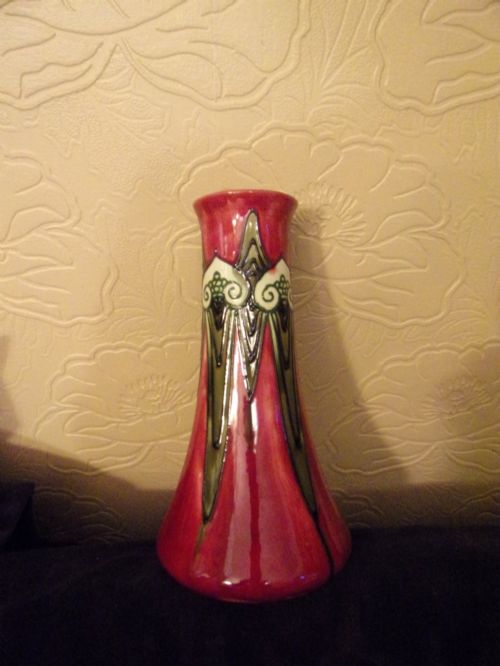
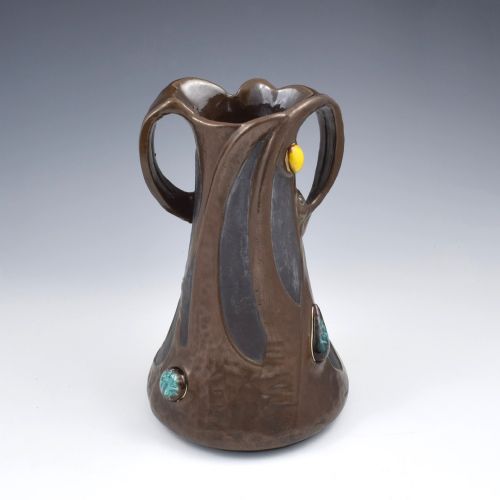
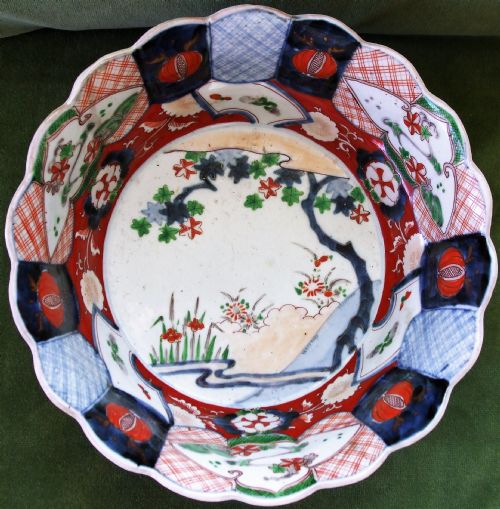
Vintage ceramic ware covers diverse historical pieces like Japanese Imari dishes, Victorian jugs, and Art Nouveau vases prized for display.
Vintage Ceramic Ware
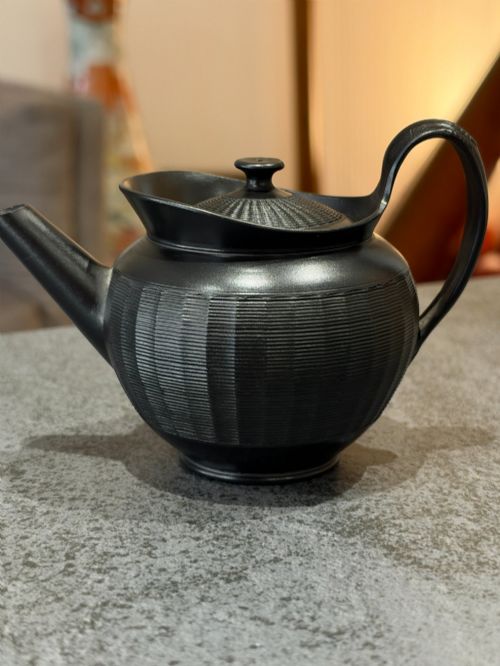
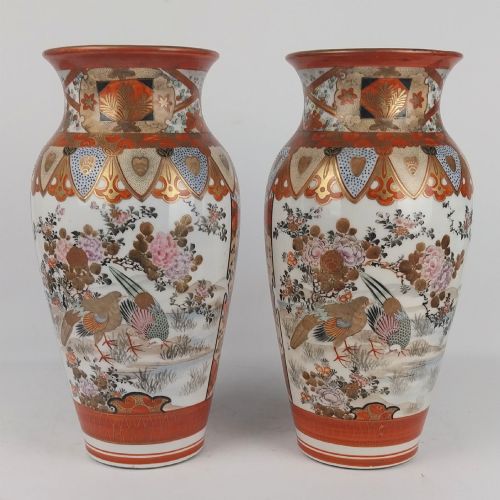
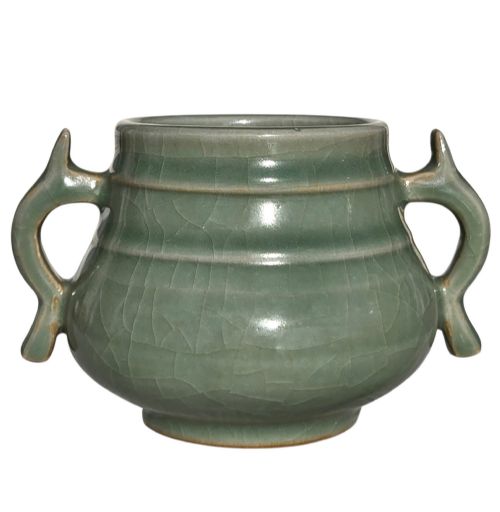
When you search for vintage ceramic ware, you encounter a broad selection of historical objects ranging from nineteenth-century English earthenware jugs to Japanese Meiji period porcelain bowls.
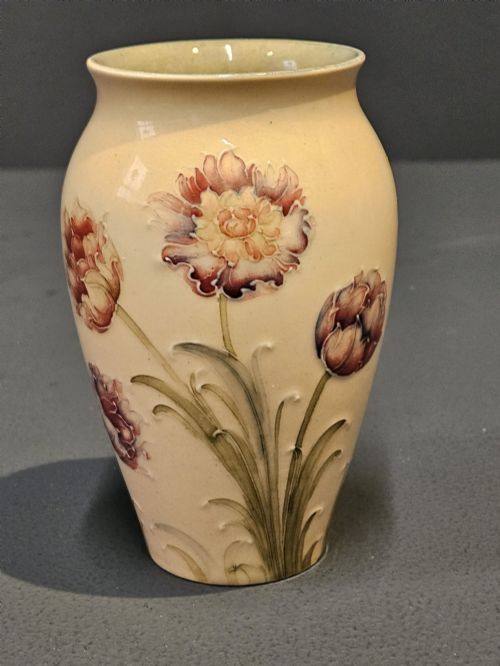
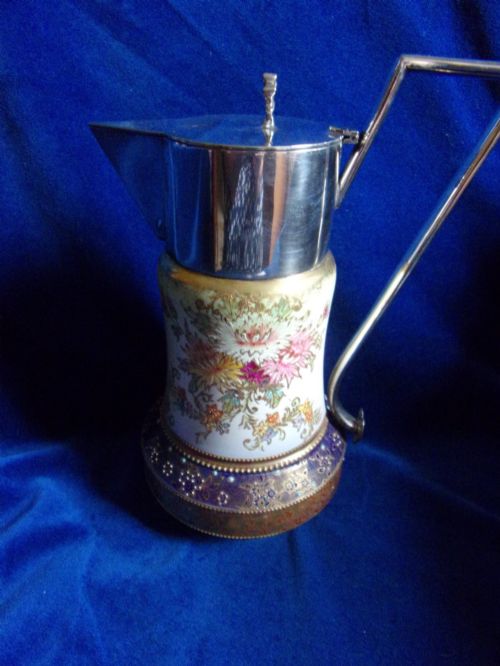
The most common pieces on this page are decorative vessels such as vases, shallow bowls, and plates originating from Victorian, Edwardian, and nineteenth-century production periods.
Buyers look to these items for their distinct decorative qualities, historical utility, and the traditional hand-painted motifs that define various international ceramic traditions.
Materials and construction methods
These items are shaped from porcelain, earthenware, and fine clay bodies before receiving glazes, enamel colours, and occasional gold leaf or gilt highlights.
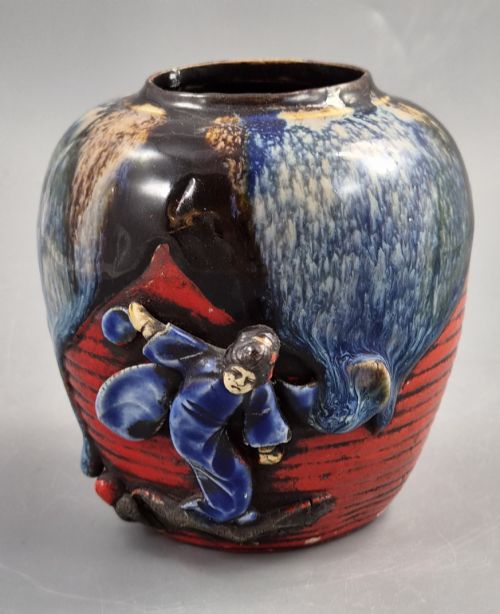
Techniques visible in the listings include tube-lining, hand-painting, and applied sculptural figures, where makers combined wet clay manipulation with precise kiln firing.
Vintage Ceramic Ware Retail Price Guide 2026
Typical asking prices for vintage ceramic ware among the pieces listed under this phrase on Sellingantiques today, from the lower quarter to the upper quarter. They describe what is for sale here now, not the wider market.
Listings feature items from the eighteenth, nineteenth, and early twentieth centuries, spanning Victorian, Edwardian, and Japanese Meiji periods.
Distinctions in standard and execution
Quality separates pieces through the crispness of the hand-painted brushwork, the depth and stability of the glaze, and the precision of the form.
Signatures by renowned makers or distinct stylistic achievements elevate certain vessels above standard production pieces from the same period.
Carltonware·Sunderland Garrison Pottery·Minton·Royal Worcester·Wedgwood
The Vintage Ceramic Ware Glossary
- Imari
- A style of Japanese porcelain featuring underglaze blue and overglaze red, gold, and other colours. These designs were produced for both domestic use and export during the Edo and Meiji periods.
- Earthenware
- Porous pottery fired at lower temperatures and typically glazed to achieve impermeability. This material forms the body for many traditional jugs and decorative vessels.
- Porcelain
- A hard, vitreous ceramic material fired at high temperatures until translucent. It is durable and forms the smooth white base for fine hand-painted decoration.
- Glaze
- A glassy layer fused to the ceramic body through firing. It seals the porous clay and provides decorative colour or texture.
- Tube-lined
- A decorative technique where lines of clay are squeezed onto the surface from a nozzle to outline patterns before glazing. This creates raised borders for pools of coloured glaze.
Vintage Ceramic Ware: Frequently Asked Questions
What is vintage ceramic ware?
Vintage ceramic ware encompasses historical decorative objects, tableware, and vessels made from clay, earthenware, or porcelain during past centuries.
These pieces reflect the distinct artistic movements, regional pottery traditions, and firing techniques of their respective eras.
How do I identify Japanese Imari?
Japanese Imari porcelain is typically recognised by its distinct palette of underglaze cobalt blue, iron red, and supplementary gilding.
Designs often incorporate complex floral and brocade patterns applied across plates, bowls, and vases.
How were nineteenth-century jugs used?
Nineteenth-century jugs served practical household functions such as holding liquids, pouring claret, or dispensing water at the table.
Many examples also commemorated maritime themes, Masonic orders, or specific historical events before becoming purely decorative display items.
Can I display these pieces safely?
Most antique ceramic pieces are suited for stable display on shelves, sideboards, or inside cabinets away from high traffic areas.
Due to their age and delicate glazes, they are generally preserved for visual appreciation rather than daily utility.