



Vintage Ceramic Table Lights
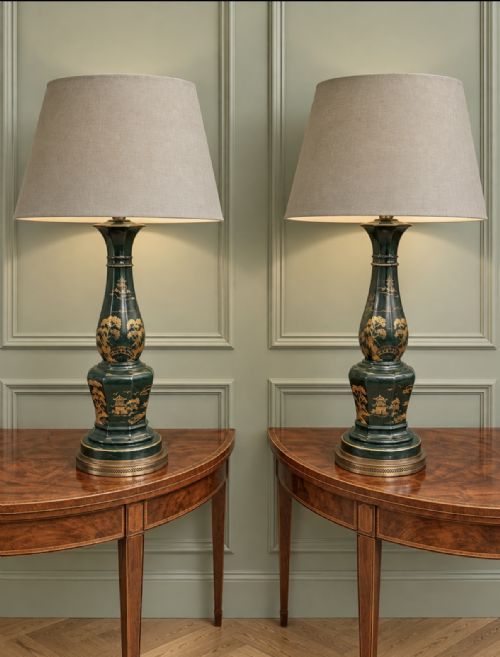
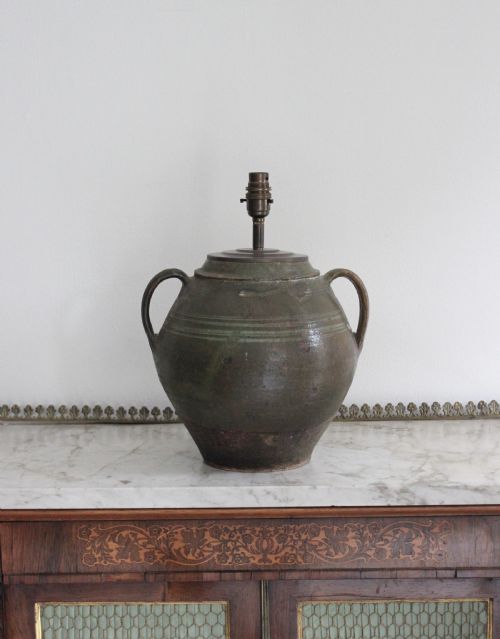
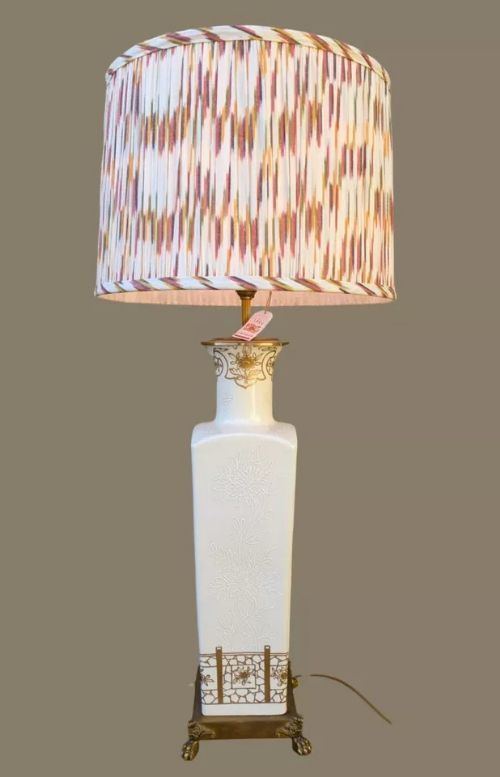
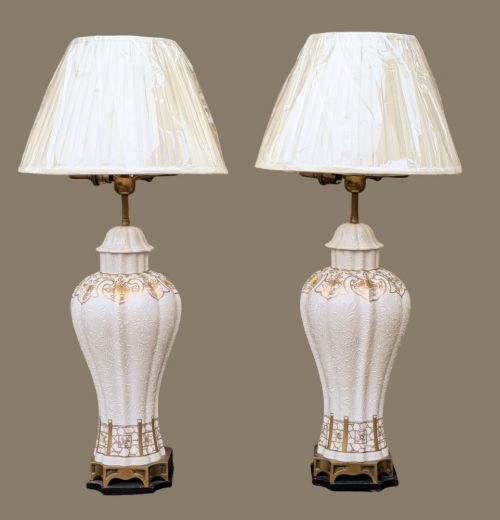
Vintage ceramic table lights bring character and illumination to a room, combining tactile pottery bases with functional design.
Vintage Ceramic Table Lights
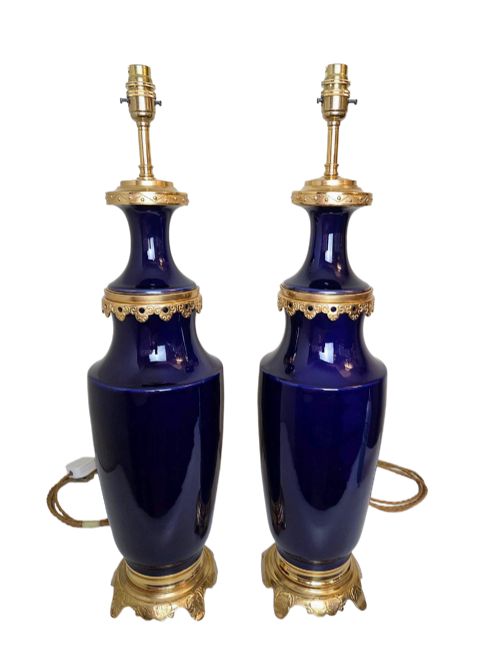
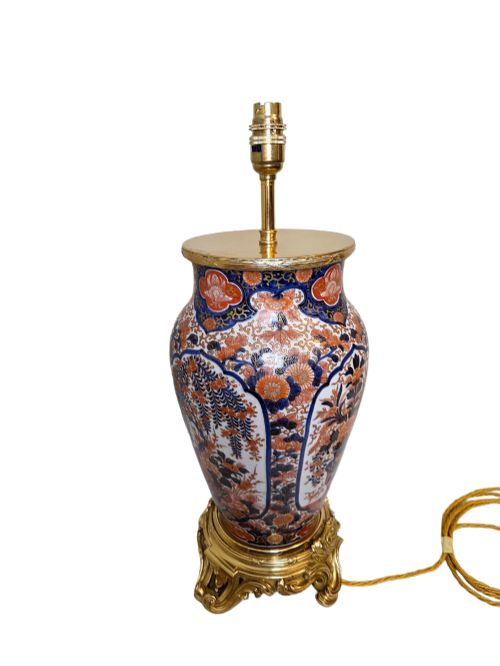
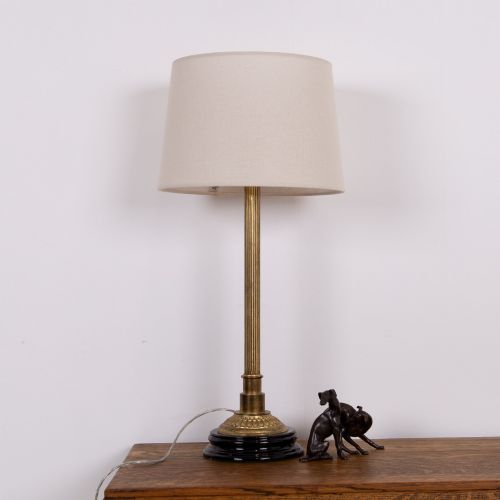
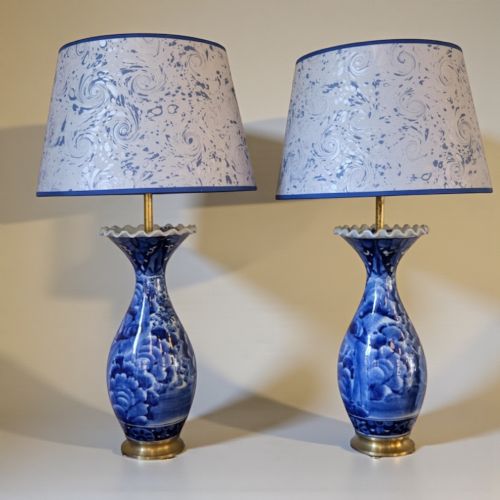
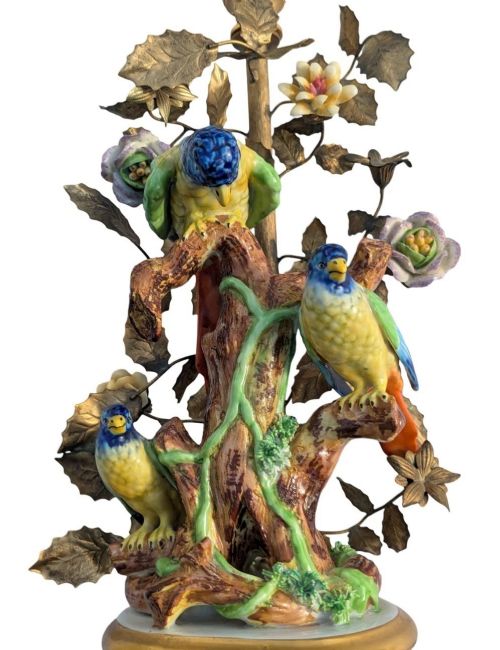
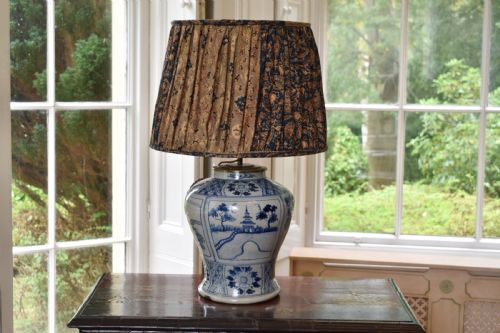
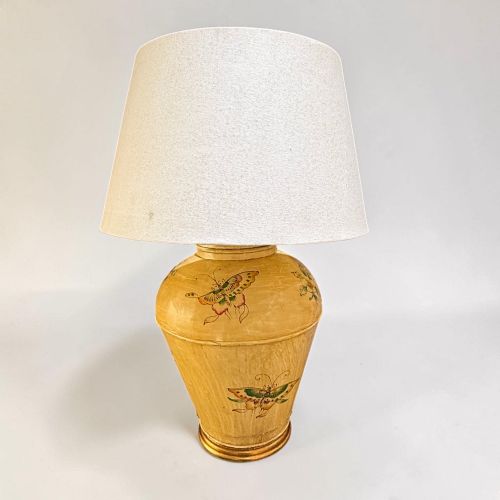
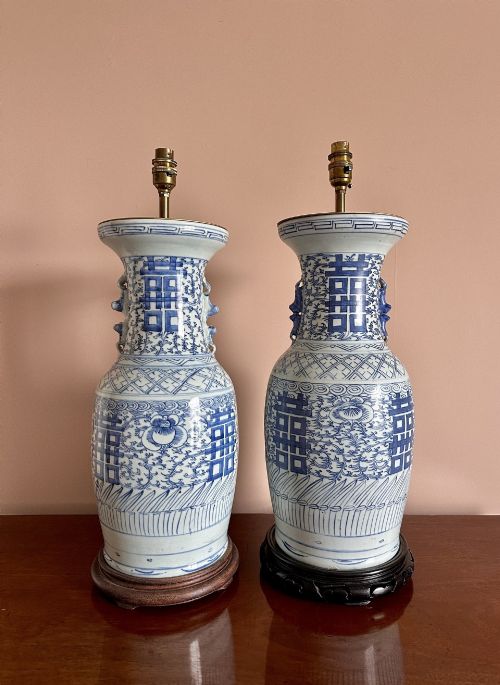
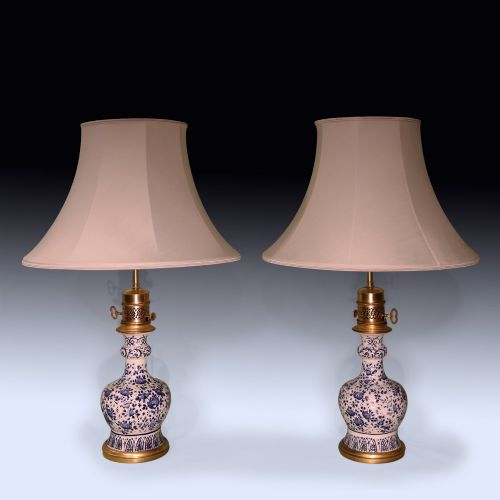
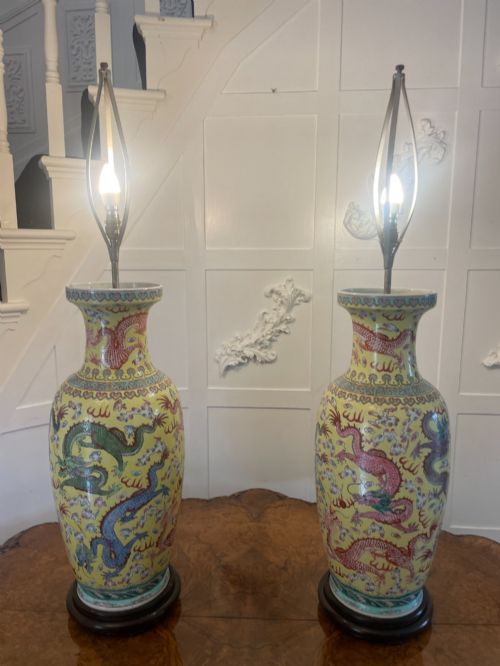
When searching for vintage ceramic table lights, buyers encounter a diverse selection of transformed vessels, converted oil lamps, and dedicated pottery bases spanning several centuries. The inventory includes converted vases, oil lamps, and figural sculptures originally fashioned in earthenware, porcelain, and stoneware.
Most examples originate from the nineteenth and early twentieth centuries, featuring distinct regional aesthetics from British factories, French ateliers, and Japanese kilns. Many pieces began life as vases, ginger jars, or oil burners before receiving electrical fittings later in their history.
How they were made
Potters shaped these bodies using traditional methods, often hand-painting glazes, crackle effects, or applied decoration directly onto the clay before firing. Many bases incorporate metal elements, combining brass, gilt bronze, or ormolu mounts to secure the ceramic body and elevate the overall height.
Conversion work frequently involved mounting the original porcelain or earthenware vessel onto a weighted base and drilling the ceramic or adding collar fittings to accommodate electrical wiring or burner assemblies. Glass shades, fabric elements, and hand-blown components were paired with these ceramic foundations to complete the lighting structure.
Vintage Ceramic Table Lights Retail Price Guide 2026
Typical asking prices for vintage ceramic table lights among the pieces listed under this phrase on Sellingantiques today, from the lower quarter to the upper quarter. They describe what is for sale here now, not the wider market.
The selection includes converted eighteenth-century Delft vases alongside twentieth-century Moorcroft art pottery pieces.
What varies in quality
The sophistication of the painted or glazed decoration largely defines the upper tier of these lamps, where hand-pate-sur-pate work, intricate enamel detailing, or finely modelled figural elements demonstrate superior craftsmanship. The integration of the metal mounts and the original condition of the ceramic body also distinguish standard production pieces from exceptional examples.
Provenance and the original purpose of the vessel influence desirability, with converted antique vases by established factories holding particular interest for collectors. The harmony between the ceramic base and its subsequent mountings dictates the aesthetic success of the finished light.
Royal Worcester·Sitzendorf·Moorcroft·Argilor
The Vintage Ceramic Table Lights Glossary
- Pate Sur Pate
- A French ceramic technique where layers of liquid white porcelain slip are built up on a coloured clay body to create a low relief cameo effect. This meticulous process requires immense skill from the artisan.
- Satsuma
- A type of Japanese earthenware pottery characterised by a ivory-coloured, crackled glaze decorated with intricate polychrome enamel and gilt patterns. These wares were widely exported and later adapted into decorative lighting.
- Ormolu
- Gilded bronze mounts cast and chased with decorative motifs, frequently employed to adorn the bases and collars of fine porcelain table lights during the nineteenth century. The technique provides a lustrous metallic contrast to ceramic surfaces.
- Delftware
- Tin-glazed earthenware originating from Dutch potteries, typically decorated in blue and white pigments with floral or landscape scenes. Many surviving eighteenth-century examples of these vessels found new life as lamp bases.
- Cloisonne
- An ancient metalwork technique adapted for ceramics and vases, where thin wire compartments are soldered to a surface and filled with enamel pastes before firing. The resulting cells form intricate geometric or floral patterns.
Vintage Ceramic Table Lights: Frequently Asked Questions
How do I date a ceramic lamp base?
Dating relies on examining the style of the ceramic body, glaze characteristics, and any maker marks or stamps on the underside. Stylistic cues such as Victorian brass fittings or Art Deco geometric forms also help narrow the period.
Metal components, wiring styles added during conversion, and the type of ceramic paste provide further clues regarding the manufacturing era of the light.
Are converted oil lamps safe to use?
Most antique lamps encountered today have undergone conversion to electricity at some point in their history. Buyers should inspect the internal wiring and consult a professional electrician to ensure current safety standards are met.
The original ceramic and metal structure generally remains intact while the electrical cord and lamp holder are updated for modern domestic use.
Can I replace the lampshade safely?
Replacing the shade is straightforward provided the fitter matches the gallery or harp dimensions of the existing lamp holder. Consideration should be given to the scale and weight of the ceramic base when selecting an appropriate shade proportion.
Fabric, silk, or glass shades can all alter the character of the light emitted, depending on the desired ambience in the room.
How do I clean antique ceramic bases?
Dusting gently with a soft, dry cloth is recommended to preserve delicate painted glazes and gilt bronze mounts. Moisture should be kept away from unglazed areas and old wiring components.
Harsh chemical cleaners must be avoided to prevent damage to hand-painted enamel details or historic surface finishes.