


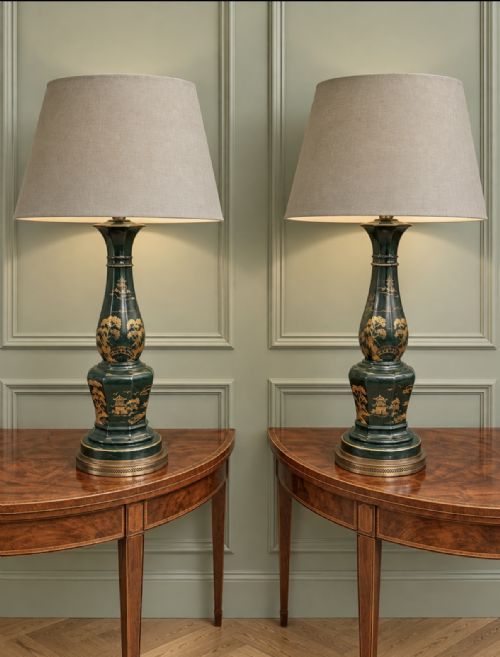

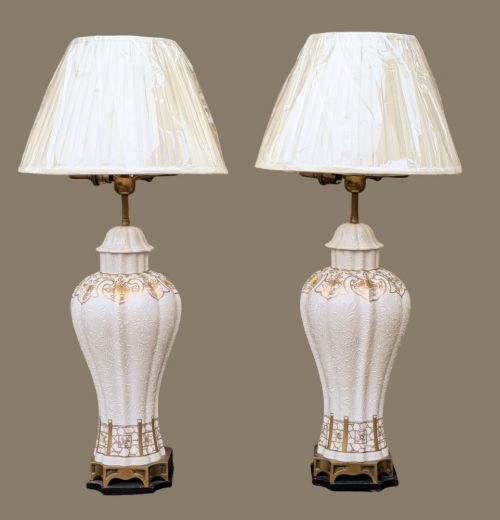
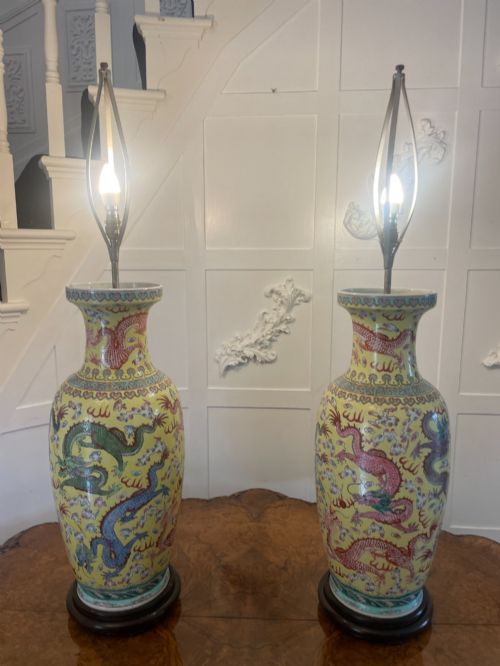
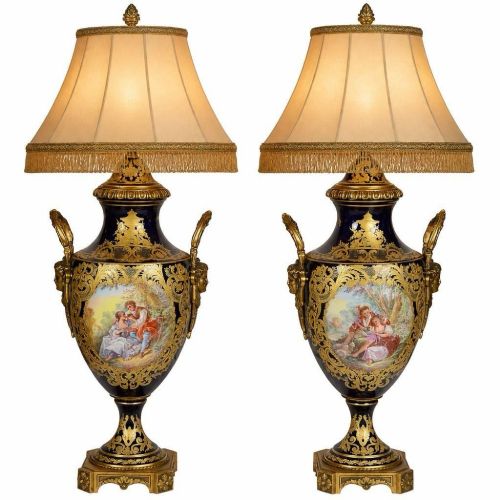



Pair Porcelain Vase Lamps
These pair porcelain vase lamps transform historic ceramic vessels into balanced domestic lighting through skilled mounting.
Pair Porcelain Vase Lamps
A pair porcelain vase lamps brings symmetry and height to a room, using matched ceramic vessels that originate primarily from nineteenth-century Chinese export workshops or Japanese Meiji kilns alongside European porcelain traditions.
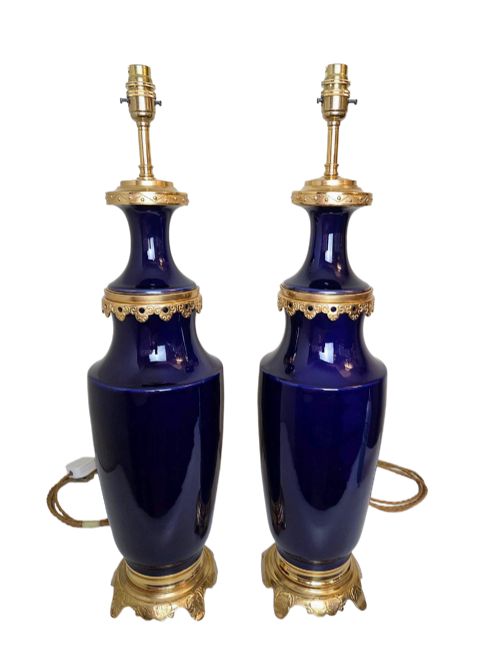
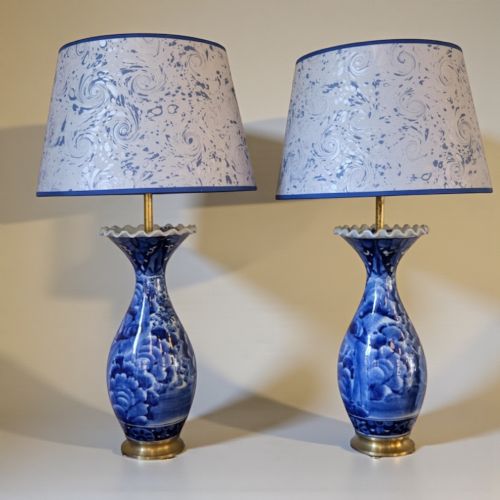
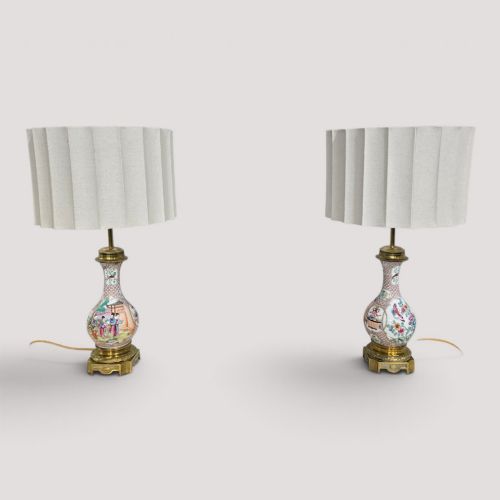
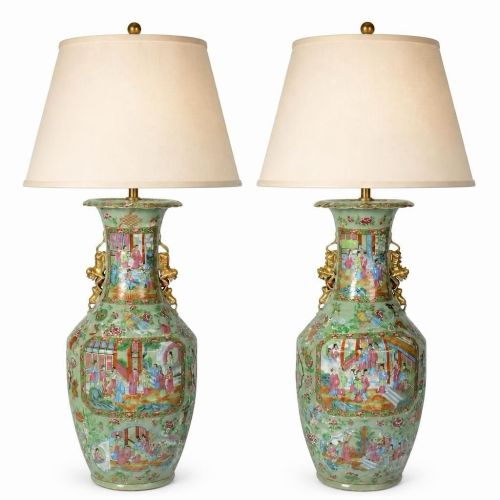
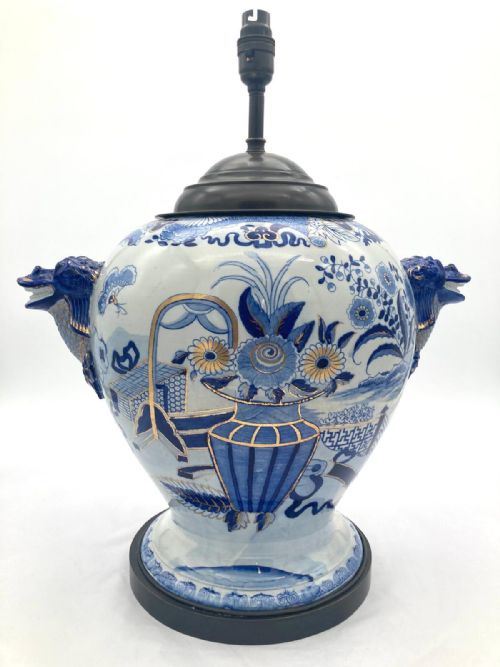
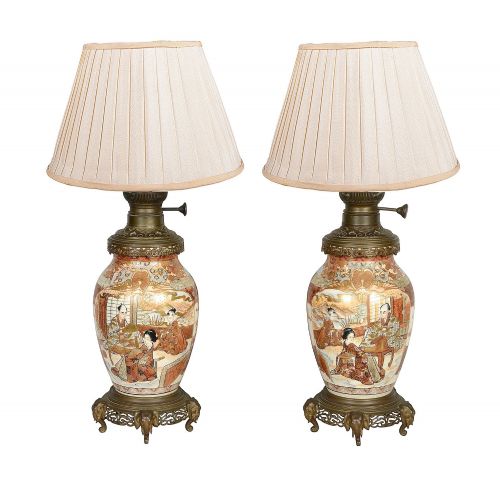
The most common examples on this page are converted nineteenth-century ginger jars and baluster vases painted in Famille Rose, blue and white, or Satsuma palettes, adapted with electrical fittings for table placement.
Makers often utilised exported vessels from Qing dynasty kilns or French Sevres style bodies, pairing the glazed ceramic with bespoke bases and shades to function as domestic lamps.
Materials and construction
The primary bodies utilise porcelain, ceramic, or ironstone, shaped into jars and vases before receiving hand-painted enamel decoration in polychrome or cobalt blue.
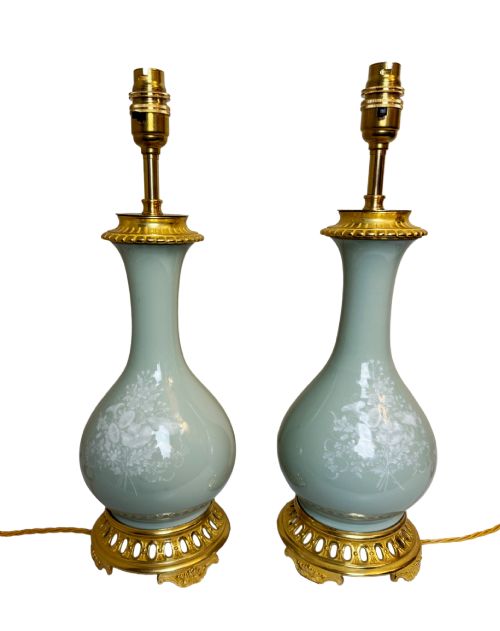
Metal mounts cast in brass or ormolu secure the upper and lower portions of the vessels, bridging the historic ceramic body with modern electrical components and fabric or silk shades.
Pair Porcelain Vase Lamps Retail Price Guide 2026
Typical asking prices for pair porcelain vase lamps among the pieces listed under this phrase on Sellingantiques today, from the lower quarter to the upper quarter. They describe what is for sale here now, not the wider market.
Listings feature porcelain, brass, ormolu, and silk materials across nineteenth-century styles including Chinese Export, Chinoiserie, and Japanese Meiji.
Quality factors
The standard of a pair porcelain vase lamps rests upon the precision of the hand-painted detail on the ceramic surface and the harmony of the matched pair.
The integration of the metal mounts, whether gilt bronze or brass, determines the architectural finish, alongside the weight and clarity of the original porcelain body.
Hicks and Meigh·Sevres
The Pair Porcelain Vase Lamps Glossary
- Famille Rose
- A palette of opaque pink and rose enamels introduced in Chinese porcelain during the Qing dynasty. It allowed artists to render delicate floral and figurative scenes.
- Ormolu
- Gilded brass or bronze applied as decorative mounts to the base and neck of porcelain vessels. It adds structural weight and a polished metallic accent.
- Satsuma
- Japanese earthenware featuring a crackled ivory glaze decorated with intricate polychrome and gilt patterns. These pieces were frequently adapted into lamps.
- Baluster
- A vase shape with a rounded body tapering down to a narrow base and flared neck. This silhouette provides a stable foundation for lighting conversions.
- Celadon
- A transparent pale green glaze over a porcelain body, prized for its subtle jade-like appearance. It originates from long traditions in East Asian kilns.
Pair Porcelain Vase Lamps: Frequently Asked Questions
Can I replace the lampshades?
Replacement shades can be fitted provided the shade carrier and fitter ring match the existing harp or gallery dimensions. Selecting proportional heights and neutral fabric tones ensures the matched ceramic bases remain the visual focus of the pair.
Consider the weight and opacity of silk or fabric materials to maintain balanced light diffusion. Matching the scale of historical vessels requires careful measurement of the upper metal mounts.
How do I identify the period?
Examine the style of the painted decoration, glaze characteristics, and the nature of any metal mounts. Nineteenth-century Chinese export pieces and Japanese Meiji period ceramics often display distinct palette choices and crackleware textures.
French or European mounts from the Regency era or late nineteenth century provide additional chronological markers. Compare the porcelain body weight and hand-painting techniques with established archival examples.
Where should I place them?
Position the matching pair on large sideboards, mantelpieces, or bedside tables where symmetrical placement creates balanced illumination. Their height and decorative presence suit principal reception rooms or hallways.
Ensure the placement allows safe routing of electrical cords away from foot traffic. Position them near stable surface areas where the combined weight of porcelain and metal mounts is fully supported.