

Vintage Ceramic Pair
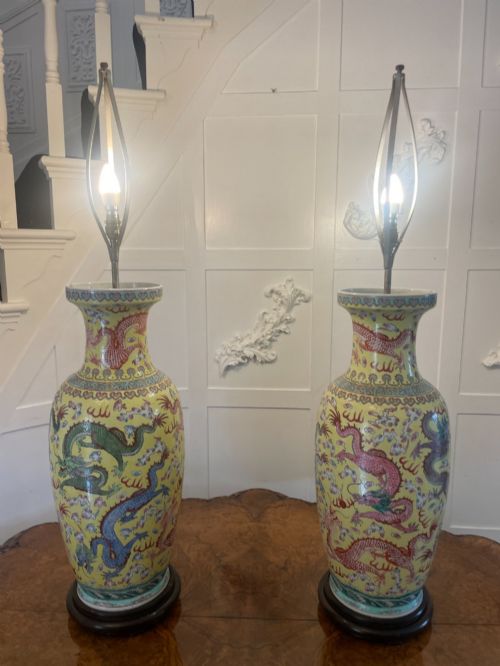
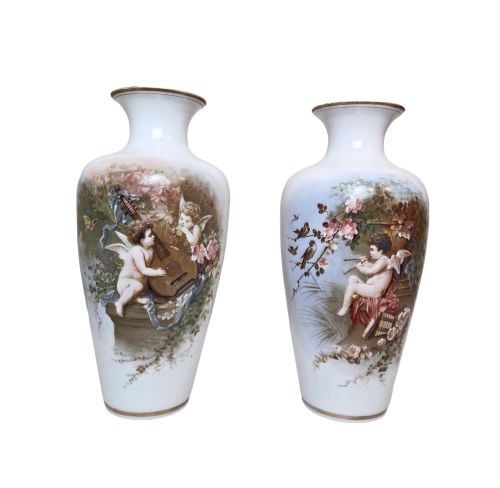
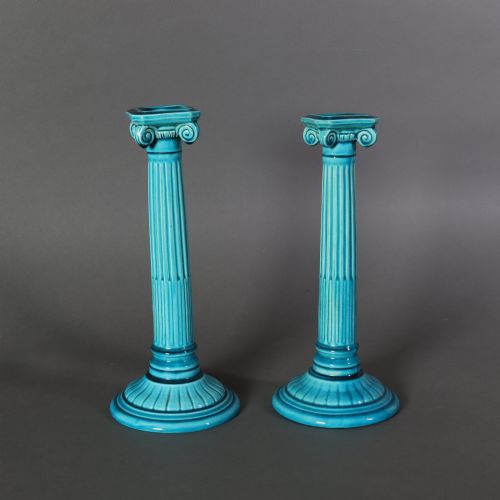
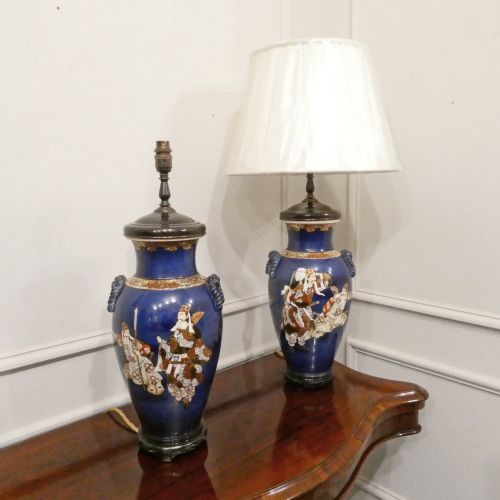
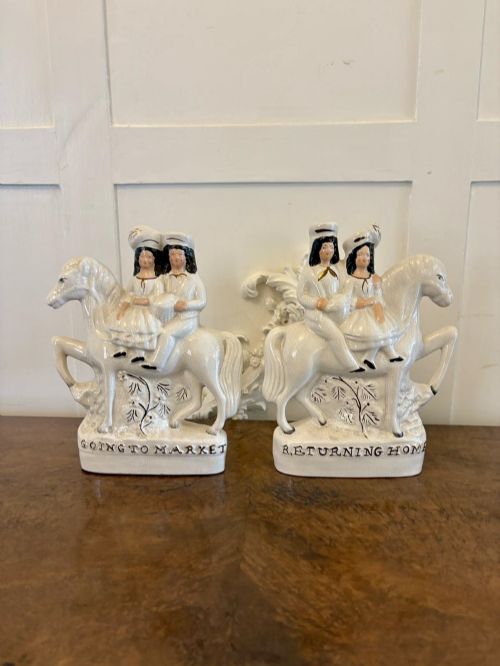
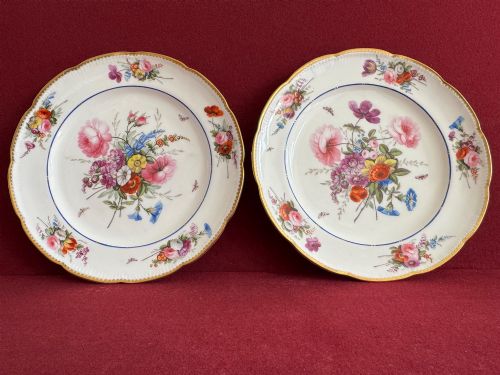
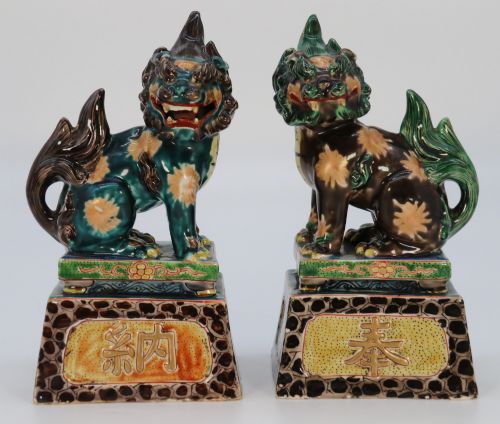
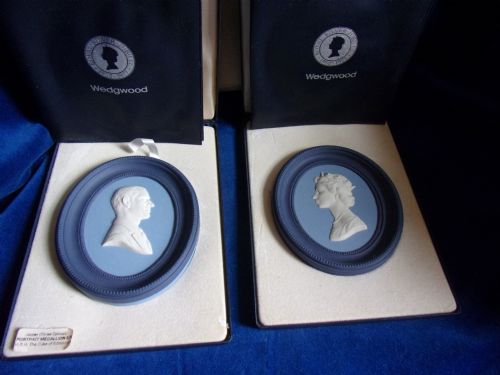
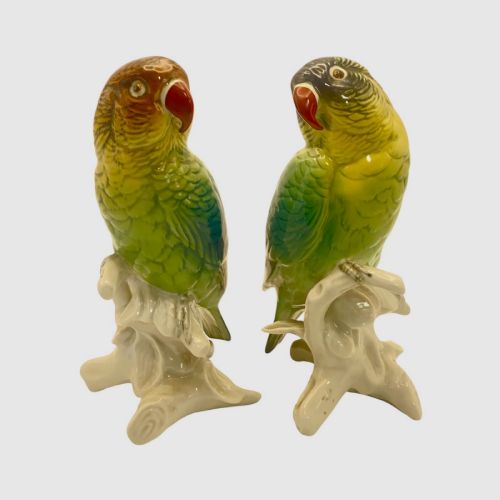
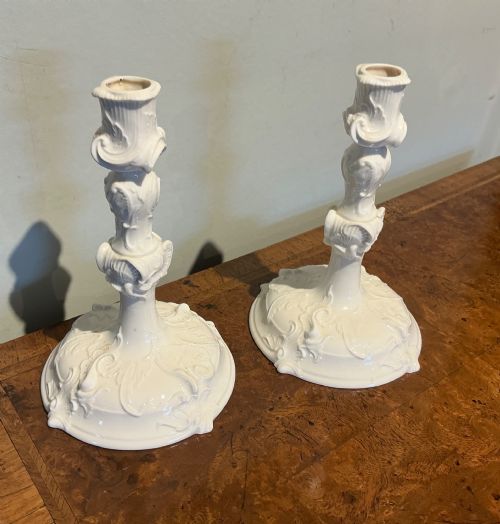
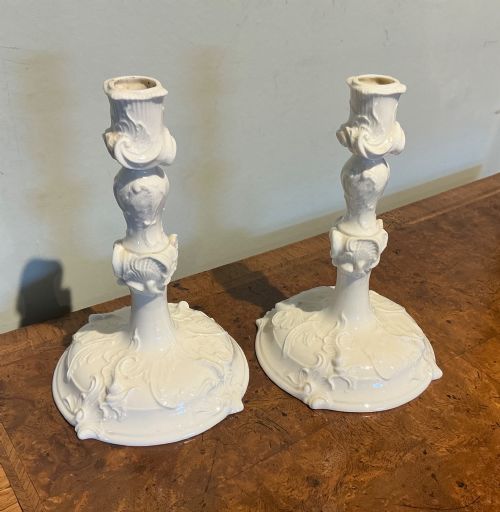
These vintage ceramic pair pieces bring symmetry to a room, offering matched forms that range from Staffordshire dogs to Satsuma vases.
Vintage Ceramic Pair
A vintage ceramic pair provides the balanced symmetry sought after by interior designers and collectors alike. When searching for a vintage ceramic pair, buyers encounter matched sets serving utilitarian or purely decorative functions across domestic spaces.
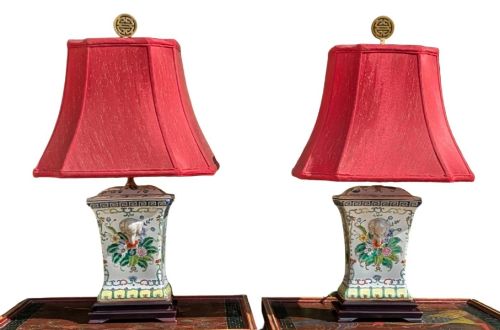
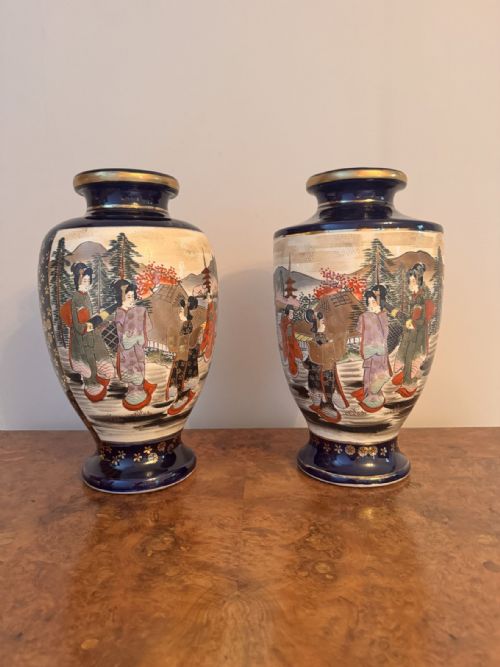
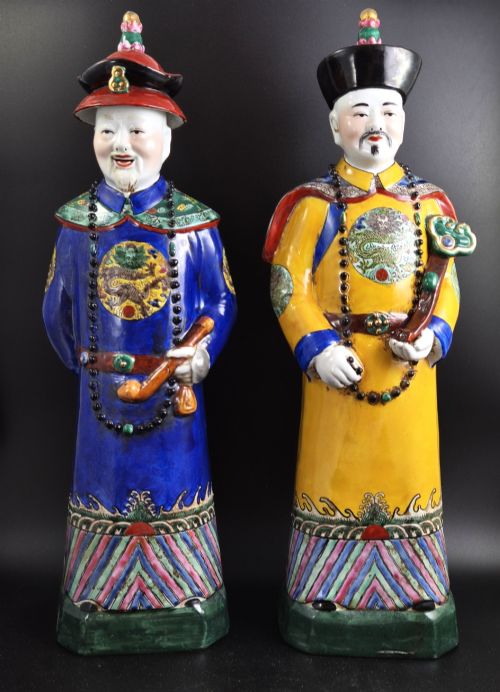
The selections span distinct forms including table lamps, vases, figurines, and cabinet plates. Pieces originate from diverse international traditions, moving from British earthenware and Staffordshire animals to Japanese Satsuma and Chinese porcelain.
Dated examples stretch from the nineteenth century through the art deco decades of the twentieth century. These objects function in pairs to anchor mantelpieces, sideboards, and paired bedside tables.
Materials and construction methods
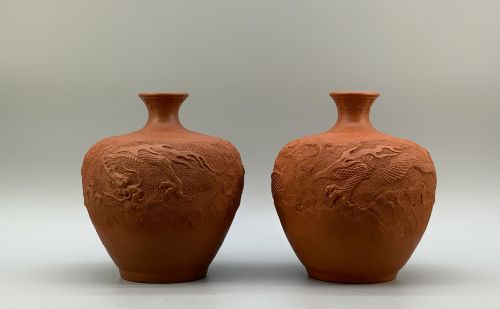
Makers utilised ceramic bodies including porcelain, earthenware, stoneware, and terracotta. These clay bases were shaped either by hand sculpting or through casting and throwing on a potter's wheel.
Surfaces received applied decoration through hand painting, transfer printing, or glazing in blue and white, polychrome enamels, and rich monochrome tones. Certain items incorporate subsidiary materials such as gilt bronze trim, ormolu mounts, brass, and ebonised bases.
Materials span porcelain, earthenware, stoneware, terracotta, and cloisonné enamel.
Distinctions in quality
Quality rests in the crispness of the modelling and the precision of the hand-painted or enamelled detail. Superior examples display control in high-temperature kiln firings, resulting in stable glazes without running or blistering.
The integrity of a matching set relies on both pieces retaining uniform scale, matching colour saturation, and corresponding maker marks. Alterations, such as drilling pottery bodies for electrical lamp conversion, influence the character of the piece.
Karl Ens·Nymphenburg·Edmé Samson·Royal Doulton·Royal Crown Derby·Spode·Boch Freres·Sherwin and Cotton·Royal Worcester·Hicks and Meigh
The Vintage Ceramic Pair Glossary
- Earthenware
- A porous pottery body fired at lower temperatures, typically finished with an opaque glaze or enamel. It requires glazing to become impermeable to liquids.
- Porcelain
- A fine, vitrified ceramic material made from kaolin and petuntse, fired at high temperatures until white and translucent. It rings when struck and resists scratching.
- Imari
- A Japanese export porcelain style characterised by underglaze blue and contrasting iron red, accented with gilt details. The palette remains vibrant and distinct.
- Majolica
- A type of earthenware coated with an opaque tin-lead glaze and painted with metallic oxide colours. It produces rich, saturated hues popular in nineteenth-century decorative items.
- Cloisonné
- A metalwork technique adapted to ceramics where wire compartments are filled with enamel paste and fired. The resulting surface shows distinct coloured cells separated by thin metal lines.
Vintage Ceramic Pair: Frequently Asked Questions
How do I date a ceramic pair?
Dating relies on identifying factory marks, stylistic traits of the period, and the nature of the glaze or body material. Reference books and comparable marked examples help narrow the production decade.
Changes in manufacturing techniques from the nineteenth century into the twentieth century also provide clues to the age of the pieces.
Are converted lamp pairs still valuable?
Many large vases and flagons were converted into table lamps during the twentieth century. While collectors of pure ceramics often prefer unconverted items, lamp conversions remain popular for domestic interior use.
The quality of the original ceramic body dictates the overall appeal and worth of the converted pair.
How should I clean antique ceramic pairs?
Dusting with a soft, dry brush or cloth is generally sufficient for regular maintenance. Avoid harsh chemical cleaners or submerging pieces with vulnerable overglaze enamels or metal mounts in water.
Hand-painted details and gilt highlights can wear away over time if subjected to abrasive cleaning methods.
What is the difference between earthenware and porcelain?
Earthenware is a coarser, opaque pottery body fired at lower heat and finished with glaze to hold water. Porcelain is vitrified, dense, and non-porous, often showing translucency when held to the light.
Porcelain withstands higher temperatures during manufacture and tends to resist chipping better than softer earthenware.