
Vintage Ceramic Painted Vase
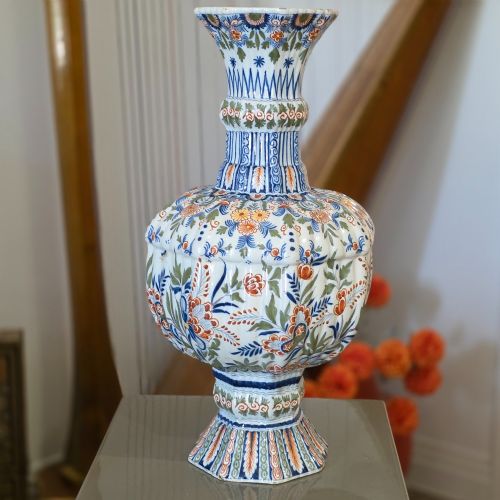
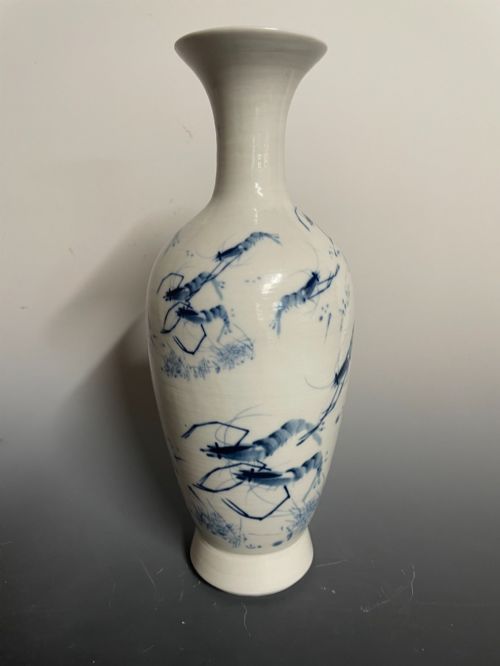
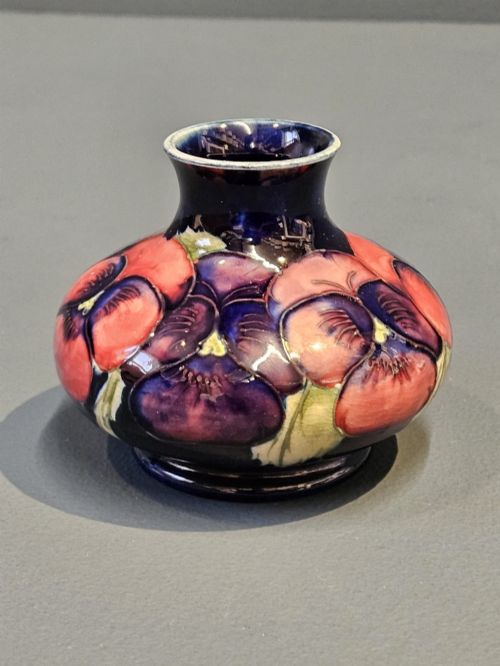
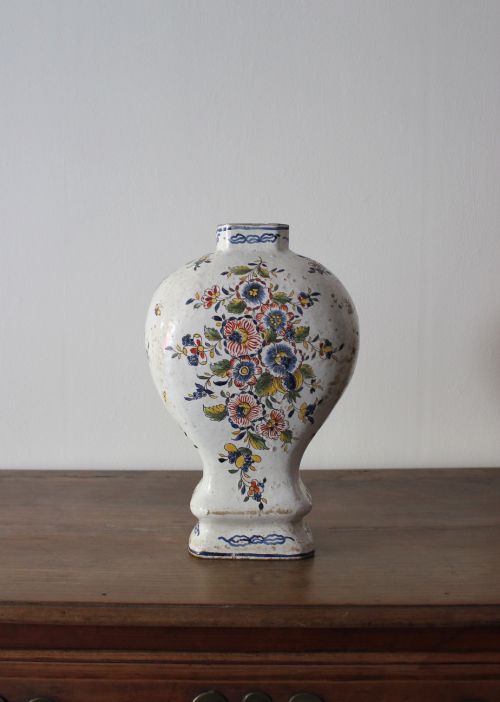
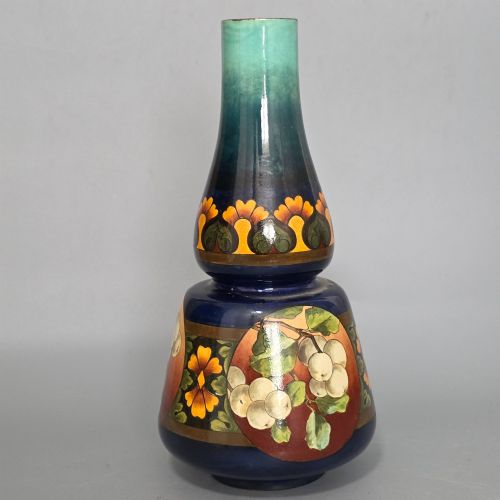
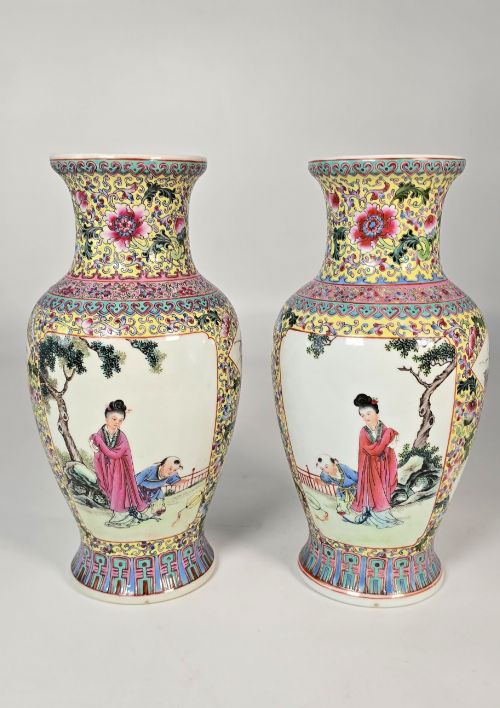
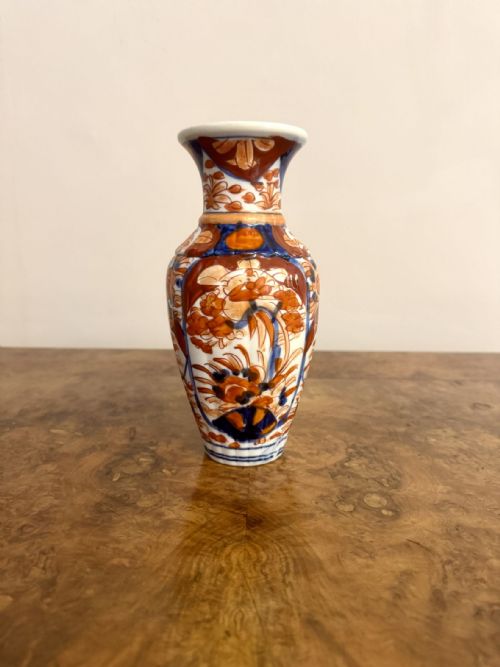
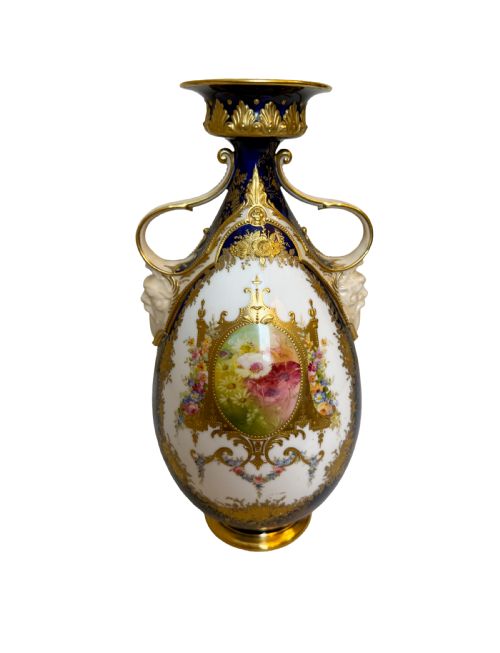
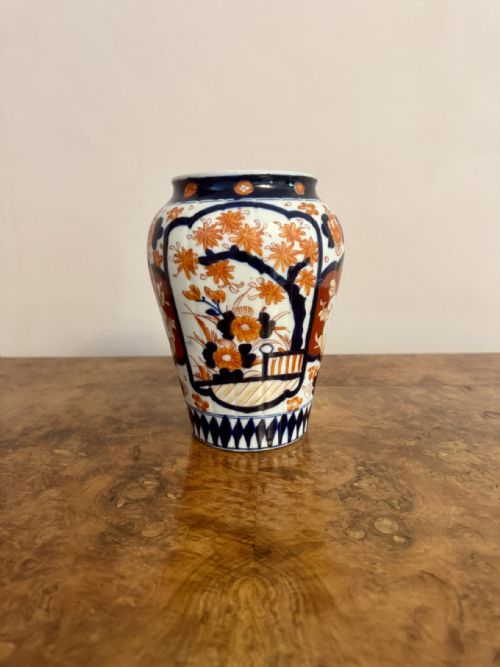
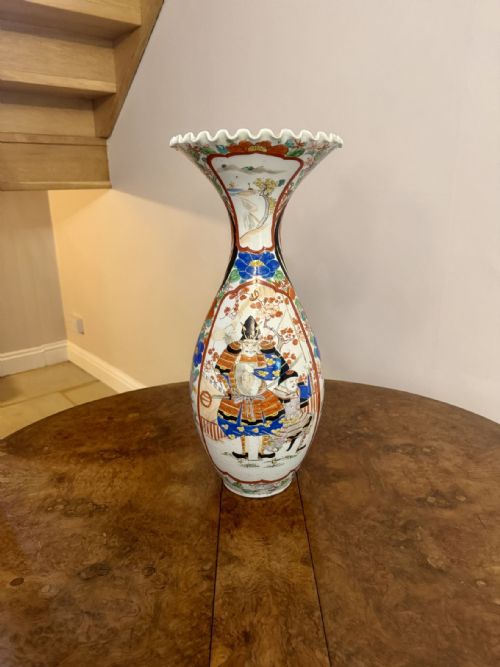
A vintage ceramic painted vase brings hand-applied colour and period domestic character to a room, drawing the eye through painted floral and figural detail.
Vintage Ceramic Painted Vase
A vintage ceramic painted vase encompasses diverse historical periods, ranging from eighteenth-century delftware to twentieth-century art pottery and porcelain pieces. Buyers searching for a vintage ceramic painted vase encounter objects formed in earthenware, stoneware, and fine porcelain, often decorated with hand-applied pigments.
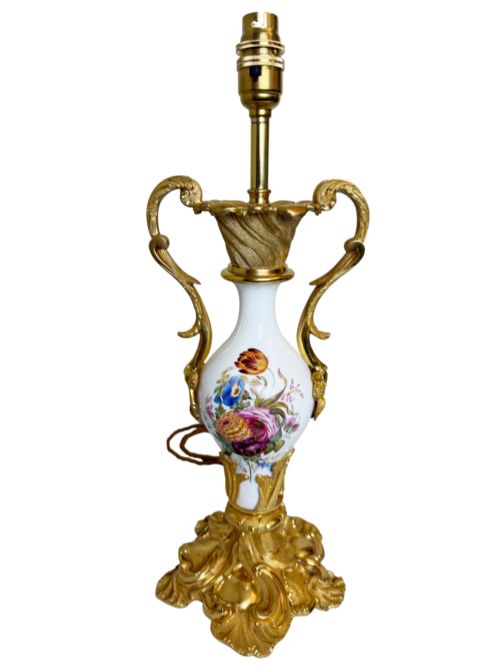
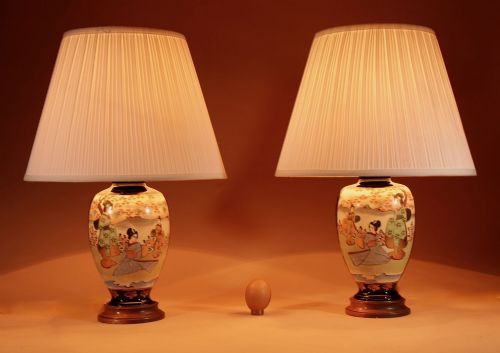
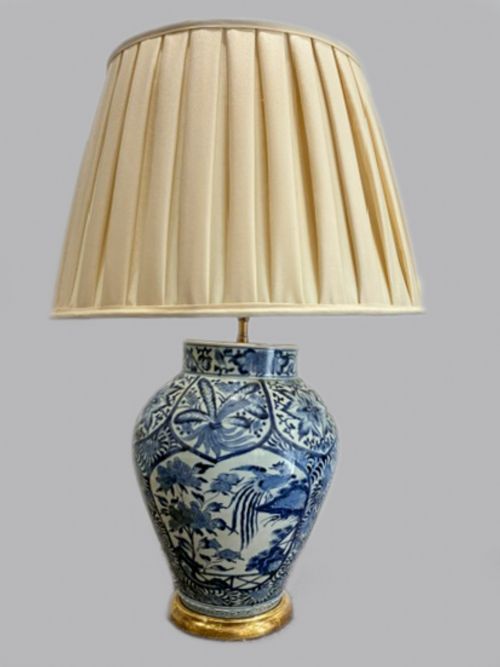
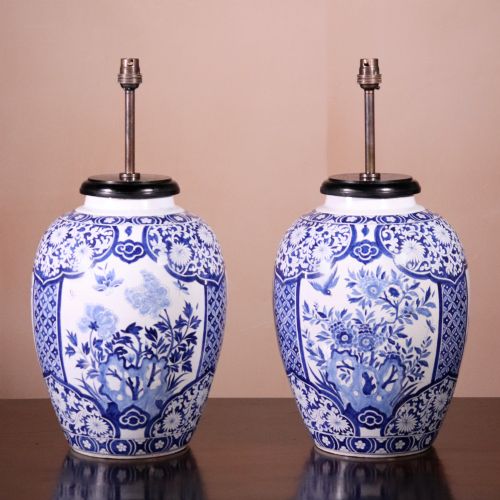
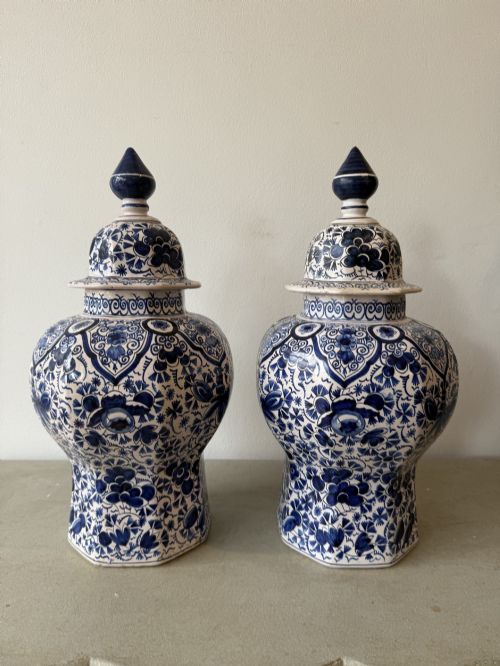
The selections span international traditions, including English factories, Japanese Imari and Satsuma workshops, and continental European makers. Many examples take the form of decorative urns, lidded jars, and vessels later converted into table lamps.
Pieces from the nineteenth and early twentieth centuries dominate the selection, showing styles from Art Nouveau and Art Deco to traditional blue and white painting. Each item reflects the aesthetic preferences of its specific period, whether produced for domestic display or export.
Materials and production methods
Potters shaped ceramic bodies using earthenware, faience, and hard-paste porcelain, applying liquid glazes to seal the surface before firing. Artisans then hand-painted designs directly onto the biscuit or glazed surface using metallic oxides and ceramic enamels.
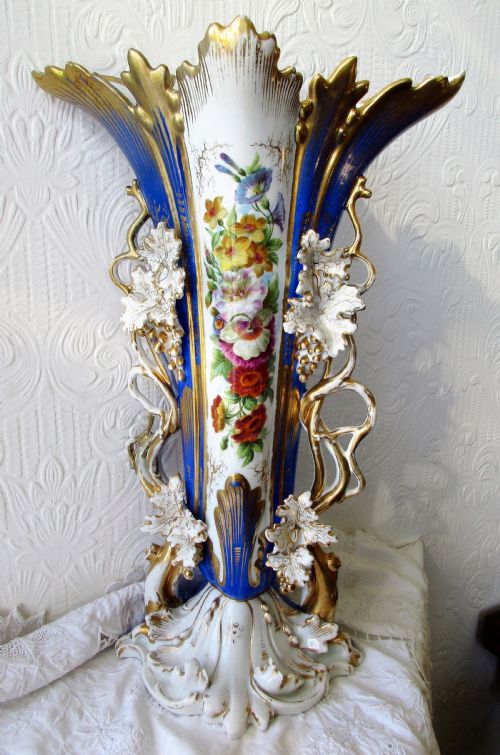
Selected pieces incorporate additional decorative embellishments such as gold leaf, brass mounts, and detailed gilding to highlight moulded handles and rims. Firing techniques varied according to the medium, from low-temperature earthenware kilns to high-firing porcelain furnaces.
Current listings feature ceramics spanning the eighteenth to the twentieth centuries, including earthenware, porcelain, and glazed stoneware.
Assessing quality and execution
Quality rests in the precision of the hand-painting, where the skill of the artist determines the crispness of floral motifs and figural scenes. Superior pieces display confident brushwork and well-balanced compositions that integrate harmoniously with the form of the vessel.
The refinement of the ceramic body and the stability of the glaze further distinguish standard production from exceptional studio and factory output. Well-preserved painted surfaces retain their original pigment depth without excessive rubbing or loss to the enamel and gilding.
Royal Doulton·Royal Worcester·H and R Daniel·Minton·TG Green
The Vintage Ceramic Painted Vase Glossary
- Imari
- A style of Japanese porcelain decorated in underglaze blue and overglaze red, gold, and other colours. This distinctive palette became popular in European export markets during the late seventeenth century and later periods.
- Faience
- Tin-glazed earthenware produced in Europe, particularly associated with French and English workshops. The opaque white glaze provides a smooth ground for painted decoration.
- Garniture
- A set of three or more matching vases or jars designed to be displayed together on a mantelpiece or sideboard. These matched groupings gained favour in European interiors during the seventeenth and eighteenth centuries.
- Pot Pourri
- A perforated vessel designed to hold scented dried flowers and spices for room fragrance. These decorated pots often feature pierced lids or covers.
- Intarsio
- A style of earthenware developed by Doulton Lambeth featuring colourful underglaze slip decoration. The technique creates rich, patterned surfaces reminiscent of inlaid wood.
Vintage Ceramic Painted Vase: Frequently Asked Questions
How do I date a painted ceramic vase?
Dating relies on examining the ceramic body, glaze characteristics, and painted motifs alongside any factory marks on the base. Stylistic clues such as Art Nouveau or Art Deco forms also help narrow the period of manufacture.
Changes in manufacturing techniques across the eighteenth, nineteenth, and twentieth centuries provide further benchmarks for establishing an approximate date of origin.
Can converted vase lamps be restored?
Many vintage vases were converted into table lamps by drilling through the base or adding electrical fittings. Reversing these alterations depends on the extent of the modification and the value of the ceramic body.
Consulting a specialist restorer helps determine whether removed components can be safely replaced without compromising the structural integrity of the antique.
How should I clean painted ceramic vases?
Dusting with a soft, dry cloth removes everyday surface particles safely without risking delicate overglaze enamels. Water and harsh cleaning solutions should be avoided on pieces with vulnerable gilding or cold-painted decoration.
Items showing signs of flaking pigment require professional conservation rather than domestic cleaning methods to preserve the remaining surface detail.
What is the difference between porcelain and earthenware?
Porcelain is fired at higher temperatures using fine white clay, resulting in a vitrified, non-porous body that often appears translucent. Earthenware uses coarser clay fired at lower temperatures, producing a porous, opaque material that requires a glaze for water tightness.
Hand-painted decoration reacts differently to each medium, sitting on top of porcelain glazes or sinking slightly into porous earthenware bodies during firing.