

Vintage Ceramic Dog Figurine
These vintage ceramic dog figurine examples capture canine character through enduring earthenware and porcelain forms.
Vintage Ceramic Dog Figurine
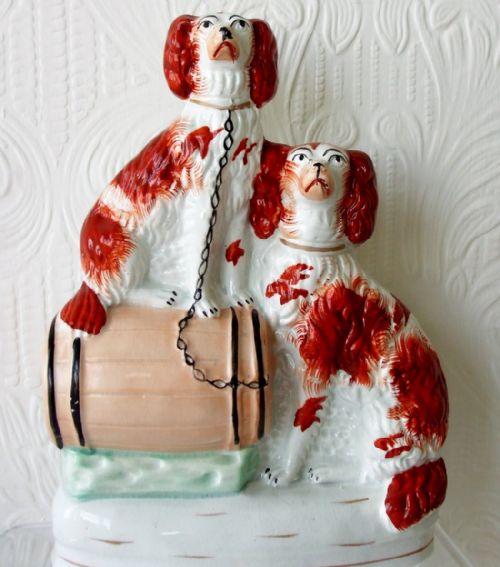
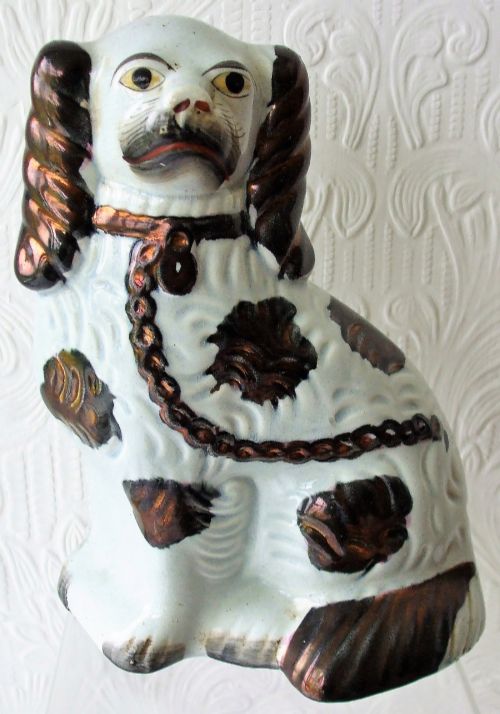
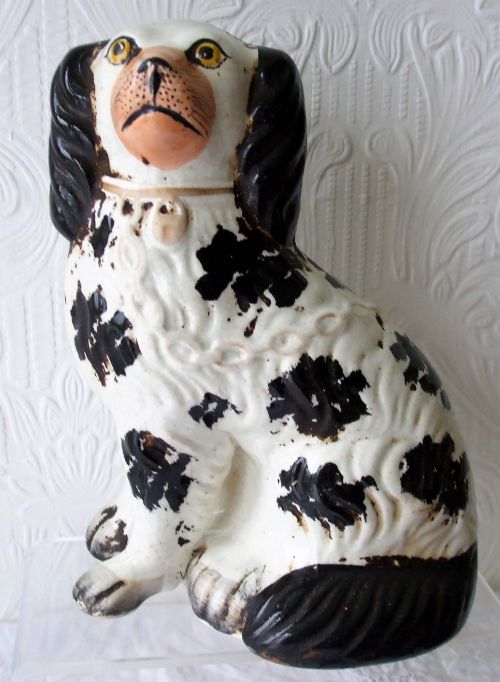
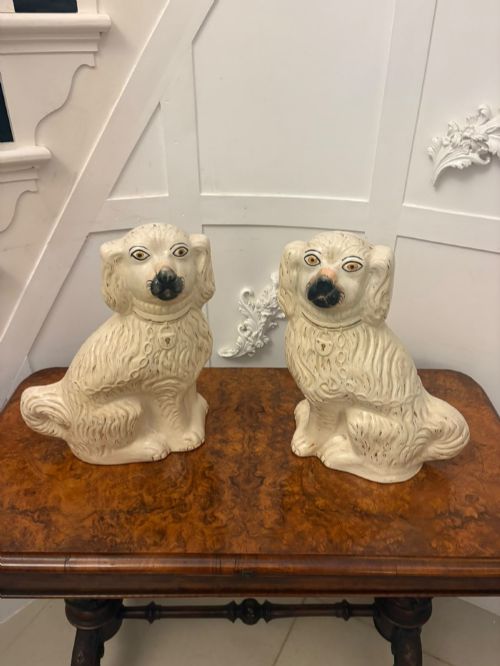
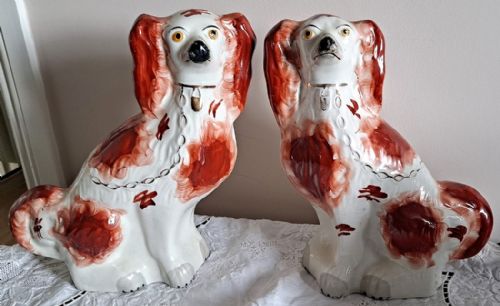
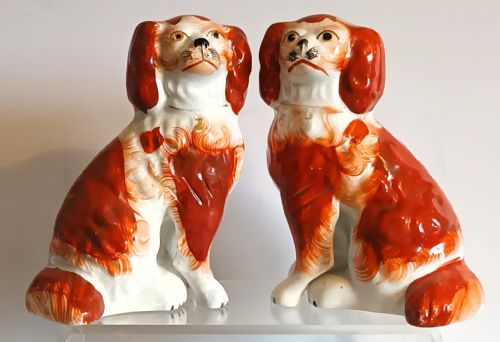
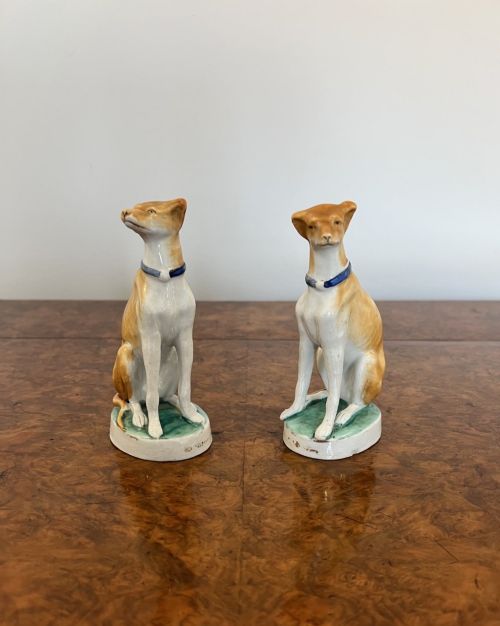
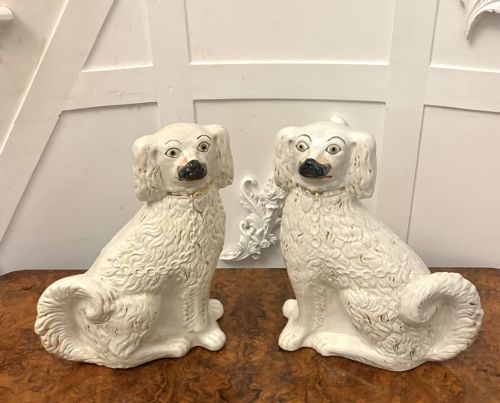
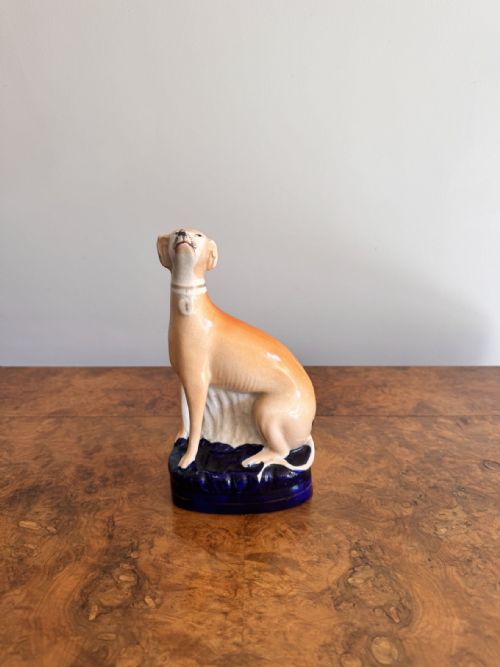
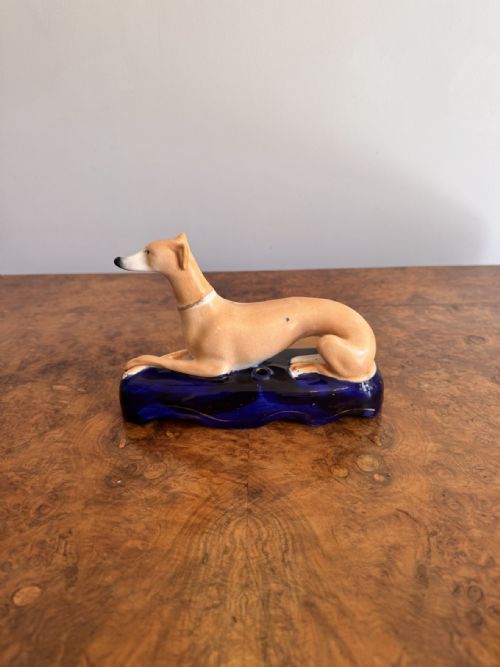
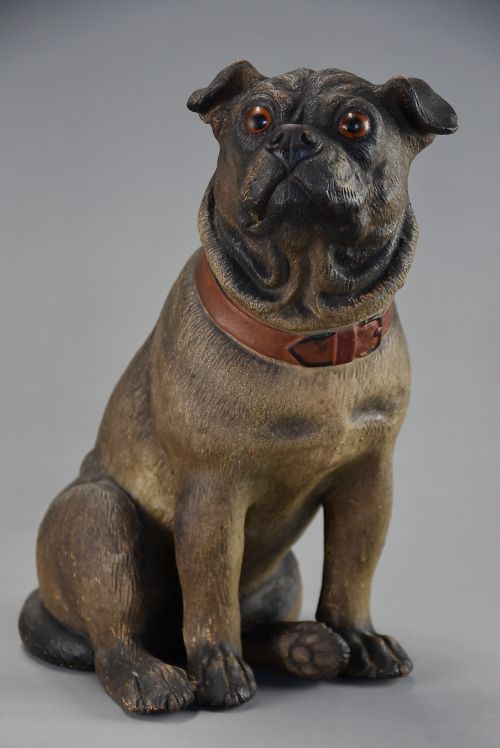
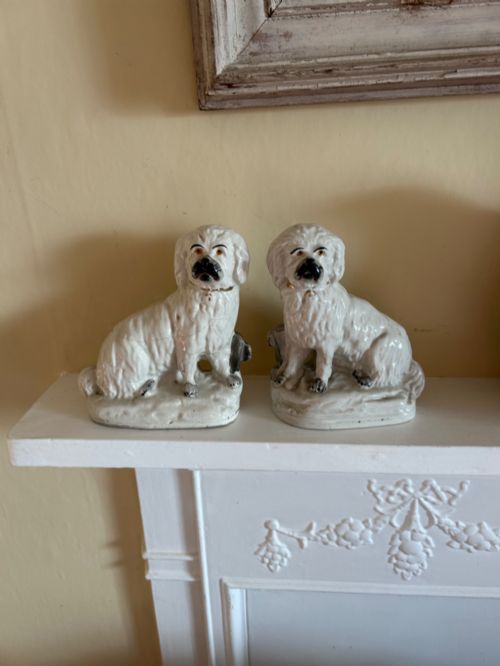
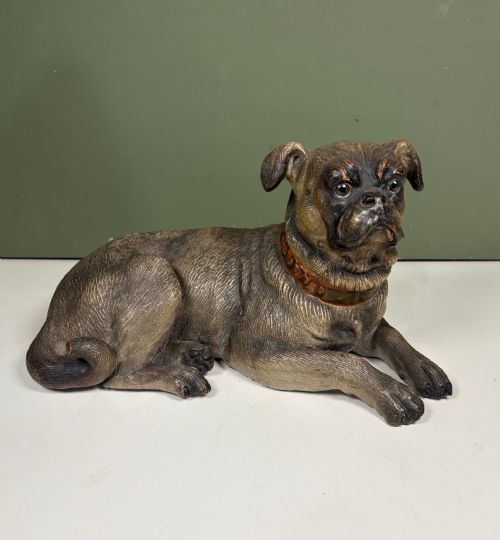
A vintage ceramic dog figurine search brings up sculptural depictions spanning the Victorian era through the early twentieth century. The most common finds on this page are Victorian Staffordshire spaniels, greyhounds, and pugs made as mantel ornaments.
Makers produced these decorative objects in pairs or single sculptures, sometimes incorporating functional elements like inkwells and quill holders. Continental porcelain and earthenware works also appear alongside English models, broadening the scope of breeds represented.
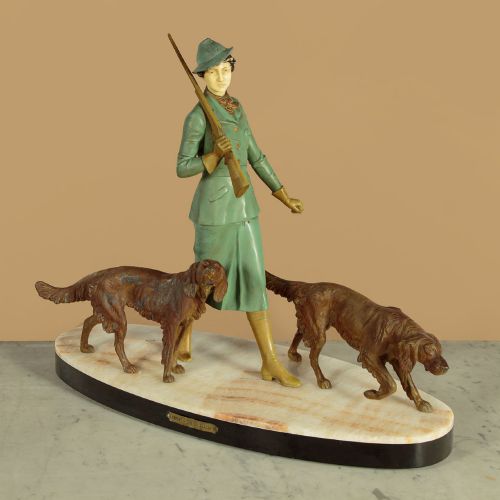
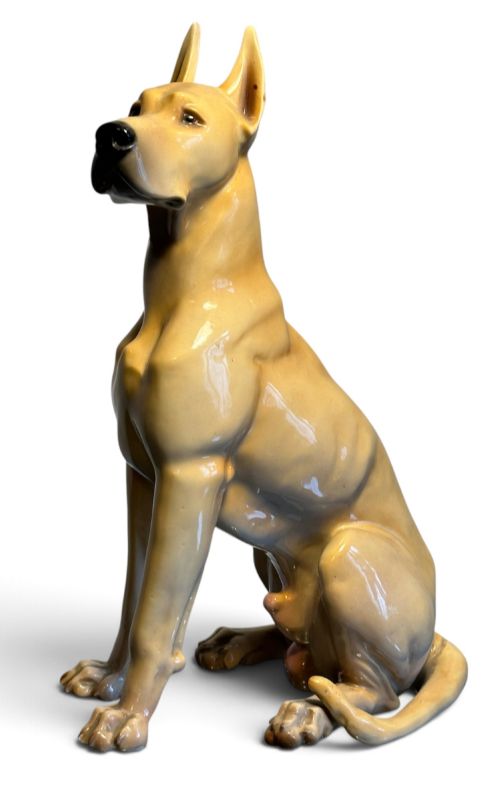
The selection ranges from life-size terracotta sculptures to miniature poodles and Japanese puppies. These varied forms reflect how different potteries interpreted canine subjects across the nineteenth and twentieth centuries.
Materials and Techniques
Potters shaped these figures using earthenware, terracotta, and porcelain, applying glazes and enamel colours to surface details. Many nineteenth-century examples feature painted highlights and gold leaf or gilt accents.
Moulds formed the basic body shapes for Staffordshire dogs and continental porcelain figures, while finer details received hand-painted treatment. Artisans fired these ceramic works in kilns before applying decorative overglazes and metallic lustre.
Vintage Ceramic Dog Figurine Retail Price Guide 2026
Typical asking prices for vintage ceramic dog figurine among the pieces listed under this phrase on Sellingantiques today, from the lower quarter to the upper quarter. They describe what is for sale here now, not the wider market.
Listings feature earthenware, porcelain, and terracotta bodies across Victorian, Art Deco, and Edwardian periods.
Judging Quality
The application of glaze and enamel dictates visual depth, where superior examples exhibit rich colouration and well-preserved gilt details. Consistency in the ceramic body and clean moulding lines distinguish better workshop outputs.
Nymphenburg Porcelain·Derby porcelain·Rosenthal·Royal Dux·Wedg wood Co Ltd
The Vintage Ceramic Dog Figurine Glossary
- Staffordshire pottery
- Earthenware figures produced by numerous potteries in the Staffordshire region of England. These pieces frequently depict spaniels and greyhounds meant for display on mantelpieces.
- Comforter spaniel
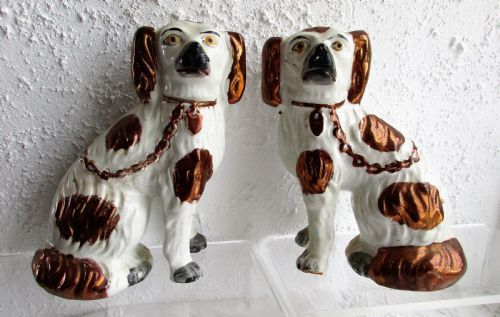
- A common term for Victorian Staffordshire spaniels modelled after Queen Victoria's own pet King Charles spaniels. They were typically sold in pairs to sit on either side of a fireplace.
- Terracotta
- A porous reddish-brown fired clay used for larger sculptural figures and models. It offers a heavier, matte alternative to glazed porcelain.
- Enamel
- Opaque vitreous material fused to the ceramic surface to add colour and pattern. It provides bright hues on porcelain and earthenware bodies.
- Lustreware
- Pottery treated with a metallic film that produces an iridescent sheen. Copper lustre is commonly found on certain nineteenth-century dog figures.
Vintage Ceramic Dog Figurine: Frequently Asked Questions
What are Staffordshire dogs?
Staffordshire dogs are ceramic figures made in English potteries during the nineteenth century. They mostly represent spaniels and were designed to sit on hearths.
Pairs of these dogs faced each other when placed on a mantelpiece. They remain popular decorative items for traditional interiors today.
How were these figures used?
These ceramic animals served primarily as mantel ornaments and decorative displays in Victorian and Edwardian homes. Some utilitarian versions also functioned as inkwells or quill holders.
Owners placed them in parlours and drawing rooms to display taste and fondness for pets. Their cheerful presence suited domestic spaces of the period.
Are these figures fragile?
Ceramic and porcelain dog figures require careful handling due to the nature of fired clay. Glazed surfaces and protruding parts like ears can chip upon impact.
Displaying them away from high-traffic edges protects them from accidental knocks. Dusting with a soft cloth keeps the glaze clean without causing damage.