



Vintage Central Asian Runner
A vintage central asian runner brings nomadic craftsmanship into domestic spaces through long, narrow bands of tribal geometry.
Vintage Central Asian Runner
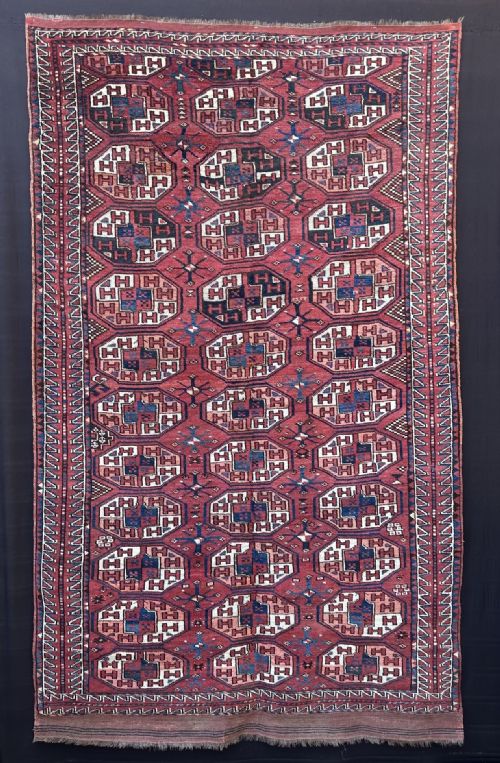
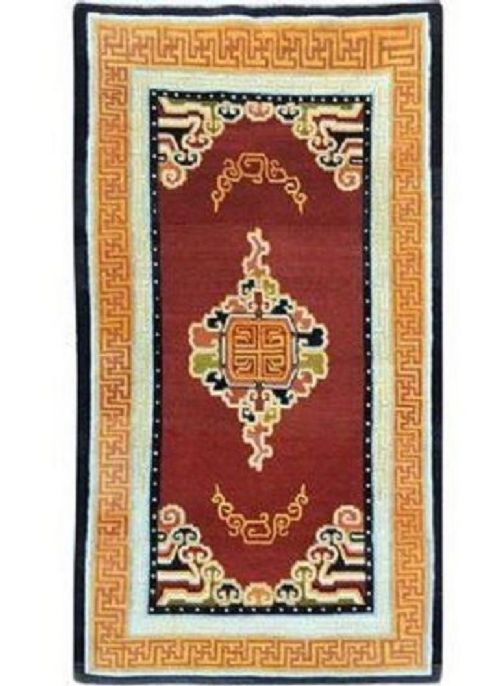
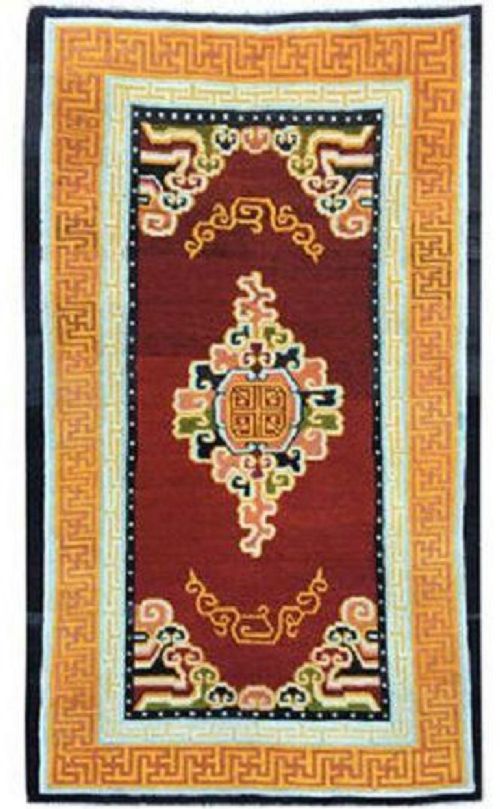
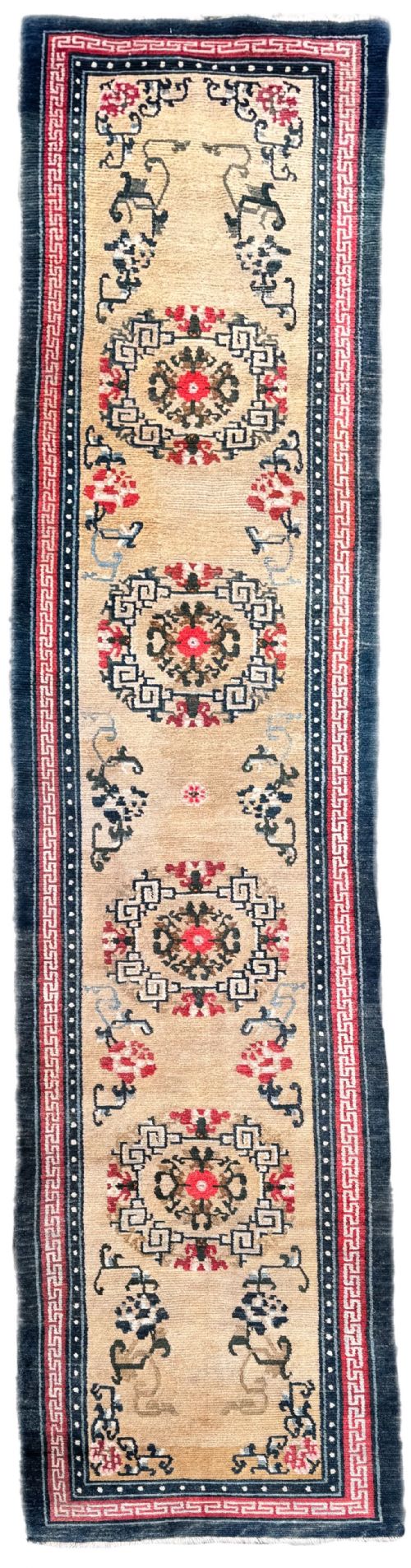
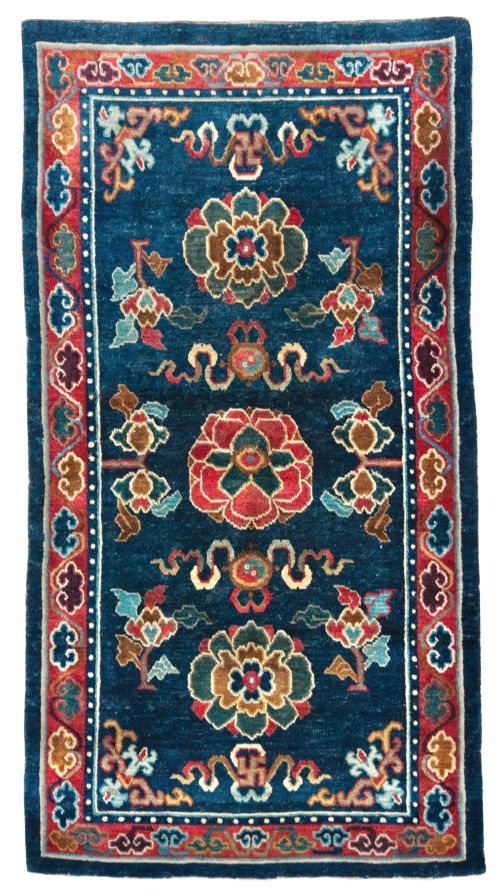
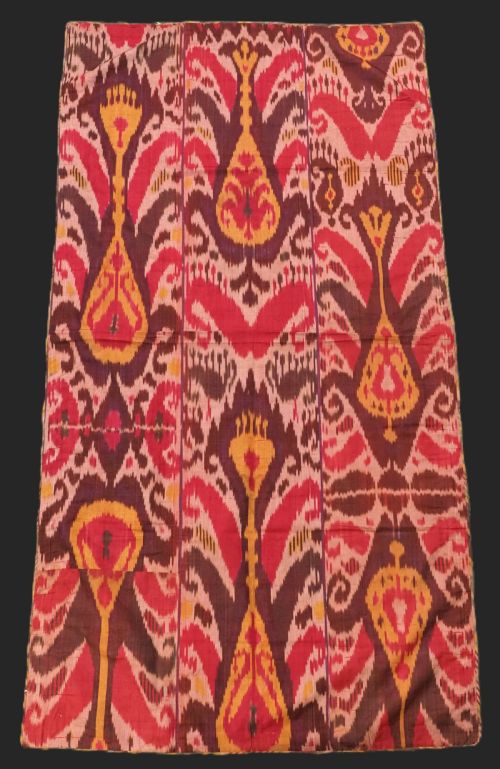
A vintage central asian runner is a narrow, elongated textile created by nomadic and tribal groups across Central Asia, designed originally for specific architectural spaces within tents and homes. These pieces serve primarily as floor coverings or decorative bands, measuring significantly longer than they are wide. When exploring this category, buyers encounter elongated formats from tribal traditions such as Turkmen, Uzbek, and Tibetan makers.
The selections available here span from the mid-nineteenth century through to the early decades of the twentieth century, capturing a period of traditional hand-weaving before industrial production took hold. Common forms include runner rugs, long kilims, and tent bands, each reflecting the utilitarian needs and artistic expressions of specific regions. The physical presence of these runners relies on repeated geometric motifs, field patterns, and border designs handed down through generations.
How they were made
Makers relied predominantly on hand-spun wool and cotton, utilising these natural fibres to construct durable foundations and plush pile surfaces. Some regional pieces incorporate silk, art silk, or mercerised cotton to introduce contrasting textures and luminosity against matte wool grounds. Wool felt also appears in specific textile panels, providing a sturdy, non-woven base for embroidery.
Weaving techniques varied from pile knots to flat-woven kilim structures and soumak wrapping, allowing artisans to achieve different weights and surface reliefs. Dyes were traditionally sourced from local plants and minerals, resulting in deep, saturated tones that soften gracefully over decades of light and use.
Listings feature pieces dated across the nineteenth and twentieth centuries, spanning from 1850 to 1930.
What varies in quality
Quality in these runners rests on the density of the weave and the precision with which intricate geometric motifs are executed across a long format. Finer knots or tighter flat-woven structures indicate a higher degree of artisan skill and greater structural longevity.
The handling of colour and dye saturation also separates standard utility pieces from exceptional works. Harmonious tonal fading and the use of resilient, hand-spun materials demonstrate superior material selection and workshop mastery.
The Vintage Central Asian Runner Glossary
- Kilim
- A flat-woven carpet or rug produced without a pile, created by tightly interweaving warp and weft threads. These textiles are known for their lightweight versatility and sharp geometric patterns.
- Soumak
- A flat-weaving technique where coloured weft threads are wrapped around the warp threads in a continuous sequence. This method produces a textured, braided surface that is thicker and more durable than a standard kilim.
- Torba
- A small, wide storage bag traditionally used by nomadic tribes in Central Asia to store household goods inside a yurt. They feature ornate face designs meant to be displayed publicly.
- Ensi
- A specific type of carpet traditionally hung over the doorway inside a Turkmen tent. They typically feature a cross-shaped division of the field.
- Khaden
- A traditional Tibetan rug format often used as a sleeping mat or seating rug. These pieces frequently display minimalist designs suited for domestic comfort.
Vintage Central Asian Runner: Frequently Asked Questions
Where were these runners used?
Nomadic weavers created these long runners to line the narrow corridors of tents, yurts, and traditional homes across Central Asia. Their proportions suited entryways, tent perimeters, and specific interior walkways.
Over time, these functional textiles transitioned into general domestic floor coverings, prized for their ability to bridge spaces and add linear structure to a room.
How do I care for a wool runner?
Regular, gentle vacuuming without a beater bar removes dust and prevents grit from settling deep into the wool pile or flat weave. Professional cleaning tailored for antique textiles ensures dyes remain stable and fibres are preserved.
Keeping the runner out of harsh, direct sunlight prevents natural dyes from fading unevenly across the long span of the piece.
How do I identify tribal designs?
Tribal designs are distinguished by specific repeat motifs, border structures, and colour palettes associated with groups such as the Tekke, Ersari, Yomut, or Uzbek weavers. Examining the structural construction and knotting style provides further clues to tribal origins.
Regional preferences dictated whether a runner featured stark geometric medallions, banded stripes, or elaborate prayer niches.
Are these runners made of pure wool?
Many examples feature hand-spun wool for both the pile and the foundation, ensuring structural resilience. Other pieces incorporate cotton warps or highlights of silk and mercerised cotton.
Fibre composition varies by region and purpose, with flat-woven kilims and embroidered panels utilising specialised combinations of felt, silk, and wool.