

Vintage Ceiling Shade
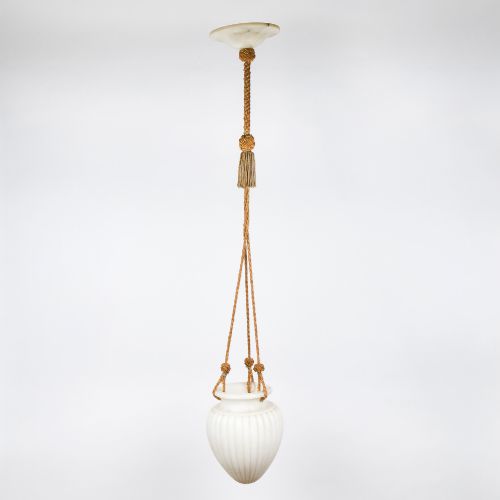
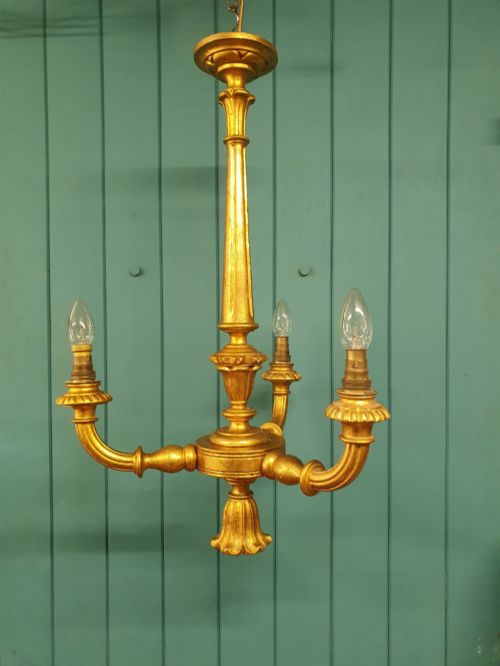
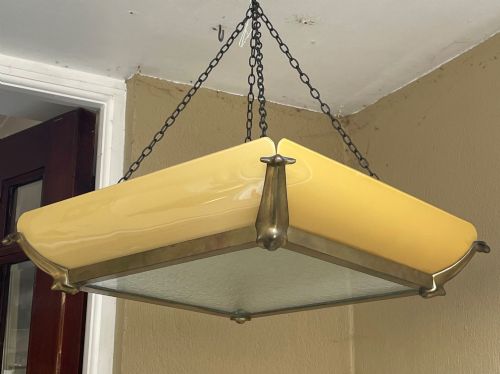
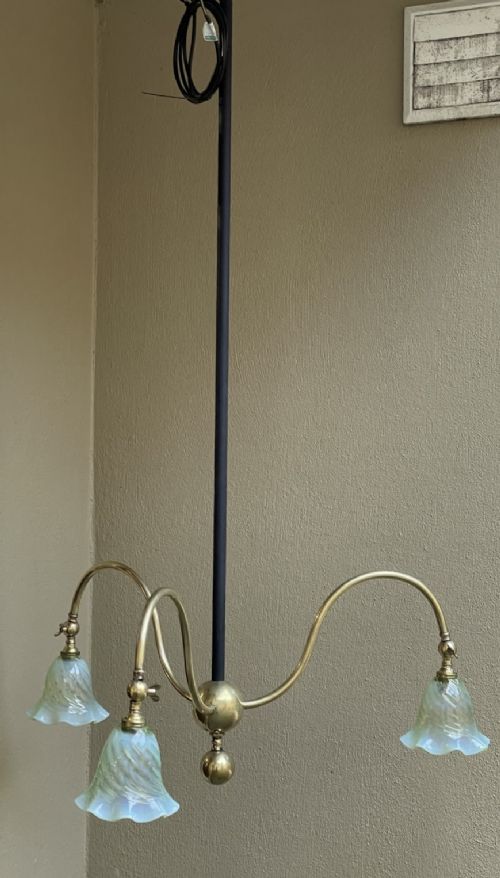
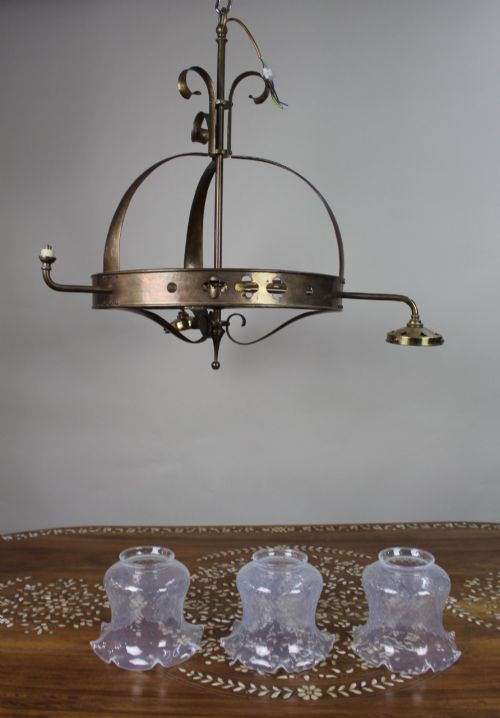
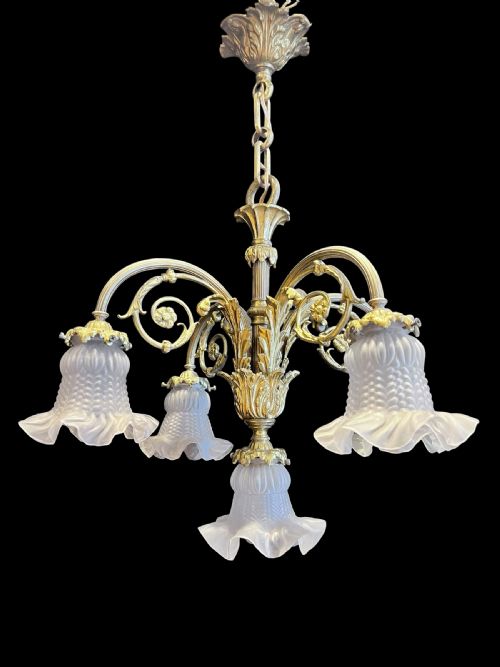
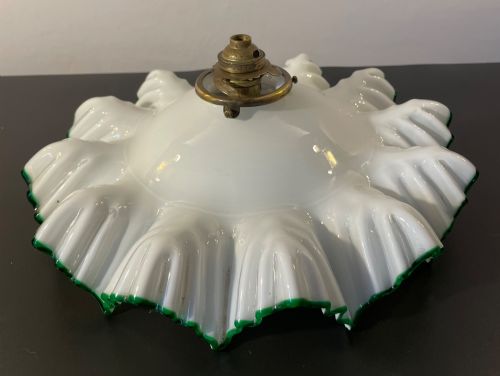
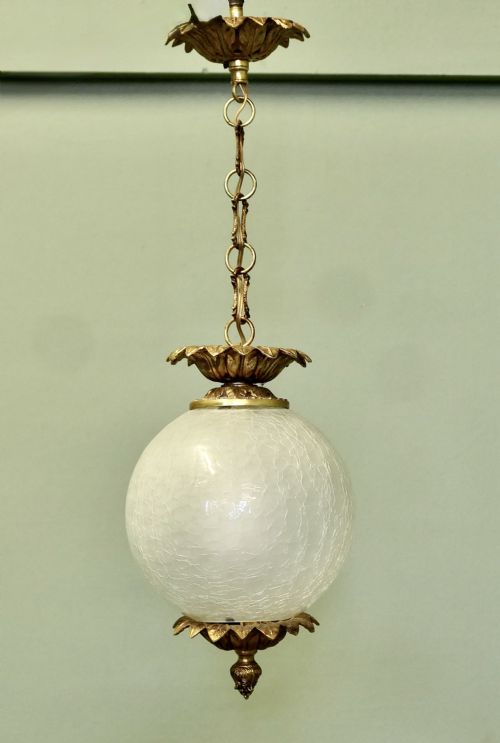
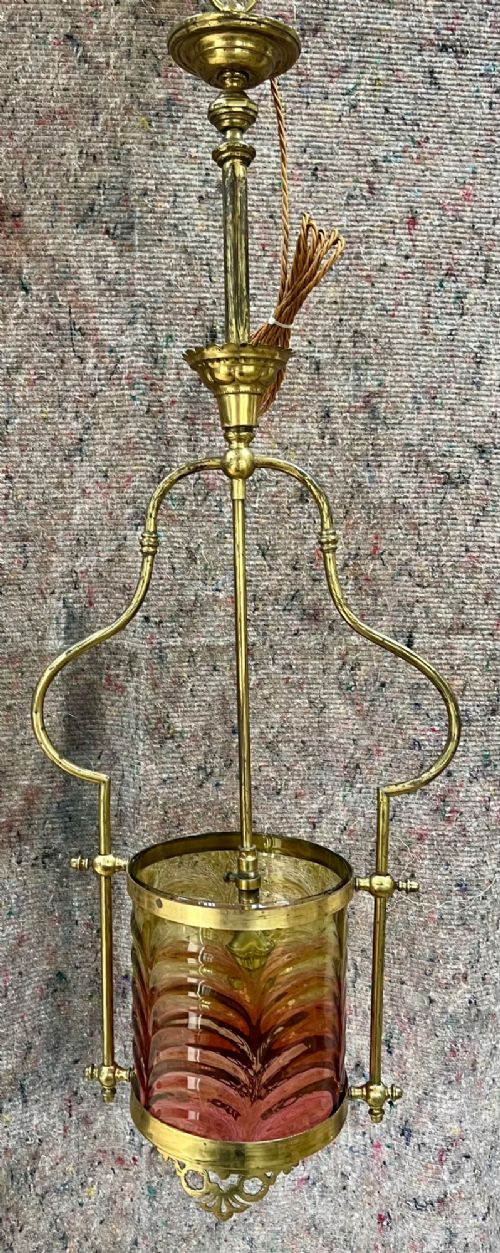
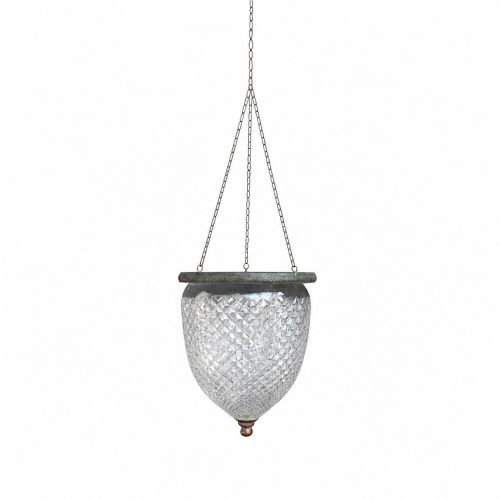
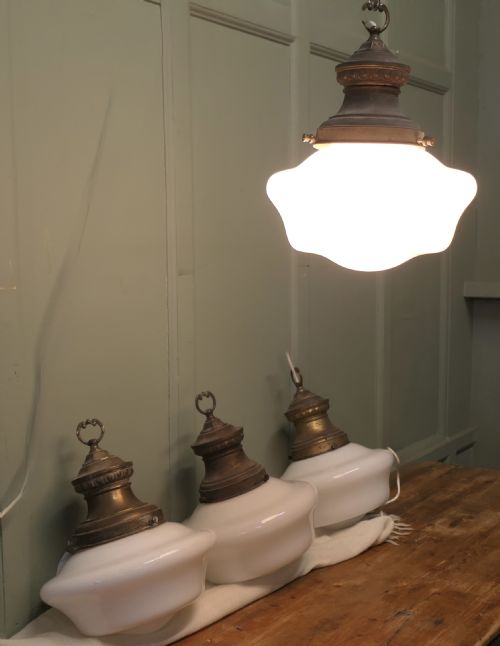
These vintage ceiling shade options span brass frames and moulded glass bowls, bringing period illumination directly into domestic spaces.
Vintage Ceiling Shade
A vintage ceiling shade provides overhead illumination while anchoring a room's character through historical design. When searching for a vintage ceiling shade, buyers encounter pendant lights, chandeliers, and individual lampshades suspended from domestic ceilings.
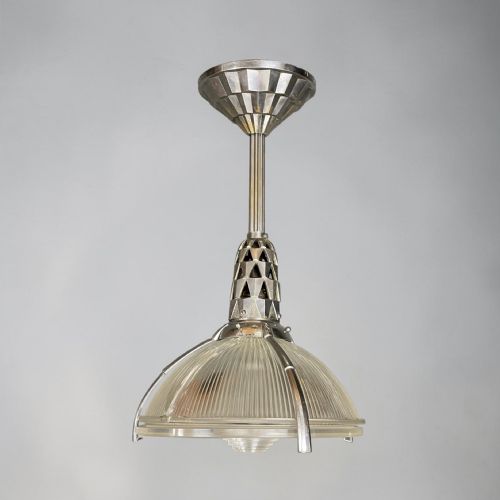
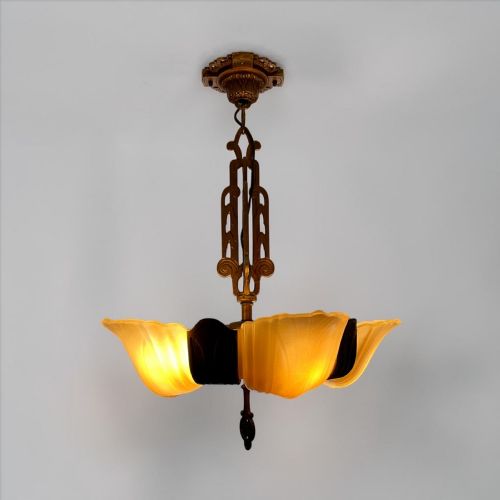
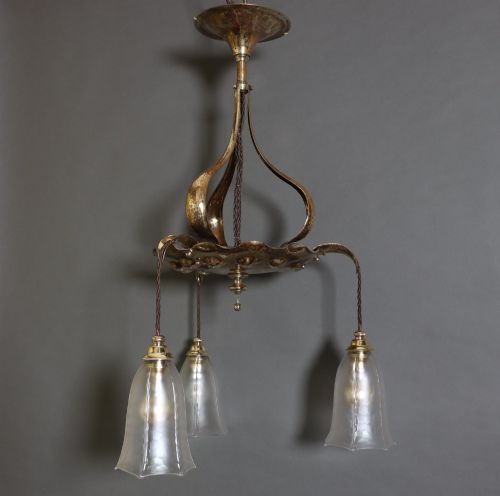
The selections on this page draw from periods spanning the Victorian era through the 1940s, with strong representation from the Edwardian years and the 1930s. Common forms include glass globes, prisms, dome tops, and multi-arm fixtures designed for interior illumination.
How they were made
Metalwork forms the structural skeleton of these fixtures, utilising brass, copper, and giltwood to build arms, mounts, and chains. Foundries shaped these metals through casting and spinning to support the weight of suspended glass.
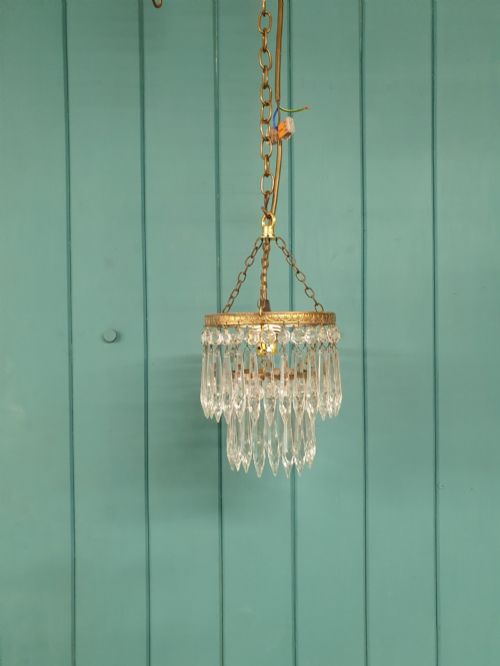
Glass components rely on techniques such as moulding, cutting, and frosting to diffuse light. Makers utilised opaline, moonstone, and crackle glass alongside leaded stained glass and crystal spikes to achieve varying levels of transparency and visual texture.
The documented periods stretch from the 19th Century and Victorian era through Edwardian designs to the height of Art Deco in the 1930s and 1940s.
What varies in quality
Quality rests upon the purity of the materials and the precision of the assembly. Heavy cast brass components and thick, hand-finished glass elements indicate superior manufacture compared to lighter, pressed alternatives.
The refinement of decorative detail distinguishes exceptional pieces. Finely carved wood, intricate leaded joints, and hand-painted motifs separate standard utilitarian lighting from high-status artistic commissions.
Émile-Jacques Ruhlmann·VESTARAY·Jefferson
The Vintage Ceiling Shade Glossary
- Opaline glass
- A pale, opaque or translucent glass that diffuses light softly. It appears frequently in 1920s and Art Deco pendants.
- Plafonnier
- A shallow bowl-shaped ceiling light mounted close to the ceiling surface. These fixtures suit rooms with lower ceiling heights.
- Rise and fall
- A mechanical suspension system utilising pulleys and weights to adjust the hanging height of a pendant light. This allows flexible positioning over tables.
- Slip shade
- A moulded glass shade designed to slide directly into a metal frame or basket. These pieces define American Art Deco lighting design.
- Moonstone light
- A type of glass shade possessing a milky, iridescent sheen resembling moonstone. It produces a soft, even glow when illuminated.
Vintage Ceiling Shade: Frequently Asked Questions
How do I hang a vintage ceiling shade?
Suspension depends on the weight and hanging mechanism of the specific fixture, whether it utilises a rigid brass rod, a chain, or a cord. Professional installation ensures the electrical wiring and ceiling anchors securely support the piece.
Heavier chandeliers and multi-arm brass gasoliers require dedicated ceiling joist fixings. Lighter glass globes and individual pendant shades integrate easily with standard domestic ceiling roses.
What rooms suit a vintage ceiling shade?
Pendant lights and small chandeliers fit hallways, kitchens, and dining areas where focused overhead illumination is required. Lower ceiling fixtures work well in bedrooms and studies.
Matching the scale of the shade to the dimensions of the room ensures balanced proportions. Industrial styles and simple glass globes suit utilitarian spaces, while ornate brass and crystal designs anchor formal reception rooms.
How do I date a vintage ceiling shade?
Dating relies on stylistic markers, materials, and manufacturing techniques characteristic of specific decades. Edwardian pieces often feature delicate brass and cut glass, while 1930s examples display geometric Art Deco forms and opaline glass.
Documented provenance or maker stamps provide precise chronological confirmation. Examining the wiring methods and metal patina also helps determine the age of the fixture.
Can I use modern bulbs in old fixtures?
Most vintage fixtures accept modern LED bulbs provided the wattage matches the historical capacity of the lampholder. Contemporary low-energy bulbs reduce heat output, protecting fragile historical glass and fabric elements.
Rewiring older metal and brass fixtures ensures electrical safety while retaining the original exterior appearance. Consulting an electrician confirms compatibility with modern domestic circuits.