
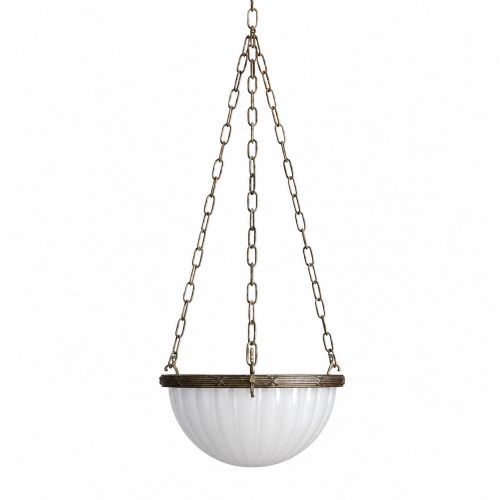


Vintage Light Bowl Shade
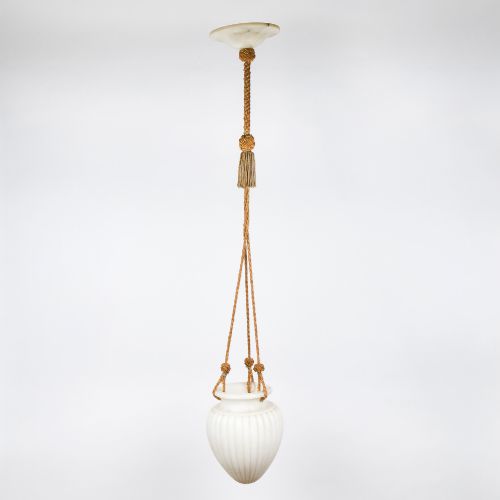
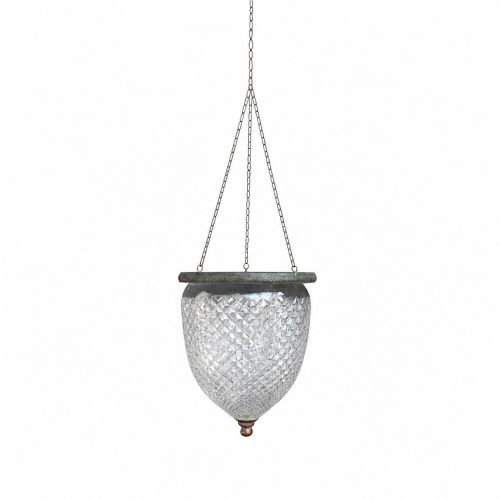
These vintage light bowl shade options bring warmth and period character to ceilings through frosted glass, cut crystal and carved alabaster.
Vintage Light Bowl Shade
When you search for a vintage light bowl shade, you encounter suspended ceiling dishes, plafonniers and chandelier components spanning the Victorian, Edwardian and Art Deco eras.
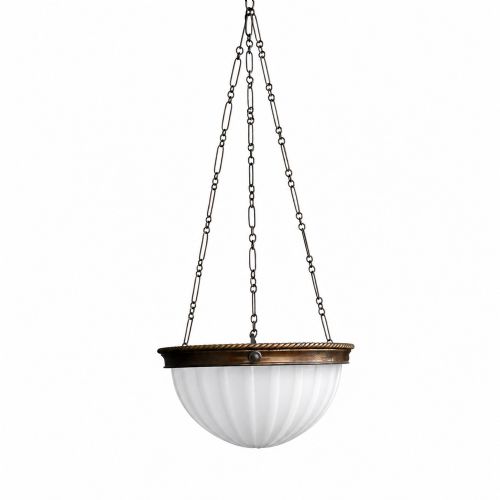
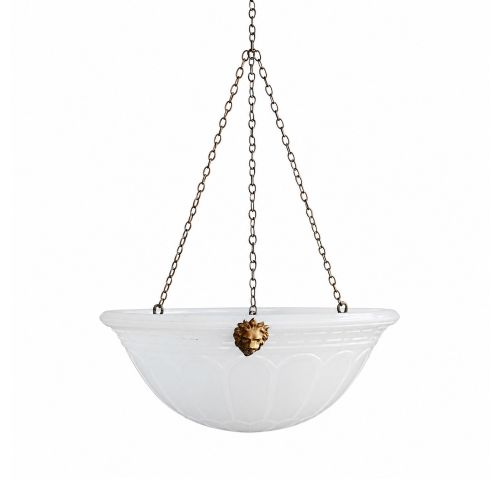
The most common forms on this page are shallow glass and alabaster bowls held by metal chains or cords, designed to cast diffuse illumination downward from the ceiling.
English and continental workshops produced these fixtures in various styles, ranging from heavy neoclassical bronze mounts to clean geometric pressed glass.
Materials and construction
Makers shaped heavy glass through moulding, pressing and cutting, often utilising acid-etching or frosting to soften the glare of early electric bulbs and oil lamps.
Natural stone such as white alabaster was carved down to translucent thickness so the veining caught the internal light.
Mounts, chains and collars combine brass, bronze, copper and silver plating, secured to the glass bowls via drilled rims and galleries.
Listings feature alabaster, bronze, and cut glass across Victorian, Edwardian, and Art Deco periods.
Distinctions in quality
Quality rests in the depth and crispness of the glass moulding or hand-cutting, where sharper facets and heavier metalwork distinguish superior output from simpler utilitarian pieces.
The integration of the suspension hardware matters greatly, as robust cast bronze fittings and original matching chains indicate a higher grade of manufacture than generic replacements.
René Lalique
The Vintage Light Bowl Shade Glossary
- Plafonnier
- A ceiling-mounted lighting fixture with a bowl-shaped shade that sits flush or close to the ceiling surface. This French term appears frequently in descriptions of early twentieth-century glass shades.
- Alabaster
- A soft, fine-grained stone used for carved bowls that diffuse light evenly through natural mineral veining. It requires careful dry cleaning.
- Opalescent glass
- Glass that displays milky, pearlescent colour variations when lit from within. It alters tone depending on the angle of ambient room light.
- Opaline glass
- An opaque or semi-translucent white glass popular for soft interior illumination. It creates an even, glare-free spread across living spaces.
Vintage Light Bowl Shade: Frequently Asked Questions
Can these vintage bowl lights take modern bulbs?
Standard modern LED bulbs fit most historical fittings provided the wattage matches the thermal limits of the original enclosed glass or alabaster bowl. Lower heat output from modern LEDs actually protects fragile antique glass from thermal stress.
Check the interior clearance of the fitter ring before buying bulbs, as older galleries sometimes accommodate narrow neck dimensions unique to early lamp holders.
How do I clean frosted and cut glass shades?
Wash glass bowls in warm water with a mild dish soap, using a soft sponge to clear dust from intricate mouldings and cut facets. Avoid harsh chemical cleaners that can strip antique silver plating or damage frosted surfaces.
Alabaster requires entirely dry cleaning with a soft brush or microfiber cloth, as moisture penetrates the porous stone and leaves permanent water stains.
How do I date an antique glass bowl shade?
Dating relies on stylistic markers, such as geometric symmetry and pressed satin finishes pointing to the 1930s Art Deco period, while heavy brass mounts and hand-cut crystal typically suggest Edwardian or Victorian origins.
Examine the fitter rim for manufacturing marks, screw thread types and wiring apertures, which often reveal the technological era of the original mounting hardware.