

Vintage Ceiling Pendant Shade
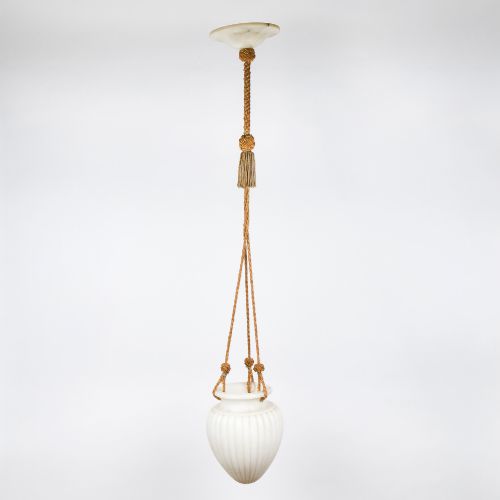
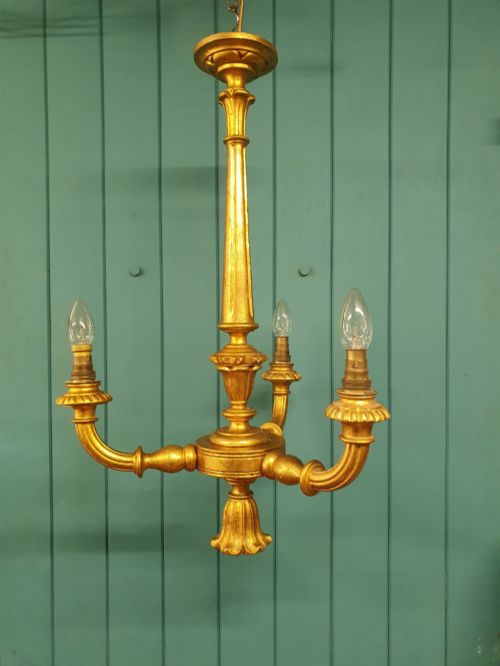
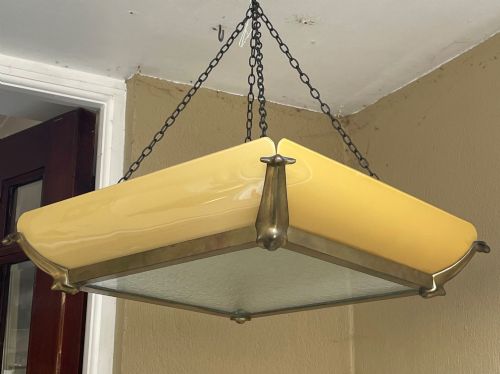
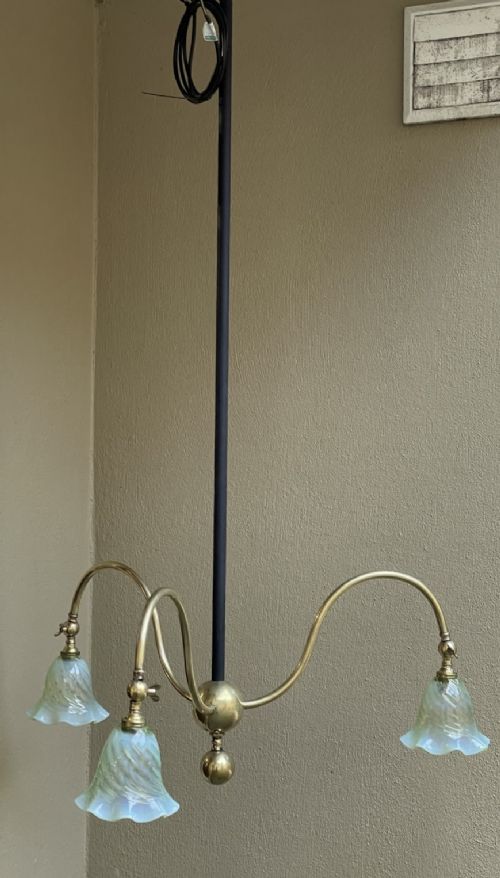
These vintage ceiling pendant shade options bring period illumination to a room, combining brass and glass to transform overhead lighting.
Vintage Ceiling Pendant Shade
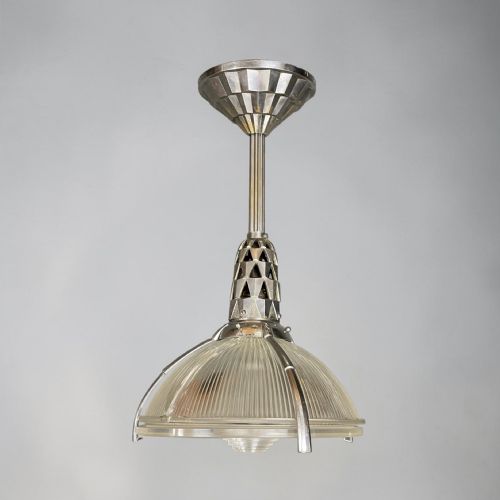
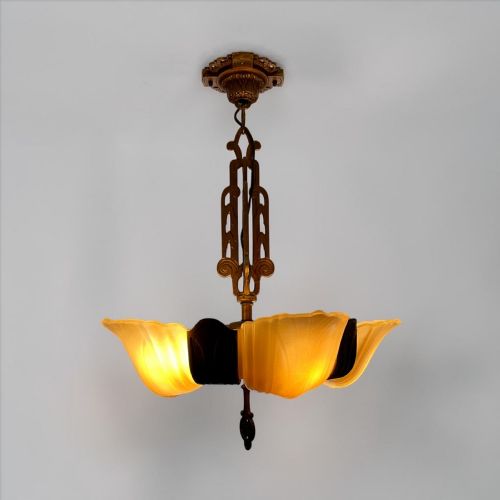
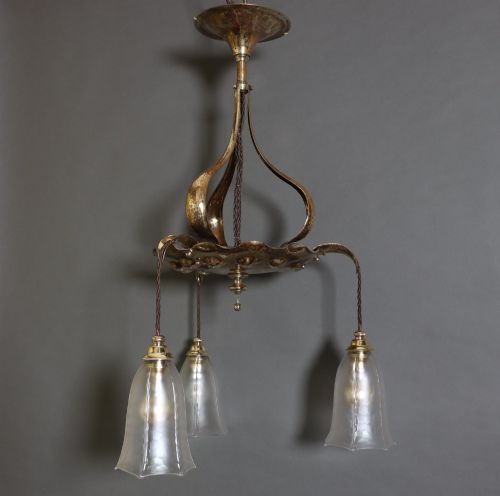
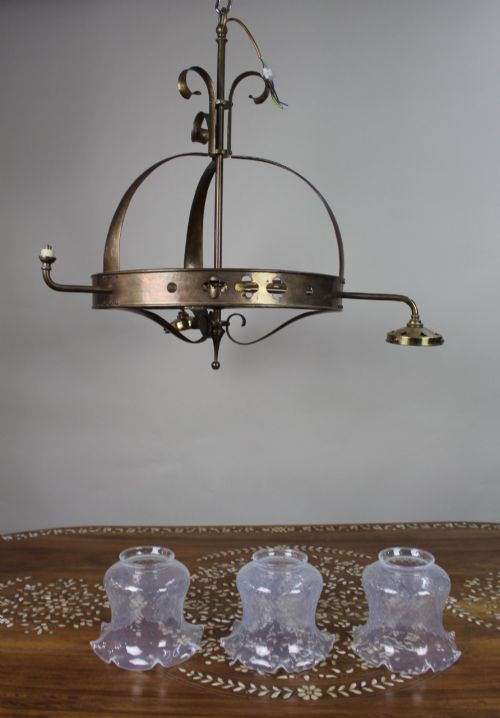
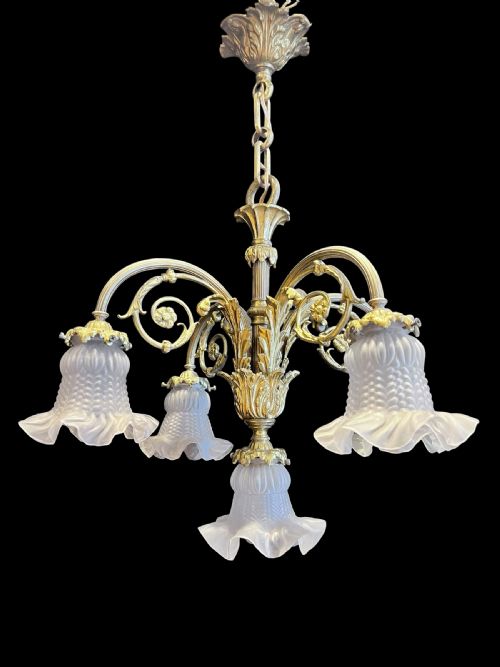
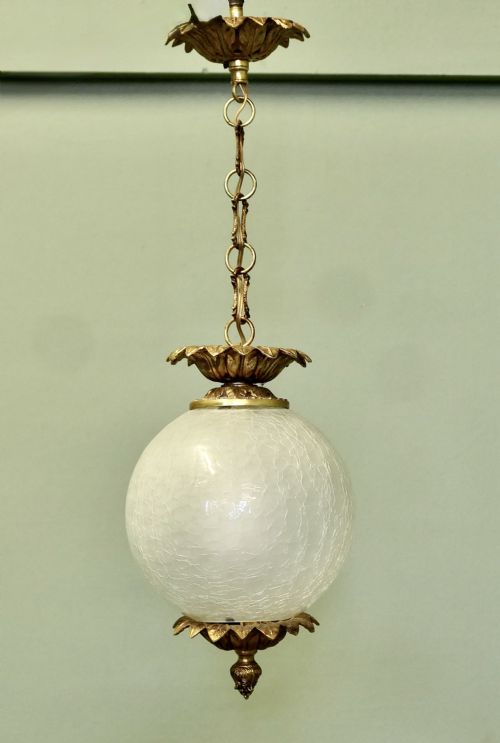
When you search for vintage ceiling pendant shade, you encounter a diverse range of hanging light fixtures designed to suspend from above. These fixtures draw from periods spanning the Victorian era through the 1940s, encompassing styles such as Art Deco, Edwardian, Industrial, and Arts & Crafts.
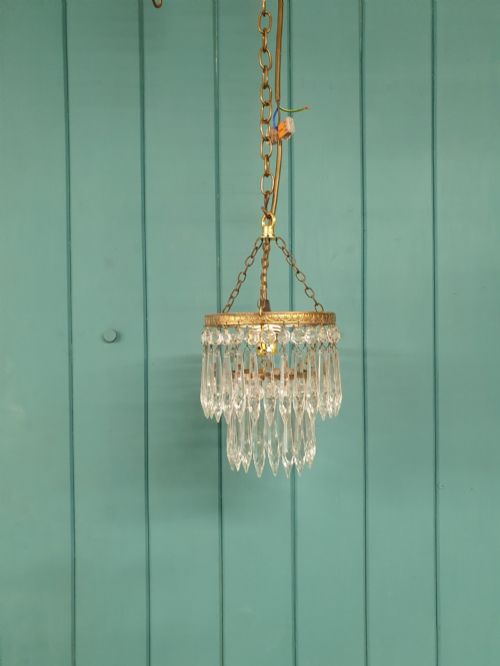
The most common forms on this page include pendant lights, ceiling lights, chandeliers, and individual lampshades. Materials range widely across these items, featuring brass, copper, and various types of glass.
Origins and aesthetics reflect specific historic design movements, from French Chateau pieces to Gothic Revival gasoliers converted for electricity. Buyers select these items to introduce character and period authenticity into domestic or commercial interiors.
What varies in quality
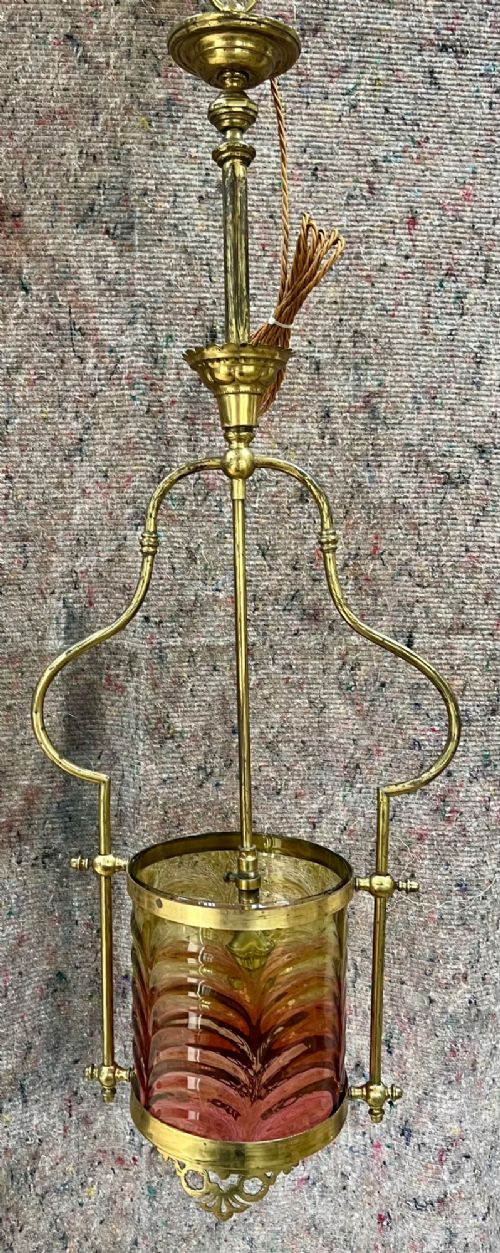
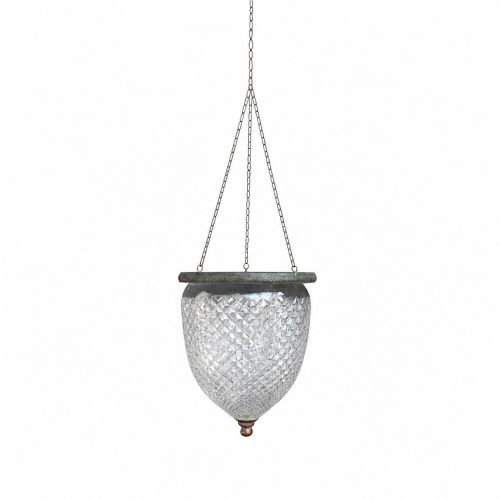
The standard of a vintage ceiling pendant shade rests upon the weight and finish of its metal framework and the clarity or colour richness of the glass. Superior examples display crisp casting on brass fittings and substantial thickness in moulded or cut glass shades.
Design integrity and originality further distinguish finer items from simpler production pieces. Items retaining original matching glass shades, specialised maker hardware, or documented provenance command greater appreciation among collectors.
Railway hanging lanterns ventured from industrial transport duties into domestic hallways, bringing nautical and transit charm indoors.
Émile-Jacques Ruhlmann·VESTARAY·Jefferson
The Vintage Ceiling Pendant Shade Glossary
- Pendant light
- A hanging lighting fixture suspended from the ceiling by a cord, chain, or metal rod. This form directs illumination downward into the space below.
- Opaline glass
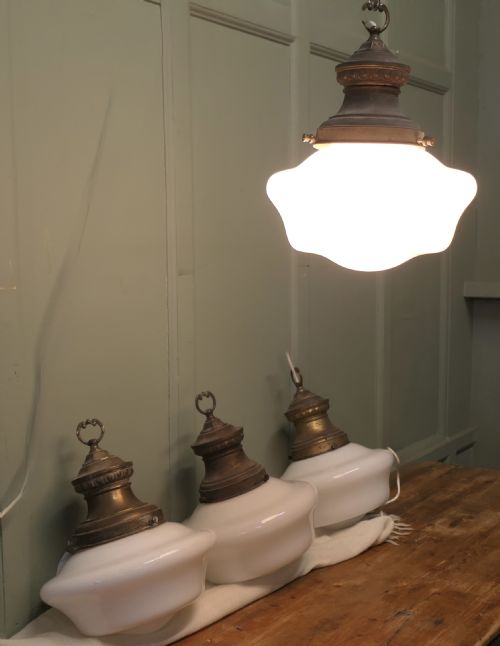
- A milky, semi-translucent glass popular in historical lighting design. It diffuses light softly without harsh glare.
- Gasolier
- A decorative ceiling light fixture originally designed for gas lighting before subsequent conversion to electricity. These often feature multiple arms and brass construction.
- Plafonnier
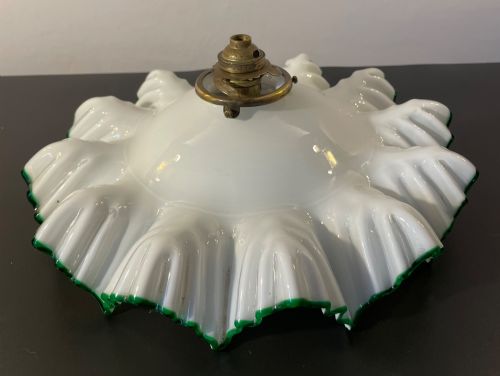
- A ceiling-mounted or close-hanging glass bowl light fixture. This French term translates to ceiling light.
- Slip shade
- A moulded glass shade designed to slip into a metal frame or basket. It is frequently associated with Art Deco lighting fixtures.
Vintage Ceiling Pendant Shade: Frequently Asked Questions
How do I hang a vintage pendant?
These fixtures typically suspend from a ceiling hook or junction box using their original chain, cord, or brass rod hardware. Professional installation by an electrician ensures safe wiring and secure mounting.
Weight varies significantly depending on whether the fixture incorporates heavy cut glass crystal or solid brass arms. Check the ceiling structure to ensure it supports the specific weight of the chosen light.
Can I replace a broken glass shade?
Finding an exact replacement shade for a specific vintage fixture presents a challenge due to variations in period manufacturing techniques and fitter sizes. Matching the fitter diameter to the original brass gallery remains the most critical measurement.
Many collectors prefer sourcing period-appropriate replacement glass that matches the original style, whether opaline, frosted, or cut glass. Patience is required to locate a component from the same era.
How do I date a ceiling light?
Dating relies on stylistic markers, construction methods, and materials characteristic of specific eras like the Victorian period, Edwardian era, or Art Deco movement. Geometric lines and slip shades point toward the 1920s and 1930s.
Earlier pieces from the 19th Century often feature heavier brass castings and gas-era components. Examining the wiring, fixings, and glass type provides additional clues to the manufacturing period.
Are these lights ready for wiring?
Vintage lighting fixtures frequently retain older wiring components that require updating to meet current safety standards. Rewiring allows you to use modern bulbs safely while preserving the historic exterior metal and glass.
An experienced electrician can easily adapt historical fixtures for modern electrical circuits. This process protects the antique components while ensuring domestic safety.