


English Glass Pendant Light
An English glass pendant light brings diffused illumination and period presence to a hallway or reception room.
English Glass Pendant Light
When you search for an english glass pendant light, you encounter hanging fixtures spanning the nineteenth and early twentieth centuries, including hall lanterns, chandeliers, and single-bulb shades. These pieces range from substantial cut glass and crystal chandeliers dating to the Victorian and Edwardian eras down to utilitarian factory lights and pharmacy fixtures from the nineteen-twenties.
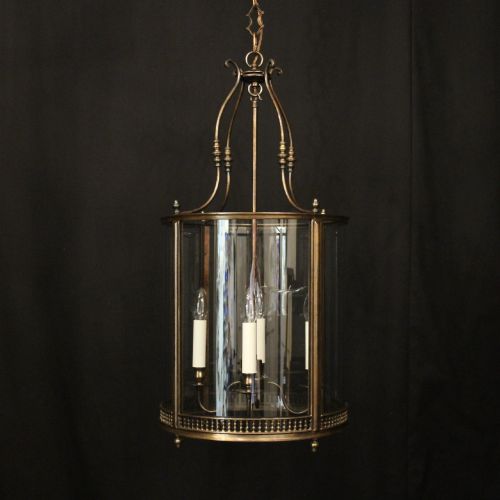
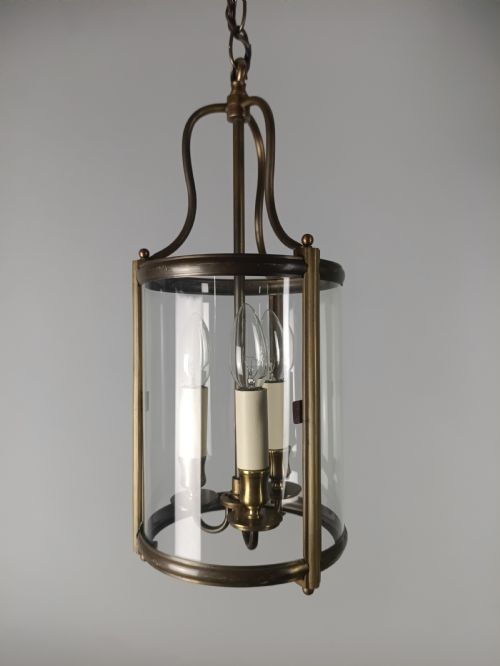
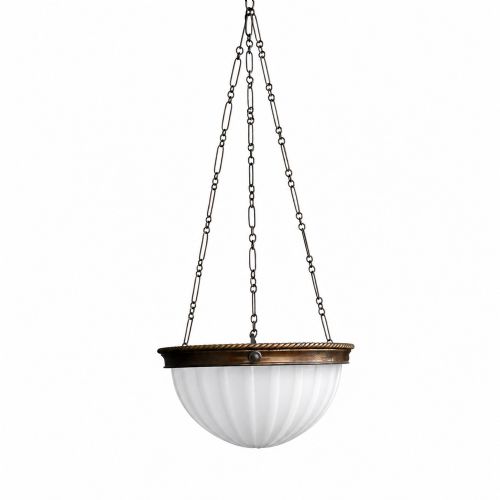
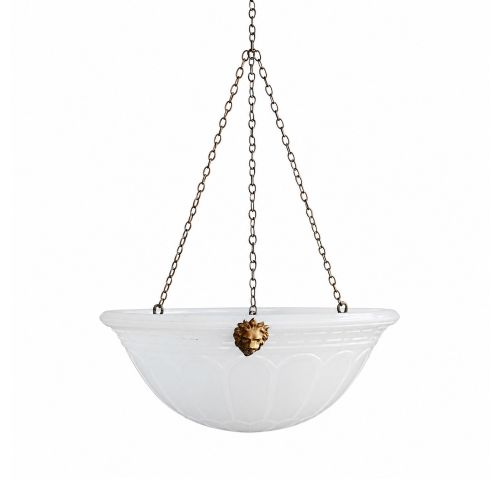
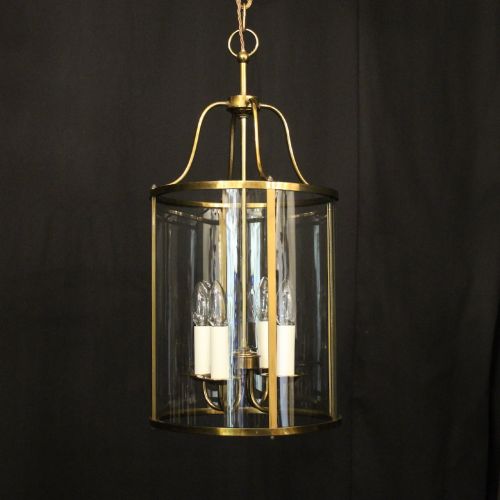
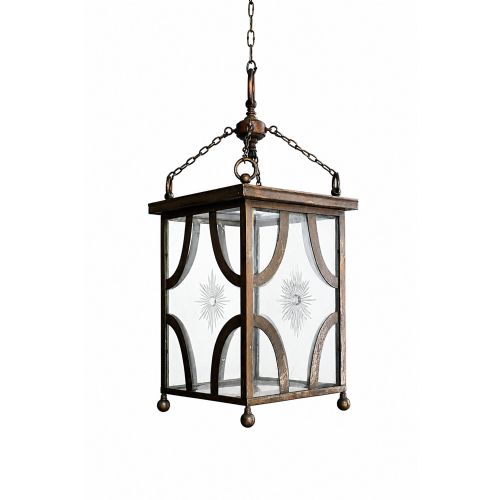
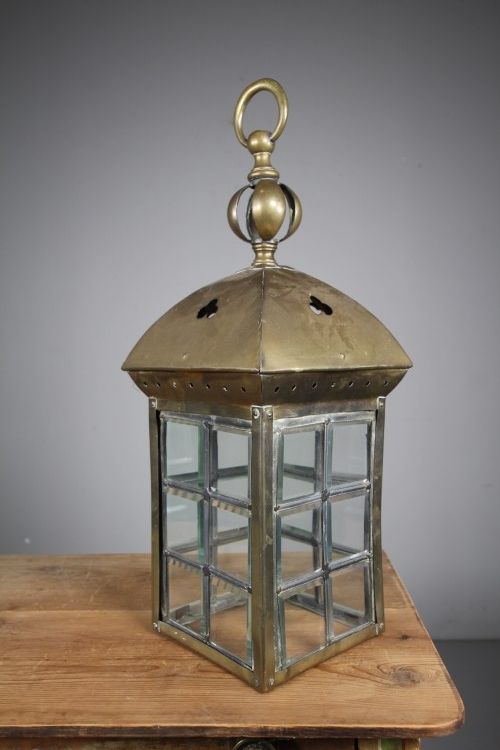
The most common forms on this page include convex brass and gilded hall lanterns fitted with glass panels, alongside opaline and moonstone glass shades designed for domestic or commercial suspension. Edwardian dish lights and tent-and-bag chandeliers also appear frequently, representing the formal decorative lighting of their respective decades.
Distinctions in Quality
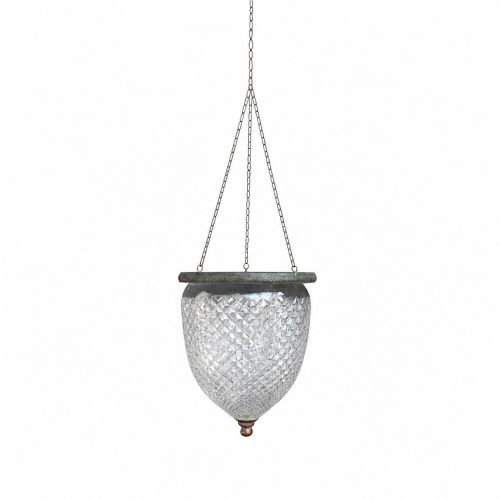
Quality in these lighting pieces depends upon the depth and crispness of the glass cutting, the weight of the cast bronze or brass mounts, and the integrity of the original framing. Superior examples display precise hand-cutting that refracts light sharply, whereas simpler utility lights rely on smooth, blown opaline surfaces designed for even diffusion.
The sophistication of the period style, from Regency and Gothic Revival ornamentation to Aesthetic Movement linearity, dictates the complexity of the metalwork and the overall architectural ambition of the design.
Ballroom chandeliers recorded here scale up to forty-one lights, ensuring nobody ever stumbles in the dark during a grand waltz.
The English Glass Pendant Light Glossary
- Plafonnier
- A ceiling-mounted or shallow hanging light bowl. This form sits close to the ceiling while diffusing light through patterned or opalescent glass.
- Moonstone glass
- An opaque, milky white glass variant that softens bulb glare. It creates a smooth, diffused glow typical of early twentieth-century interiors.
- Tent and bag chandelier
- A lighting fixture featuring an upper canopy or tent of strung glass beads dropping down to a basket or bag shape below. This design maximises light refraction through numerous small crystal elements.
- Hall lantern
- An enclosed hanging light designed for corridors and entrance spaces. These fixtures usually feature glass panes set into a metal framework of brass, bronze, or copper.
- Opaline glass
- A translucent glass type popular in nineteenth-century lighting. It often exhibits a pale pastel or milky appearance that catches ambient light.
English Glass Pendant Light: Frequently Asked Questions
How do I hang a heavy antique chandelier?
Hanging a substantial multi-light chandelier requires fixing directly into the ceiling joists with a suitably rated steel hook and pattress. The weight of heavy crystal and bronze fixtures demands professional structural support.
Electrical wiring must be threaded through the original central rod or chain, ensuring the suspension system bears the mechanical load rather than the electrical flex.
What is the difference between a hall lantern and a pendant light?
A hall lantern employs an enclosed metal frame with glass panels designed to protect the light source from drafts in narrow corridors. They often feature hinged access doors for bulb replacement.
Pendants generally suspend a single shade, bowl, or cluster directly from a chain or cord, focusing downward or general illumination without a rigid protective cage.
How do I clean cut glass and crystal pendants?
Cleaning antique crystal requires a gentle solution of warm water and mild dish soap applied with a soft cloth or sponge. Individual prisms can be wiped in situ to preserve the internal alignment and wiring.
Harsh chemical immersion and abrasive scourers must be avoided to protect the metal settings, silver plating, and the soft surface of nineteenth-century glass.
Can I use modern LED bulbs in these fixtures?
Modern LED bulbs function well in antique fittings provided the lamp holder matches the Edison screw or bayonet base size. LEDs generate significantly less heat than traditional incandescent lamps, protecting old silk wiring and fragile glass shades.
Choosing a warm colour temperature maintains the amber glow associated with period gas or early electric illumination.