

Vintage Cast Lamps
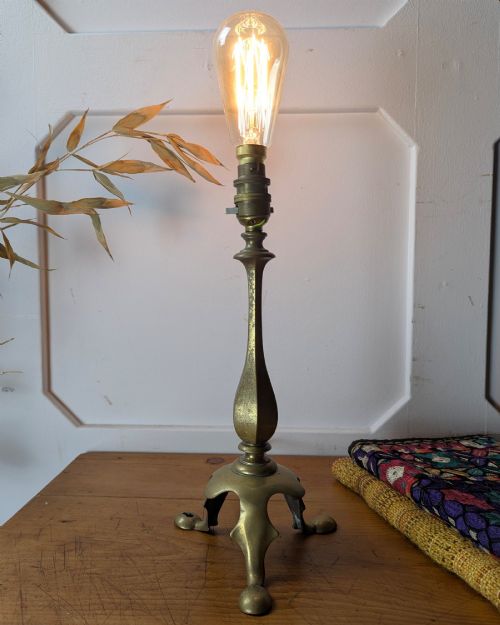
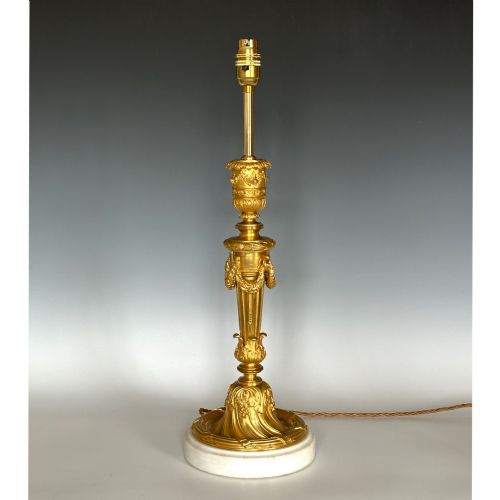
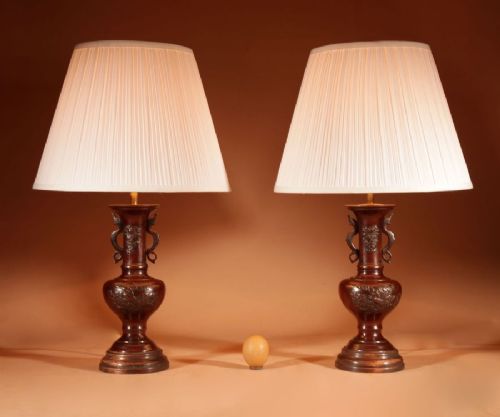
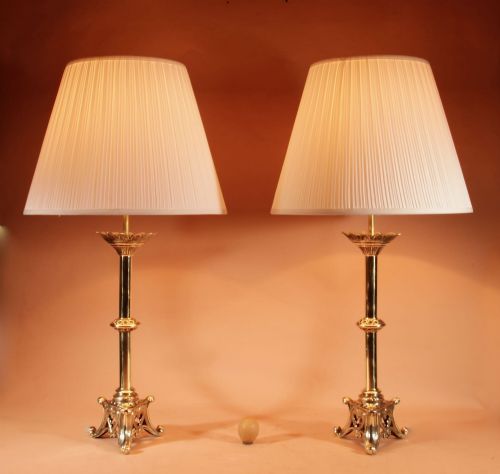
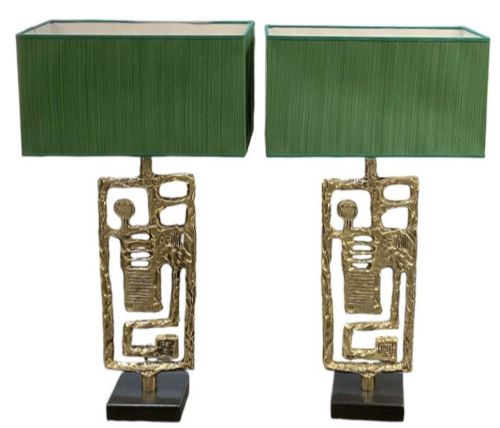
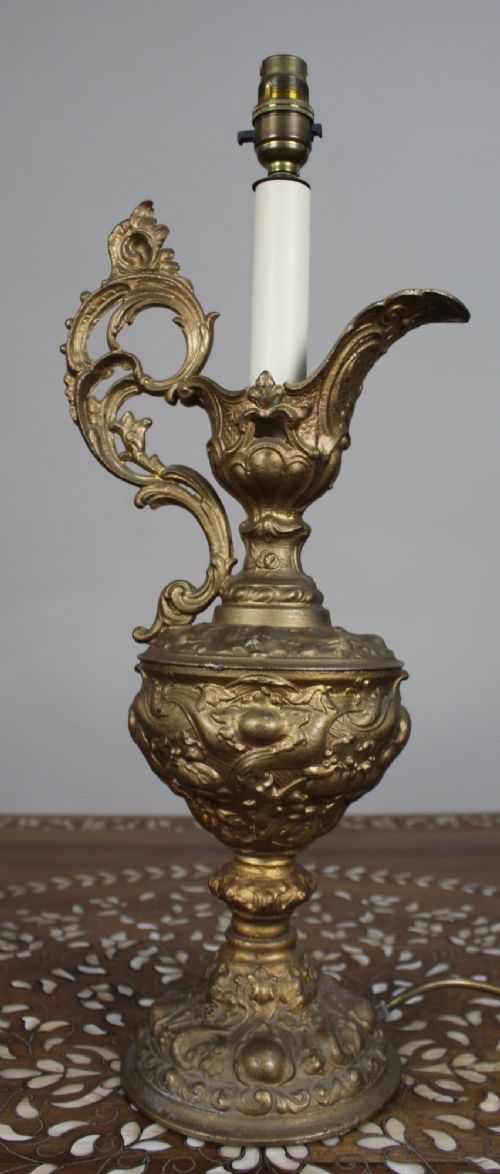
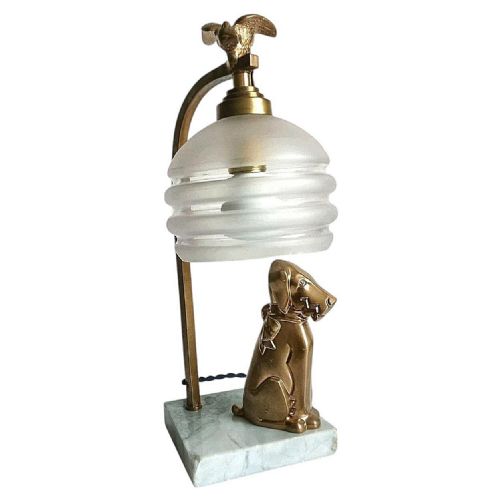
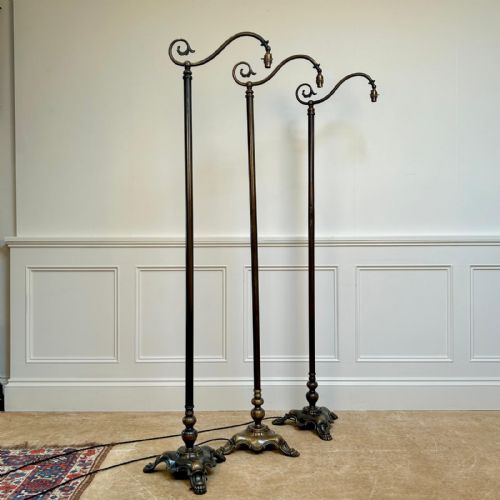
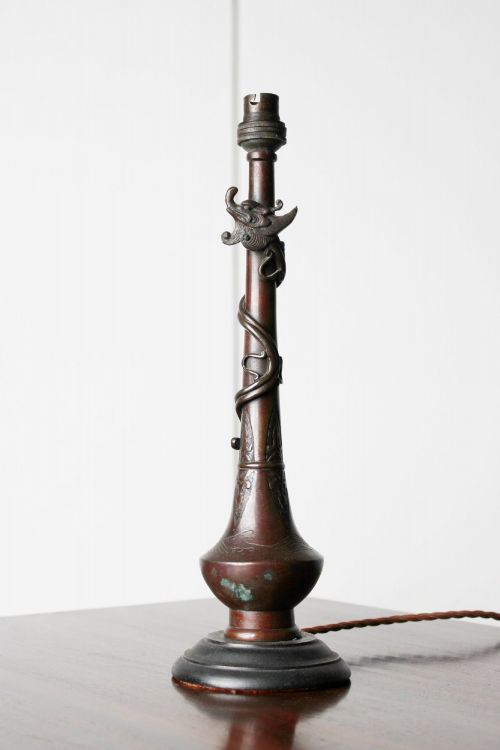
These vintage cast lamps bring substantial weight and tactile metalwork to a room, ranging from grand standard floor models to intricate table lights.
Vintage Cast Lamps
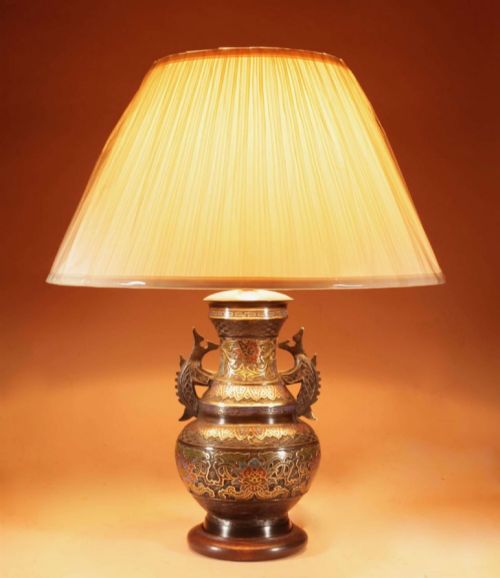
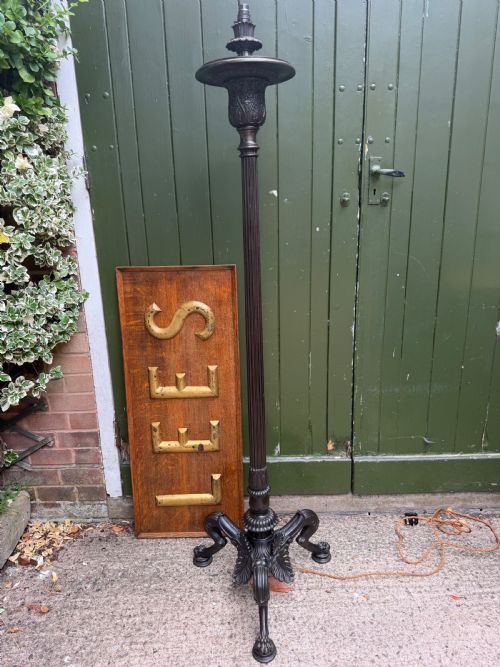
Vintage cast lamps encompass a diverse array of lighting forms, including heavy standard lamps, table lamps, chandeliers, desk lamps, and wall lights produced across the nineteenth and twentieth centuries. Buyers seeking vintage cast lamps encounter pieces executed in styles ranging from Victorian and Gothic Revival to Art Nouveau and Art Deco.
How they were made
Foundries utilised traditional sand-casting and lost-wax methods to form molten brass, bronze, and cast iron into elaborate structural components and decorative bases. Artisans then finished these metal bodies through hand-chasing, patination, or gilding to accentuate sculptural details.
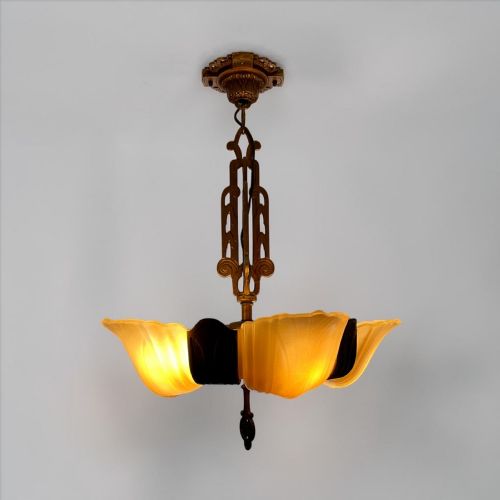
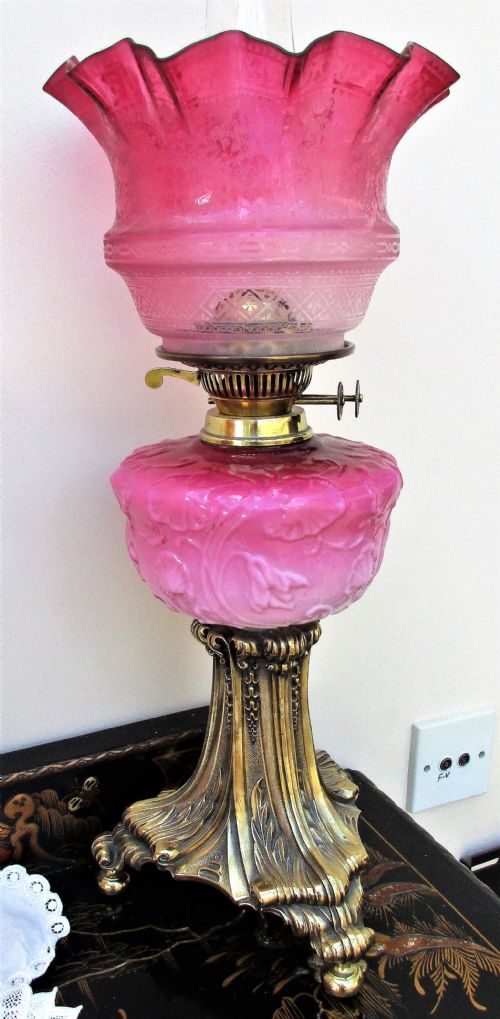
Many designs incorporate integrated glass components, such as opaline reservoirs, moulded slip shades, or specialised shades by makers like Muller Bros and Dugué. Structural joints are typically threaded, riveted, or bolted together to support the considerable weight of the cast metal.
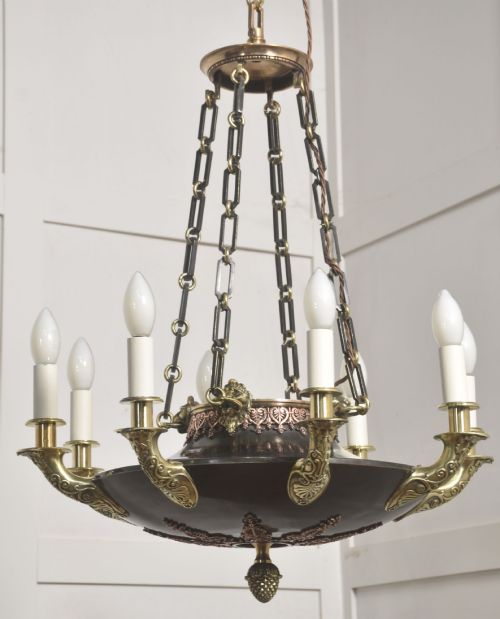
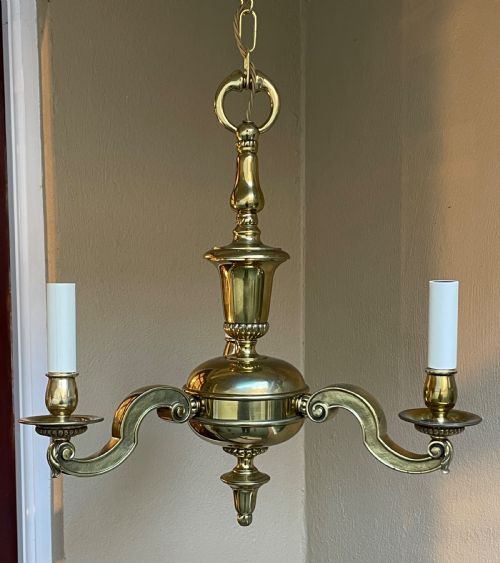
Listings feature heavy floor lamps, delicate desk lights, and multi-branch chandeliers spanning the nineteenth century through the 1930s.
What varies in quality
Quality rests heavily on the crispness of the casting and the depth of the hand-finishing, where superior examples exhibit sharp relief in foliage, figures, or architectural motifs rather than soft, blurred edges. The integrity of the original patination and the substantial weight of the base materials distinguish finer production from simpler commercial work.
The presence of undamaged, period-correct glass shades or signed components elevates the standard of a piece significantly. Construction robustness, from stable multi-branch fittings to solid column mounts, separates everyday domestic lighting from monumental or sculptural works.
Angelo Brotto for Esperia·Joseph Hinks·Muller Bros
The Vintage Cast Lamps Glossary
- Spelter
- A zinc alloy frequently used as a cheaper substitute for bronze in decorative figures and lamp bases during the late nineteenth and early twentieth centuries. It takes patination well to simulate heavier metals.
- Ormolu
- A gilded bronze technique involving the application of a finely ground mercury and gold amalgam to a bronze object. This creates a rich, enduring golden surface common on French decorative pieces.
- Champlevé
- An enamelling technique where troughs or cells are carved into the surface of a metal object and filled with vitreous enamel powder before firing. It appears frequently on decorative metalwork and bases.
- Patina
- The surface sheen, colour variation, and oxidation acquired by metal over decades of exposure and handling. A stable patina indicates genuine age rather than artificial ageing.
Vintage Cast Lamps: Frequently Asked Questions
How do I date a cast metal lamp?
Dating relies on stylistic clues, manufacturing techniques, and material choices evident in the casting and wiring components. Victorian and Edwardian pieces often display heavier ornamentation and specific burner or switch mechanisms.
Later Art Deco and 1930s examples lean towards geometric lines, nickel finishes, and moulded glass shades. Comparing the decorative vocabulary to established periods helps narrow the production era.
Are these lamps safe for modern electrical use?
Many older lamps retain archaic wiring or converted gas and oil fittings that require professional rewiring to meet current standards. A qualified electrician can safely update internal cables and lampholders while preserving the historic exterior.
Preserving original switches or key components is usually possible during the rewiring process. This ensures the lamp functions safely without losing its period integrity.
How should I clean a bronze or brass lamp?
Dusting with a dry, soft cloth prevents the accumulation of grime in the recessed details of cast metalwork. Aggressive metal polishes should be avoided on patinated surfaces to protect the historic finish.
Applying a microcrystalline wax can help seal the metal and prevent further oxidation. Gentle maintenance preserves the natural tone built up over generations.
What is the difference between an oil lamp and a standard lamp?
Oil lamps feature an integrated font or reservoir designed to hold combustible fuel beneath a burner assembly. Many of these historical vessels later undergo conversion to electricity for domestic use.
Standard lamps, conversely, refer to tall floor-standing lighting fixtures designed from the outset to illuminate a room from a vertical post. Their construction focuses on structural stability and multi-bulb distribution rather than fuel containment.