

Vintage Cast Iron Fireplace
A vintage cast iron fireplace brings heavy metalwork and hearth furniture into a room, offering the solid construction and period detail collectors seek.
Vintage Cast Iron Fireplace
When you search for a vintage cast iron fireplace, you encounter heavy hearth furniture, grates, fire baskets, and firebacks dating from the nineteenth and early twentieth centuries. These pieces anchor a room with functional metalwork designed to manage solid fuel fires safely and efficiently.
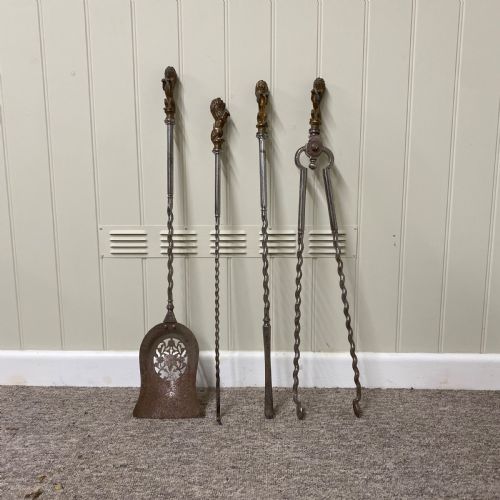
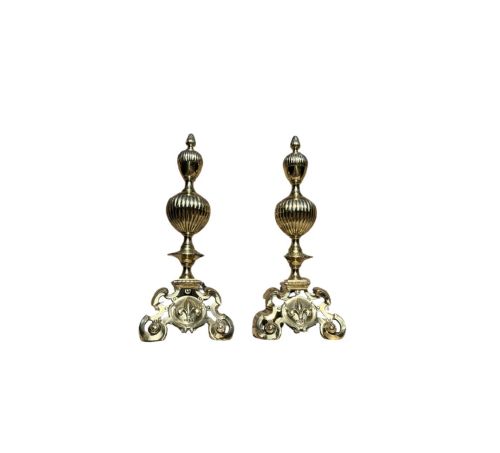
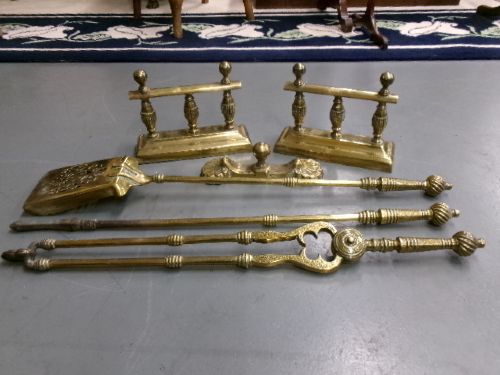
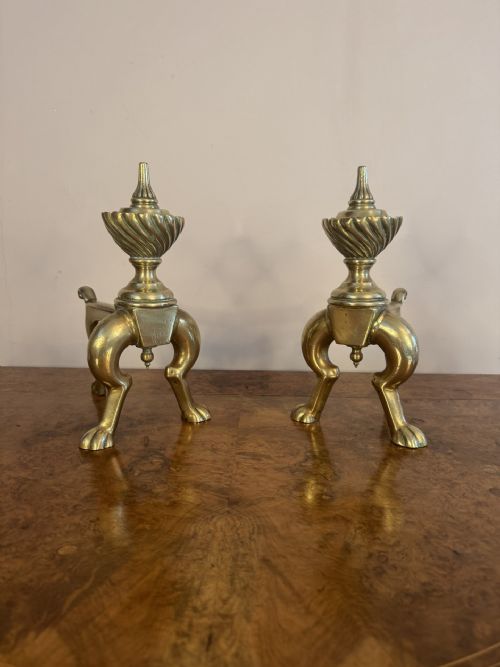
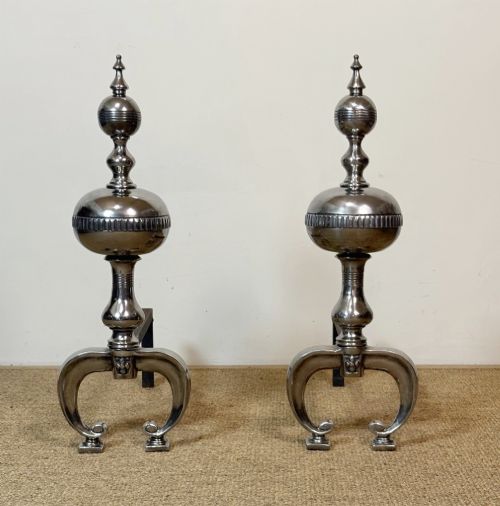
The selections on this page lean heavily towards Victorian and Edwardian examples, alongside 1930s Arts and Crafts designs and earlier revival styles. You will find associated ironmongery such as andirons, firedogs, and companion sets alongside the primary grates and backs.
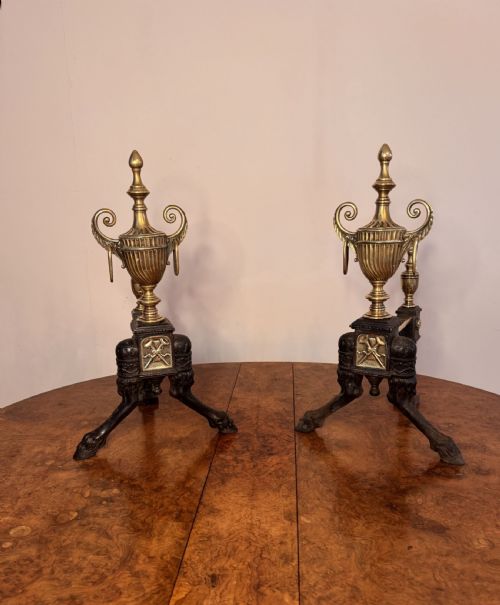
Makers and foundries utilised robust metals to cast decorative motifs ranging from Gothic Revival tracery to neoclassical urns and tree of life patterns. Each object reflects the domestic heating requirements of its era, combining utility with ornamental ironwork.
Materials and casting methods
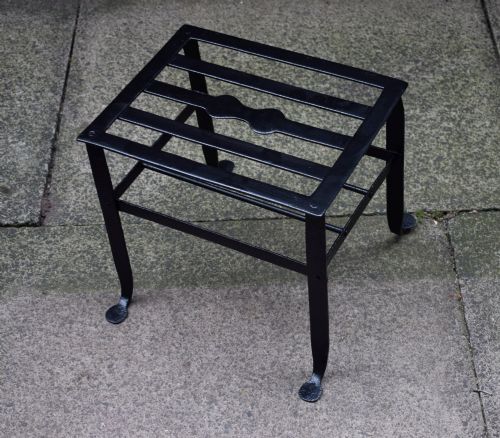
Foundries produced these pieces primarily in cast iron, pouring molten metal into sand moulds to achieve intricate relief panels, firebacks, and structural grates. Wrought iron and steel appear in companion sets, fire baskets, and fenders, shaped by hand or machine to complement the cast elements.
Brass and gunmetal components often accent the ironwork, appearing on andirons, tool handles, and fender rails to provide a sharp tonal contrast against the dark metal. Enamel coatings also occur on specific stove and log burner bodies, fusing glass to iron at high temperatures for durable colour.
Moulds for firebacks and grates incorporated classical, medieval, and botanical designs, cast directly into the iron surface to withstand intense hearth heat over decades of daily use.
Vintage Cast Iron Fireplace Retail Price Guide 2026
Typical asking prices for vintage cast iron fireplace among the pieces listed under this phrase on Sellingantiques today, from the lower quarter to the upper quarter. They describe what is for sale here now, not the wider market.
Listings feature cast iron, brass, wrought iron, and steel across periods spanning the sixteenth century through the 1930s.
Distinguishing quality in hearth ironwork
Weight and thickness determine the foundational quality of a cast iron fireplace component, as heavier plates retain heat more effectively and resist cracking under thermal stress. Thinner castings tend to lack the deep relief and crisp casting lines seen in superior examples.
The refinement of the surface finish separates standard production items from finer studio or foundry pieces. Crisply defined botanical motifs, clean casting seams, and well-fitted brass mounts demonstrate superior craftsmanship during production.
Material combination also elevates a piece, where solid brass details and hand-forged wrought iron elements integrate seamlessly with the heavy cast iron body rather than relying on superficial plating.
The Vintage Cast Iron Fireplace Glossary
- Fireback
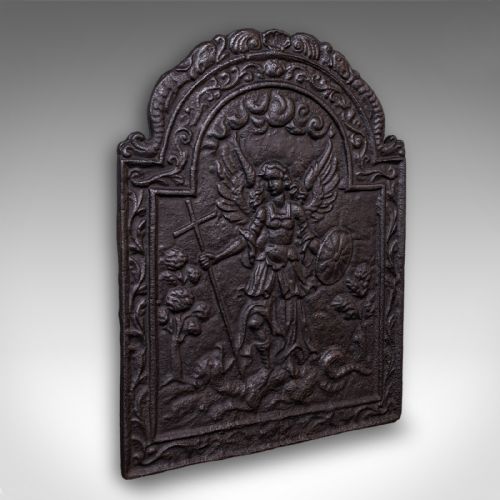
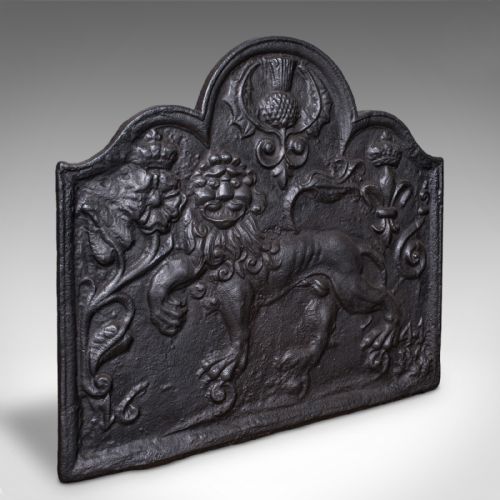
- A heavy iron plate placed at the back of an open hearth to reflect heat into the room and protect the masonry wall. They often feature moulded historical, heraldic, or botanical scenes in deep relief.
- Andirons
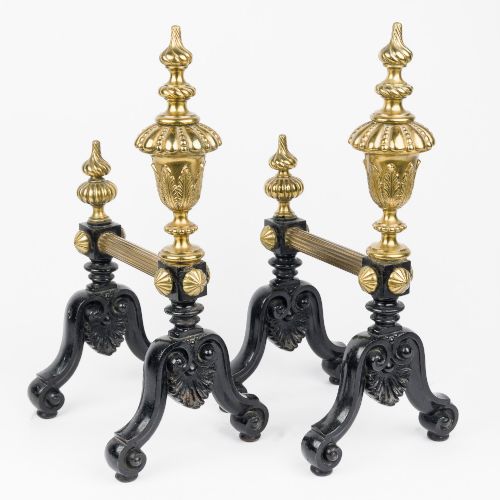
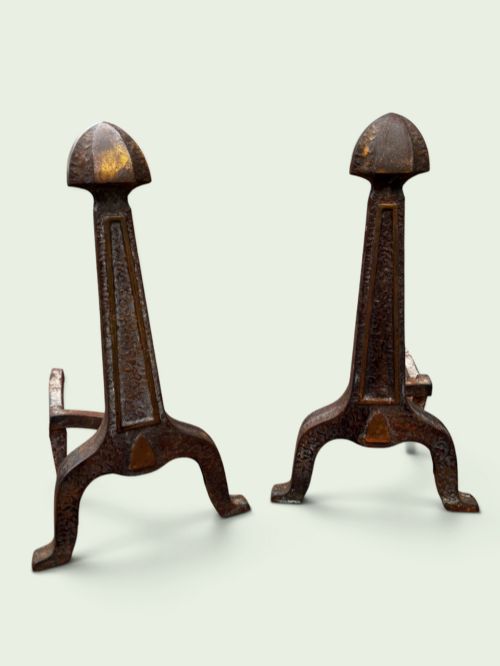
- Support bars, also known as firedogs, used to hold logs off the hearth floor to improve air circulation. They frequently incorporate decorative brass or iron front standards.
- Fire Basket
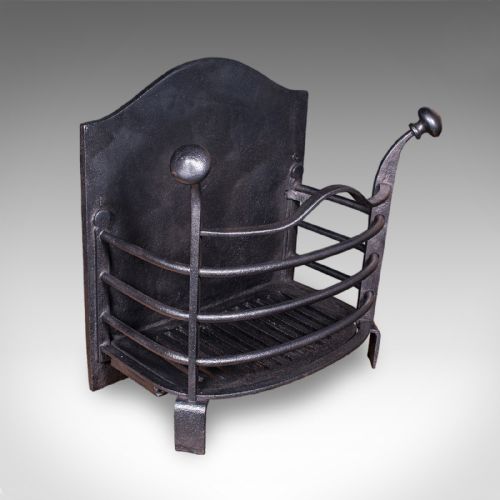
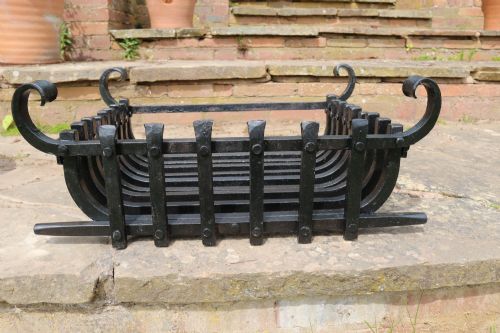
- A metal grate designed to hold coal or wood suspended within an open fireplace opening. These units often combine cast iron frames with wrought iron bars.
- Fender
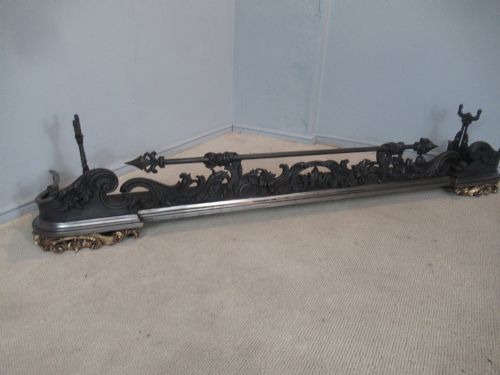
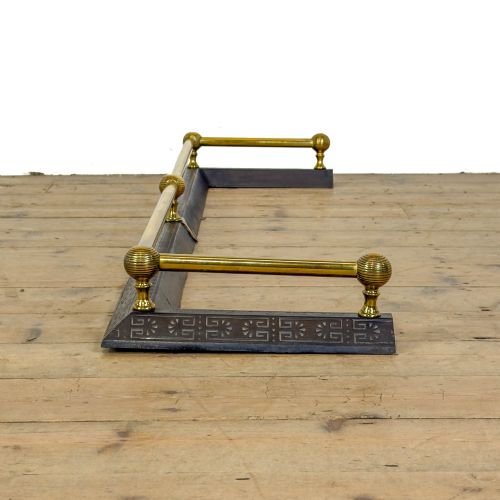
- A low metal guard placed around the hearth hearthstone to contain stray embers and ash. They appear in brass, iron, and bronze combinations.
- Companion Set
- A collection of fireside tools including pokers, tongs, and shovels, usually mounted on a matching stand. Sets often reflect specific period styles such as Arts and Crafts or Edwardian brassware.
Vintage Cast Iron Fireplace: Frequently Asked Questions
How do I choose the right size fire basket?
Measure the width, depth, and height of your fireplace opening carefully before selecting a basket. Leave adequate clearance around the sides and back for proper airflow and masonry safety.
Consider the fuel type you intend to burn, as wood and coal baskets require different bar spacings to support combustion efficiently.
Can antique firebacks be used in modern hearths?
Cast iron firebacks function effectively behind modern gas or wood-burning fires. They absorb thermal energy and radiate heat long after the fire dies down.
Ensure the back is properly secured against the masonry wall using suitable fixings to prevent tipping.
How do I care for cast iron hearth accessories?
Clean cast iron surfaces using a dry or slightly damp cloth to remove soot and ash accumulation. Avoid harsh chemical cleaners that strip the protective dark finish.
Apply a light coat of grate polish or specialist iron wax periodically to maintain the deep charcoal colour and prevent surface oxidation.
What is the difference between andirons and fire dogs?
The terms are frequently used interchangeably to describe horizontal metal supports used in open hearths. Historically, andirons often included vertical uprights designed to hold spits for roasting meat.
Most pieces found today serve primarily decorative and structural purposes for wood fires.
How do I identify Victorian cast iron styles?
Victorian ironwork draws heavily on historical revivals, displaying Gothic tracery, classical urns, or heavy floral motifs. The casting quality is typically robust, with substantial weight and defined surface relief.
Look for manufacturer registry marks or stamps cast into the reverse of plates and grates for precise dating clues.