





Vintage Cased Glass
Vintage cased glass encompasses objects housed in protective glass enclosures, offering a glimpse into historical presentation methods.
Vintage Cased Glass
Vintage cased glass comprises items protected by glassfronted enclosures, cabinetry, and specialised display housing. These pieces emerge primarily from Victorian, Edwardian, and mid-twentieth-century periods, reflecting the tastes of past domestic and commercial interiors.
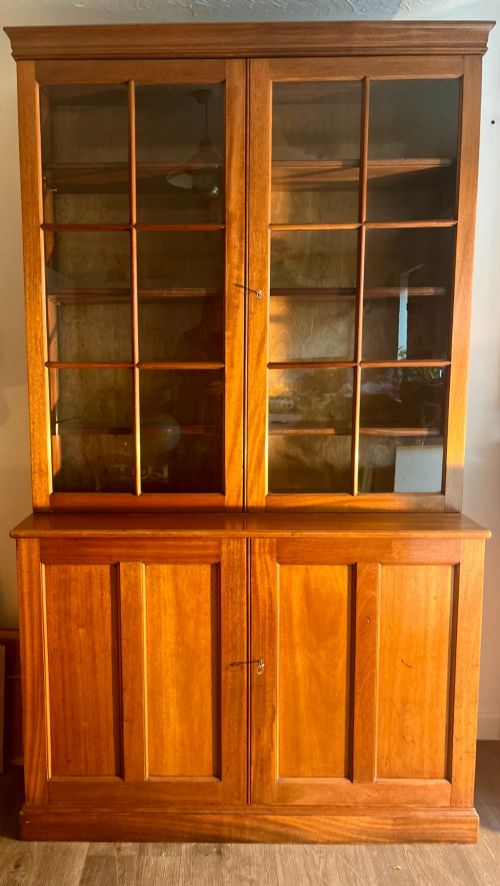
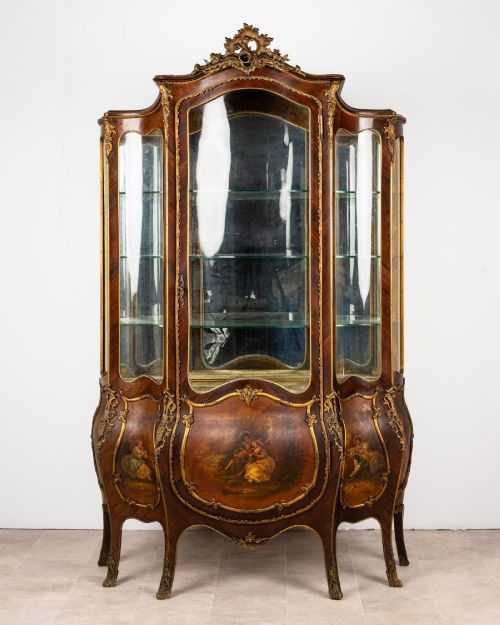
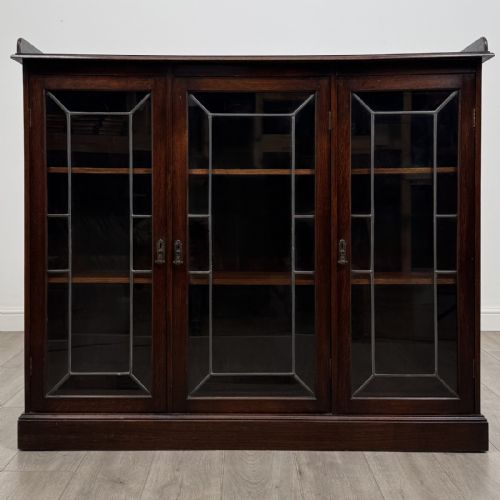
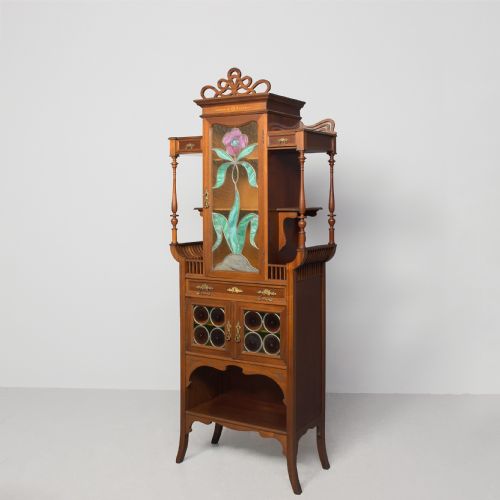
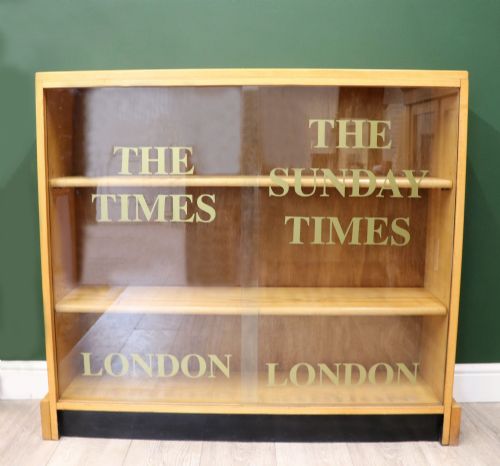
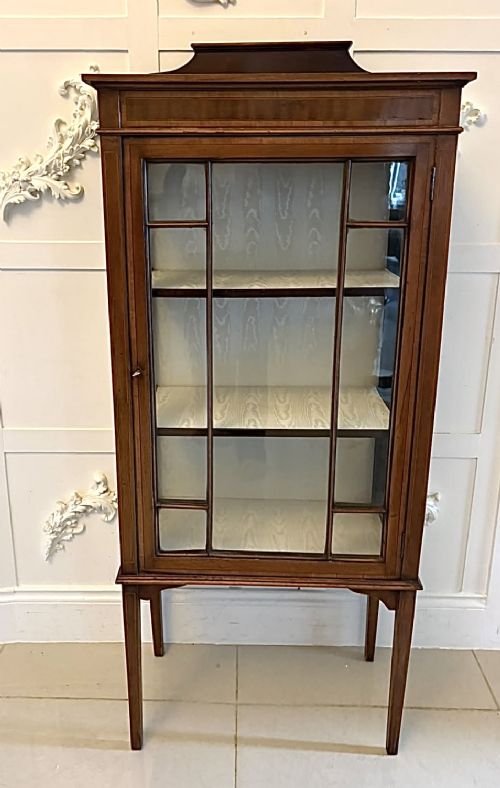
Cabinets, vitrines, and specialised cases form the core of what appears in this category, often constructed from mahogany, oak, or satinwood to showcase the items held within. Buyers frequently encounter glazed display furniture designed to house precious objects, books, or specimens.
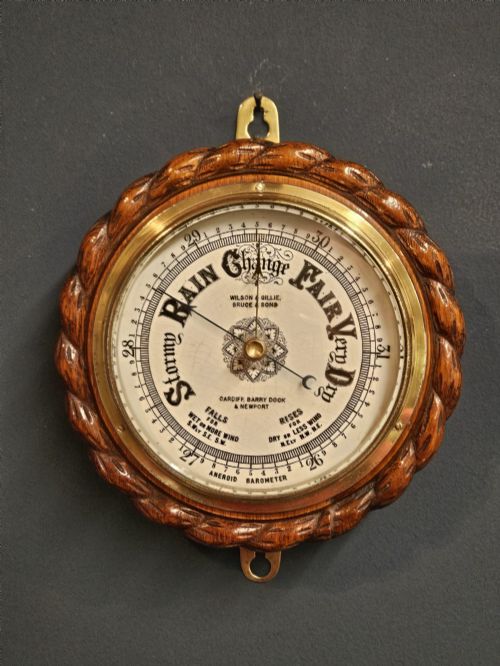
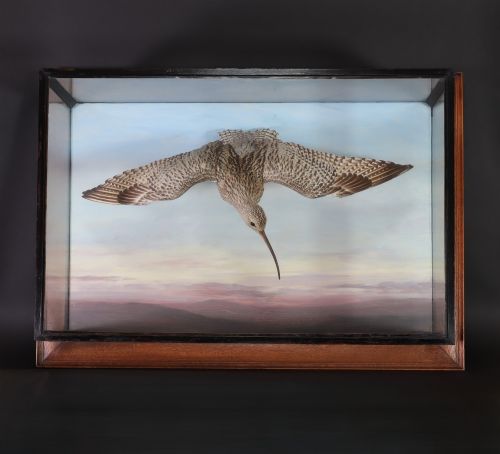
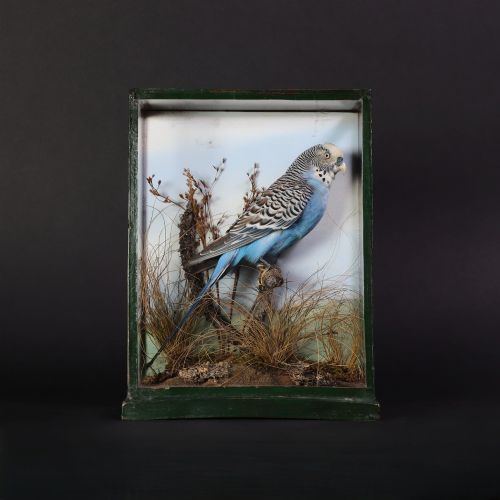
The materials span traditional hardwoods paired with clear glass panes, alongside specialised enclosures intended for preservation, such as taxidermy boxes and barometer housings. Each object combines utility with a distinct period aesthetic ranging from Sheraton Revival to Art Deco.
Materials and Construction
Makers utilised solid timbers and wood veneers, including mahogany, oak, and satinwood, to build the structural housings for these glass-fronted pieces. Joinery relied on traditional woodworking techniques suited to supporting heavy glazed doors and shelving.
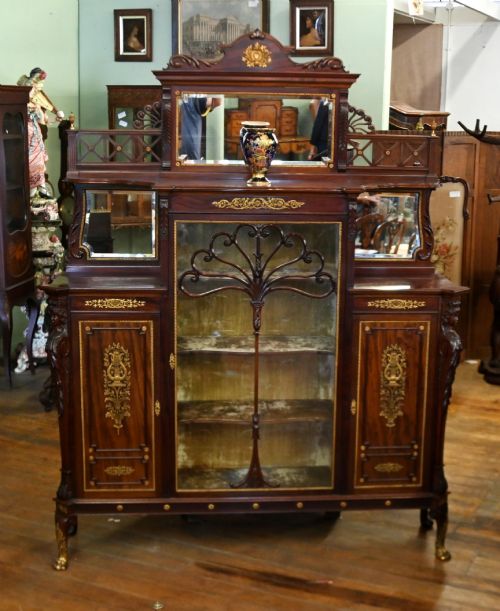
Glass panels were secured within wooden rebates or brass mounts, often utilising float or cylinder glass appropriate to the period of manufacture. Brass hardware, ormolu mounts, and inlaid stringing provided decorative contrast to the timber surfaces.
Vintage Cased Glass Retail Price Guide 2026
Typical asking prices for vintage cased glass among the pieces listed under this phrase on Sellingantiques today, from the lower quarter to the upper quarter. They describe what is for sale here now, not the wider market.
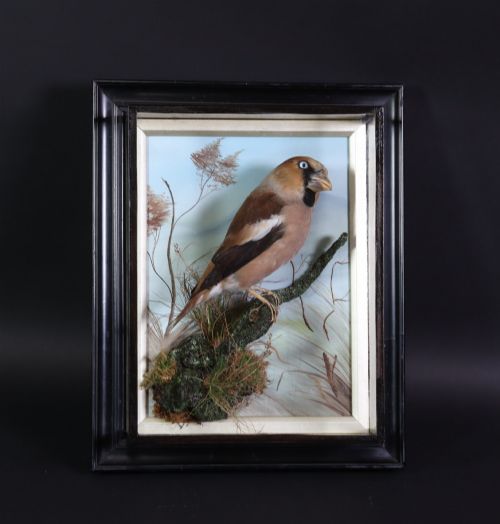
Preserved roach in a glass case offers a glimpse into Victorian parlour preservation hobbies.
Assessing Quality and Craftsmanship
Quality rests in the precision of the timber joinery, the selection of figured veneers, and the clarity of the original glass panes. Superior examples display balanced proportions, refined inlay work, and robust structural integrity across doors and hinges.
The refinement of brass mounts, carving detail, and the retention of original surface finishes distinguish finer pieces from standard utilitarian examples. Construction depth and material selection mark the distinction between mass-produced items and high-workshop outputs.
Raine of Carlisle·Cullingford of Durham·James Dixon And Sons·Little And Co
The Vintage Cased Glass Glossary
- Vitrine
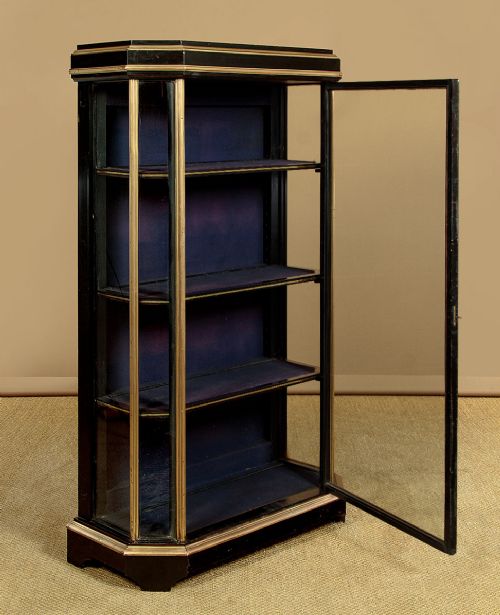
- A glass-fronted cabinet or display case specifically designed for showing fine porcelain, curiosities, or decorative objects. These pieces often feature glazed sides to maximise light penetration.
- Inlay
- A decorative technique where contrasting materials such as satinwood or brass are inserted into recesses in the primary wood surface. This method creates geometric or floral patterns across the furniture facade.
- Glazed
- Fitted with glass panes, typically referring to doors, sides, or entire enclosures of a cabinet. The proportion of glass to timber often defines the visual lightness of the piece.
- Ormolu
- Gilt bronze mounts applied to furniture edges and corners for decorative effect. This technique was popular in high-end cabinet making during the nineteenth century.
Vintage Cased Glass: Frequently Asked Questions
What is vintage cased glass?
Vintage cased glass refers to items enclosed within protective glass housings, cabinets, or specialised display boxes originating from historical periods. These pieces bring together functional timber furniture and protective glazing.
Buyers encounter various forms, from tall bookcases and wall-mounted vitrines to specialised taxidermy and instrument cases.
How do I date these pieces?
Dating relies on identifying characteristic timber choices, hardware types, and stylistic motifs associated with Victorian, Edwardian, or Art Deco eras. Construction methods also provide clear indicators of manufacturing period.
Examining internal joints and glass characteristics helps confirm the age of the housing.
Where were these cabinets used?
These enclosures served domestic drawing rooms, libraries, and commercial shops for displaying valuable possessions or retail goods. Specialised cases also protected delicate scientific instruments or preserved specimens.
Their robust construction allowed them to function effectively in busy commercial spaces as well as private homes.
How do I care for timber and glass?
Maintenance involves dusting timber surfaces with a dry cloth and cleaning glass panes using appropriate non-abrasive solutions. Keeping pieces away from direct sunlight and extreme humidity protects both wood and internal contents.
Regular checks of hinges and locks ensure the continued security of glazed doors.