



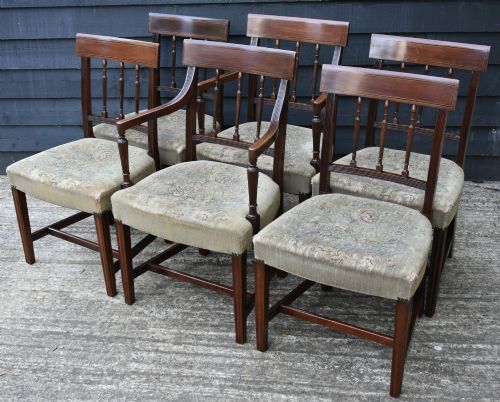
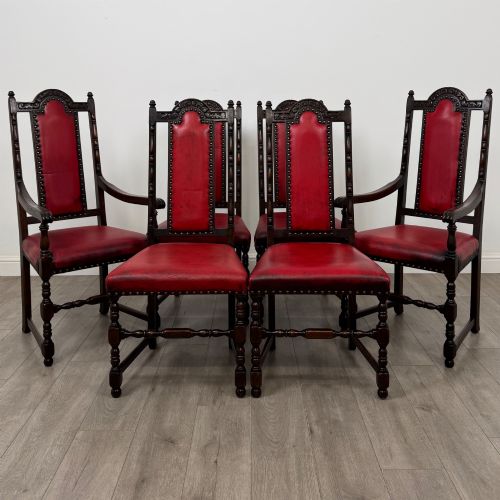
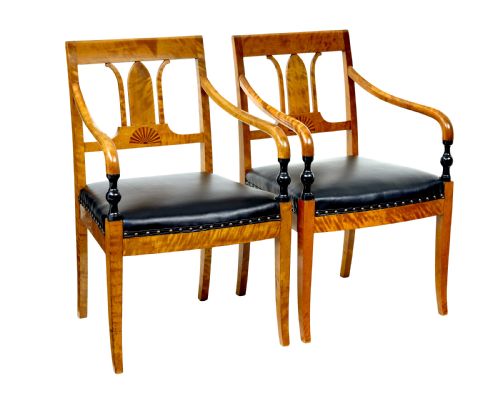
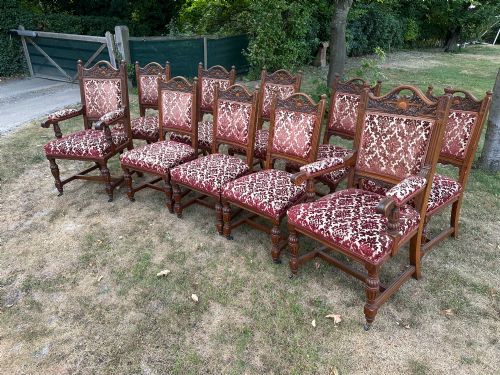
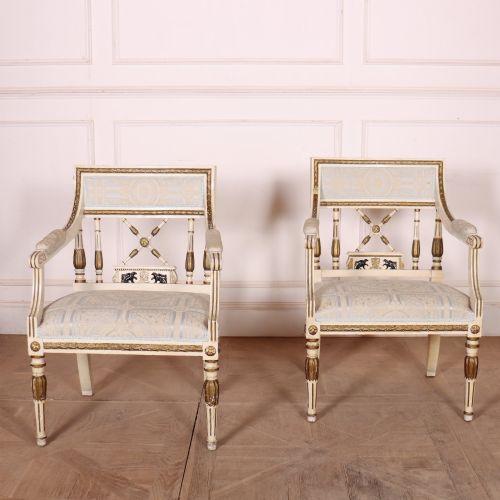
Vintage Carver Seat
A vintage carver seat provides a sturdy armrest and a supportive back for the head of the dining table.
Vintage Carver Seat
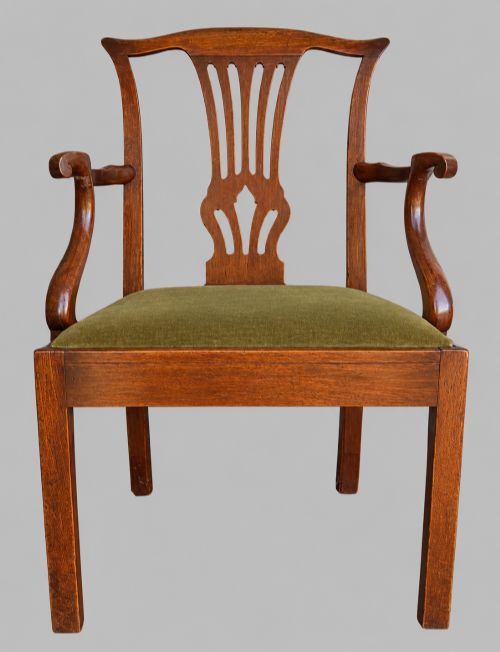
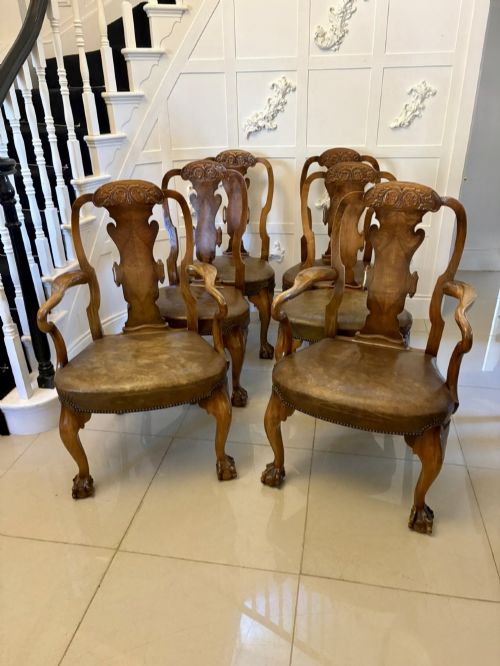
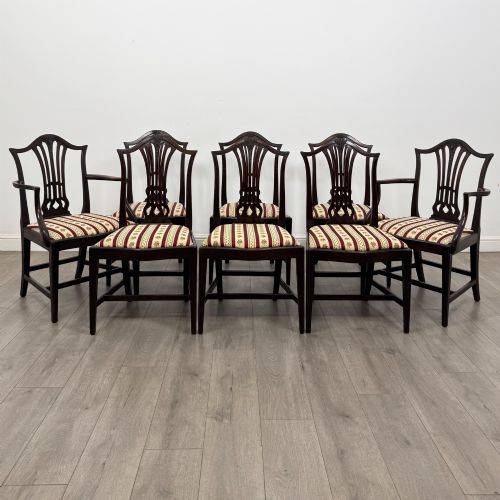
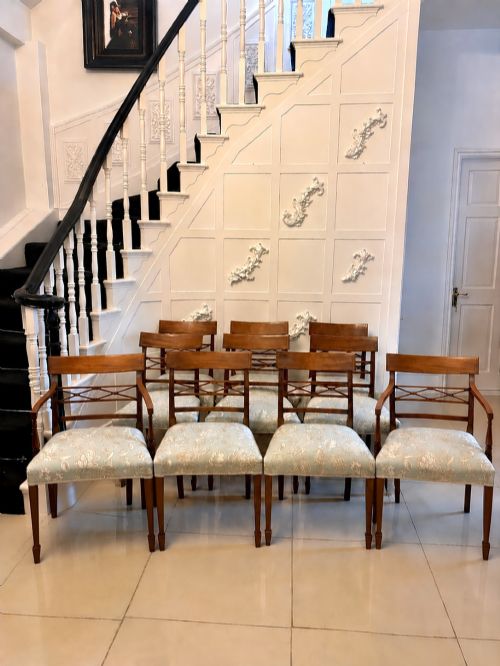
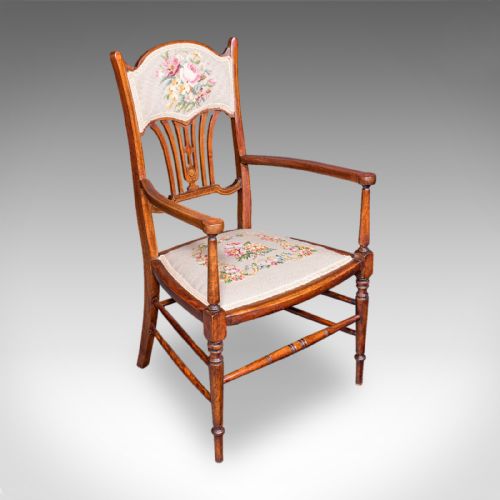
A vintage carver seat is typically an armchair designed to stand at the head of a dining table or serve as an occasional desk chair. Buyers searching this phrase encounter dining chairs and armchairs spanning the eighteenth, nineteenth, and twentieth centuries. These seats appear in styles ranging from English Country and Arts and Crafts to Chippendale and Regency revivals.
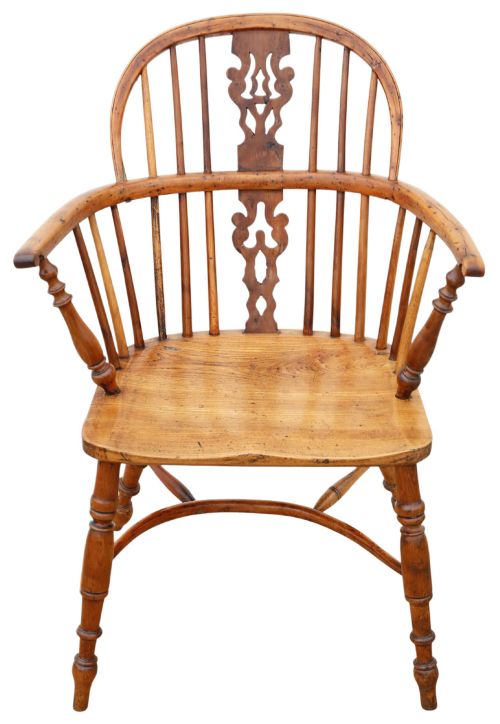
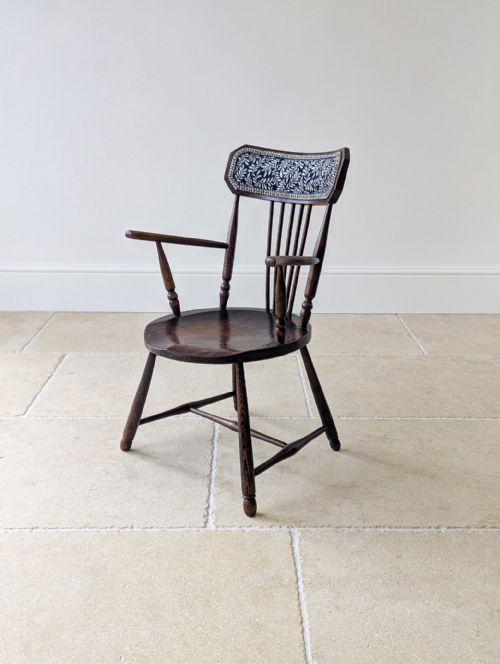
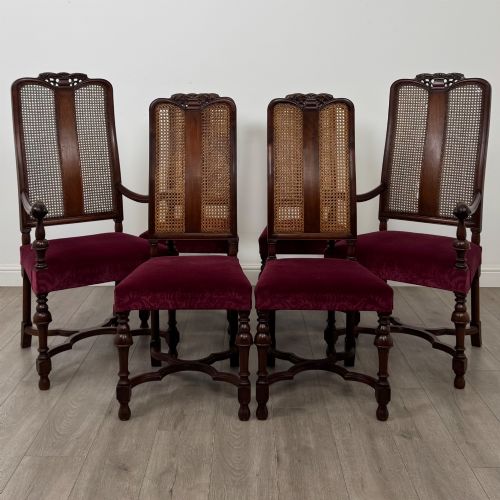
The materials recorded in these pieces include mahogany, oak, walnut, ash, elm, beech, and birch, often paired with rush, cane, leather, fabric, or velvet upholstery. Forms vary from Windsor and stick-back farmhouse models to shield-back dining chairs and heavy elbow chairs. The selection draws heavily on Victorian, Edwardian, and nineteenth-century craftsmanship.
Materials and construction
Makers utilised solid timbers such as mahogany, oak, walnut, elm, and beech to build the frames of these chairs. Turning, carving, and steam-bending shaped the wooden components, particularly in vernacular windsor and ladder-back forms.
Seats incorporate woven rush, cane panels, or padded cushions upholstered in leather, fabric, and velvet. Metal elements like brass appear occasionally for decorative detailing or structural bracing.
Listings feature items from the eighteenth, nineteenth, and twentieth centuries, using oak, mahogany, walnut, elm, and ash.
Distinguishing quality
The standard of a carver seat depends upon the crispness of the timber carving and the integrity of the joinery in the arms and legs. Heavier woods and well-preserved original surface finishes indicate superior workshop standards.
The selection of secondary timbers and the condition of woven or upholstered seats mark the difference between standard utilitarian pieces and finer stylistic revivals.
Liberty Morris Co·Maple Co
The Vintage Carver Seat Glossary
- Carver
- An armchair, usually larger than its companions, intended for the head of a dining table.
- Windsor
- A wooden chair constructed with a solid saddle-shaped seat into which the legs and back spindles are wedged directly.
- Shield back
- A chair back shaped in the outline of a heraldic shield, popularised in the eighteenth century and revived later.
- Rush
- Dried marsh grass twisted into cord and woven to form a flexible, supportive seat platform.
- Elbow chair
- An alternative term for an armchair, describing a seat with supports for the arms.
Vintage Carver Seat: Frequently Asked Questions
What is a carver seat?
A carver seat is an armchair traditionally placed at the head of a dining table. It differs from standard dining chairs by providing armrests for added comfort.
These chairs often match a larger set of dining chairs while offering a more substantial presence in the room.
How do I style a carver seat?
Place a single carver seat at the head of a dining table to create a focal point. They also function well as standalone desk chairs or occasional seating in a study.
Mixing different period styles adds character to a room without requiring a matching suite of furniture.
Are these chairs comfortable for daily use?
Many carver seats are designed with ergonomic wooden contours or upholstered pads for support. Rush and cane seats offer a resilient surface for prolonged sitting.
Adding a removable cushion can increase comfort while preserving the original seat material beneath.
How do I identify the period of a chair?
Period identification relies on observing the timber species, joinery techniques, and stylistic motifs present in the woodwork. Details like shield backs or Windsor spindle arrangements often point towards specific centuries.
Comparing the construction methods to documented historical examples helps confirm the age of the piece.