



English Georgian Chairs
English georgian chairs bring enduring form to the table and parlour, offering timeless seating crafted in native and imported timbers.
English Georgian Chairs
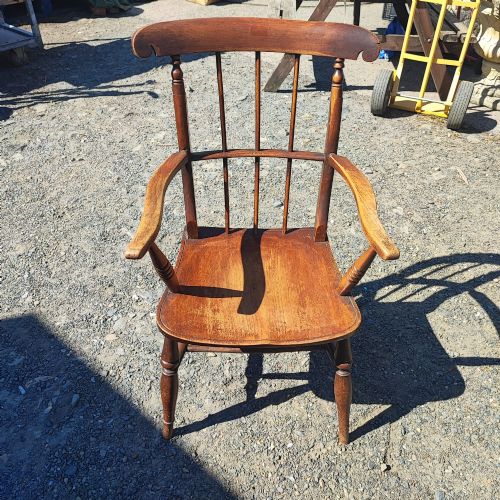
When you search for english georgian chairs, you encounter seating designed for dining, reading, and formal reception across the eighteenth and early nineteenth centuries. These include formal dining sets in mahogany alongside vernacular Windsor armchairs shaped from ash and elm.
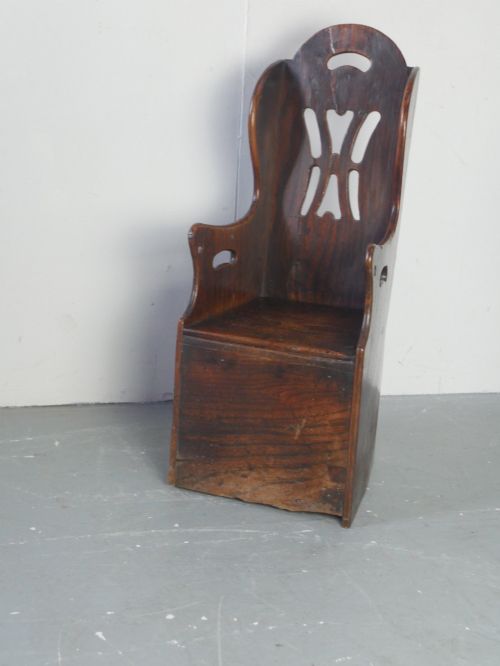
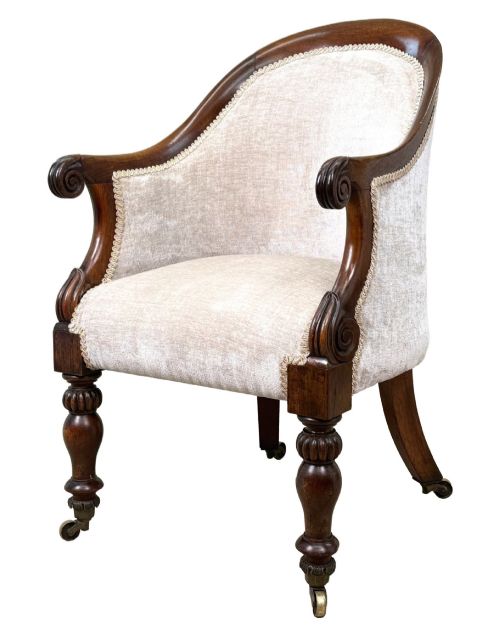
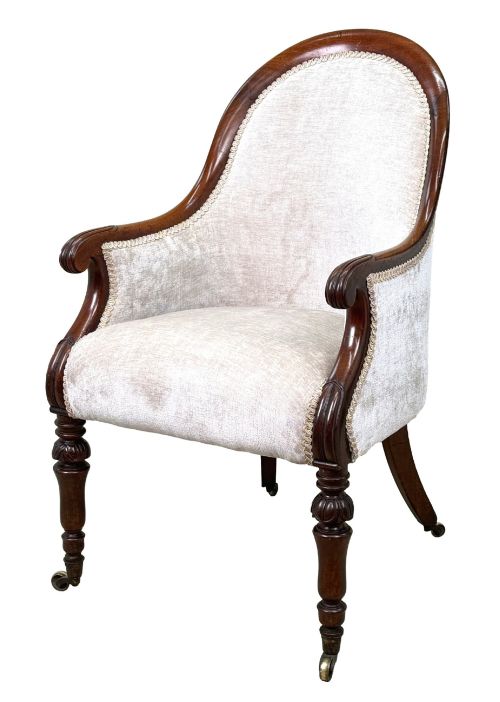
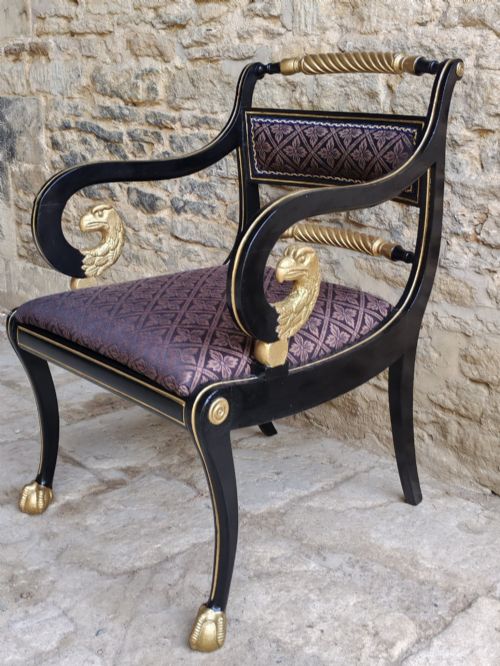
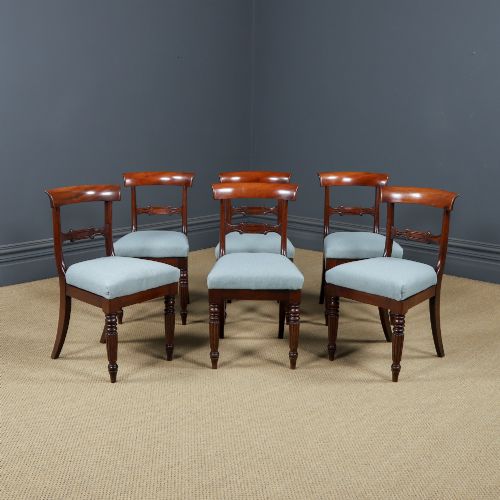
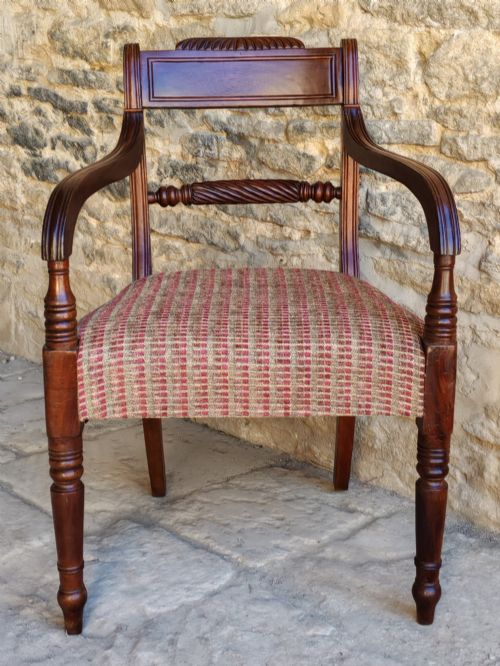
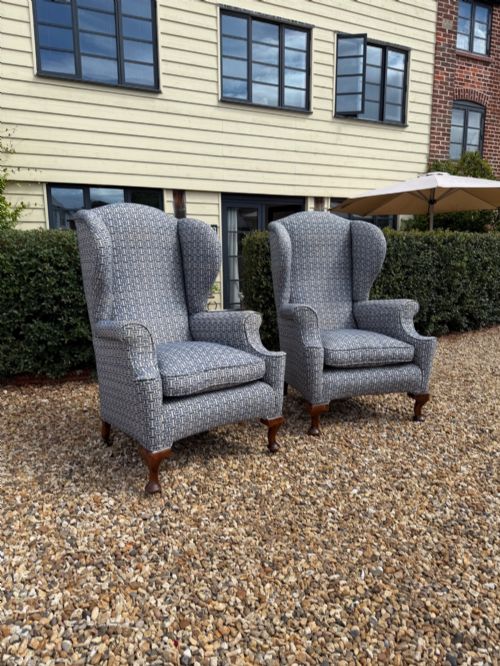
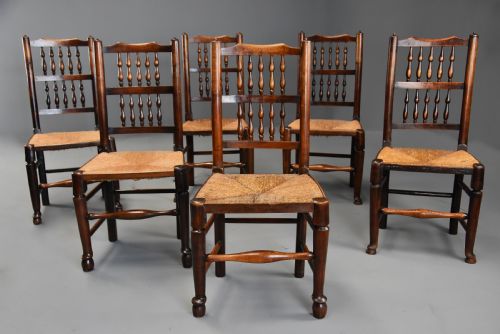
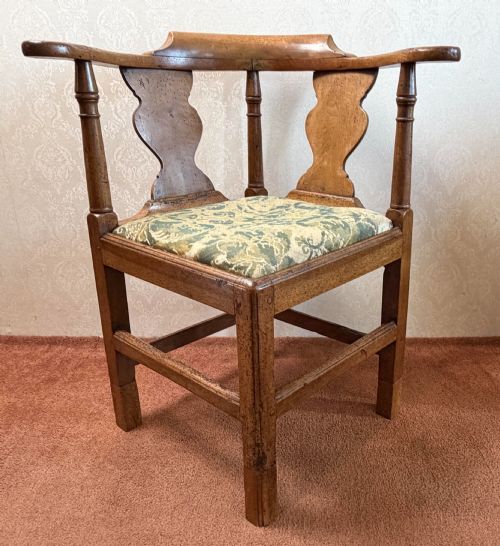
The domestic forms range from compact side chairs and library armchairs to grand wingbacks and hall chairs carved in oak. Dining chairs frequently survive in matched sets of four, six, or eight pieces.
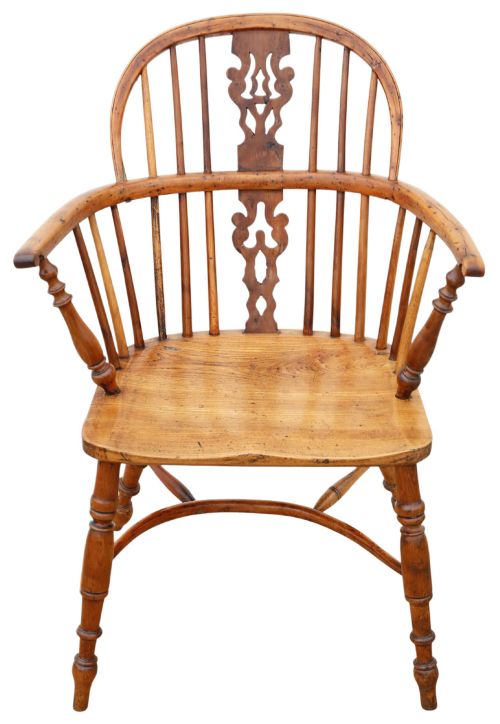
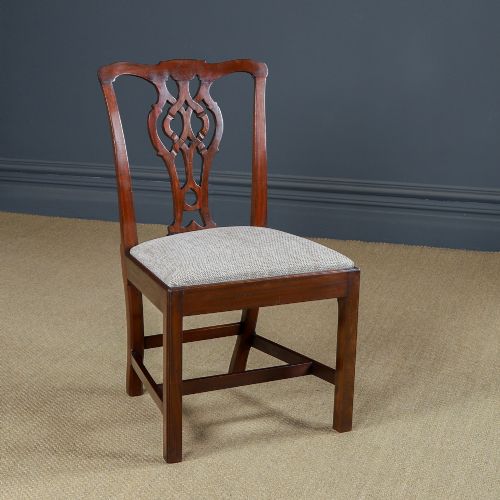
Country variants display local vernacular turns, including spindle backs, ladder backs, and wheel backs originating from regional workshops. Formal town versions adopt Chippendale, Hepplewhite, and Regency idioms with carved splats and reeded legs.
Materials and Construction
Makers utilised dense hardwoods such as mahogany and rosewood for formal urban seating, applying hand-carved details and polished finishes. Country workshops relied on native timbers like elm, ash, oak, and yew wood for strength and flexibility in vernacular frames.
Joinery techniques combined mortise and tenon joints with steam-bending for curved components like Windsor bows and shield backs. Upholstered models integrated horsehair stuffing and webbing secured to timber frames, occasionally paired with leather or tapestry covers.
Some sturdy country Windsors bear generations of dark polish accumulated from quiet farmhouse kitchens.
Judging Quality
Quality rests upon the integrity of the timber framing and the crispness of any carved ornament on splats, rails, and legs. Chairs retaining their original timber surfaces and structural joints command greater regard than heavily restored examples.
Proportion and timber selection dictate distinction, where figured mahogany or well-matched ash and elm demonstrate superior craftsmanship. The subtlety of turning on spindles and legs separates standard vernacular output from finer workshop productions.
Thomas Chippendale·Gillows
The English Georgian Chairs Glossary
- Carver
- An armchair designed with elbow rests, often made to match a set of single dining chairs. These served as head-of-the-table seating.
- Splath
- The vertical wooden central slat within a chair back that provides lumbar support and carries stylistic carving. Chippendale and Hepplewhite designs relied heavily on shaped splats.
- Windsor
- A traditional chair type featuring a solid wooden saddle seat into which turned legs and spindles are wedged. Common regional timbers include ash and elm.
- Bar Back
- A horizontal top rail spanning the uprights of a dining chair, frequently shaped or reeded in Regency models.
- Wainscot
- An early heavy wooden armchair constructed with panelled backboards and turned supports, originating before the lighter eighteenth-century styles.
English Georgian Chairs: Frequently Asked Questions
How do I identify a true Georgian dining chair?
Examine the timber species, joinery construction, and stylistic motifs present on the back splat and legs. Eighteenth-century examples generally display pegged mortise and tenon joints rather than modern metal fixings.
Compare the proportions and carved details against established cabinet-maker patterns from the period. Regional country pieces often utilise mixed timbers like ash and elm whilst town chairs favour mahogany.
Were armchairs used at dining tables?
Armchairs, often termed carvers or elbow chairs, were traditionally placed at the head and foot of a dining table. The remaining sides accommodated matching single or side chairs without arms.
This arrangement distinguished the host and hostess while preserving elbow room for guests seated along the flanks.
How should I care for antique timber chairs?
Maintain stable indoor humidity levels and keep wooden seating away from direct heat sources and strong sunlight. Regular dusting with a soft dry cloth protects the polished surface.
Apply high-quality beeswax sparingly when the timber appears dry, buffing gently to preserve the historic sheen without building up heavy wax layers.
What is the difference between a side chair and an armchair?
Side chairs are compact seats without arms designed primarily for dining around a table or placed against a wall. Armchairs include structural elbow rests intended for comfort in libraries, parlours, or at the head of a table.
Both forms share matching stylistic vocabularies within formal dining sets.