

Vintage Carver Dining Chair
A vintage carver dining chair provides sturdy support at the table head, combining traditional craftsmanship with period character.
Vintage Carver Dining Chair
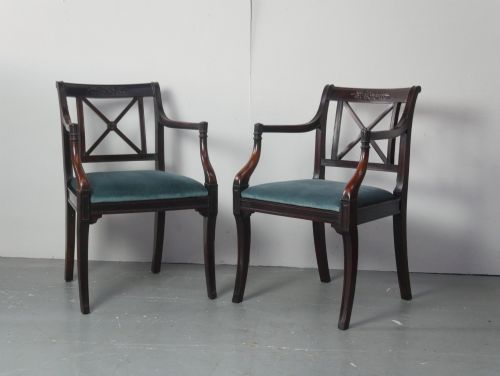
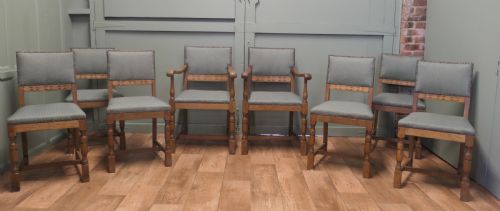
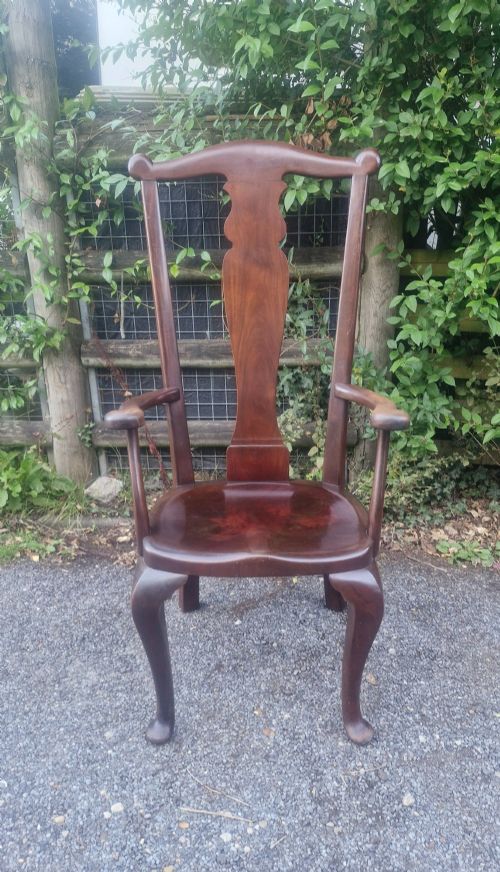
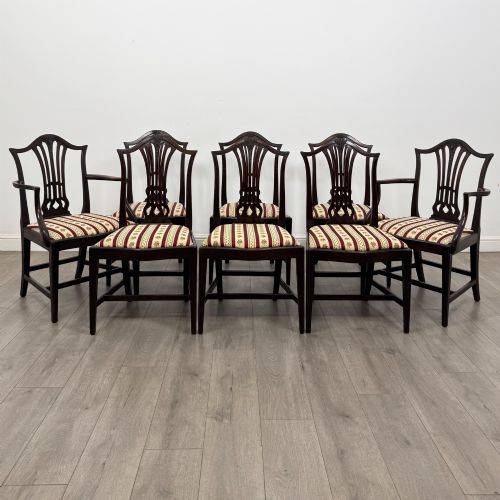
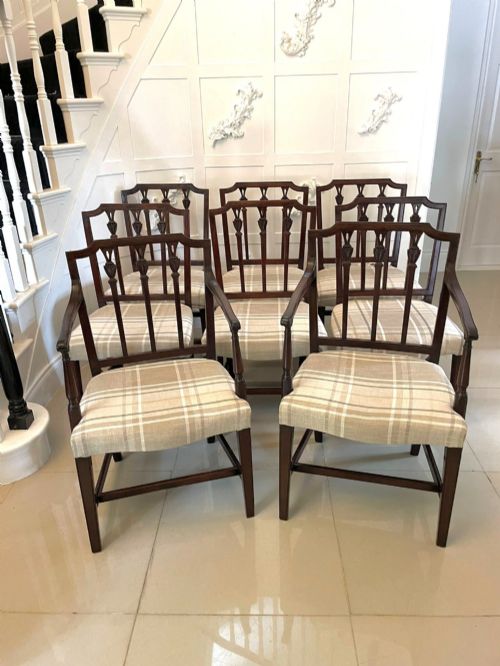
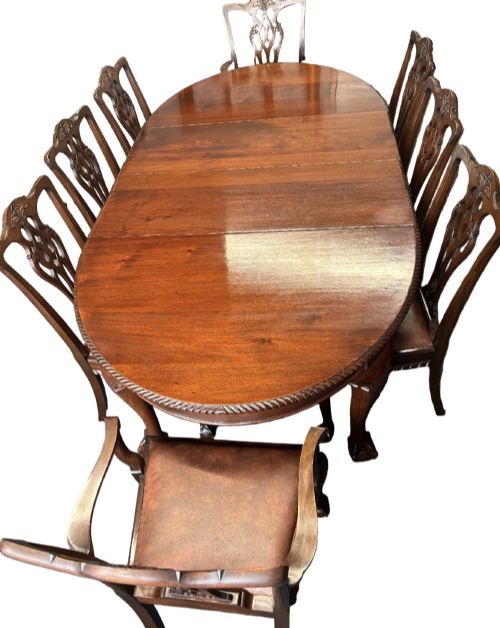
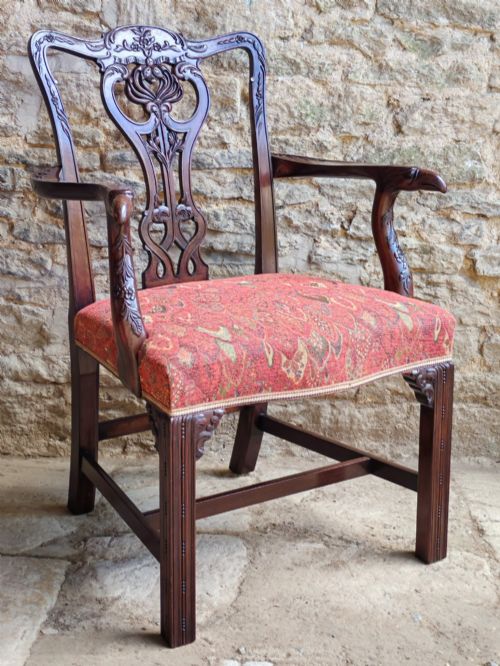
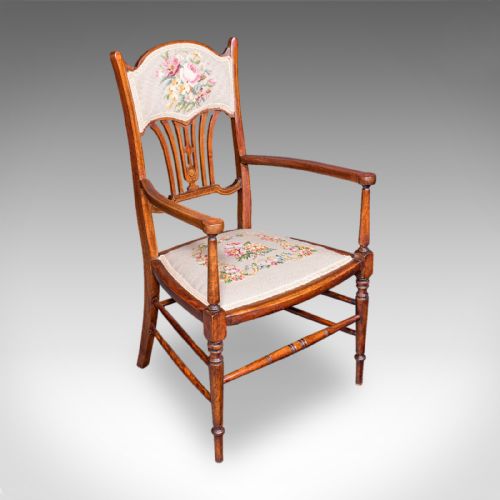
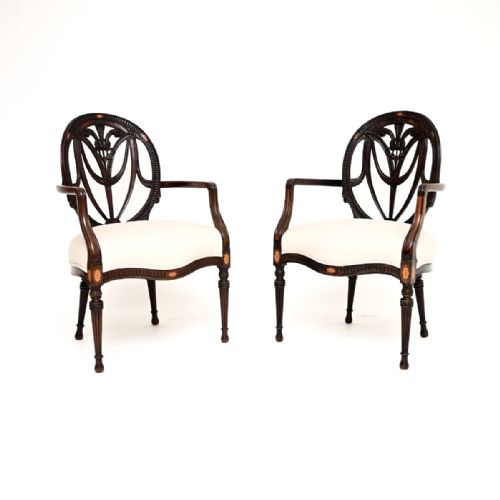
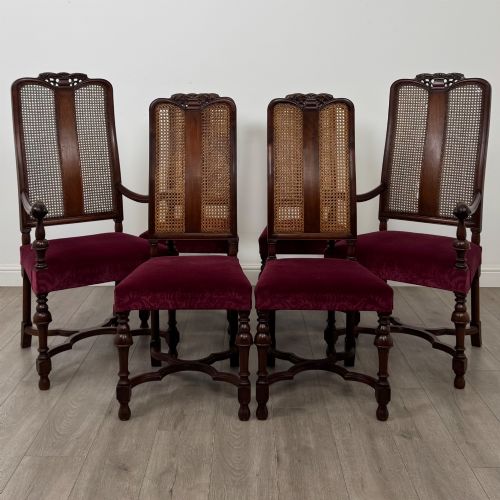
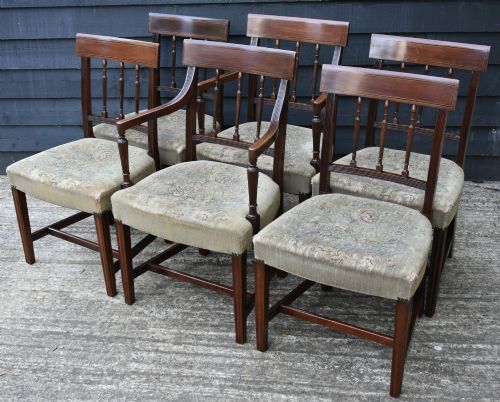
A vintage carver dining chair is an armchair designed specifically for use at a dining table, featuring supportive armrests and a higher profile than standard side chairs. Buyers searching for a vintage carver dining chair frequently encounter mahogany and oak constructions spanning the eighteenth century through to the Edwardian period and the 1930s.
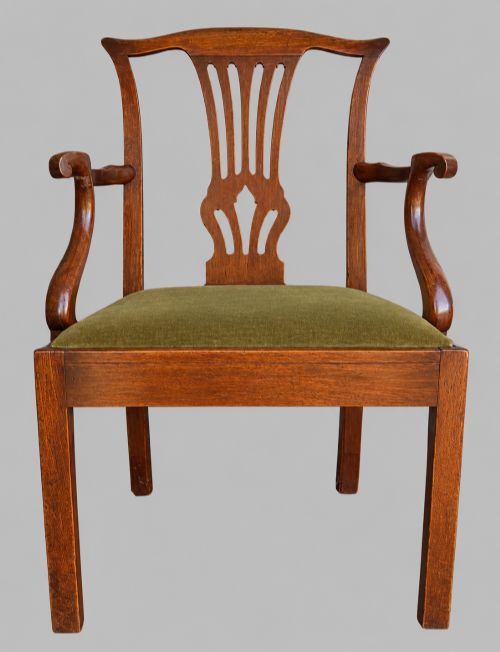
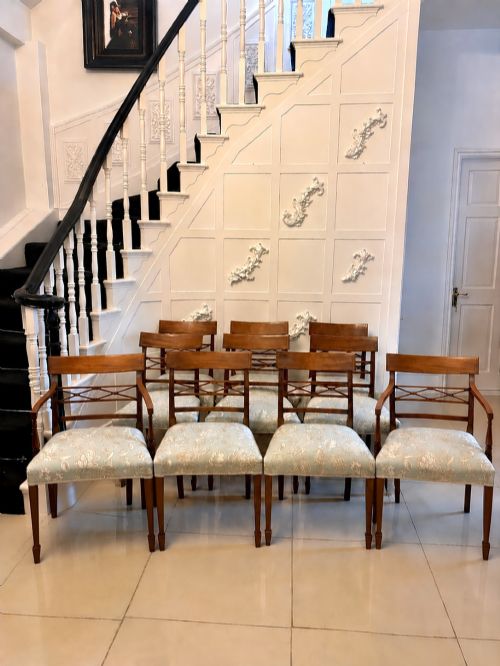
The selection here encompasses individual pieces, pairs, and armchairs forming part of larger dining sets or suites. Common stylistic influences include Chippendale, Hepplewhite, and Regency revivals alongside Arts and Crafts designs.
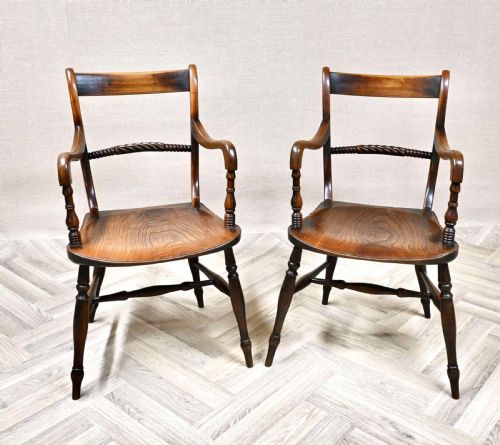
Country variants utilising ash, elm, beech, and rush demonstrate regional vernacular traditions. These seating options serve practical daily dining functions while anchoring the aesthetic of a traditional room.
Materials and construction methods
Makers relied heavily on solid hardwoods such as mahogany and oak for structural integrity, utilising dense grain patterns to withstand daily weight and movement. Secondary timbers like ash and elm appear frequently in country and Windsor armchairs.
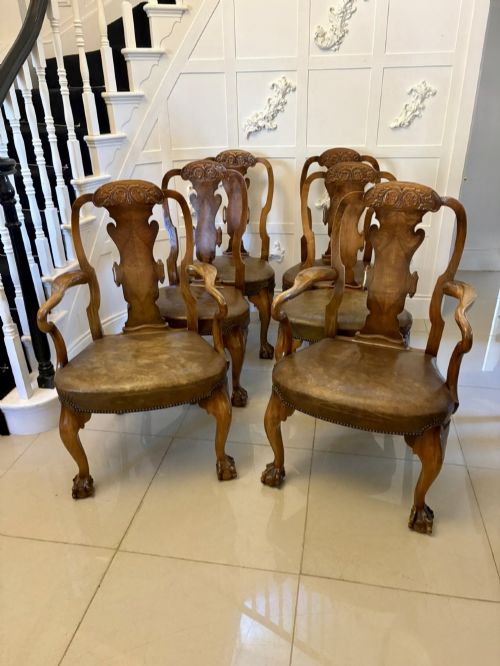
Joinery techniques involved mortise and tenon joints secured with pegs or glue, ensuring the arm joints remained rigid over decades of use. Upholstered variants integrated webbing, horsehair, and leather fastened with brass tacks over supportive springing.
Some country chairs incorporate humble rush seating designed to offer flexible give before modern foam existed.
Assessing quality and craftsmanship
Superior examples display crisp hand-carved detailing on the splats, arms, and top rails, whereas lower-tier pieces show softer edges and simpler machine profiling. The choice of timber grain and the uniformity of the timber selection across a pair or set heavily influence the overall distinction of the chair.
Structural stability depends upon original joinery remaining tight without excessive movement in the arm joints. The retention of original leather upholstery, brass detailing, and maker stamps elevates the historical integrity of the piece.
Howard and Sons·Maple and Co·Alfred Allen of Birmingham·Edward Barnsley
The Vintage Carver Dining Chair Glossary
- Carver
- An armchair designed to match a set of dining side chairs, traditionally placed at the head of the dining table.
- Shield Back
- A chair back shaped like a heraldic shield, popular in Hepplewhite and Georgian revival designs.
- Ladder Back
- A chair back featuring horizontal wooden slats resembling the rungs of a ladder, common in country oak seating.
- Barback
- A chair style featuring a horizontal wooden bar across the upper back uprights, often paired with ropetwist detailing.
- Windsor
- A traditional wooden chair constructed with a solid sculpted seat into which the legs and back spindles are directly wedged.
Vintage Carver Dining Chair: Frequently Asked Questions
What is a carver dining chair?
A carver dining chair is an armchair designed to accompany a set of dining chairs, typically positioned at the ends of the table.
These chairs feature supportive armrests that provide extra comfort for the host or head of the household during meals.
How do I care for antique wood chairs?
Keep wooden chairs away from direct heat sources and dramatic humidity fluctuations to prevent the timber from splitting or warping.
Apply a traditional beeswax polish occasionally and buff with a soft cloth to nourish the finish.
Can I mix carvers with different chairs?
Mixing a carver with different dining chairs works well if the wood tones or period styles share common visual characteristics.
Matching the timber, such as pairing mahogany with mahogany, helps create a cohesive look around the dining table.
How can I tell the period of a chair?
The period of a chair is identified through construction methods, timber choice, and stylistic motifs characteristic of specific eras.
Revival pieces often combine older design tropes like Chippendale backs with late nineteenth-century or early twentieth-century manufacturing techniques.