

Vintage Carved Occasional Table
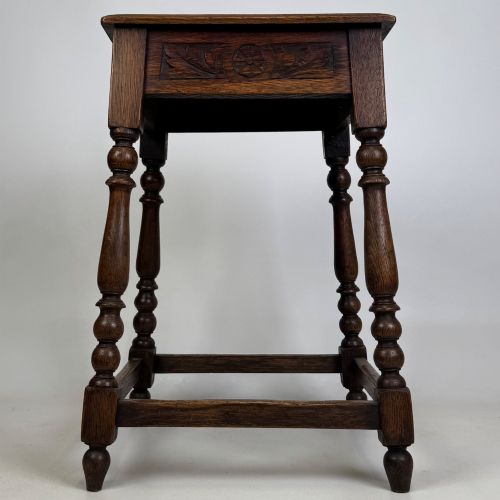
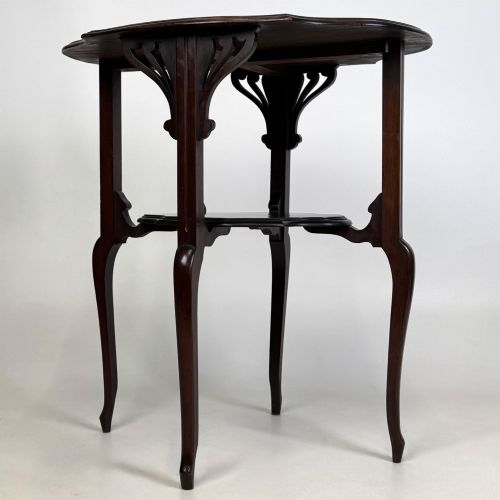
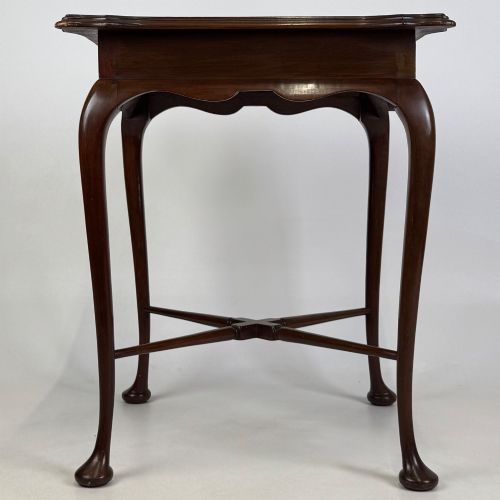
A vintage carved occasional table brings flexible surface space and rich wood grain into a room, spanning Edwardian, Victorian and twentieth-century periods.
Vintage Carved Occasional Table
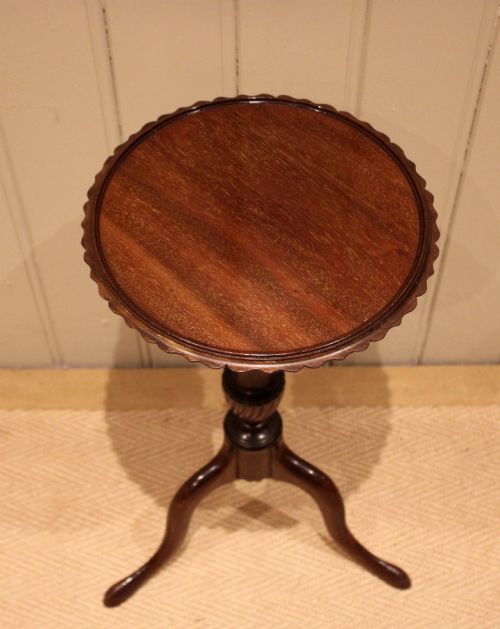
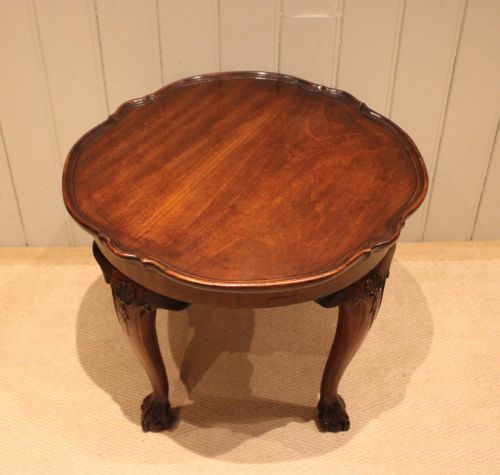
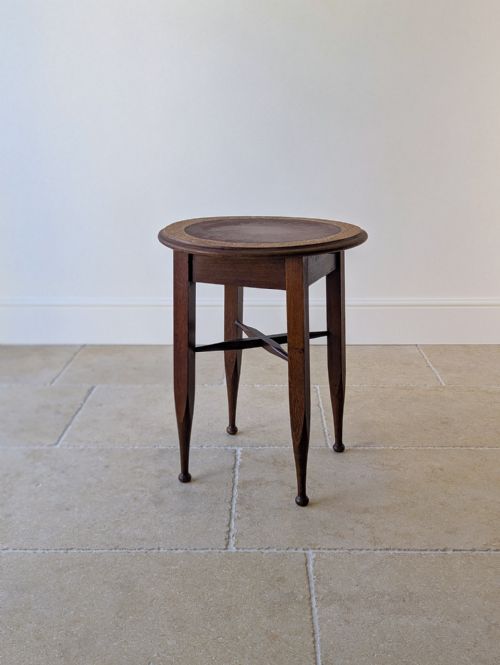
A vintage carved occasional table functions as a versatile movable surface for lamps, books and decorative objects within domestic interiors. These pieces appear frequently from Edwardian and Victorian periods, alongside items dated across the late nineteenth and early twentieth centuries.
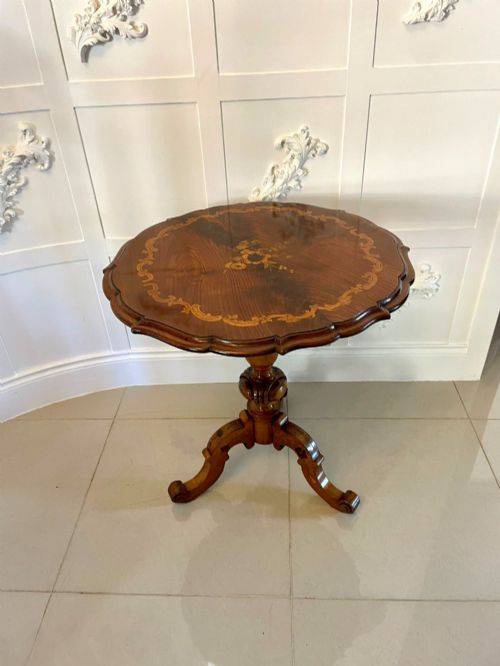
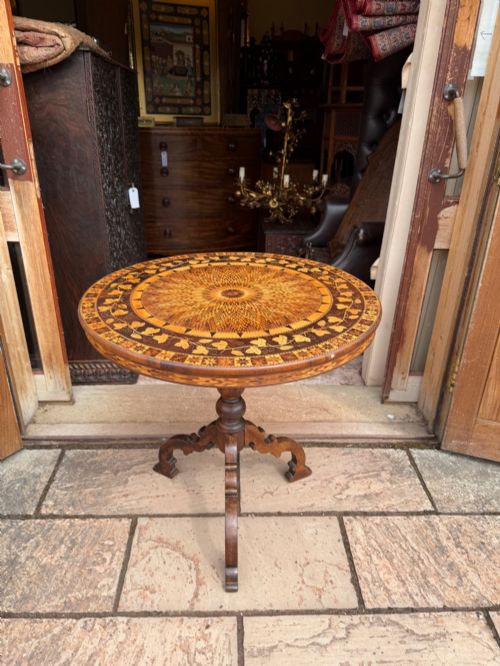
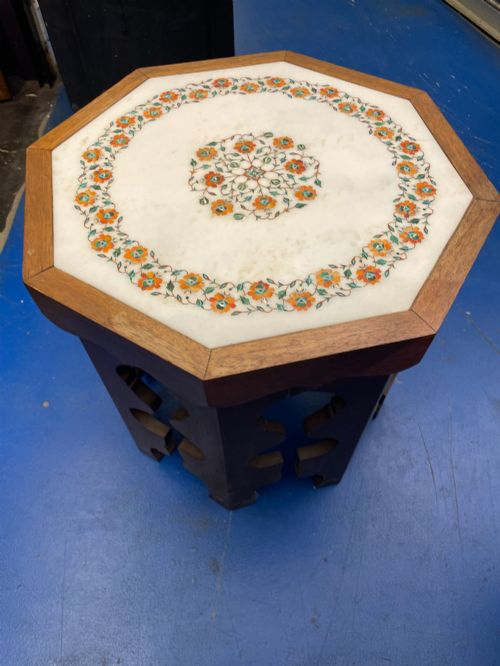
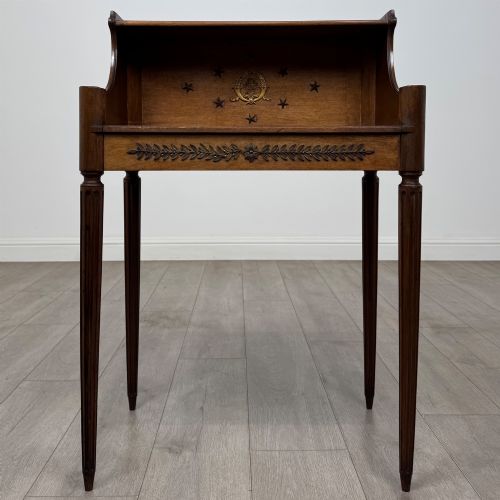
The inventory demonstrates substantial variety in form, encompassing dedicated occasional tables alongside related side tables, coffee tables, wine tables, and specialised pieces like work and sewing tables. Oak, mahogany, and walnut dominate the selection, frequently enhanced by carving, marquetry inlay, or specialised regional styles such as Anglo-Indian and French Provincial.
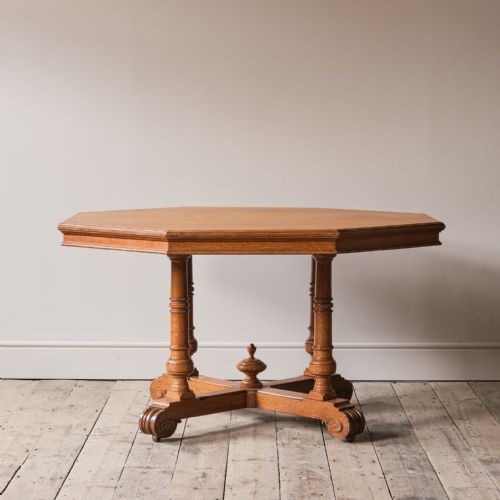
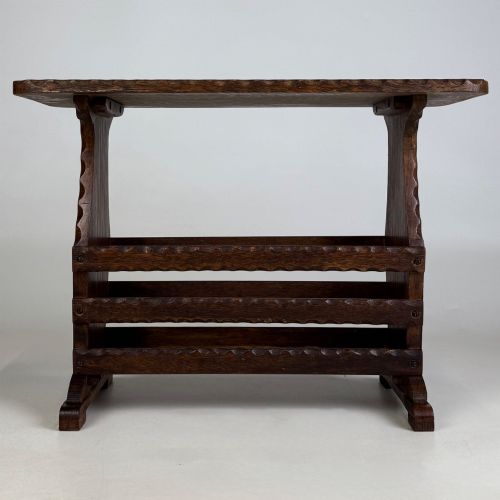
Buyers encounter numerous regional and stylistic interpretations, from solid oak Jacobean revival examples to walnut lamp tables and chip-carved designs. These smaller tables suit placement beside seating or in hallways, offering practical utility combined with period craftsmanship.
Materials and construction methods
Cabinetmakers utilised hardwoods including mahogany, oak, walnut, burr walnut, and rosewood, often selecting figured veneers to create patterned surfaces on table tops. Secondary timbers provided structural stability for frames, legs, and internal compartments.
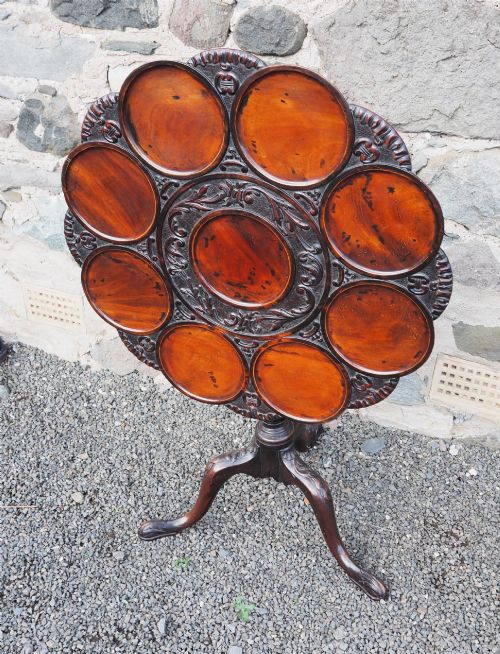
Construction relied upon traditional joinery techniques, while decorative enrichment involved hand carving, chip carving, marquetry inlay, and occasionally mother of pearl or bone inlay. Finishes were hand-applied to enhance the natural grain and colour of the timber.
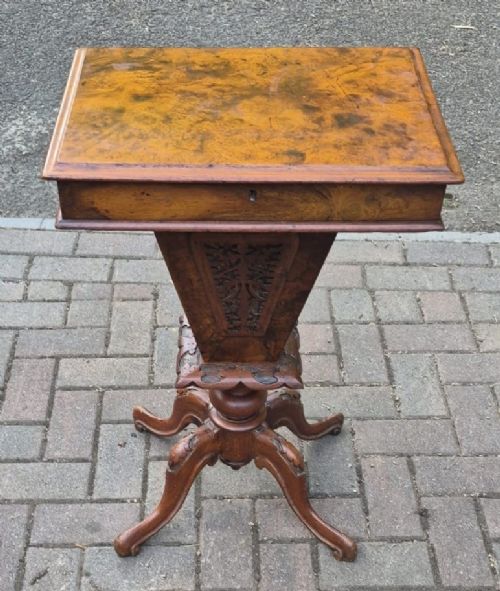
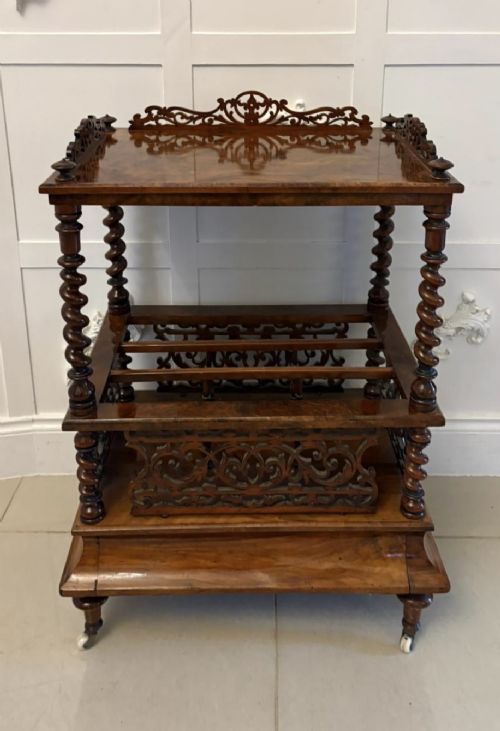
Some tables double as magazine racks or sewing boxes, proving that Victorians loved clever furniture that could multitask before the modern apartment was even invented.
Distinctions in quality and execution
Quality separates pieces through the crispness of the hand carving and the selection of timber veneers, such as highly figured burr walnut or rich mahogany. Superior examples display refined proportions, balanced joinery, and meticulous attention to decorative details like inlay or edge moulding.
Lesser pieces exhibit simpler construction, heavier proportions, or mechanical rather than hand-executed ornamentation. The integrity of the timber, the stability of the frame, and the finesse of the surface finish ultimately determine the standing of an individual table.
The Vintage Carved Occasional Table Glossary
- Occasional table
- A small, light table designed to be moved around a room as needed. These versatile pieces serve various domestic purposes near seating areas.
- Marquetry
- Decorative veneer work forming pictures or patterns by using thin slices of wood and other materials. This technique adds ornamental complexity to table tops.
- Chip carving
- A style of carving where small chips are removed from a flat surface in a geometric pattern. It creates distinct texture on oak and ebonised tables.
- Sutherland table
- A narrow drop-leaf table with hinged flaps that fold down almost vertically. It provides an expanding surface while taking up minimal floor space when closed.
- Etagere
- A piece of furniture consisting of a set of open shelves for displaying small objects. These tiered stands combine display capacity with compact footprints.
Vintage Carved Occasional Table: Frequently Asked Questions
What is an occasional table used for?
An occasional table provides a convenient surface for holding lamps, drinks, books, or decorative items within a living space. Because these pieces are light and compact, they move easily to wherever extra surface area is required.
Historically, they filled various domestic roles depending on their specific form, such as sewing tables with storage compartments or wine tables designed for drinks.
How do I identify an Edwardian table?
Edwardian tables generally date from the period between nineteen hundred and nineteen ten, often reflecting lighter proportions and revivals of earlier eighteenth-century designs. They frequently feature mahogany or oak construction with subtle carving or inlay.
Examining the construction methods, secondary timbers, and overall styling helps distinguish these pieces from heavier Victorian predecessors or later twentieth-century iterations.
Are these tables solid wood?
Many tables utilise solid timbers such as oak, mahogany, or walnut, particularly for legs, frames, and carved elements. Other pieces incorporate veneers over stable secondary woods to display striking grain patterns like burr walnut.
Both solid construction and veneering represent authentic period manufacturing methods used by cabinetmakers to balance structural stability with visual appeal.
How do I care for a vintage wood table?
Maintain vintage wood surfaces by keeping them away from direct sunlight and extreme humidity fluctuations, which can cause timber to warp or split. Regular dusting with a soft, dry cloth preserves the finish without building up residue.
Applying occasional appropriate wax polish helps nourish the wood and maintain a gentle sheen on antique walnut, mahogany, and oak surfaces.