
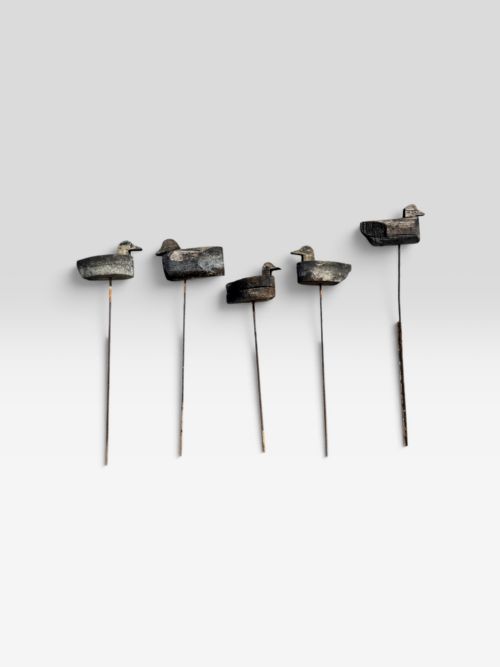
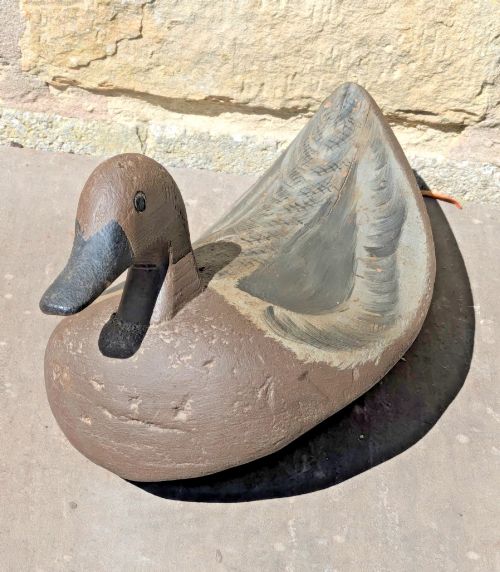
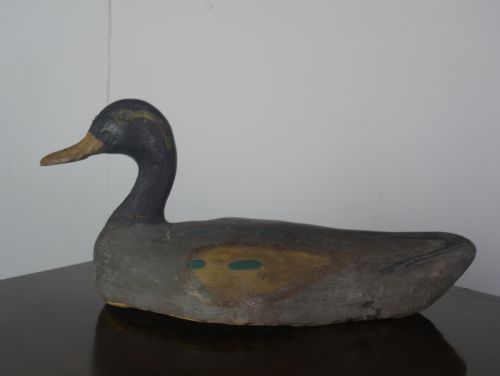


Vintage Carved Duck Sculpture
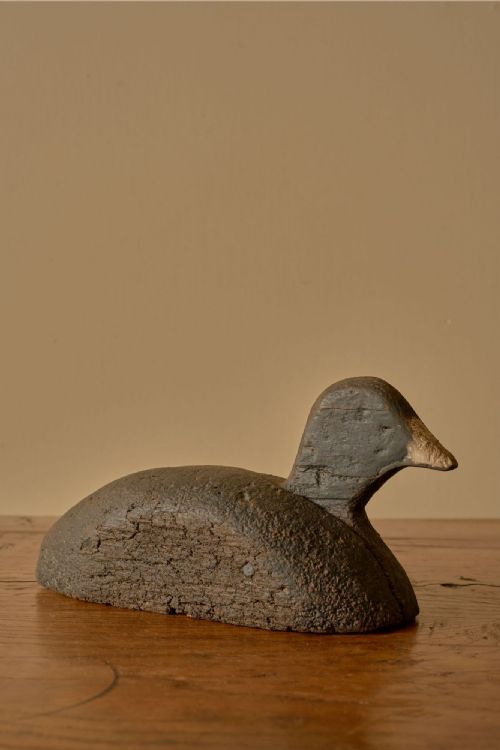
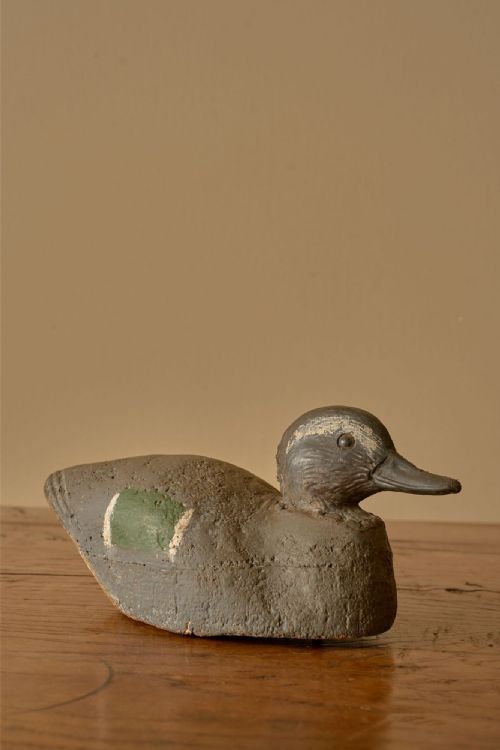
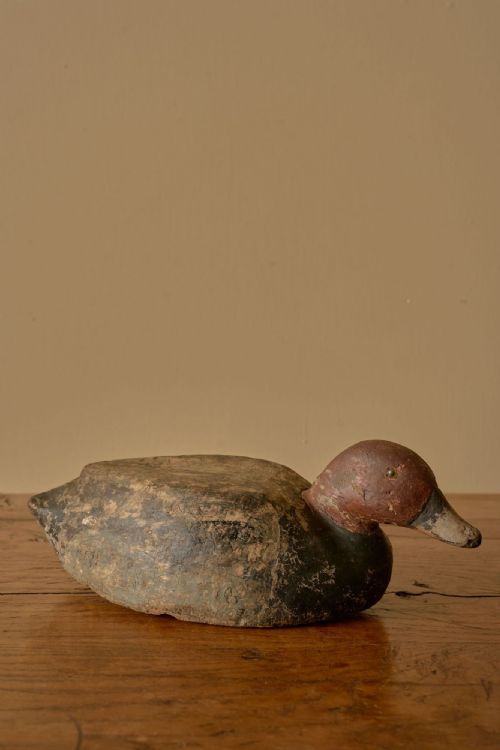
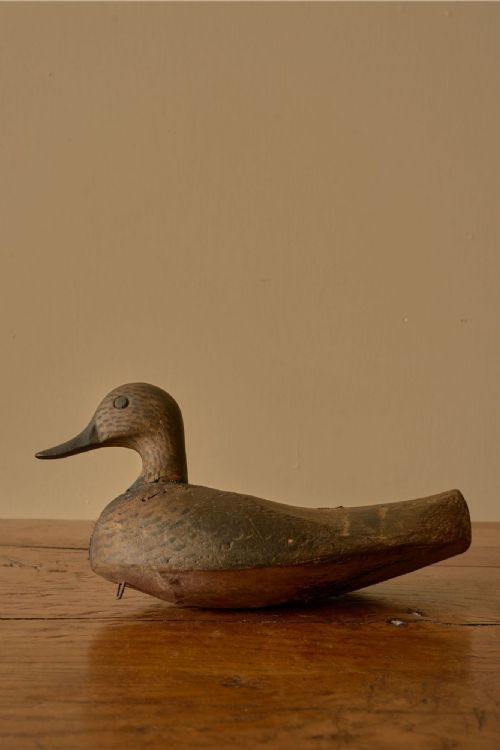
These vintage carved duck sculptures bring genuine working decoy form and hand-painted folk art character straight into your interior.
Vintage Carved Duck Sculpture
A vintage carved duck sculpture typically takes the form of a working decoy duck, originating from both English and French folk art traditions. You will encounter painted wooden bodies shaped to mimic waterfowl, alongside specific regional interpretations like an American loon with her chick.
The selection ranges across the Edwardian era, the nineteen-twenties, and the nineteen-thirties, supplemented by nineteenth-century examples and Chinese Qing Dynasty carved hardwood Mandarin ducks. Most pieces you meet on this page are functional decoys or decorative water birds created from carved timber and pine.
These sculptures bridge the gap between utilitarian sporting equipment and vernacular folk art sculpture. Whether rendered as a lone hand-painted decoy or a matched pair of auspicious birds, they serve primarily as decorative objects within a room.
Carving and painting timber
Makers shaped these sculptures from solid blocks of wood, timber, pine, and hardwood using hand-carving techniques. The resulting forms show the tool marks and surface textures left by the maker's hand before any finishing took place.
Surfaces were finished with applied paint, giving each decoy its characteristic plumage pattern and colour scheme. Some examples incorporate additional materials like glass eyes or iron weights to complete the construction.
Object types range from working decoy ducks and folk art sculptures to Qing Dynasty Mandarin duck carvings.
Form and surface retention
The distinction between ordinary and exceptional pieces lies in the strength of the carving and the originality of the painted surface. Sculptures with crisp, purposeful lines in the timber and undisturbed historic paint hold greater visual presence.
Condition involves the natural patination of the wood and the stability of the painted layer over decades of exposure. Pieces that retain their original working character without heavy modern intervention sit at the higher end of the range.
The Vintage Carved Duck Sculpture Glossary
- Decoy duck
- A carved and painted wooden bird historically used by hunters to attract real waterfowl. These working objects form the foundation of this sculptural category.
- Folk art
- Art produced by self-taught or untrained makers working within a community tradition. These sculptures rely on practical utility and regional style rather than academic rules.
- Mandarin duck
- A species of perching duck frequently depicted in Asian art. In Qing Dynasty sculpture, pairs of these birds symbolise fidelity and marital harmony.
- Edwardian
- Relating to the reign of King Edward VII, spanning the early years of the twentieth century. Pieces from this period often display refined craftsmanship combined with traditional domestic utility.
Vintage Carved Duck Sculpture: Frequently Asked Questions
How do I date a wooden decoy duck?
Dating a decoy relies on examining the tool marks, timber types, and the composition of the paint layers. Earlier nineteenth-century and Edwardian pieces often show heavier hand-working and specific regional forms.
Constructive details such as iron hardware, glass eyes, or the specific style of folk painting also provide clues to the era of production. Comparing the silhouette and wood density to known regional styles helps narrow down the decade.
Where should I display these sculptures?
These carved birds suit a variety of surfaces, including mantelpieces, bookshelves, and side tables, where their silhouette can be appreciated from multiple angles. They pair particularly well with natural materials like stone, leather, and unpainted timber.
Because they originate as working objects or rustic folk art, they add character to both traditional country houses and contemporary minimalist spaces. Keep them away from direct heat sources to protect the aged wood and painted surfaces.
What is the difference between English and French decoys?
English and French decoys often reflect the distinct regional carving traditions and shooting practices of their respective countries. French folk art pieces frequently emphasise rustic charm and distinct decorative interpretations of water birds.
English examples from the Edwardian period tend to focus on the functional utility required for shooting on local waterways and estuaries. Both traditions result in sculptural objects that celebrate vernacular woodworking skills.