

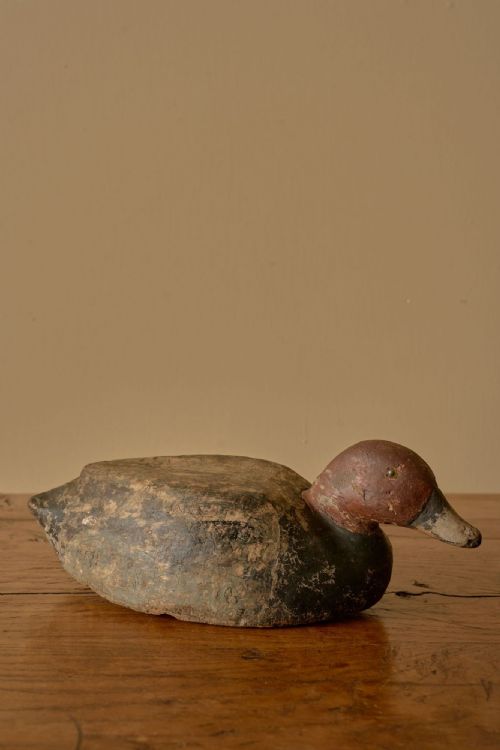
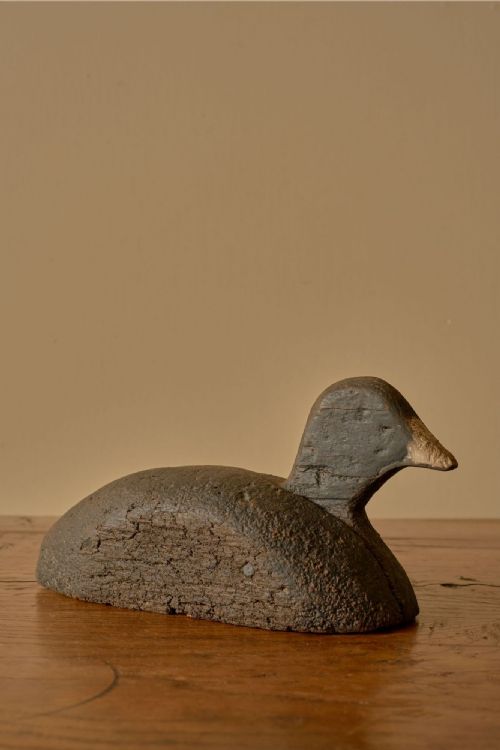
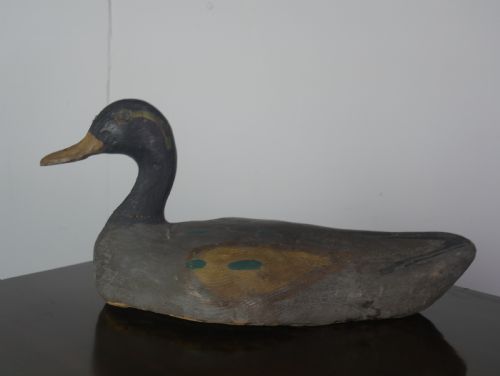


Vintage Carved Decoy Duck
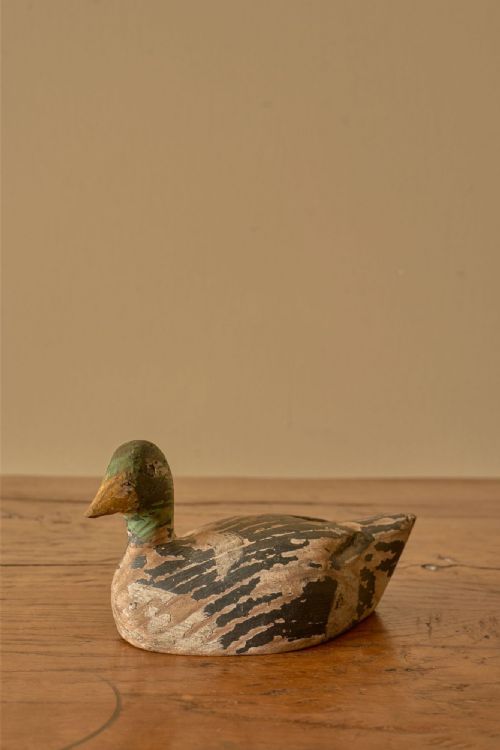
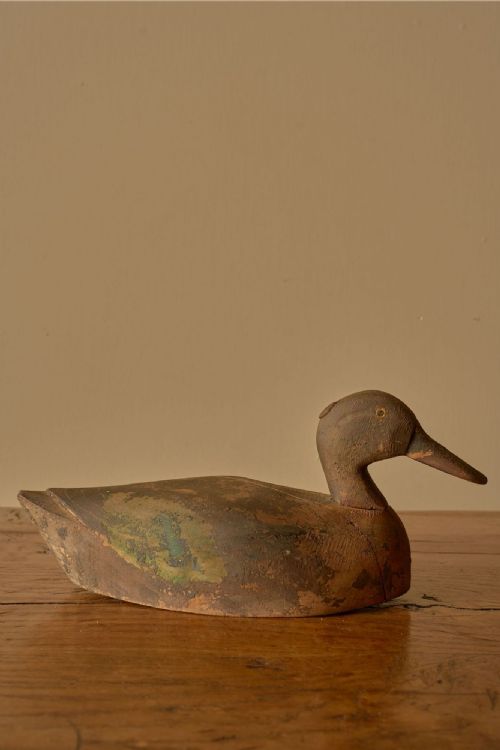
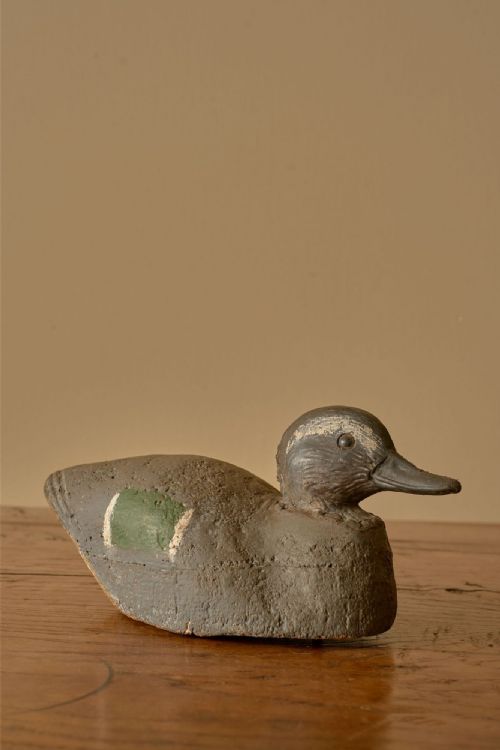
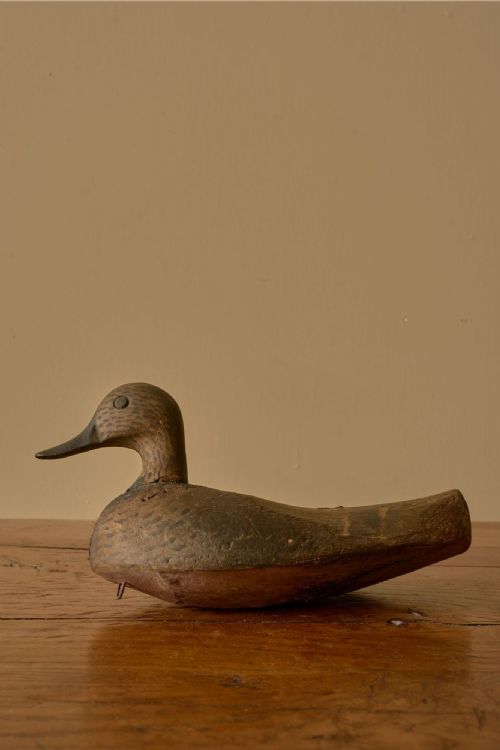
These vintage carved decoy duck pieces are working water bird sculptures shaped by hand to lure fowl, offering rustic charm for modern display.
Vintage Carved Decoy Duck
When you search for vintage carved decoy duck, you find working water bird sculptures shaped to attract fowl for shooting. The selection includes solitary birds alongside decorative sculptures and forms representing an American loon with a chick.
Most examples originate from the nineteenth century, the Edwardian era, and the nineteen-twenties or nineteen-thirties. English country folk art dominates the listings, alongside pieces noted as French or simply early twentieth century.
How they were made
Carvers shaped timber, wood, carved wood, pine, and iron into solid water bird forms. These materials were worked by hand to create simple, heavy bodies suited to floating on water.
Surfaces received layers of paint, often applied by hand to render natural feather patterns and markings. Glass eyes sometimes appear in the heads to add a lifelike finish to the decoys.
Vintage Carved Decoy Duck Retail Price Guide 2026
Typical asking prices for vintage carved decoy duck among the pieces listed under this phrase on Sellingantiques today, from the lower quarter to the upper quarter. They describe what is for sale here now, not the wider market.
One decoy even brings along a tiny chick, proving that motherly dedication knows no bounds, even in carved pine.
What varies in quality
Quality rests upon the strength of the carving and the character of the original paint surface. Strong folk art pieces show confident shaping and honest wear from working use.
The presence of untouched, layered pigment separates casual items from those with deeper visual appeal. Sculptures that retain their original glass eyes and distinct regional traits command greater interest.
The Vintage Carved Decoy Duck Glossary
- Decoy duck
- A carved and painted water bird sculpture historically used to attract wildfowl. These objects now function as decorative folk art sculptures.
- Folk art
- Utilitarian items made by self-taught or local makers without formal academic training. These pieces prioritize practical use and direct visual expression.
- Pine
- A common softwood utilised for carving due to its availability and workability. It accepts paint readily and forms lightweight bodies.
- Edwardian
- Dating from the reign of King Edward VII between nineteen hundred and nineteen ten. Pieces from this period often display simplified traditional forms.
Vintage Carved Decoy Duck: Frequently Asked Questions
What is a vintage carved decoy duck used for?
These carved wooden figures were originally placed on water or marshes to lure wildfowl within range of hunters. Today, collectors use them purely as decorative objects and folk art sculptures in domestic interiors.
Their robust shapes and weathered surfaces bring a rustic aesthetic to shelves, mantelpieces, and display cabinets.
How do I date a decoy duck?
Dating relies on observing the timber types, tool marks, and the character of the paint surface. Nineteenth-century examples often display heavier wear and simpler hand-carved contours compared to later twentieth-century pieces.
Stylistic cues such as Edwardian proportions or French folk art traits help narrow down the period of origin.
Are these decoys made of solid wood?
The listings show pieces fashioned from solid timber, wood, carved wood, and pine. These woods provided the necessary weight to sit steadily on water without tipping over.
Some examples also incorporate iron elements or glass eyes to complete the realistic appearance of the water bird.
How should I display my decoy duck?
Decoys suit simple wooden surfaces, sideboards, or open shelving where their hand-painted textures can be appreciated. Keeping them away from direct heat sources helps preserve the stability of the wood and the old paint.
Pairing a solitary duck with a set of three carved wood decoys creates a strong focal point in a room.