



Vintage Carved Candleholders
These vintage carved candleholders bring warmth and character to a room, offering tactile timber and gleaming metal shaped for the table or wall.
Vintage Carved Candleholders
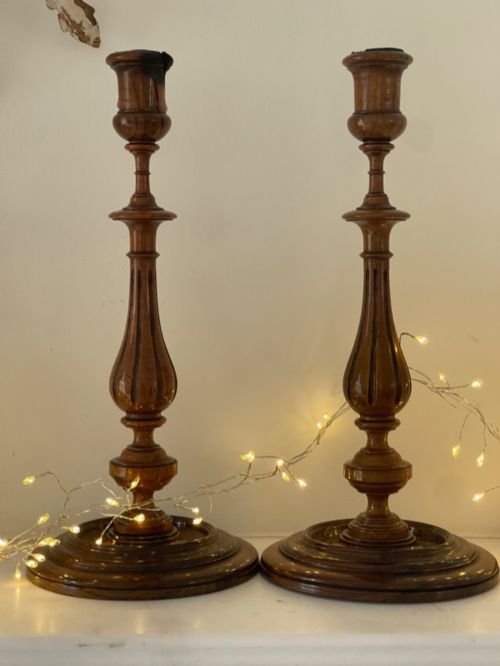
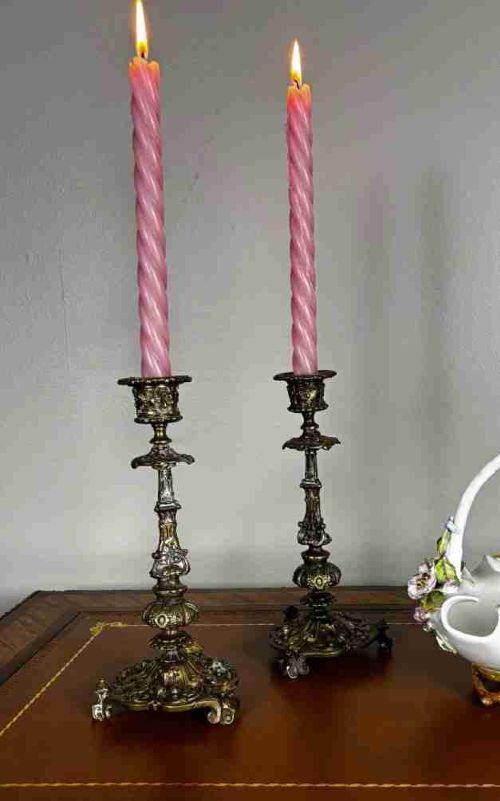
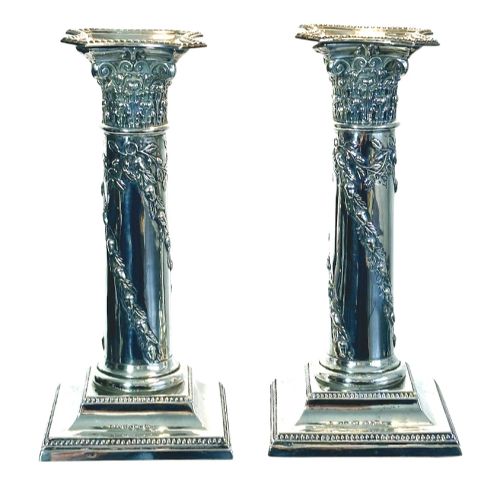
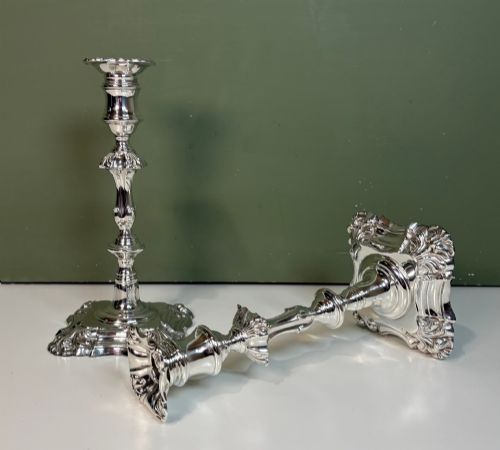
Vintage carved candleholders encompass pairs of candlesticks and wall sconces fashioned from various timbers and metals across multiple eras. Buyers seeking vintage carved candleholders encounter objects designed for practical illumination and decorative presence alike.
The selection ranges from sturdy oak barley twist designs to ornate giltwood and folk art wooden figures. Pieces span the nineteenth century up to the nineteen-twenties, reflecting domestic and regional tastes of past decades.
Table candlesticks dominate the selection, accompanied by wall sconces intended for mounting. These items appear in matched pairs, offering symmetry for mantelpieces, sideboards and walls.
Materials and construction
Woodworking forms a central technique, utilising hardwoods such as oak, hardwood and giltwood shaped by hand carving and turning on a lathe. Makers employed fluting, twisting and figurative carving to create texture and depth across the timber surfaces.
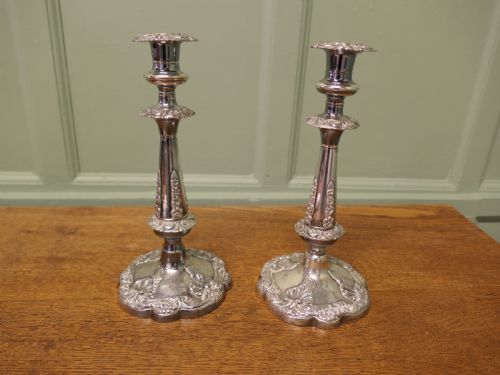
Metalworking complements the woodwork, with brass, silver and silver plate appearing in cast and polished forms. Certain items combine materials, uniting turned wooden shafts with fitted brass tops for durability.
Vintage Carved Candleholders Retail Price Guide 2026
Typical asking prices for vintage carved candleholders among the pieces listed under this phrase on Sellingantiques today, from the lower quarter to the upper quarter. They describe what is for sale here now, not the wider market.
One exceptional pair depicts poachers carrying game, proving that domestic lighting can possess a wonderful sense of narrative humour.
Distinctions in quality
Depth of carving and sharpness of detail separate standard examples from finer work, particularly in folk art pieces and giltwood items. Crisp execution in the timber or metal indicates greater skill by the maker.
The integrity of matched pairs influences desirability, as does the preservation of original gilt, polish and surface patination. Original metal fittings and bobeches add to the cohesion of an object.
The Vintage Carved Candleholders Glossary
- Barley twist
- A type of turning resembling a rope or barley stalk wound around a central axis. This decorative form appears frequently on nineteenth and early twentieth century wooden candlesticks.
- Giltwood
- Wood that has been coated with gold leaf or a gold-coloured finish. It provides a reflective, ornate surface favoured in revival styles.
- Sconce
- A wall-mounted lighting fixture designed to hold candles or lamps. Sconces project from vertical surfaces to cast light across a room.
- Bobeche
- A small collar or disc fitted below the candle nozzle to catch melting wax. This component protects the shaft and surfaces below.
- Folk art
- Objects created by self-taught or traditional makers outside academic traditions. These pieces often feature figurative carvings reflecting local culture and everyday subjects.
Vintage Carved Candleholders: Frequently Asked Questions
How do I clean wooden candleholders?
Dust timber surfaces gently with a soft, dry cloth to preserve the finish and patina. Avoid using water or harsh chemical cleaners that might strip the grain or aged polish.
Apply a microcrystalline wax sparingly if the wood appears dry, buffing it gently afterwards. Keep items away from direct heat sources and strong sunlight to prevent warping.
What is a wall sconce?
A wall sconce is a lighting fixture designed to be mounted directly onto a wall rather than placed on a table. Historical examples often incorporate reflective panels or backplates to amplify the candlelight.
These pieces suit hallways, dining rooms, and flanking mirrors or fireplaces. They save surface space while adding architectural interest to a wall.
How can I tell oak from other woods?
Oak displays a prominent grain with characteristic growth rings and medullary rays visible on the surface. It offers a heavy, durable feel distinct from softer timbers.
Other items on this page utilise general hardwoods or giltwood, which conceal the underlying grain beneath decorative finishes. Examining the weight and surface texture helps identify the material.