


Victorian Wooden Candlesticks
These victorian wooden candlesticks bring tactile warmth and character to a room, turning everyday lighting into sculptural folk art.
Victorian Wooden Candlesticks
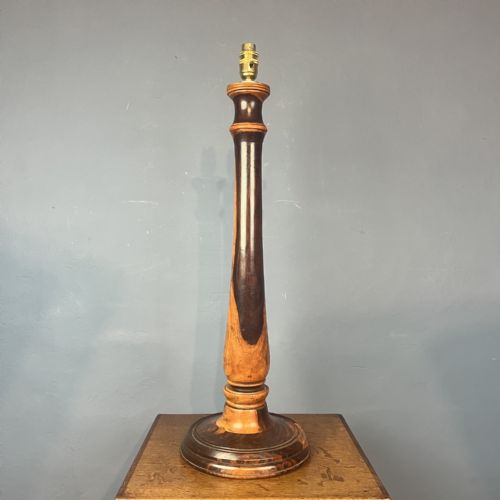
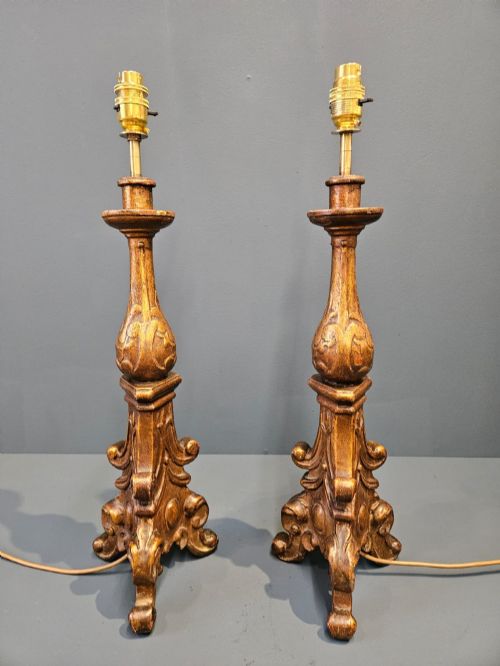
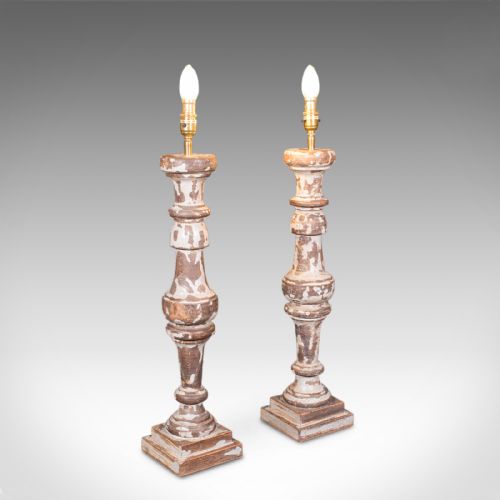
When you search for victorian wooden candlesticks, you encounter an array of turned, carved, and joined lighting pieces spanning the nineteenth century. These objects include pairs of treen tapers, chamber sticks, and table lamps fashioned from dense timbers.
The selections on this page draw from Victorian, Edwardian, and nineteenth-century continental traditions. Styles range from plain turned walnut and mahogany to ornate Black Forest carvings and Gothic Revival forms.
How they were made
Turners and carvers utilised dense hardwoods such as lignum vitae, walnut, and mahogany, often pairing the timber with brass sockets, iron, or gilt highlights. Lignum vitae provided the weight and density needed for stable candleholders.
Makers employed lathe-turning for spiral stems and baluster shapes, alongside hand-carving for figural elements, memento mori details, and regional motifs like Brighton buns.
Listings feature 19th-century materials including lignum vitae, walnut, mahogany, and painted pine alongside brass and iron components.
What varies in quality
Quality rests in the crispness of the turning and the density of the chosen timber, distinguishing sturdy lignum vitae or finely figured walnut from softer painted pine. The integration of original brass components, drip pans, and gilt or marbleised finishes also elevates an example.
The distinction between workshop production and folk art carving dictates the character of each piece. Detailed hand-carved figural work or precise spiral twists demonstrate superior handcraft compared to simpler domestic items.
Holtzapffel
The Victorian Wooden Candlesticks Glossary
- Treen
- Small handmade wooden household objects. These items display the utility and decorative skill of nineteenth-century woodworkers.
- Lignum vitae
- A dense, heavy wood prized for its durability. Makers utilised this material for robust turned candlesticks and treen.
- Chamber stick
- A short candlestick fitted with a pan and handle. This form allowed safe movement around a Victorian home at night.
- Brighton bun
- A compact, portable travelling candlestick that screws together into a round wooden case. This clever design protected the candle during journeys.
- Memento mori
- An artistic reminder of mortality. These symbolic pieces often incorporate carved skeletal or commemorative motifs into wooden holders.
Victorian Wooden Candlesticks: Frequently Asked Questions
What are victorian wooden candlesticks made from?
These pieces use dense hardwoods like lignum vitae, walnut, mahogany, and olive wood. Makers frequently added brass sockets, iron stems, or painted finishes to complete the design.
Selections include treen taper holders, travelling candlesticks, and larger turned lamp bases. The choice of timber often dictated the weight and stability of the candlestick.
How do I date a wooden candlestick?
Dating relies on turning styles, timber selection, and metal hardware fittings. Pieces from the middle of the nineteenth century often show simple turned baluster shapes, while later examples include spiral twists or Gothic Revival details.
Associated metal components, such as brass bobeches or drip pans, offer further clues to the manufacturing period. Examining the wear on the wooden base helps confirm age.
Were these candlesticks originally electrified?
Most of these items began life holding wax candles or tapers for illumination. Later adaptations often converted sturdy timber candlesticks and standards into table lamps.
Original treen tapers and chamber sticks retain their turned wooden sockets and brass inserts. Conversions generally occurred during the twentieth century to accommodate modern wiring.
How do I care for antique wood lighting?
Keep wooden pieces away from direct heat sources and strong sunlight to prevent the timber from drying out or splitting. Gentle dusting with a dry cloth maintains the surface finish.
Avoid using liquid polishes or harsh chemical cleaners on antique treen and carved surfaces. Natural wax can be applied sparingly if the wood appears dry.