


Vintage Canvas
These vintage canvas works are oil paintings carrying centuries of pigment, brushwork and narrative across fabric.
Vintage Canvas
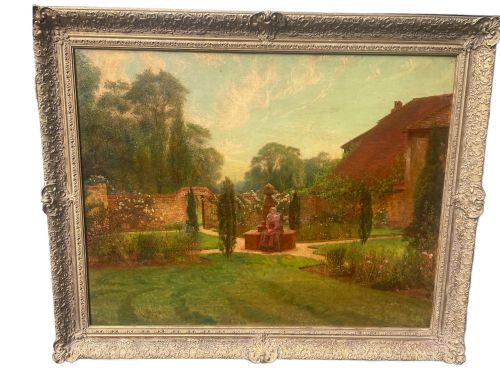
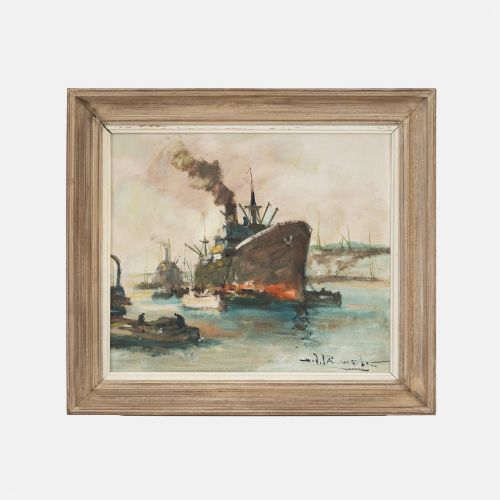
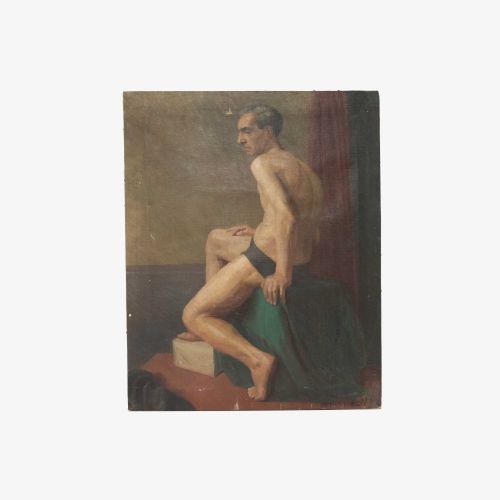
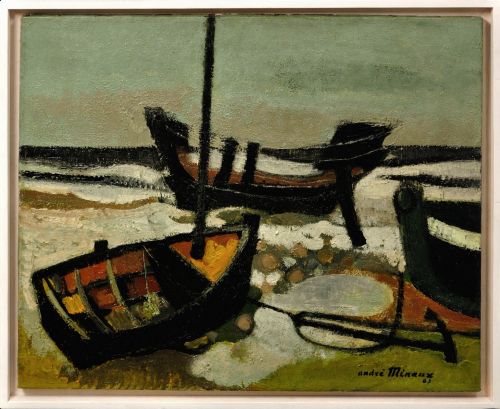
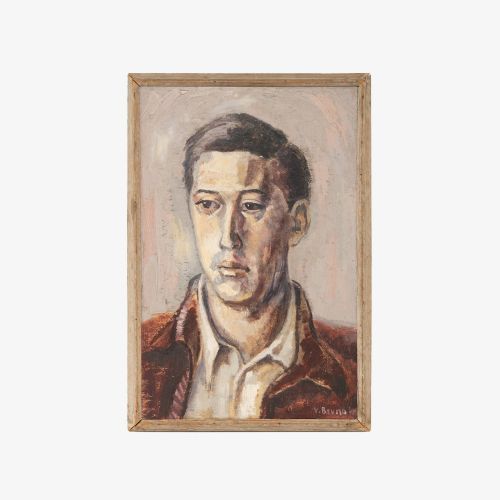
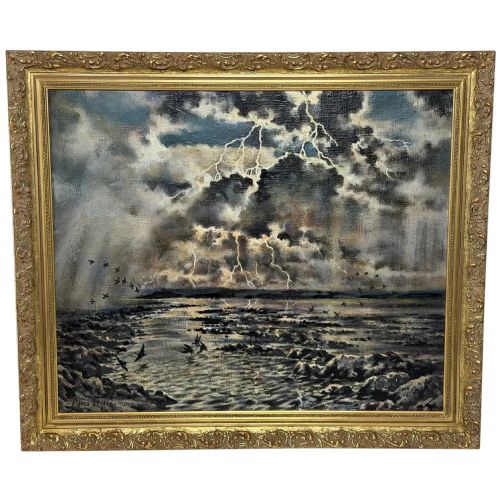
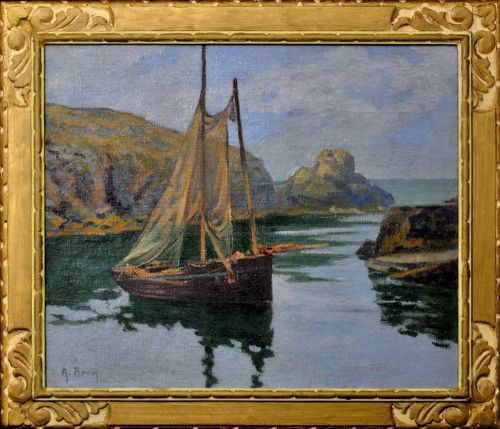
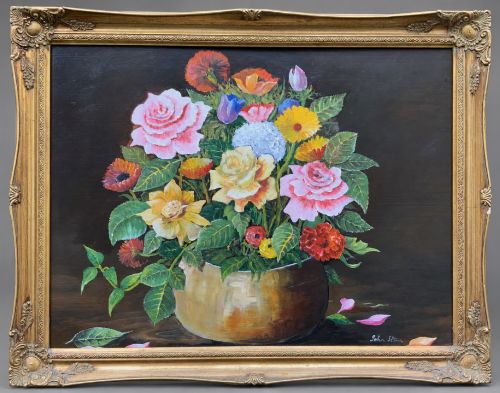
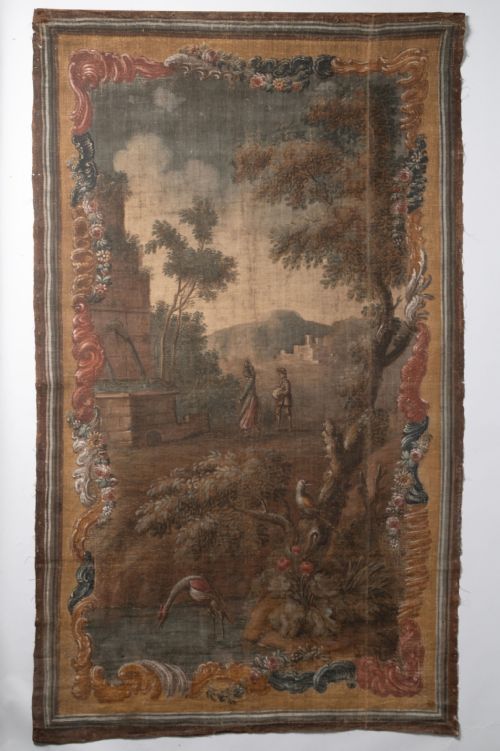
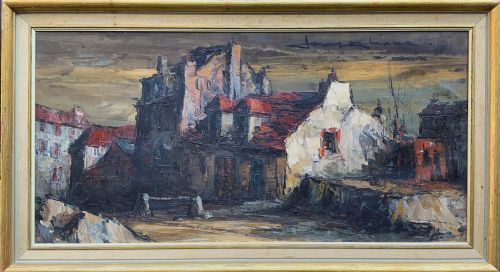
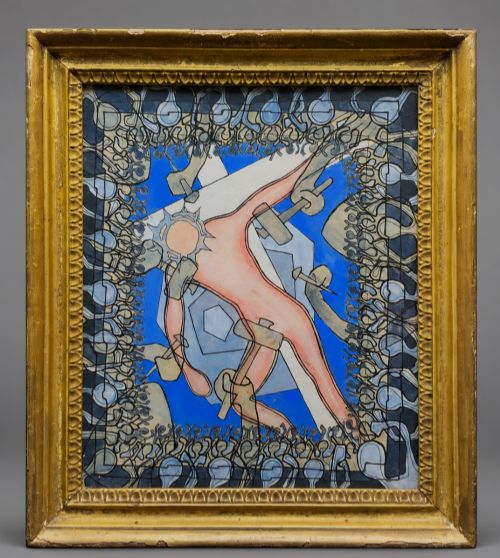
When you search for vintage canvas, you encounter oil paintings spanning portraits, landscapes, sporting art and still lifes. The material forms the physical foundation for works originating from the eighteenth century through to the mid-twentieth century.
Victorian sporting scenes, Dutch landscapes and Edwardian village gatherings dominate the selection on this page. These pieces range from intimate floral studies to large room dividers and folding screens.
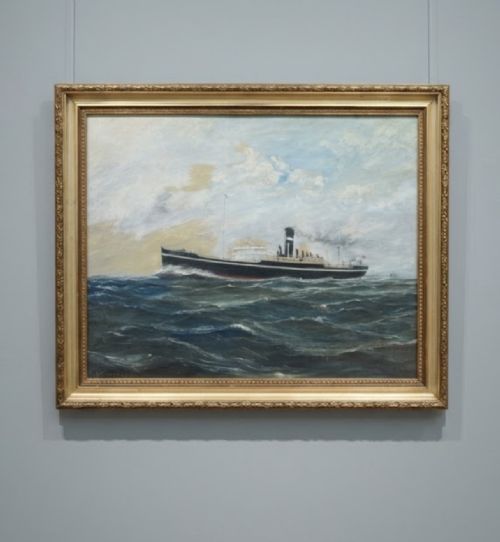
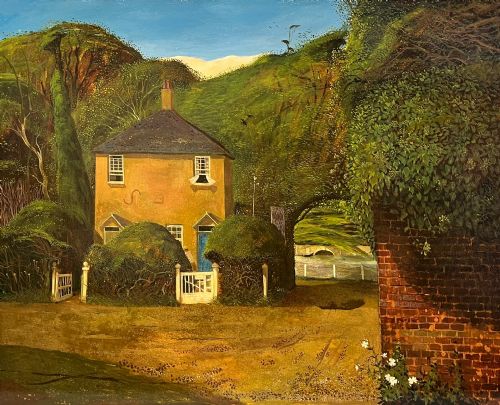
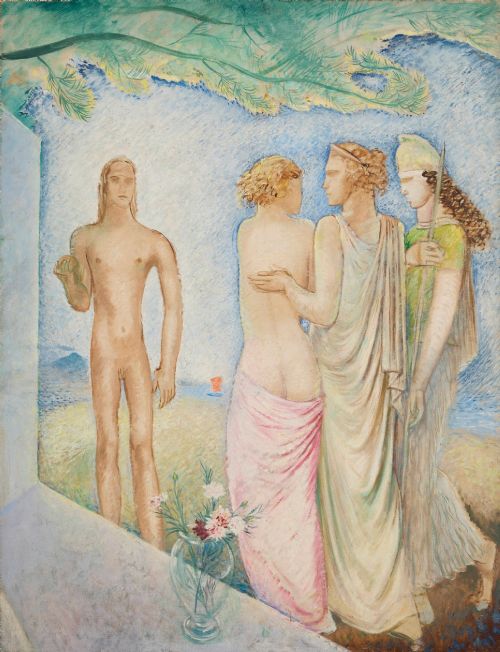
Subjects stretch from classical Italian portraiture and marine battles to domestic animal studies and quiet winter scenes. Each painting holds the specific aesthetic of its period, whether created in British impressionist circles or continental European workshops.
Materials and construction
Painters applied oil paint directly onto stretched woven fabric, utilising the texture of the textile to grip the pigment. Wood provided the sturdy stretcher frames and panel supports necessary to keep the ground taut over decades.
Gilt and giltwood embellished the heavy frames enclosing these canvases, adding decorative weight and reflecting candlelight or daylight. The combination of oil, canvas and timber created a durable physical object designed for interior display.
Vintage Canvas Retail Price Guide 2026
Typical asking prices for vintage canvas among the pieces listed under this phrase on Sellingantiques today, from the lower quarter to the upper quarter. They describe what is for sale here now, not the wider market.
Several canvases capture domestic cats, spaniels and horses staring out as if wondering why humans spend hours painting them.
Judging the quality
Quality rests upon the confidence of the brushwork and the anatomical or spatial accuracy achieved by the painter. Masterful handling of light and shadow distinguishes an ambitious composition from a mechanical studio copy.
The integrity of the woven support and the stability of the paint layer dictate the longevity of the artwork. Original stretcher frames and minimal overpaint preserve the authentic character intended by the creator.
Herbert Royle·Paja Jovanović·Charles Bilger Spalding·George F. Bird·Deidre Daines·Agnes Augusta Talboys·Fred Yates·Lionel Ellis·William Langley·Sushila Singh·Francesco Guardi·Walter Robin Jennings·Willem J Palman·Hugh Barry-Scott·William Manners·Barent Gael
The Vintage Canvas Glossary
- Canvas
- A heavy woven fabric typically made from hemp or flax that serves as the primary support surface for oil paintings. Painters prime this textile with gesso before applying pigments.
- Stretcher
- The wooden frame behind the fabric that holds the textile taut. Traditional versions feature corner keys to adjust the tension.
- Impasto
- Paint applied in thick layers that stand out significantly from the surface. This technique allows the texture of the brushstrokes to catch the light.
- Gesso
- A white paint mixture consisting of a binder mixed with chalk, gypsum or pigment. It prepares the woven fabric to receive oil paint.
- Provenance
- The documented history of ownership associated with an artwork. It establishes the authenticity and journey of the piece through time.
Vintage Canvas: Frequently Asked Questions
Should I re-stretch a sagging canvas?
Wooden frames shrink and expand with household humidity changes, which naturally loosens the fabric over many years. Corner keys inside the wooden structure allow careful adjustment to restore proper tension.
Avoid pulling the textile tighter yourself without understanding traditional framing methods. Overtightening stresses brittle historic fibres and leads to cracking in the paint.
How do I date a vintage painting?
Examination of the canvas weave, nail types and stretcher construction reveals the manufacturing era of the physical support. Stylistic clues within the brushwork and clothing fashions help narrow down the decade of creation.
Signatures, exhibition labels and inscriptions on the reverse provide further documentary evidence. Comparing these details with known works by the same school confirms the timeline.
Where should I hang these artworks?
Display paintings away from direct sunlight and sudden temperature shifts caused by radiators or open fires. Stable environmental conditions prevent the wood and textile from warping or splitting.
Allow enough space around large framed canvases for the eye to appreciate the composition. Proper wall placement ensures the piece remains a focal point in the room.