



Vintage Canine Art
Vintage canine art brings together centuries of painted, sculpted and etched dogs that capture the character of specific breeds.
Vintage Canine Art
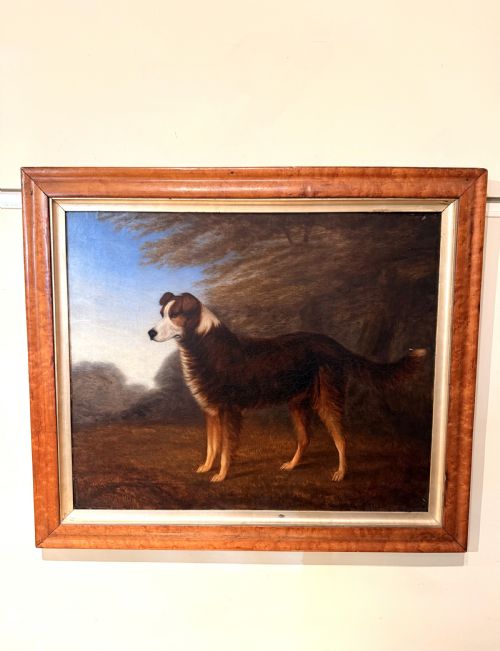
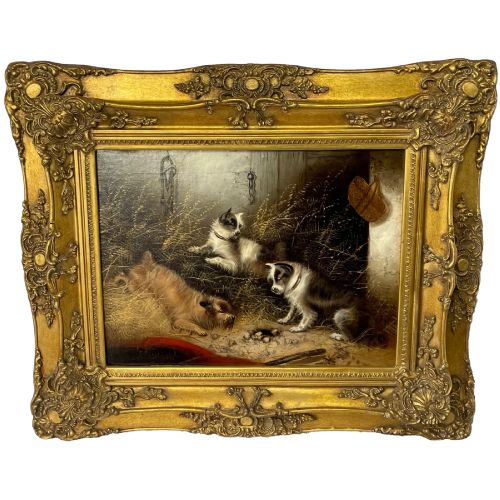
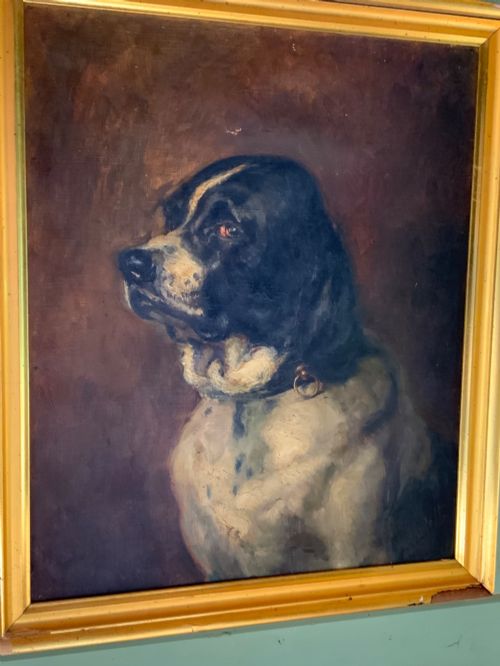
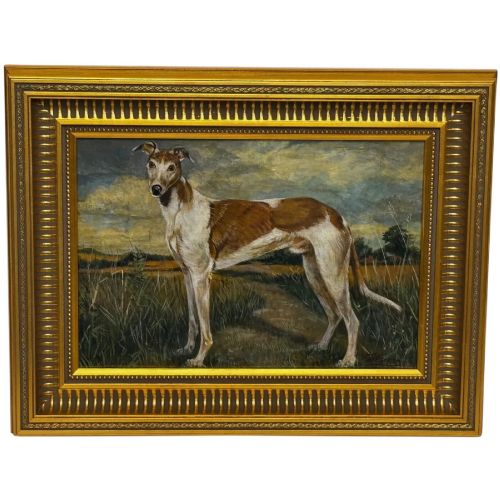
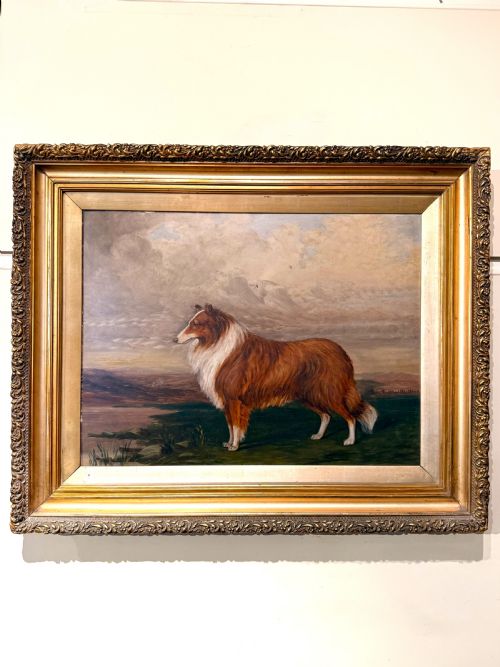
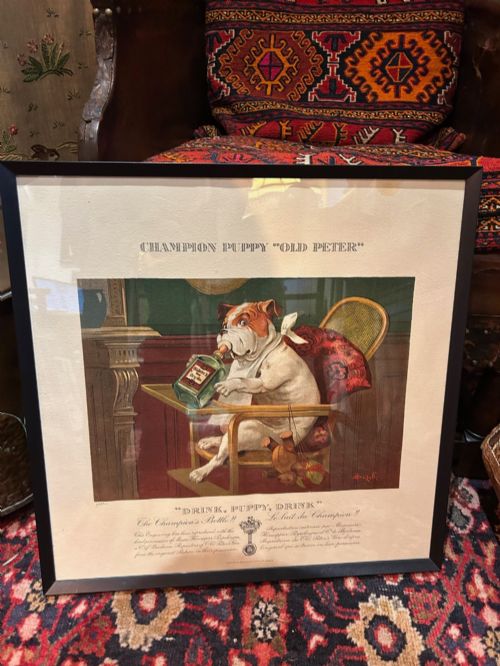
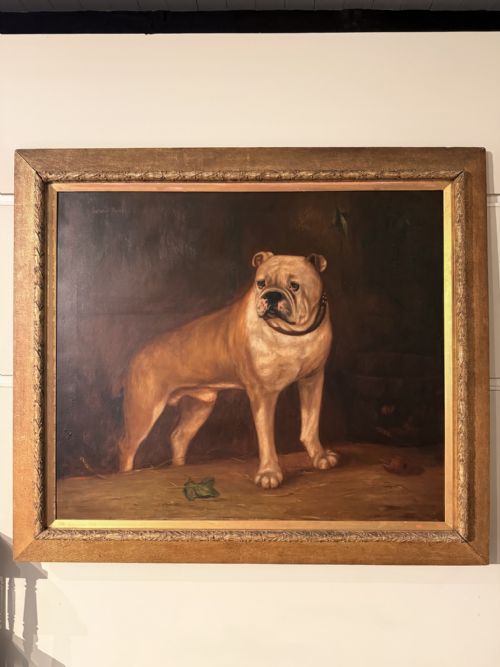
Vintage canine art spans oils, watercolours, etchings and sculptures depicting hounds, terriers, spaniels and working dogs. These pieces range from nineteenth-century realism and sporting art to twentieth-century Art Deco studies.
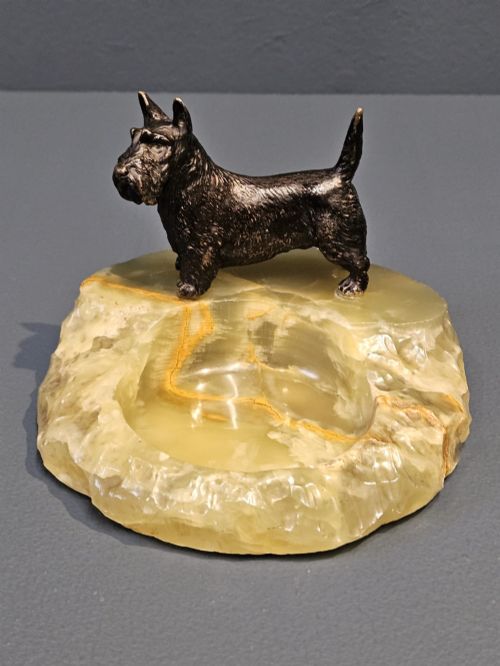
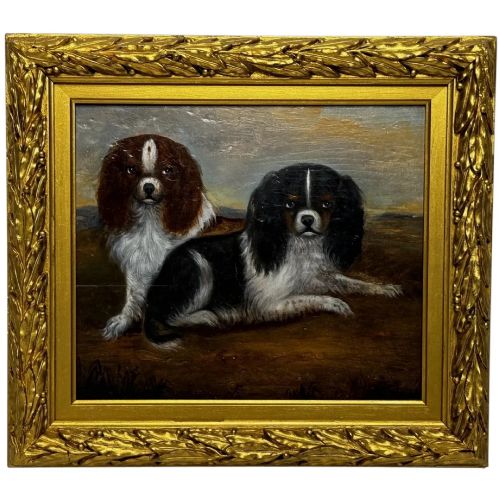
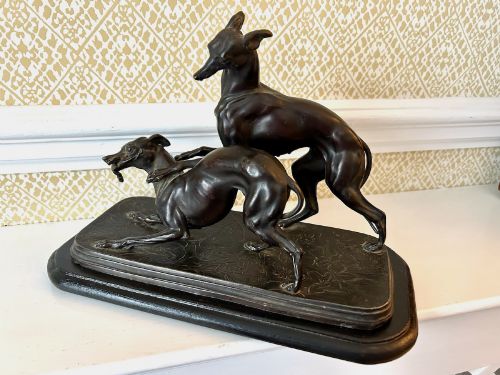
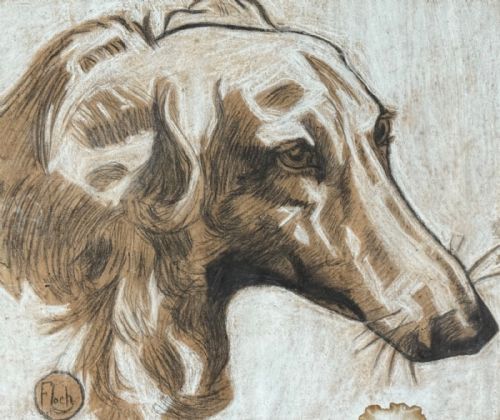
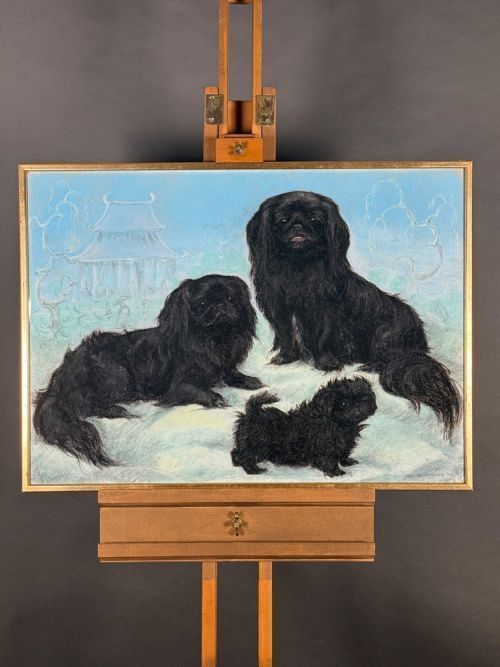
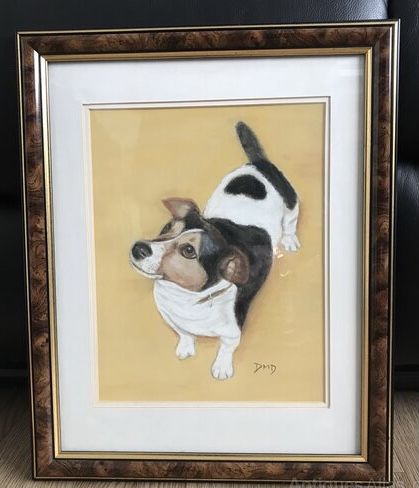
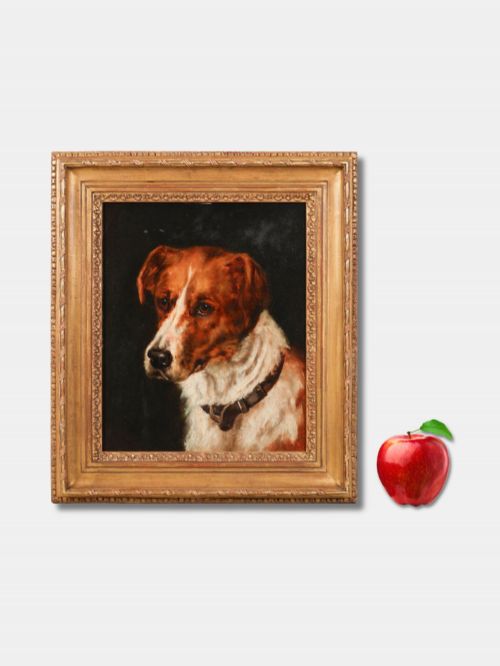
The selections available here lean heavily towards framed oil paintings on canvas and board, alongside pencil drawings, pastels and metal desk tidies or sculptures. Subjects stretch from named working dogs in landscapes to stylised continental portrayals.
How they were made
Artists worked primarily in oil paint on canvas or wood board, applying pigment to capture the texture of a dog coat and the light in a landscape. Others utilised pastel, gouache and pencil on paper or board, protecting delicate surfaces beneath glass.
Three-dimensional representations emerged through bronze, spelter and porcelain casting, while printmakers produced original etchings and engravings on paper. Frames were frequently executed in wood, sometimes with gilt or giltwood finishes.
Vintage Canine Art Retail Price Guide 2026
Typical asking prices for vintage canine art among the pieces listed under this phrase on Sellingantiques today, from the lower quarter to the upper quarter. They describe what is for sale here now, not the wider market.
Several dogs preserved in these paint layers have outlived the dynasties of their owners while retaining their stubborn expressions.
What varies in quality
Quality rests in the hand of the artist and the accuracy of anatomical observation, separating competent portraiture from mechanical reproduction. Master painters render bone structure, eye expression and pelt texture with absolute conviction.
Materials and framing also dictate the standing of a piece, from heavy cast bronze and fine oils to modest sketches on buff paper. Works signed by established practitioners command greater regard than anonymous school pieces.
Edward Armfield·John Emms·John Frederick Herring Senior·Arthur Wardle·Herbert Dicksee·William Barraud·Sir Edwin Landseer
The Vintage Canine Art Glossary
- Cold painted bronze
- A method where bronze figures received coloured paint finishes that were not subjected to high kiln firing temperatures. This technique was popular for decorative desk tidies and small animal sculptures during the early twentieth century.
- Spelter
- An alloy of zinc and copper utilised as a cheaper alternative to bronze for sculptural figures. It was frequently painted or electroplated to simulate heavier metal.
- Etching
- A printmaking process where lines are bitten into a metal plate with acid before ink is applied and transferred to paper under pressure. This technique allowed artists to produce detailed tonal work.
- Sporting art
- Depictions of animals, hunting scenes and field sports that formed a major genre in British painting. These works often recorded specific packs of hounds or working terriers.
Vintage Canine Art: Frequently Asked Questions
How do I identify the dog breed in an antique painting?
Breed standards have evolved significantly since the nineteenth century, changing head shapes, body proportions and coat types for many working and sporting dogs.
Compare the depicted animal against historical breed descriptions from the era of the artwork rather than modern kennel club standards.
What is the difference between oil on canvas and oil on board?
Canvas provides a woven textile support that requires stretching over a wooden frame, introducing slight flex and a visible fabric texture beneath the paint layers.
Board offers a rigid wooden or composition support that painters favoured for smaller, direct studies executed outdoors or quickly in the studio.
How should I care for antique works on paper?
Drawings in pastel, charcoal, gouache and watercolour remain extremely sensitive to ultraviolet light and high humidity, which can cause fading and foxing.
Display these pieces away from direct sunlight behind conservation-grade glass and maintain stable indoor atmospheric conditions.
Are bronze sculptures marked to show their age?
Many cast metal figures carry foundry stamps, artist signatures or registration numbers inscribed directly into the base during the manufacturing process.
Examine the underside and lower edges of the metal for subtle foundry marks that indicate the period of production.