



Vintage Cane Accent Chairs
Vintage cane accent chairs bring lightness to a room through woven natural seating combined with sturdy wooden frames spanning multiple historic periods.
Vintage Cane Accent Chairs
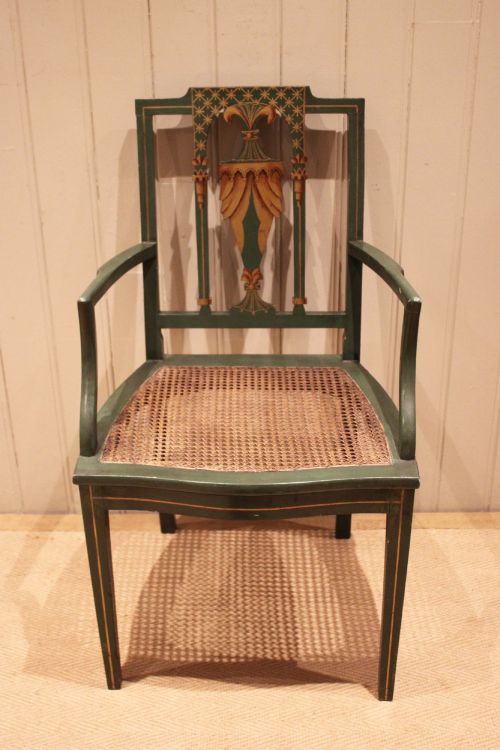
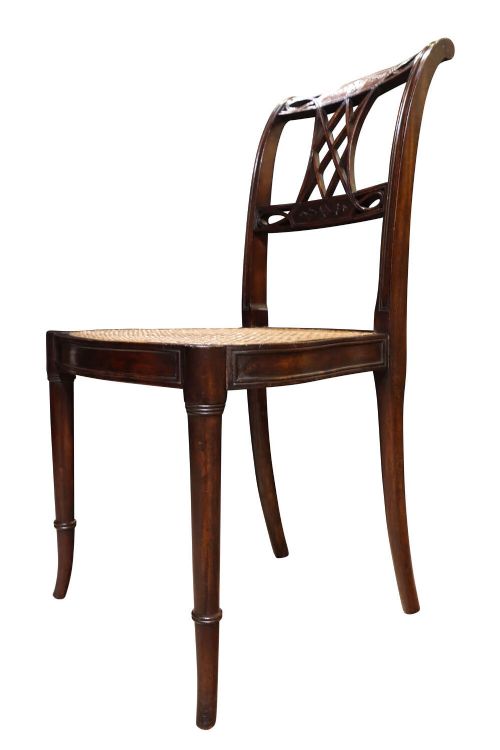
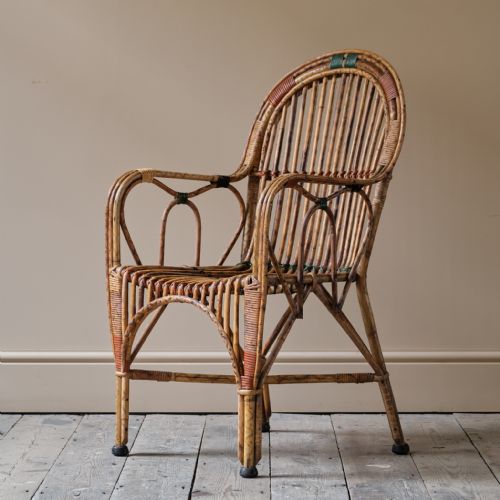
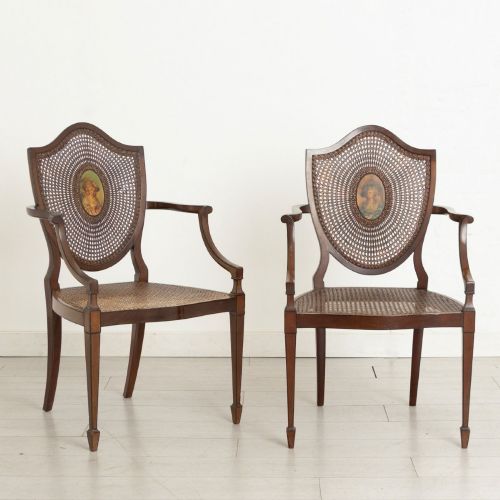
When you search for vintage cane accent chairs, you encounter seating designed for occasional use, reading corners, and bedrooms, originating from the nineteenth and early twentieth centuries. These pieces combine wooden frames in mahogany, walnut, oak, satinwood, and painted finishes with woven cane panels on seats and backs.
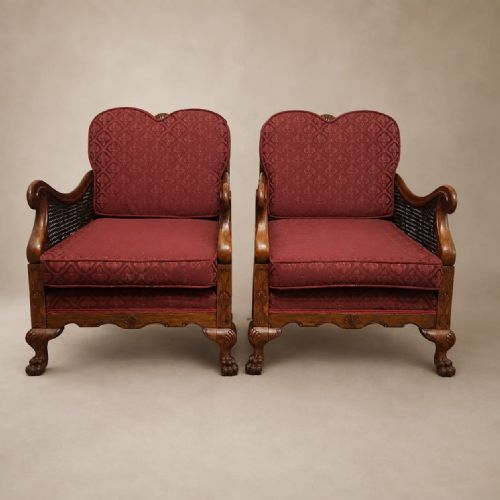
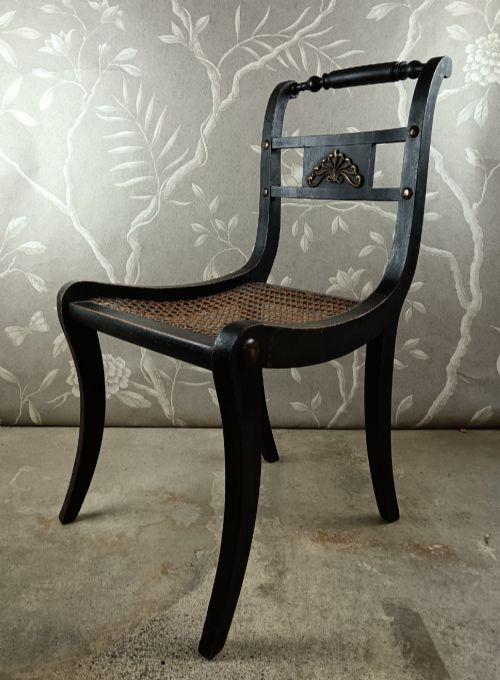
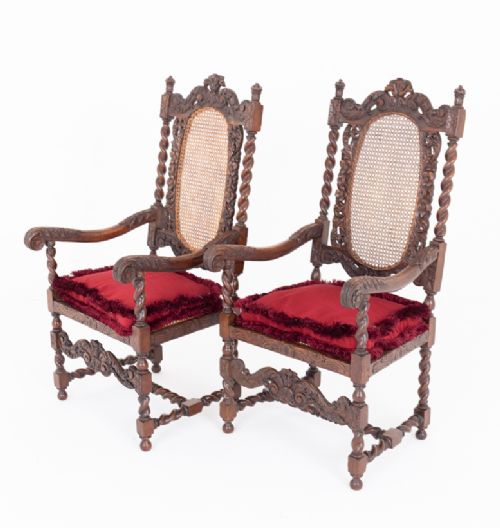
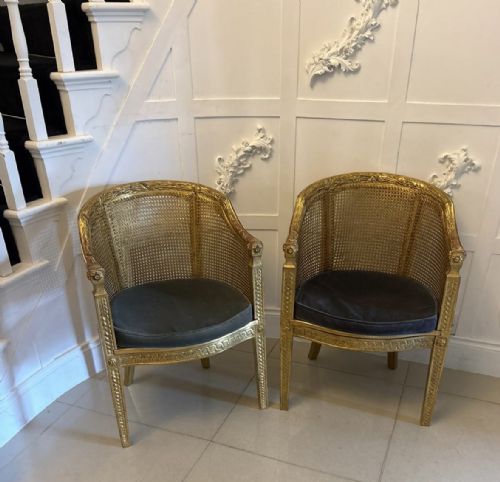
The selections available here span diverse stylistic revivals, including Regency, Louis XV, Edwardian, Jacobean, and Anglo-Indian colonial designs. Forms range from low bedroom chairs and side chairs to deep bergere easy chairs and elbow chairs.
Makers and workshops from Leicester to France and South Asia contributed to this lineage, utilising traditional framing methods alongside woven plant materials.
How they were made
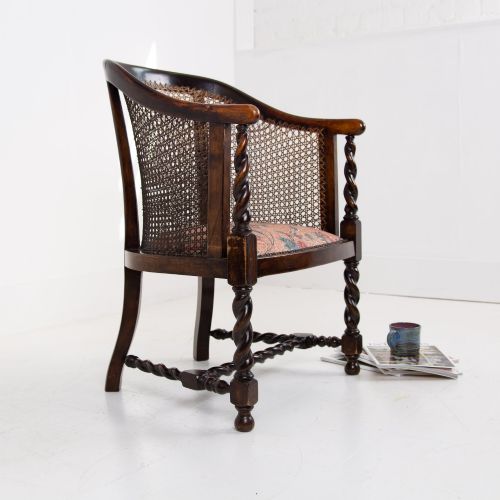
Frames rely on cabinet timbers such as mahogany, walnut, satinwood, and oak, joined by hand and shaped into styles from Regency saber legs to Barley Twist supports and carved giltwood flourishes. Some examples feature scumble paint, ebonisation, or gilding applied over the timber.
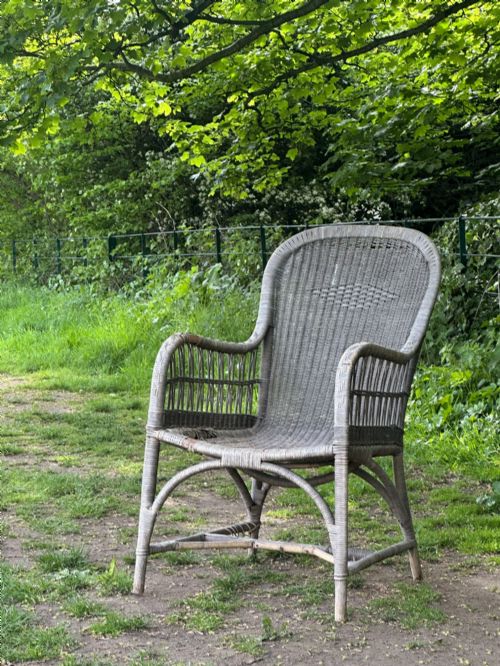
The seating and backrests utilise handwoven cane, split cane, and rattan, threaded directly through holes drilled in the wooden frame or secured within channels. Additional upholstery often includes velvet, fabric cushions, or squabs placed over the cane base.
Peacock chairs bring a sudden burst of tropical drama to quiet Victorian hallways.
What varies in quality
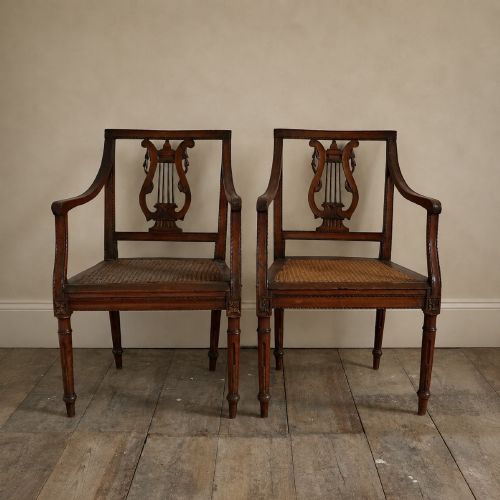
The distinction between standard seating and finer examples rests upon the crispness of the timber carving and the complexity of the frame geometry, such as lyre backs, curved bergere arms, or intricate inlay work. Richer timbers like solid satinwood or figured walnut distinguish the higher tier of production.
The regularity and tension of the handweaving in the cane panels indicate the skill invested in the piece, alongside the preservation of original painted, gilded, or polished surfaces.
Dryad of Leicester·Waring & Gillow
The Vintage Cane Accent Chairs Glossary
- Bergère
- An upholstered armchair with enclosed sides, where the space between the armrest and seat is filled with cane or upholstery. These deep seats originated in France and became popular in various revival styles.
- Cane
- Material made from the peeled bark of rattan palms, split and woven into patterned panels for chair seats and backs. It provides flexible, breathable support.
- Ebonisation
- A finishing process that stains light wood to resemble ebony. It was frequently used on Regency frames to create a stark, dark contrast.
- Scumble paint
- A decorative surface finish applied with a translucent glaze and manipulated with combs or brushes to imitate the grain of more expensive timbers. It appears on nineteenth-century country and vernacular seating.
- Bergère tub chair
- A compact armchair with a curved, enclosing back that forms a continuous line with the arms. The back and sides typically feature cane panels.
Vintage Cane Accent Chairs: Frequently Asked Questions
How do I care for vintage cane?
Keep cane seating away from direct heat sources and strong sunlight to prevent the natural fibres from drying out and snapping.
limpiar the cane occasionally with a damp cloth and a small amount of linseed oil to maintain flexibility.
What is a bergere chair?
A bergere is a comfortable upholstered armchair characterised by enclosed wooden sides filled with woven cane. These seats often include a loose down or feather cushion.
They emerged in French design and reappeared in various nineteenth and twentieth-century revival forms.
Can I replace damaged cane?
Traditional hand-caning can be repaired or entirely re-woven by a skilled artisan using matching rattan strands. The new cane will naturally darken to match the older wood over time.
Professional re-weaving preserves the structural integrity of antique chair frames.
How do I date these chairs?
Dating relies on timber choices, framing styles, and construction techniques, such as the transition from handmade joinery to early machine-cut components. Stylistic revivals like Regency or Louis XV often provide clues through their specific proportions and decorative motifs.
Examining secondary woods and fastening methods helps narrow down the decade of production.