


Vintage Candle Pedestal
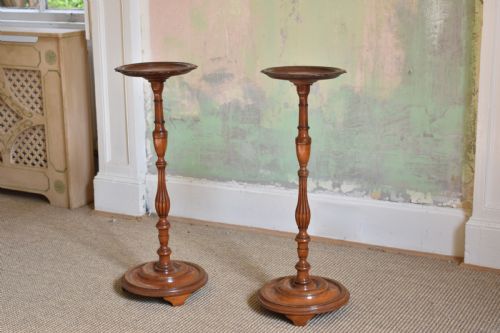
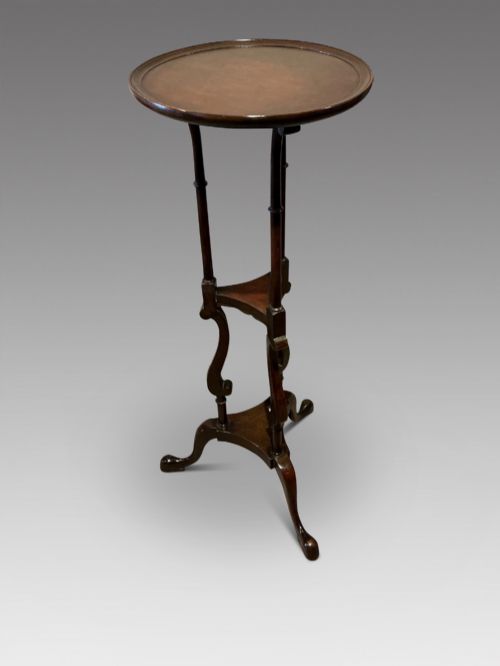
A vintage candle pedestal elevates illumination, offering slender proportions and stable tripod bases designed to hold light safely above the floor.
Vintage Candle Pedestal
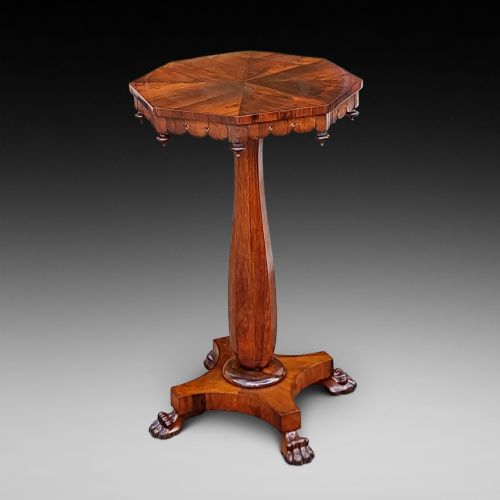
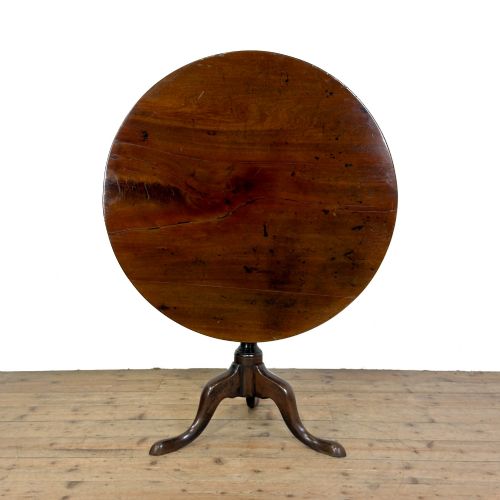
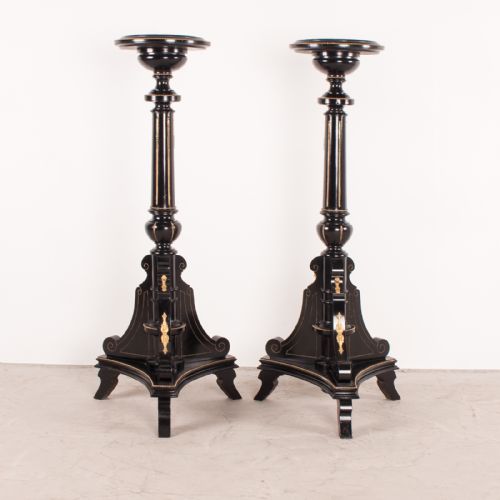
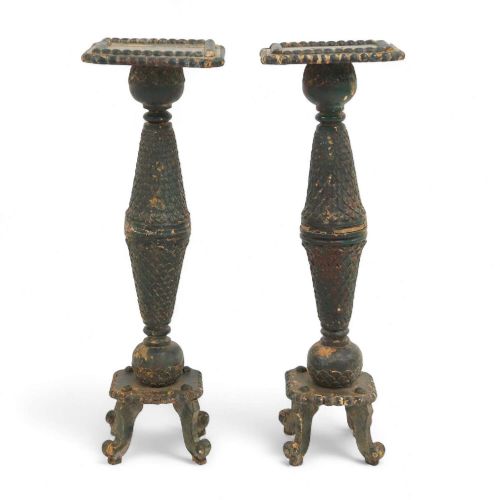
When you search for a vintage candle pedestal, you encounter tall, slender supports designed to elevate lighting or decorative objects above the room. The inventory on this page spans distinct periods, ranging from 18th century Georgian examples through Regency, Victorian, Edwardian, and 1930s pieces.
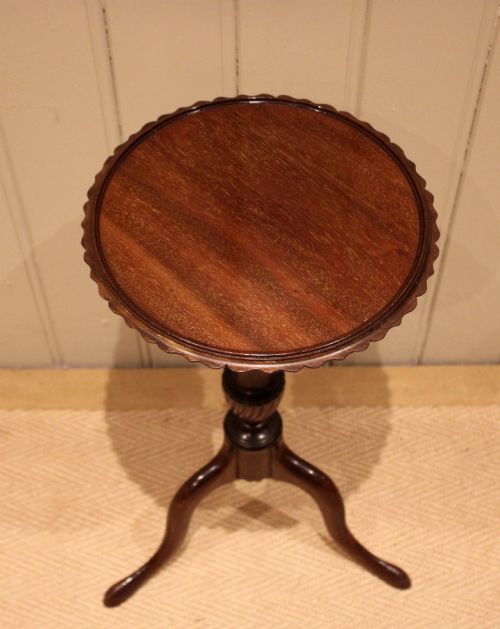
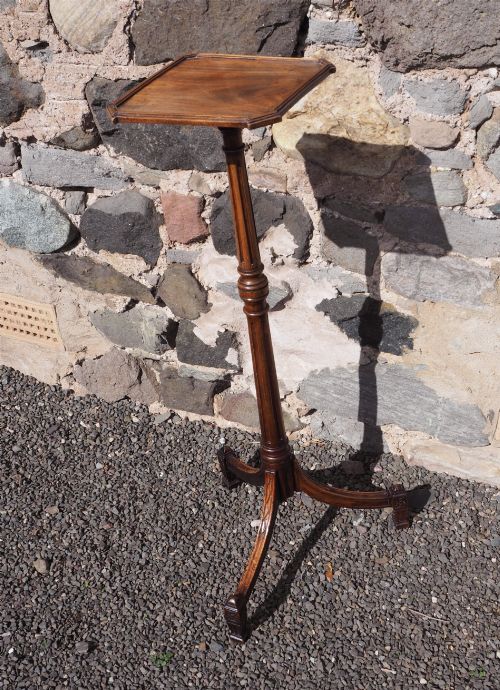
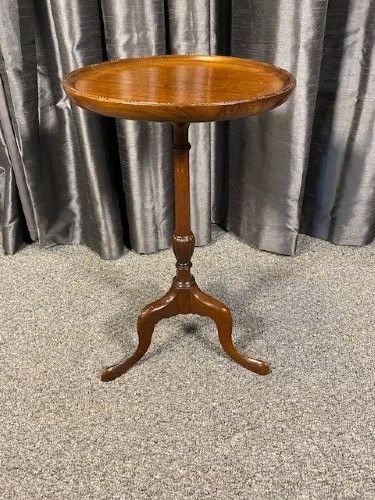
The objects take several forms, including torcheres, plant stands, wine tables, and tripod tables. Mahogany dominates the selection, accompanied by walnut, oak, rosewood, satinwood, and ebonised wood.
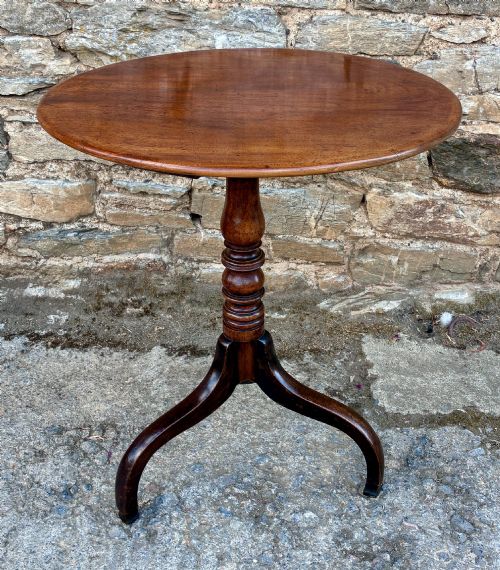
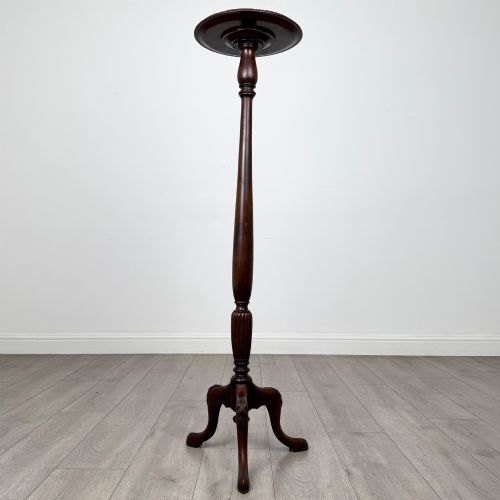
You are most likely to meet mahogany tripod wine tables and tall torcheres dating from the 19th century or the Edwardian era. These versatile pieces function equally well beside a seating area or standing alone in a corner.
Materials and Construction
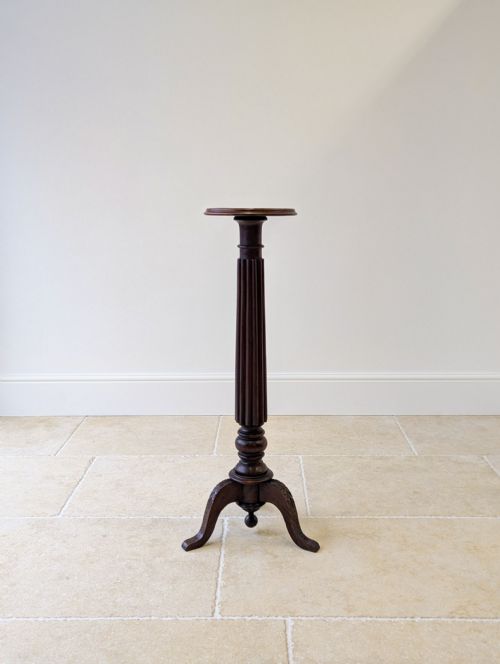
Cabinetmakers constructed these pieces primarily using dense hardwoods like mahogany, walnut, and oak, often turning stems on a lathe to create slender, elegant columns. Tripod bases provide stability for the narrow tops, utilising mortise and tenon joints or dovetails where components meet.
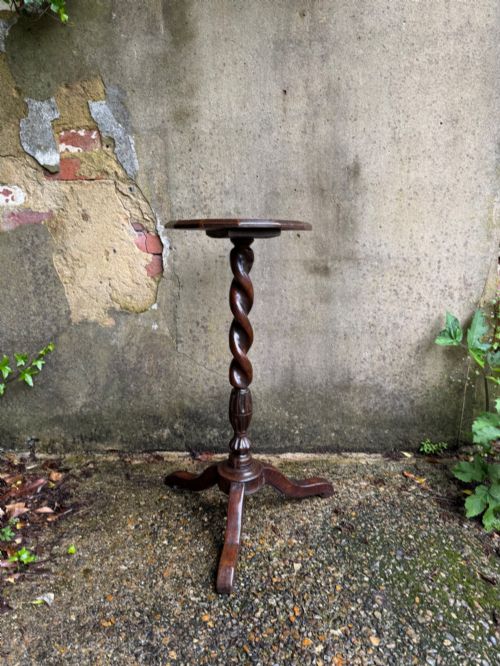
Surface decoration involves diverse techniques, including fine inlay in satinwood, decorative green paint, and carved barley twist details on Victorian stems. Some examples incorporate brass fittings or tilt-top mechanisms for functional versatility.
Listings feature woods including mahogany, walnut, oak, satinwood, rosewood, and ebonised wood across multiple centuries.
Evaluating Quality and Proportion
Quality rests upon the harmony of proportions between the slender stem and the supporting feet, ensuring the piece stands firmly despite its narrow profile. Superior examples display crisp turning on the woodwork and refined carving on the tripod legs rather than heavy, clunky joints.
The choice of timber significantly elevates a piece, with figured mahogany, rich walnut, and contrasting kingwood veneers marking out finer workshops. Original surfaces, such as aged green paint or untouched polish, carry more integrity than stripped and heavily refinished timber.
The Vintage Candle Pedestal Glossary
- Torchere
- A tall ornamental stand designed to carry a lamp or candle. These pieces typically feature slender shafts rising from tripod bases.
- Tripod Table
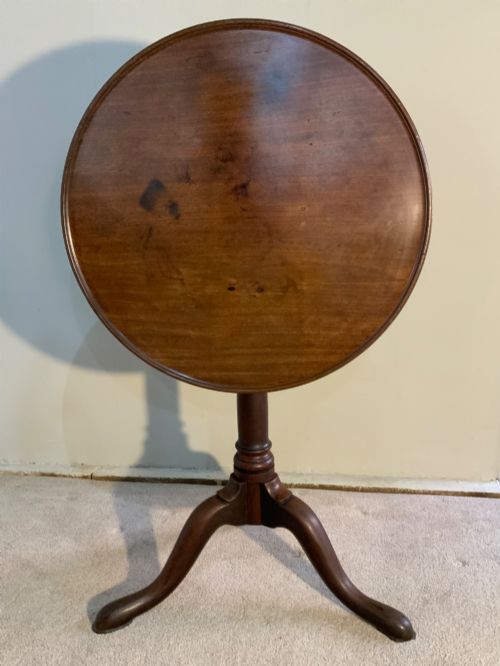
- A small occasional table supported by three legs radiating from a central pillar. This design prevents wobbling on uneven historic floors.
- Tilt-Top
- A table mechanism allowing the top to hinge vertically for storage against a wall when not in use. This feature appears frequently on 18th and 19th century examples.
- Barley Twist
- A spiral turning carved into the central column of a stand. This decorative technique creates dynamic vertical movement in Victorian pieces.
- Birdcage
- A revolving wooden block beneath a table top allowing the surface to rotate and tilt. It represents a sophisticated piece of 18th century joinery.
Vintage Candle Pedestal: Frequently Asked Questions
What is a vintage candle pedestal used for?
These tall stands traditionally elevated wax candles or oil lamps to project light safely across a room. Today, they serve equally well for displaying ceramics, plants, or small sculptures.
Their compact footprints make them ideal for filling awkward corners or narrow wall spaces where standard furniture fails to fit.
How do I tell a Georgian pedestal from a Victorian one?
Georgian pieces generally emphasise restrained classical proportions, featuring smooth columns, slender tripod legs, and fine mahogany or walnut timbers. They lean toward understated elegance.
Victorian examples often introduce heavier ornamentation, such as barley twist stems, bolder carving, or contrasting ebonised finishes that reflect industrial manufacturing advances.
Where should I place a torchere in my home?
Torcheres excel in dark corners, entrance hallways, or beside armchairs where they draw the eye upward and break up flat expanses of wall. Their height adds vertical dimension to interiors with low ceilings.
Keep them away from heavy foot traffic areas to protect their slender tripod legs from accidental knocks.
What makes a pedestal tilt-top function?
A tilt-top mechanism uses a wooden catch or a birdcage pivot beneath the surface, allowing the tabletop to swing from horizontal to vertical. This clever engineering enabled historic households to store multiple tables compactly against the perimeter.
When returning the top to the horizontal position, ensure the securing pin sits correctly in its housing to maintain stability.