
Vintage Cabinet
These vintage cabinet pieces span display cases, wardrobes, and sideboards, offering storage built with solid timber and period craftsmanship.
Vintage Cabinet
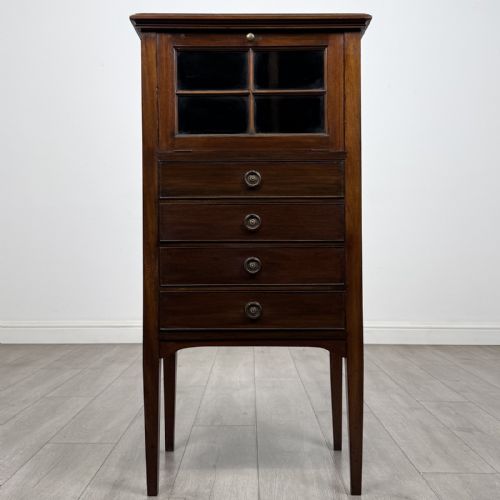
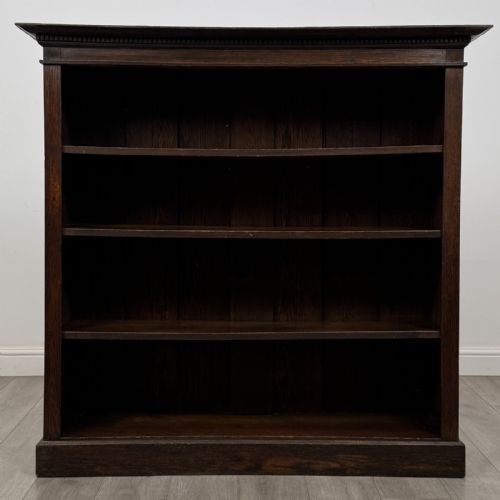
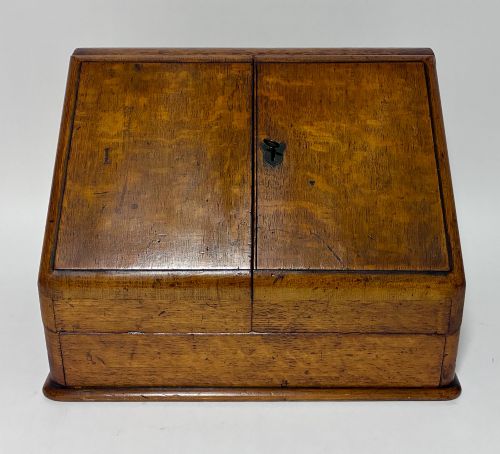
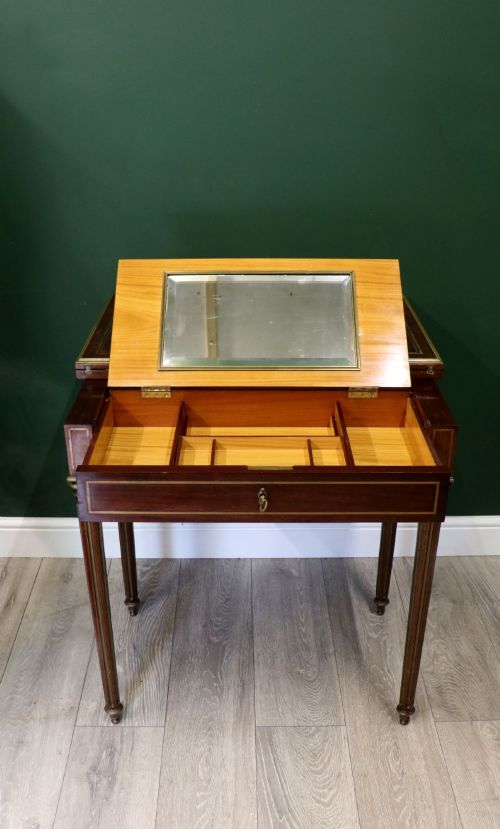
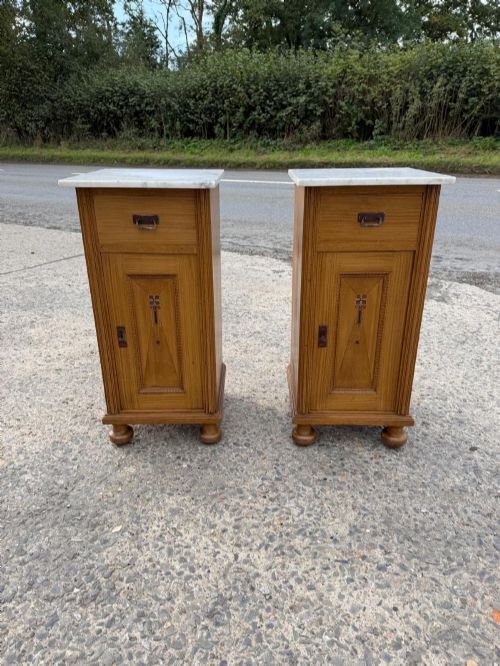
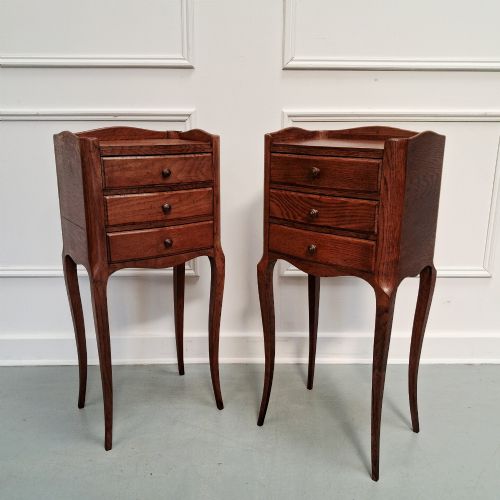
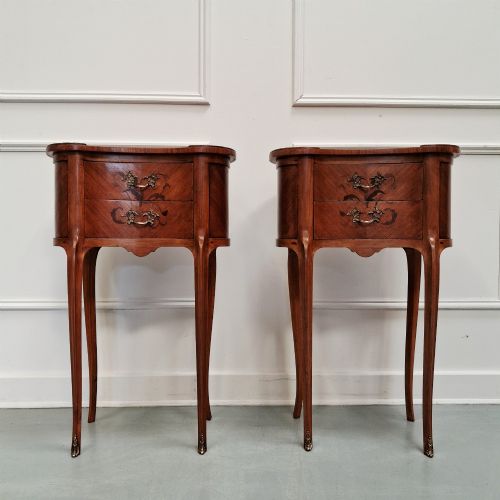
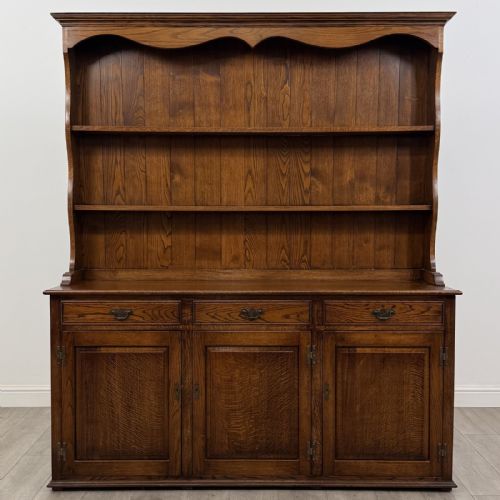
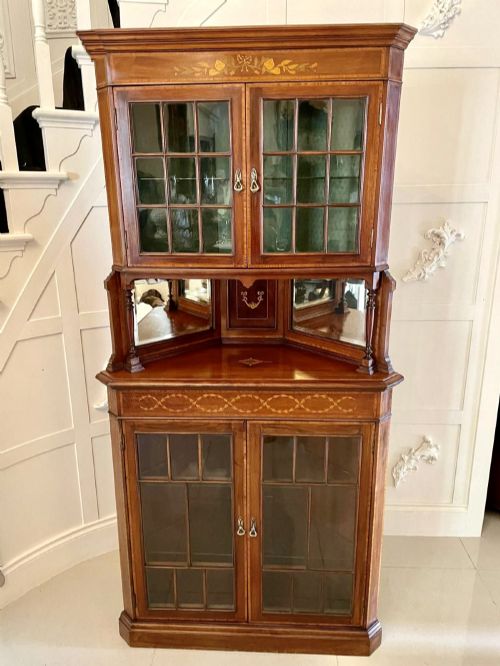
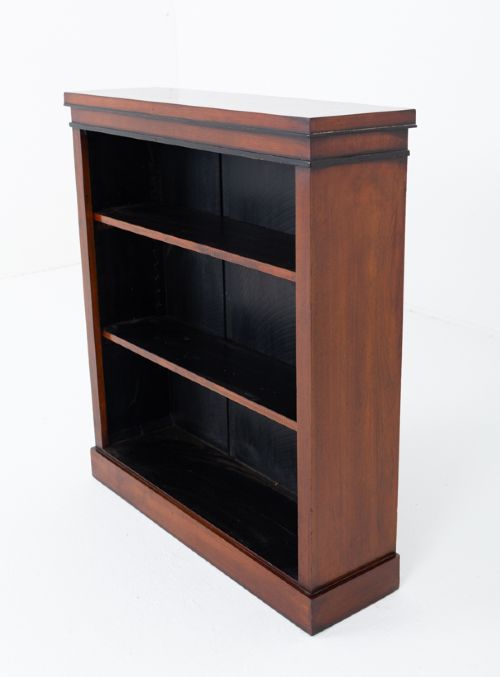
A vintage cabinet covers a wide array of functional storage forms, ranging from oak sideboards and display cabinets to mahogany bookcases and pine plan chests. Buyers encounter practical pieces designed for specific domestic uses, such as music cabinets, linen presses, and bedside tables.
The selection encompasses pieces originating from the nineteenth century through the Edwardian era and into the 1920s. Oak and mahogany dominate the offerings, appearing in styles that span Georgian, Victorian, Arts and Crafts, and Mid-Century Modern designs.
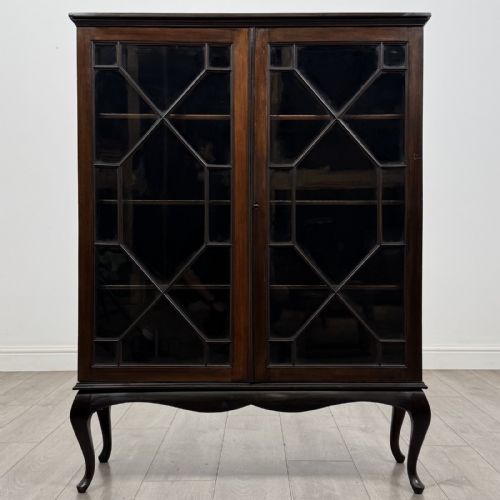
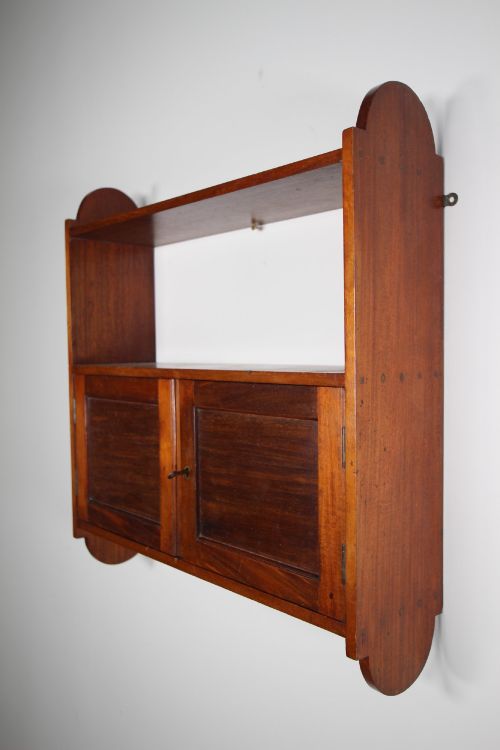
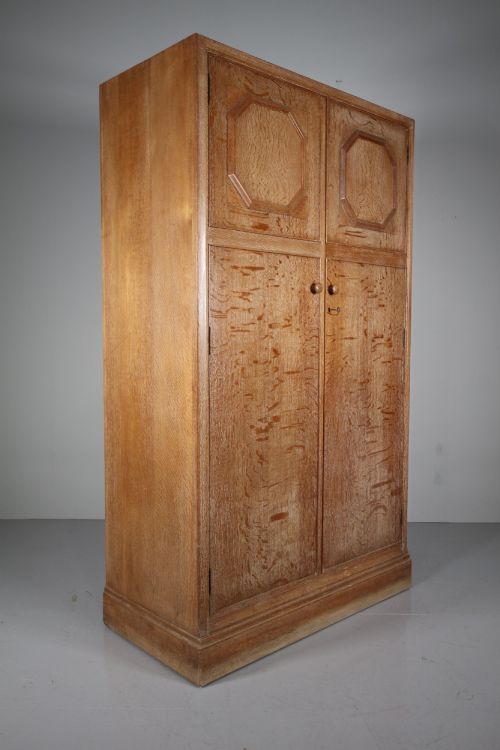
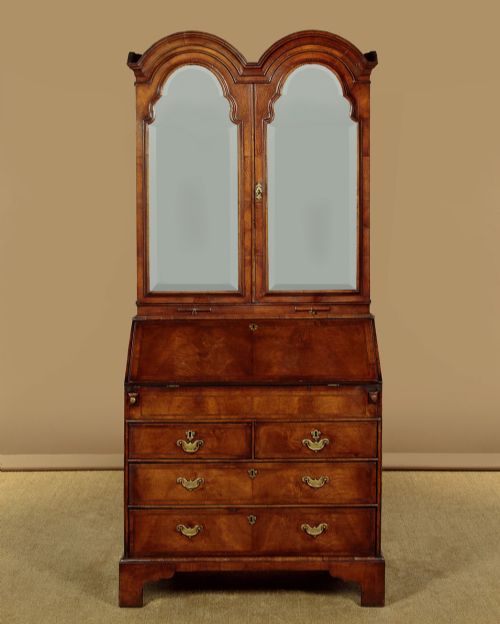
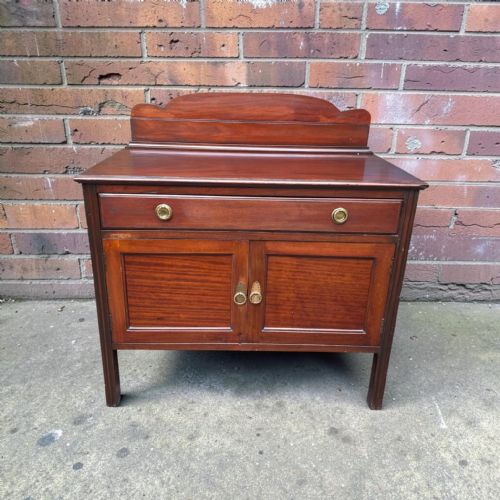
Freestanding bedroom wardrobes, small side cabinets with panelled doors, and glazed display furniture represent the most common formats on the market. These items reflect the domestic storage needs of past decades, executed in durable hardwoods and softwoods.
Materials and Construction
Cabinet makers relied primarily on oak, mahogany, and walnut, often utilising burr veneers and satinwood stringing to create decorative surface patterns. Structural integrity relied on solid timber framing for carcases, drawers, and panelled doors.
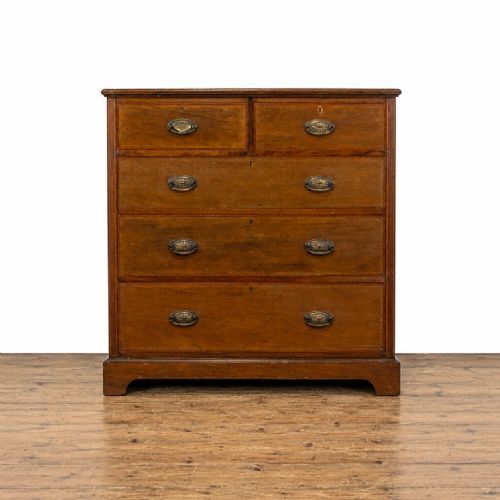
Secondary elements include brass handles, glass panes for display doors, and marble tops fitted to bedside pieces. Carved detailing, marquetry inlays, and turned or barley twist legs provide the ornamental finish characteristic of each period.
Listings feature oak, mahogany, walnut, and pine across periods from the 1800s to the 1920s.
Judging Quality
Quality rests on the selection of timber figures, such as flame mahogany or burr walnut, and the precision of marquetry inlay work. Superior items display careful matching of wood grain across large surfaces like wardrobe doors and sideboard fronts.
Construction methods define the better specimens, evident in smooth drawer operations, tight joints, and original brass hardware. The presence of fitted interiors, pull-out slides, and hidden compartments elevates the utility and craftsmanship of the piece.
E Gomme
The Vintage Cabinet Glossary
- Demi lune
- A half-moon shape used to describe the curved front of specific side cabinets and sideboards. This profile sits flush against a wall while offering a softer, rounded projection.
- Secretaire
- A cabinet or chest incorporating a pull-out writing drawer with a drop-down front, concealing small interior drawers and pigeonholes. It combines desk functionality with standard storage.
- Marquetry
- The art of applying pieces of veneer to a structure to form decorative patterns and pictures. Craftsmen used contrasting wood types to create intricate floral or geometric designs.
- Gallery
- A raised raised rim or railing along the top surface of a chest of drawers or cabinet. It prevents items placed on top from sliding off.
- Wellington chest
- A tall, narrow chest of drawers secured by a single hinged locking side flap that latches over the drawer edges. This locking mechanism protects the contents with one key turn.
Vintage Cabinet: Frequently Asked Questions
How do I choose the right vintage cabinet for my space?
Measure your available floor area and ceiling height carefully before selecting a form, keeping in mind that wardrobes and sideboards require substantial clearance.
Consider what you intend to store, as shelved cupboards suit glassware and books, while drawer units manage smaller items.
What is the difference between an Edwardian and a Victorian cabinet?
Victorian storage pieces often feature heavier proportions, darker finishes, and dense ornamentation reflecting the tastes of the nineteenth century.
Edwardian examples tend to exhibit lighter construction, brighter mahogany or satinwood tones, and influences from Sheraton or neoclassical revivals.
Can I use a vintage display cabinet in a modern living room?
Glazed display cabinets and bookcases integrate well into contemporary interiors by breaking up plain walls and providing a contrasting texture.
Ensure the timber tone complements your existing furniture, whether you prefer the warmth of golden oak or deep mahogany.
How should I care for timber surfaces on older furniture?
Dust the wood regularly with a soft, dry cloth and avoid placing pieces in direct sunlight or near heat sources that cause timber to dry out.
Apply a quality beeswax periodically to nourish the grain and maintain the natural lustre of the finish without building up heavy chemical residue.