
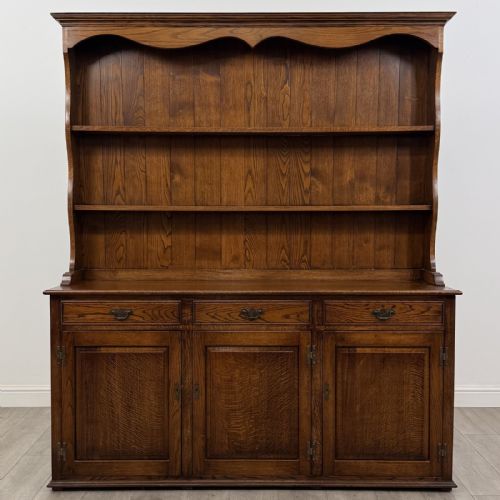
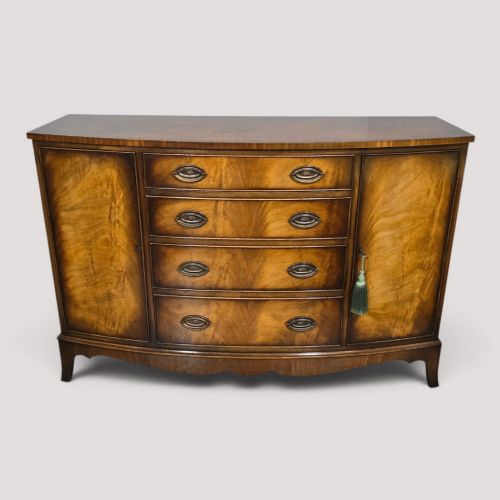
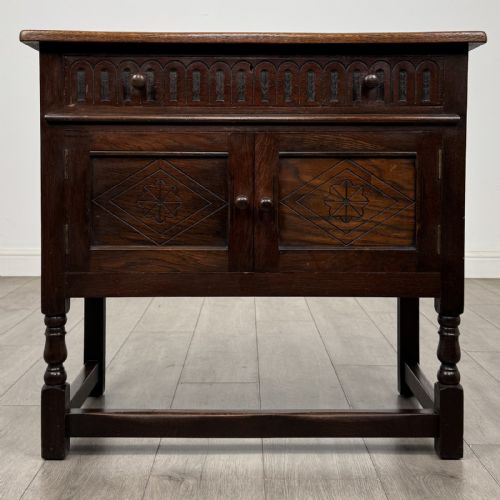
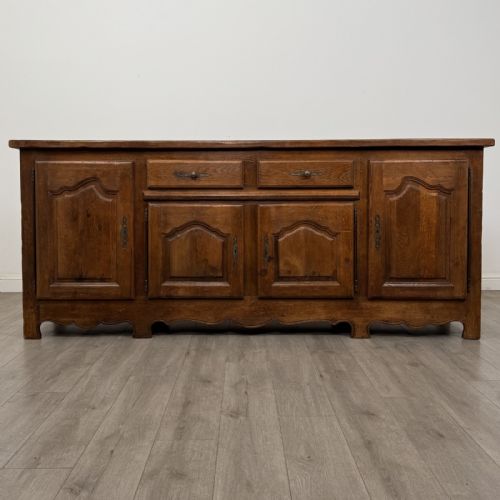
Vintage Buffet Cabinet
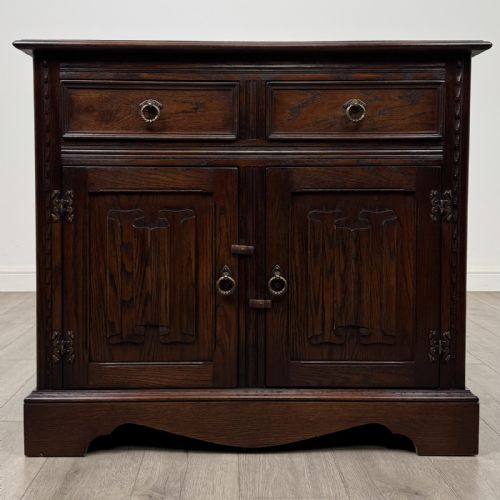
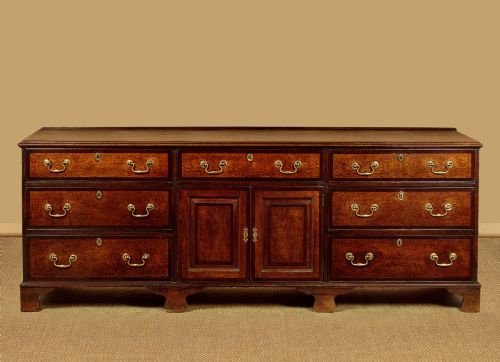
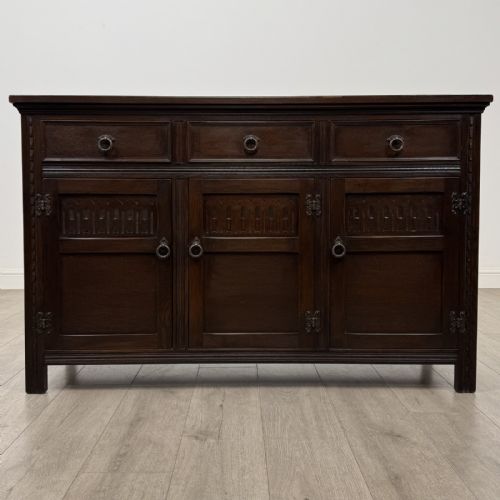
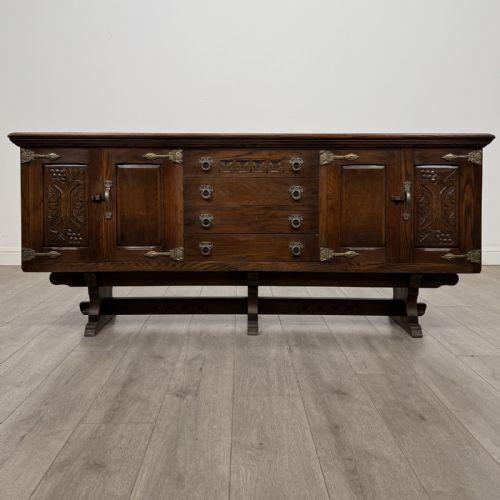
A vintage buffet cabinet brings practical storage and architectural presence to a dining room, combining timber character with generous surface space for serving.
Vintage Buffet Cabinet
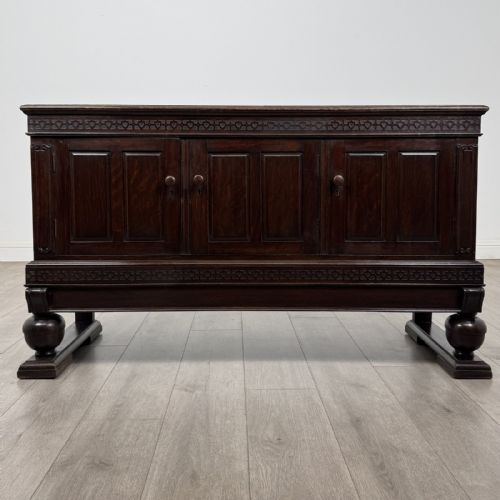
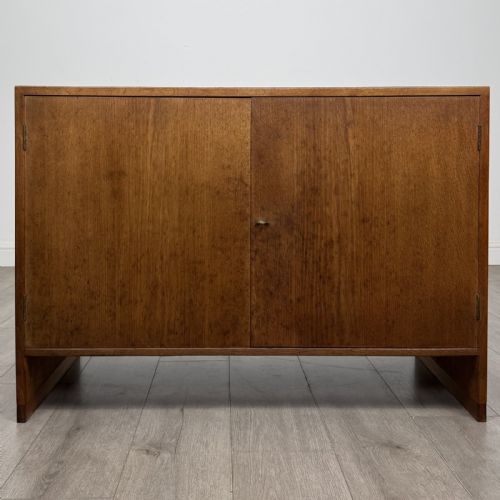
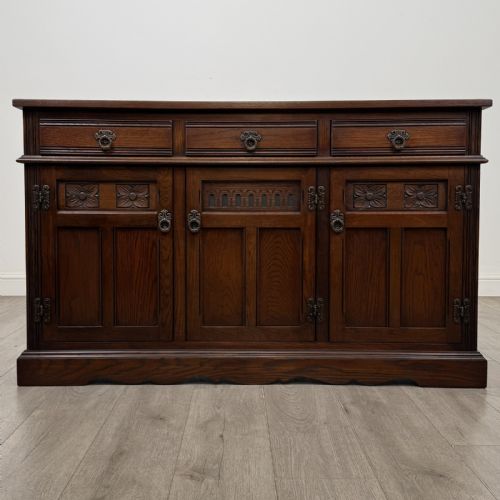
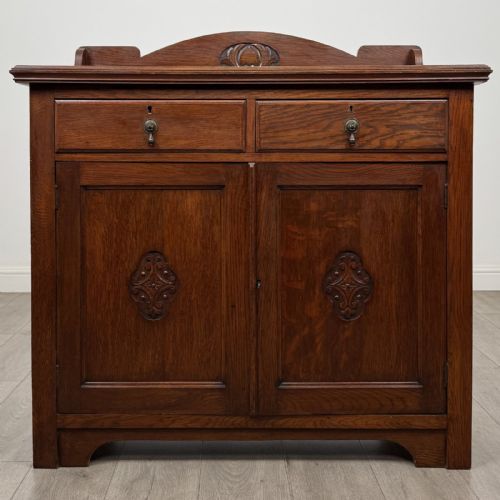
When you search for a vintage buffet cabinet, you encounter sturdy storage furniture primarily designed for dining spaces, often catalogued as sideboards, servers, or dresser bases. The selections span multiple eras, with Edwardian and Art Deco examples appearing frequently alongside earlier Victorian and Georgian style interpretations.
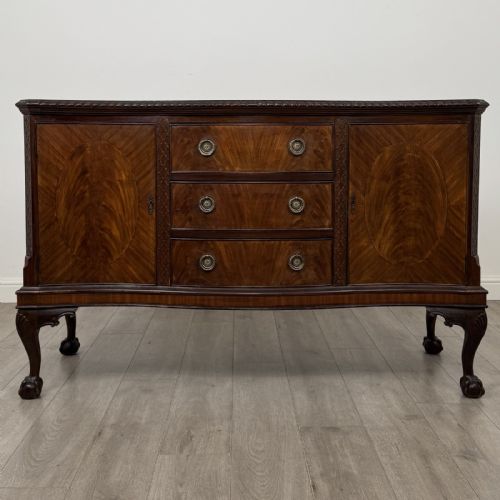
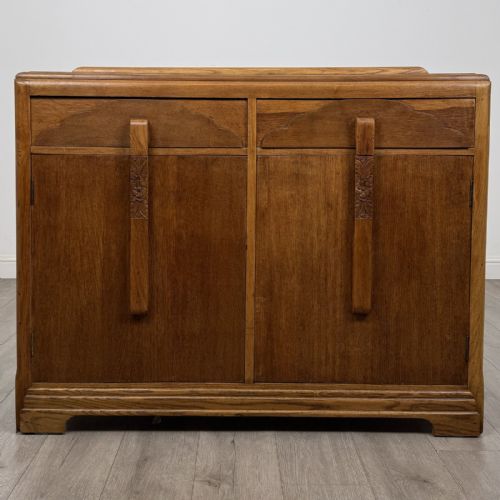
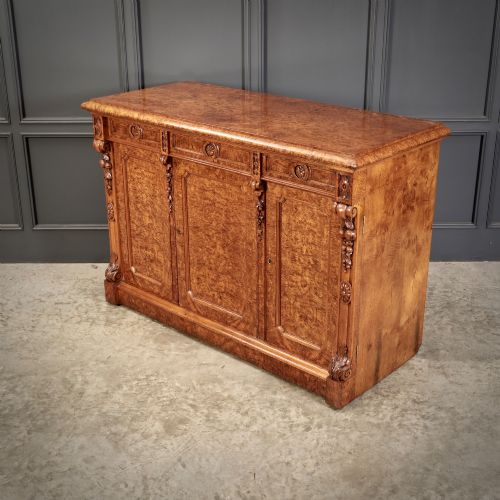
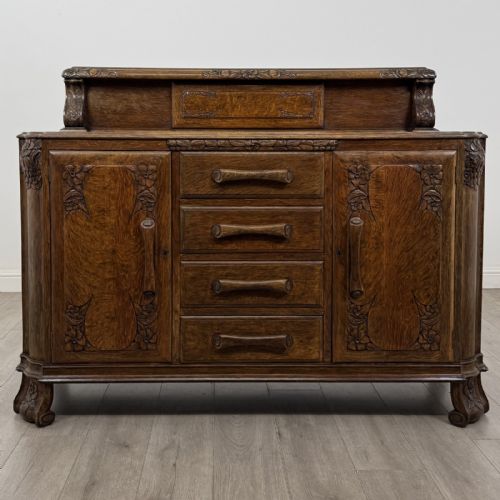
Forms range from compact mirror-back sideboards to substantial breakfront units, incorporating cupboards, drawers, and occasionally glazed display sections. Oak and mahogany dominate the offerings, complemented by rich burr walnut and satinwood surfaces.
The aesthetic vocabulary stretches from restrained revival styles to geometric modernist lines, giving buyers a broad spectrum of proportion and ornamentation to fit their interiors.
How they were made
Cabinet makers relied on solid hardwoods such as oak, mahogany, and walnut, often applying decorative veneers like burr walnut or flame mahogany to primary display surfaces. Joinery techniques ensured structural stability for heavy timber frames, while brass handles and iron fittings provided functional hardware.
Carved galleries, inlaid borders, and glazed doors required specialist woodworking skills, from hand-carved oak panels to precise marquetry work on satinwood fronts. Finishes were traditionally applied by hand, sealing the timber while highlighting natural grain patterns.
Several pieces arrive with their original fitted cutlery sets tucked inside, ready for a dinner party.
What varies in quality
Quality rests upon the selection of timber and the precision of the construction, where figured veneers and heavy solid hardwoods distinguish superior examples from simpler utilitarian pieces. The crispness of hand-carved details, the integration of original brass or iron hardware, and the stability of drawer runners indicate superior workshop standards.
Proportion and decorative restraint elevate certain designs, particularly where matched burr walnut or subtle inlay work enhances the architectural form without overwhelming it.
Charles Dudouyt·Maurice Adams·Edward Barnsley
The Vintage Buffet Cabinet Glossary
- Breakfront
- A piece of furniture where the central section projects forward from the flanking outer sections. This architectural arrangement creates depth and visual interest.
- Burr Walnut
- Timber taken from a tree growth or burl, producing intricate and swirling grain patterns. It is sliced into decorative veneers for cabinet fronts.
- Chiffonier
- A low sideboard or cabinet developed in the nineteenth century, often equipped with a small shelf or mirror on the upper surface.
- Gallery
- A raised wooden or brass rail along the back or top edge of a cabinet. It prevents items from sliding off the surface.
Vintage Buffet Cabinet: Frequently Asked Questions
Where should I place a buffet cabinet?
These cabinets suit dining rooms, living spaces, or wide hallways where surface area and enclosed storage are both required. Their substantial depth means they anchor a room well against a primary wall.
Ensure there is adequate clearance for doors to swing open fully and for drawers to extend without obstruction from dining chairs or tables.
How do I maintain the wood finish?
Dust the timber regularly with a soft, dry cloth and avoid placing wooden surfaces near direct heat sources or strong sunlight. Natural waxes applied periodically will nourish the grain and protect the polish.
Keep liquids away from unsealed surfaces and use mats beneath serving dishes to prevent moisture rings on the top boards.
Can I use a sideboard in a hallway?
A narrower sideboard or shallow cabinet works effectively in an entrance hall for storing keys, post, and everyday accessories. Models with drawers provide concealed organisation for household clutter.
Check the depth measurements carefully to maintain an open walkway through the entrance space.
What is the difference between a sideboard and a dresser base?
A sideboard is typically a low freestanding unit with cupboards and drawers, designed primarily for serving and dining storage. A dresser base is often part of a traditional kitchen or dining grouping, sometimes historically paired with upper shelving.
Both serve similar storage functions in contemporary interiors, though dresser bases often display heavier timber construction.