

20th Century Oak Dresser
When choosing a 20th century oak dresser, you are selecting a substantial storage piece defined by enduring timber construction and period character.
20th Century Oak Dresser
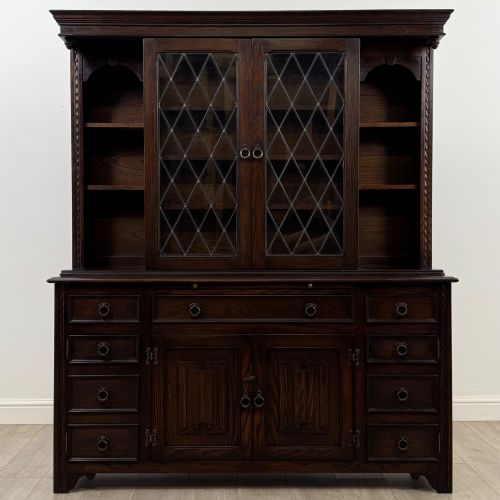
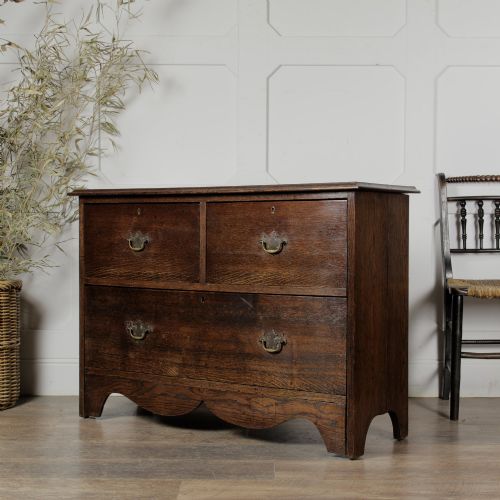
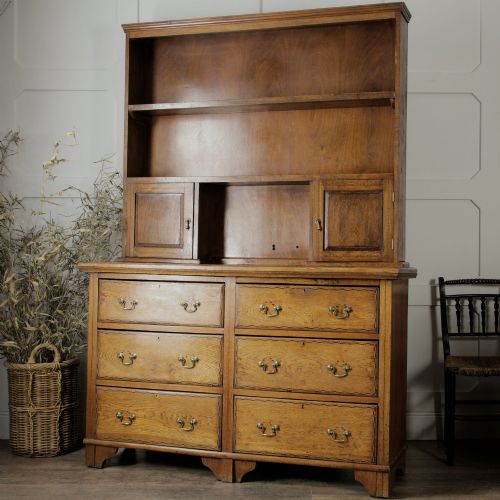
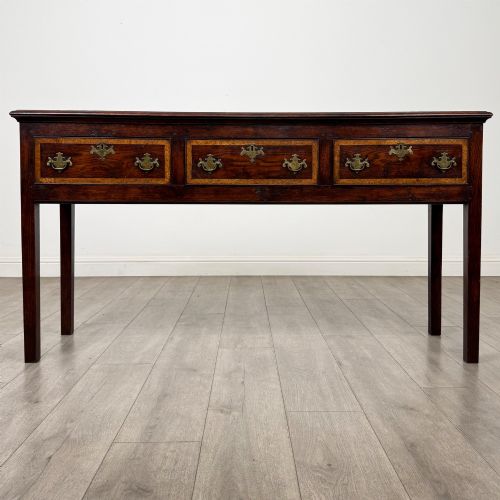
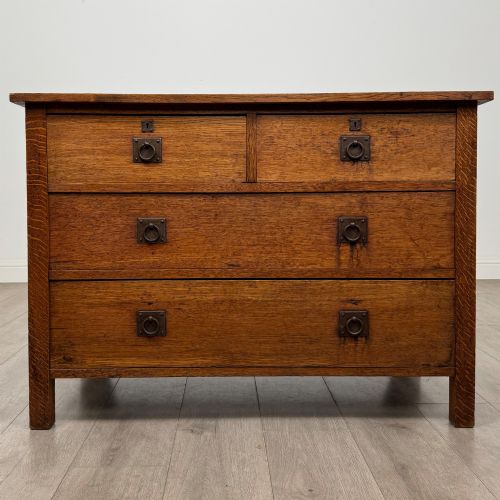
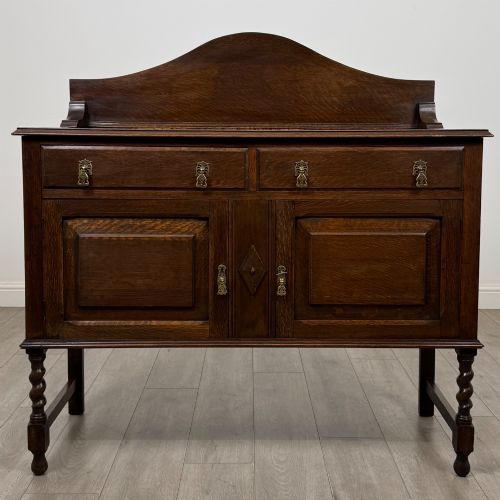
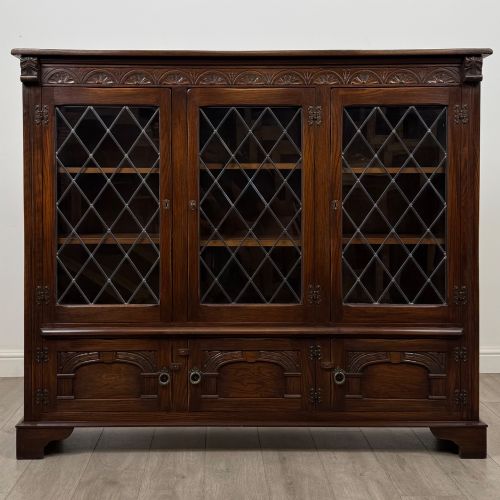
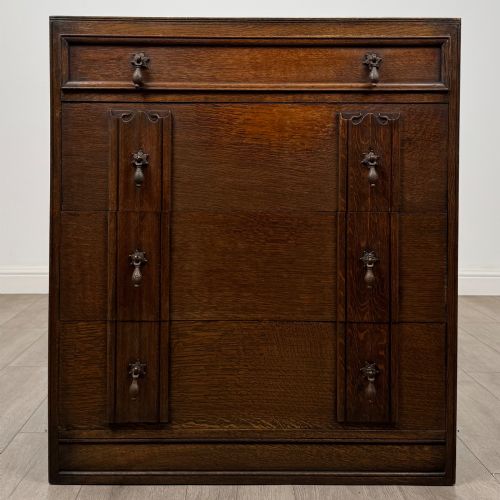
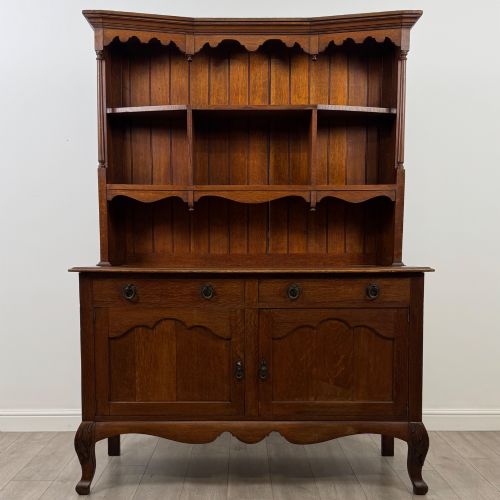
A 20th century oak dresser brings together practical kitchen or dining storage and strong historical design influences, ranging from straightforward Edwardian forms to revival styles. These pieces often combine a lower base of drawers or cupboards with upper plate racks or display cabinets, providing both concealed storage and open display.
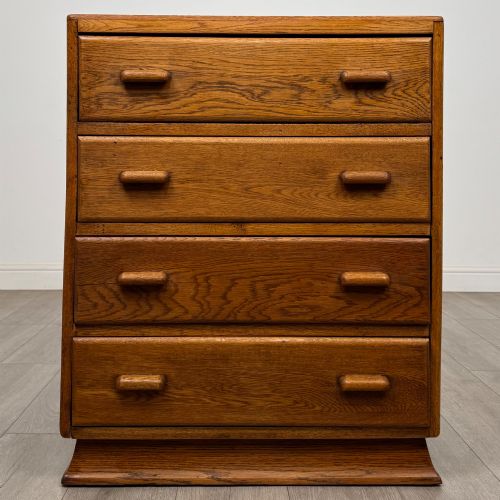
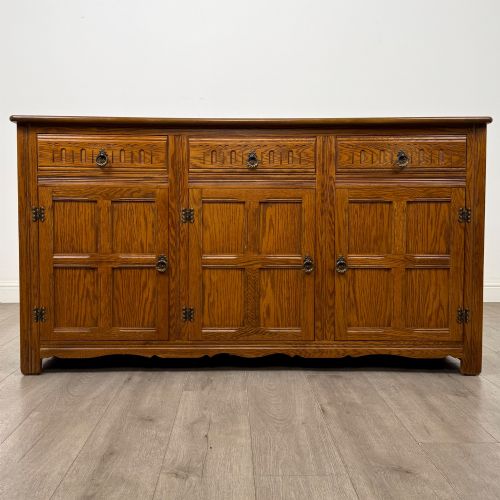
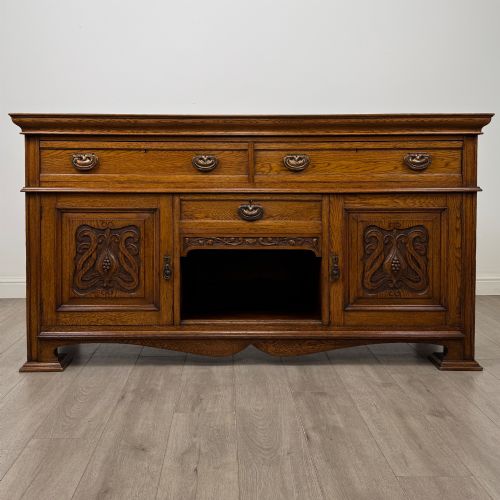
The selection on this page relies heavily on Edwardian craftsmanship and items originating from the early decades of the century. Buyers frequently encounter formats such as the traditional Welsh dresser, the compact dresser base, or larger farmhouse variants featuring golden or honey oak tones.
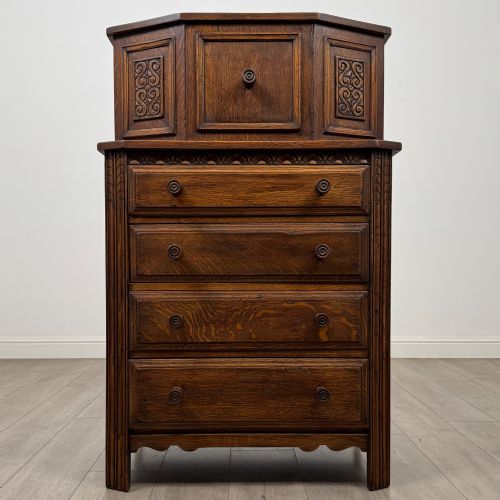
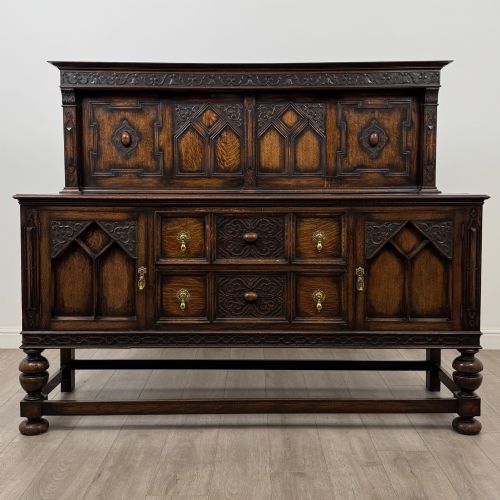
Makers of the period drew upon diverse stylistic inspirations, resulting in pieces finished with Jacobean revival details, Arts and Crafts simplicity, or French provincial lines. This variety ensures that each design serves as a functional focal point within modern interiors while retaining its original utilitarian purpose.
Materials and construction methods
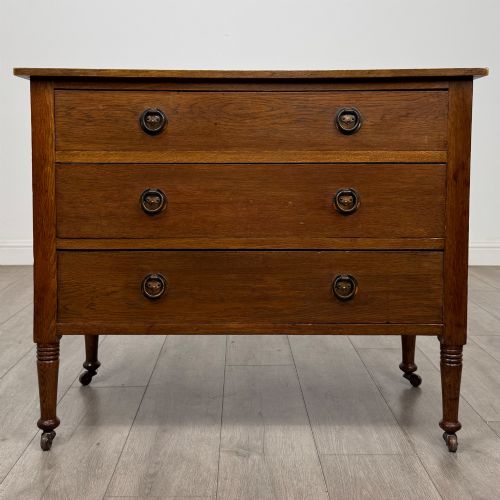
Construction relies primarily on solid oak, selected for its density and prominent grain patterns, occasionally complemented by secondary timbers for internal components. Workshops utilised traditional jointing methods to ensure structural stability across large sideboards, chests, and dresser bases.
Surface treatments and hardware incorporate materials such as brass for drawer pulls, glass for display doors, and iron or copper for structural bracing and decorative hinges. Cabinet makers applied oils and polishes to enhance the natural golden and honey hues of the timber while protecting the surface from daily wear.
Scrubbed oak surfaces reveal decades of industrious kitchen preparation, bearing the quiet ghost marks of long-forgotten family meals and morning pastry.
Evaluating craftsmanship and detail
The standard of a 20th century oak dresser depends significantly on the depth of hand-carved ornamentation and the precision of the joinery. Superior examples display crisp linenfold panels, intricate barley twist supports, and evenly proportioned plate racks that demonstrate skilled cabinet making.
Selection of the timber itself dictates much of the visual appeal, with finer pieces utilising quarter-sawn oak that reveals distinct medullary rays. Hardware integration, drawer movement, and the integrity of glazed cabinet doors further separate standard utility items from higher-grade provincial and revival commissions.
The 20th Century Oak Dresser Glossary
- Dresser base
- The lower portion of a dresser, functioning independently as a sideboard or low cabinet with drawers and cupboards.
- Court cupboard
- A traditional enclosed storage piece characterised by recessed upper tiers and heavy oak panel construction.
- Linenfold
- A style of wood carving that imitates folded fabric, commonly found on cabinet doors and drawer fronts from the period.
- Barley twist
- A turned column detail resembling a spiralling rope, frequently utilised on the legs and supports of sideboards.
- Plate rack
- The open shelving superstructure attached to the top of a dresser, designed for displaying ceramic plates and platters.
20th Century Oak Dresser: Frequently Asked Questions
What is the difference between a dresser and a sideboard?
A dresser typically includes an upper plate rack or shelving unit mounted above a lower storage base, while a sideboard consists solely of the lower cabinet structure.
Both forms utilise similar oak construction and period detailing, but the inclusion of display shelving defines the traditional dresser format.
How do I care for solid oak furniture?
Solid oak benefits from regular dusting with a dry cloth and occasional treatment with suitable natural waxes to maintain the finish. Avoiding direct sunlight and sudden temperature changes prevents the timber from drying out or splitting.
Proper humidity levels in the room will preserve the integrity of the joints and the original polish.
Where were these dressers typically used?
These pieces originally served in country houses, farmhouses, and domestic kitchens for storing tableware, linens, and provisions. The upper racks displayed everyday ceramics while the lower cupboards concealed heavier kitchen utensils.
Today they function equally well in dining rooms, large hallways, and open-plan living spaces.