





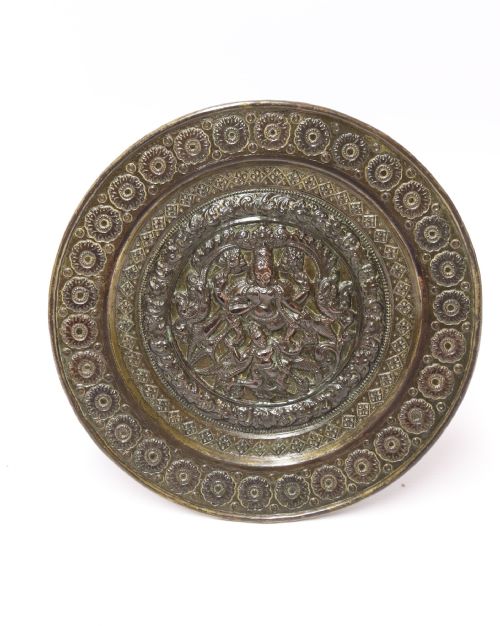
Vintage Bronze Tray
These vintage bronze tray pieces bring functional metalwork into daily spaces, offering decorative utility shaped by decades of design.
Vintage Bronze Tray
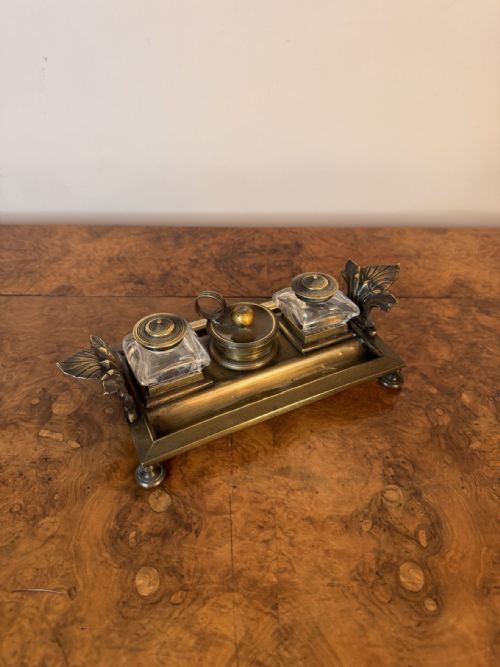
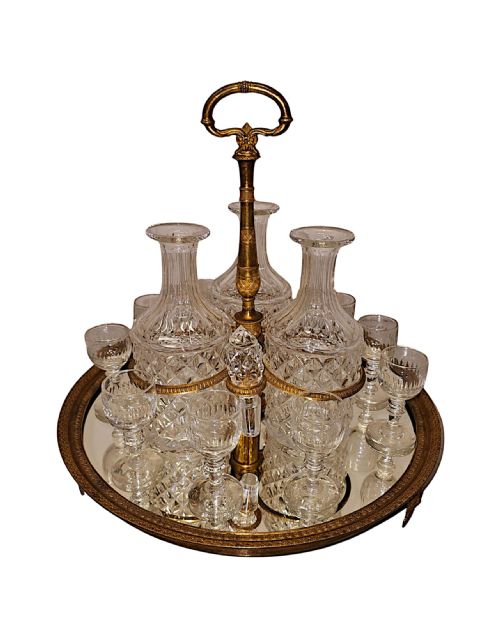
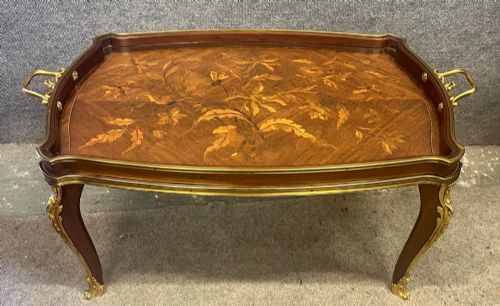
A vintage bronze tray encompasses desk tidies, inkstands, vide poche dishes, and decorative plates originating across the late nineteenth and early twentieth centuries. These items serve as compact desktop catchalls or decorative table centerpieces, reflecting periods from Victorian craftsmanship through Art Deco and Art Nouveau styling.
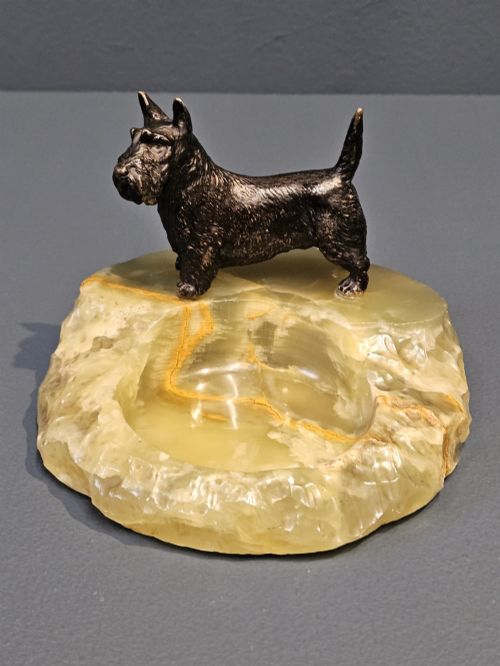
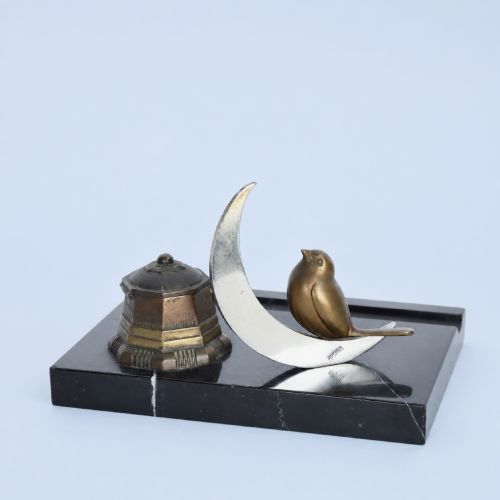
The version most commonly met on this page is the compact desk tidy or small dish, frequently cast in bronze, brass, or gilt bronze and occasionally paired with materials such as onyx or marble. Many of these pieces integrate figural elements like animals or birds, or feature cold-painted polychrome surfaces characteristic of Austrian workshops.
Materials and Casting Techniques
Makers utilised bronze, gilt bronze, ormolu, and brass as primary metals, often combining them with stone bases like onyx and black marble to add weight and contrast. Surfaces were finished through patination, silvering, gilding, or the application of cold-painted enamel pigments directly onto the metal.
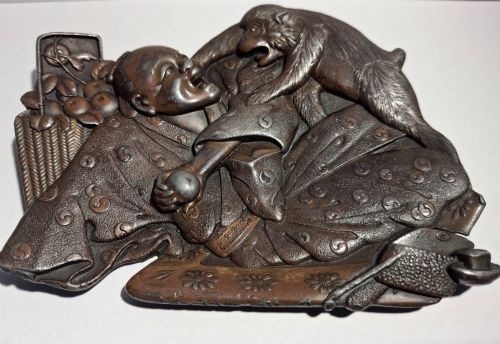
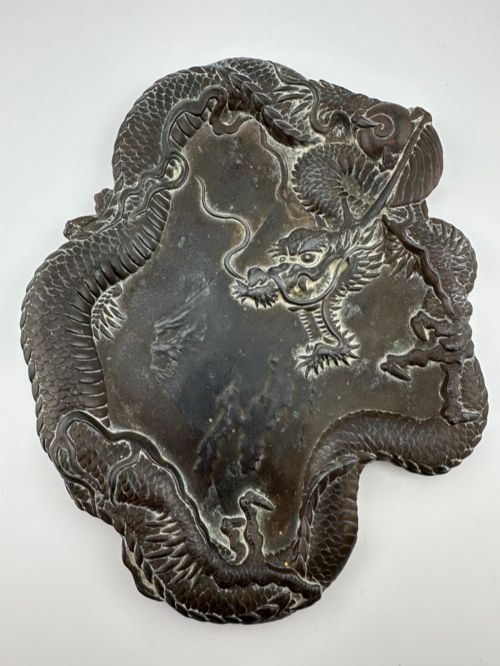
Casting methods produced both utilitarian desk accessories and ornamental plaques, incorporating decorative techniques such as champlevé enamel, applied metalwork, and intricate patinated relief modelling.
Vintage Bronze Tray Retail Price Guide 2026
Typical asking prices for vintage bronze tray among the pieces listed under this phrase on Sellingantiques today, from the lower quarter to the upper quarter. They describe what is for sale here now, not the wider market.
Several pieces feature permanent feline committee meetings cast in metal, proving cats have supervised desk work for over a century.
Factors That Determine Quality
The standard of a piece rests upon the crispness of the cast and the preservation of its original surface finish, whether that is patinated bronze, cold paint, or fire gilding. Superior examples display fine detail in figural modelling and secure integration with secondary materials like marble and onyx.
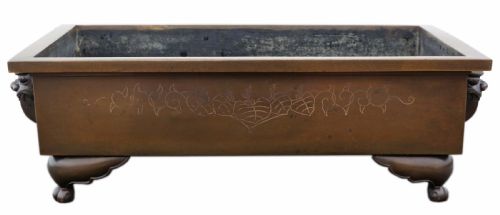
Artistry in design and execution elevates certain desk tidies and vide poche dishes above standard utilitarian items, particularly where named makers or distinct regional styles like Austrian cold painting or Japanese Meiji metallurgy are involved.
Falkirk Foundry·Ferdinand Preiss·Josef Lorenzl·Maurice Dufrene·Bergmann
The Vintage Bronze Tray Glossary
- Cold painted bronze
- A method where bronze figures are painted with oil-based colours and heated to bond the pigment to the metal. This technique is especially associated with Austrian animalier bronzes from the late nineteenth and early twentieth centuries.
- Vide poche
- A small tray or bowl designed to hold pocket contents such as coins, keys, or cufflinks at the end of the day. These catchalls appear frequently in gilt bronze and silvered bronze.
- Ormolu
- Gilded brass or bronze applied to decorative objects and furniture mountings. The process involves coating base metal with a mercury and gold amalgam before heating.
- Takazōgan
- A Japanese metalworking technique involving high-relief appliqué ornamentation on a metal ground. Pieces utilising this method often date from the Meiji period.
- Champlevé
- An enamelling technique where troughs or cells are hollowed out of the metal surface and filled with vitreous enamel prior to firing. This method creates colourful geometric or pictorial patterns.
Vintage Bronze Tray: Frequently Asked Questions
What is a vintage bronze tray used for?
These metal trays function as desk tidies, pen rests, and vide poche dishes designed to hold small everyday items like keys, coins, or fountain pens.
Historically, many served alongside inkwells and stamp boxes as essential desk accessories in studies and offices.
How do I care for a bronze desk tray?
Dust the surface gently with a soft, dry cloth to prevent the accumulation of grit in recessed cast details.
Avoid chemical polishes or water, particularly on cold-painted or patinated surfaces, as harsh cleaners remove the original finish.
How can I tell Art Nouveau from Art Deco pieces?
Art Nouveau items display flowing organic lines, natural motifs such as flowers or birds, and asymmetrical forms typical of the turn of the twentieth century.
Art Deco objects favour geometric lines, symmetry, and stylised depictions often paired with contrasting black marble.
What does cold-painted bronze mean?
Cold painting describes a process where dried paint colours are applied to a cast bronze object without subsequent high-temperature firing.
Because the paint sits on the metal rather than fusing into an enamel, surviving examples often show charming areas of natural wear.