





Vintage Bronze Stand
A vintage bronze stand offers heavy metal presence, taking the form of candelabra, torchere, and jardiniere supports across nineteenth and twentieth century design.
Vintage Bronze Stand
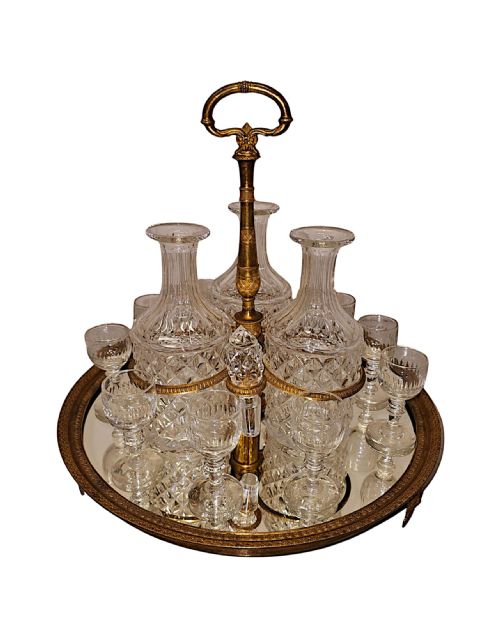
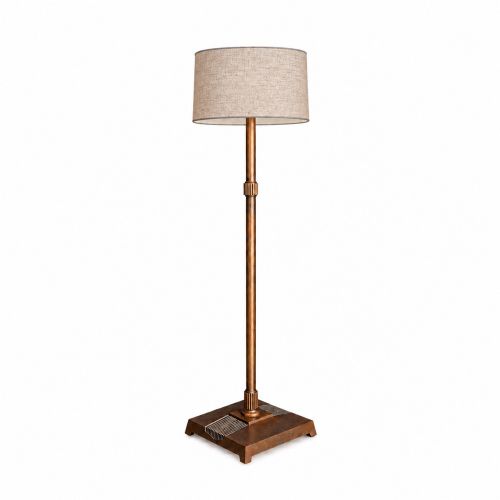
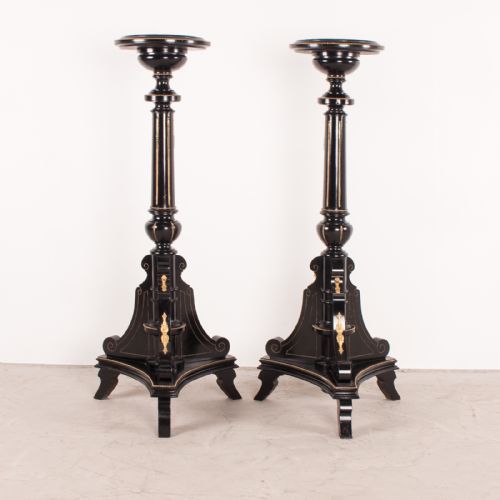
A vintage bronze stand encompasses domestic functional objects and display mountings, including torcheres, floor lamps, and jardiniere planters. These pieces emerge from periods spanning the Victorian era through the Art Deco movement, carrying French Rococo, Empire, and Gothic Revival influences.
The objects listed under a vintage bronze stand vary between structural floor-standing furniture with metal mounts and tabletop display vessels. Many incorporate mixed materials such as marble plinths, porcelain plaques, and cut glass alongside cast metal frames.
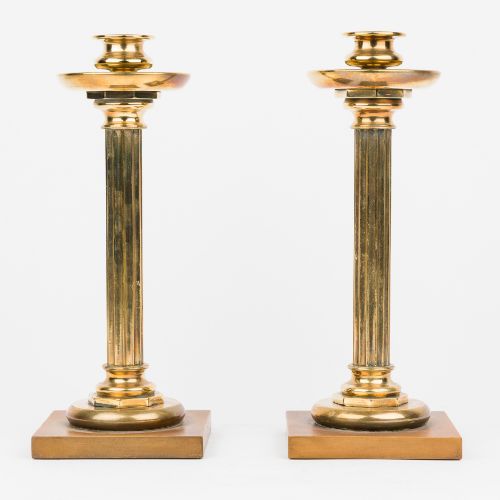
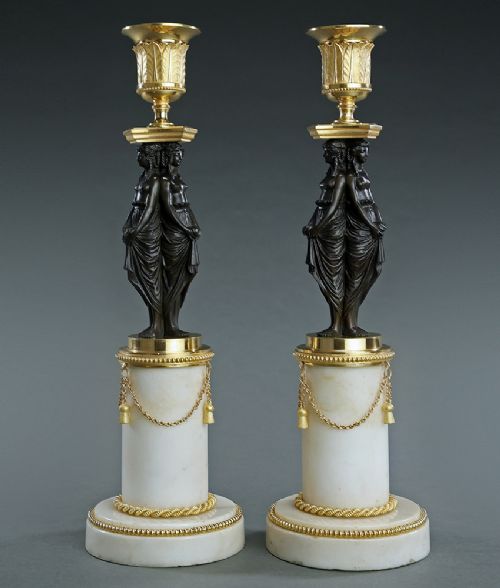
Origin points cluster heavily around French workshops of the nineteenth century alongside British and Japanese metalwork. Buyers encounter everything from seamed candle holders to gilt bronze display stands designed for interior illumination and botanical presentation.
Materials and construction methods
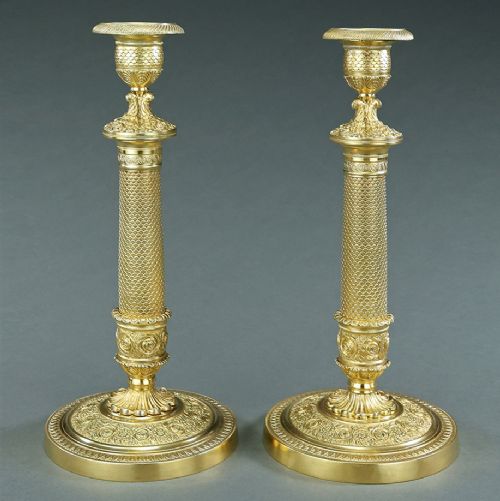
Makers utilised bronze, brass, and ormolu as primary metallic bodies, often combining cast bronze with fire-gilded surfaces or champleve enamel panels. Structural supports frequently integrate hardwoods like kingwood, mahogany, and walnut alongside inset marble tops.
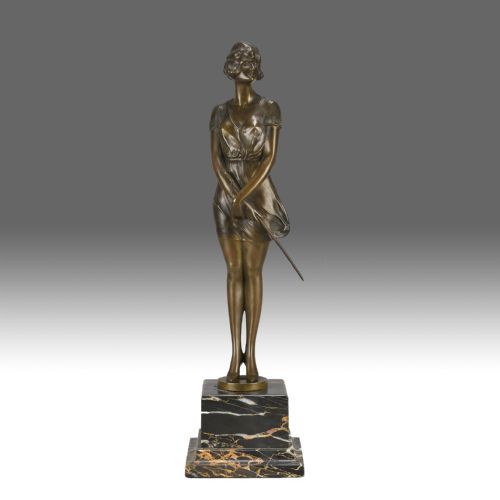
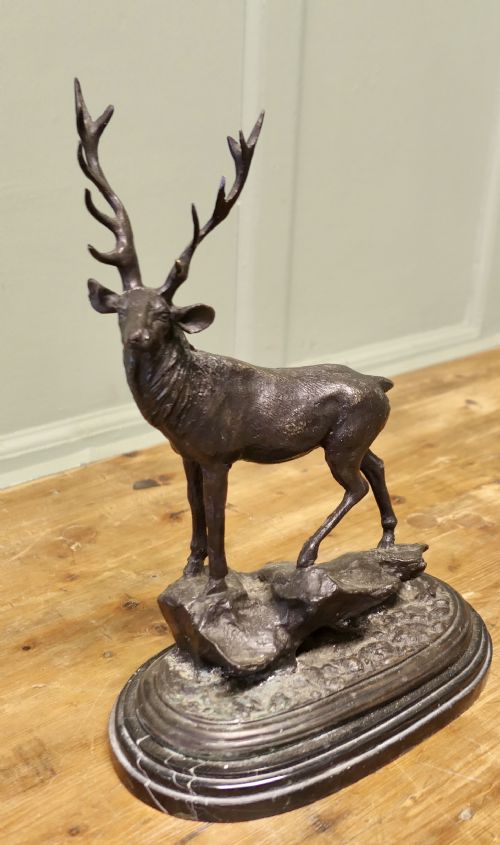
Foundry casting methods created detailed figural sculptures and ornate plant stands, while secondary decorative elements involved hand-chased surface tooling and applied porcelain plaques. Patination treatments ranged from dark chemical darkening to bright mercury gilding.
Vintage Bronze Stand Retail Price Guide 2026
Typical asking prices for vintage bronze stand among the pieces listed under this phrase on Sellingantiques today, from the lower quarter to the upper quarter. They describe what is for sale here now, not the wider market.
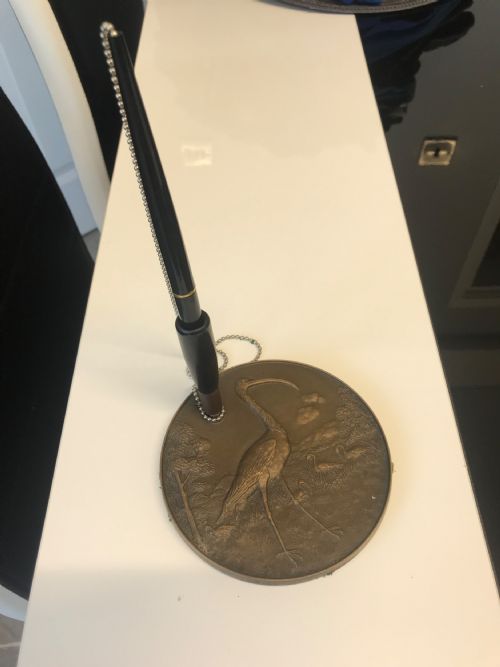
Among the heavy metal pedestals and formal candelabra hides an ibis bird pen rest.
Distinctions in craftsmanship
Quality rests upon the crispness of the metal chasing and the structural integration of mixed materials such as marble and wood. Superior castings retain sharp relief details without soft edges or obscured ornamentation.
The depth and durability of the gilding or patination dictate the visual standard of the piece. Workshops employing fire gilding or careful mercuric processes achieve a lasting metallic lustre that inferior painted coatings lack.
Bruno Zach·Kunio Itô·A.Cohen & Co Ltd London
The Vintage Bronze Stand Glossary
- Ormolu
- Gilt bronze produced by applying a mixture of gold and mercury to a bronze base, heated until the mercury vapourised and left the gold behind. This technique creates a rich yellow metallic finish common on nineteenth-century French stands.
- Champleve
- An enamelling technique where troughs or cells are carved into the metal surface and filled with vitreous enamel powder before firing. It appears frequently on late nineteenth-century decorative pieces.
- Torchere
- A tall ornamental stand or candlestick designed to carry a light source or display an object at height. These tall supports often utilise carved wood paired with metal mounts.
- Pricket candlestick
- A candle holder featuring a sharp metal spike at the centre to impound the base of a wax candle rather than a socket to receive it. Such items appear in nineteenth-century and Arts and Crafts contexts.
- Jardiniere
- An ornamental stand or container intended to hold growing plants or floral arrangements. They frequently incorporate ceramic inserts or marble upper surfaces.
Vintage Bronze Stand: Frequently Asked Questions
What is a vintage bronze stand used for?
These metal supports serve as pedestals for lighting, botanical displays, and decorative sculptures within period interiors. They elevate lamps, mirrors, and plants to display heights.
Heavier versions anchor floor-standing illumination while smaller tabletop variants frame vanity mirrors or pocket accessories. Their structural materials protect delicate surfaces while adding metallic weight to a room.
How do I identify a French ormolu stand?
French ormolu pieces display crisp surface chasing and a heavy bronze substrate beneath a gold-wash finish. They frequently incorporate nineteenth-century design vocabulary like Rococo curves and Empire symmetry.
Examining the underside reveals construction joints, hand-cut screws, and the natural oxidation of aged copper alloys. The weight remains substantial due to the dense metallic composition.
Are these stands made of solid bronze?
Many items combine cast bronze or brass mounts with wooden carcases, marble tops, or glass inserts. Pure bronze construction appears more often in smaller sculptures, candlesticks, and decorative vessels.
Larger furniture forms use metal primarily for decorative mounts, feet, and structural trim rather than the entire body. The listings include both solid metal castings and wood-and-metal composite objects.
How should I clean a vintage bronze stand?
Dust surfaces gently with a dry, soft cloth to prevent the accumulation of abrasive particles in recessed chasing. Avoid harsh chemical polishes that strip original patination and historic gilding layers.
Preserving the natural oxidation maintains the historical character developed over the nineteenth and twentieth centuries. Consult a metal conservator before attempting deep restoration on fragile mercury-gilt surfaces.