



Vintage Bronze Dog Sculpture
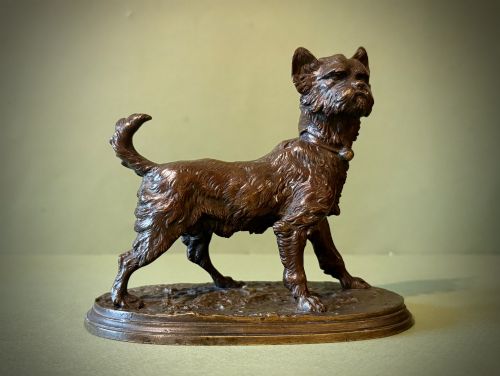
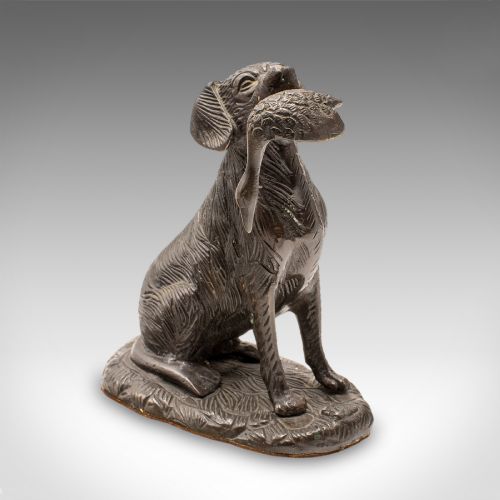
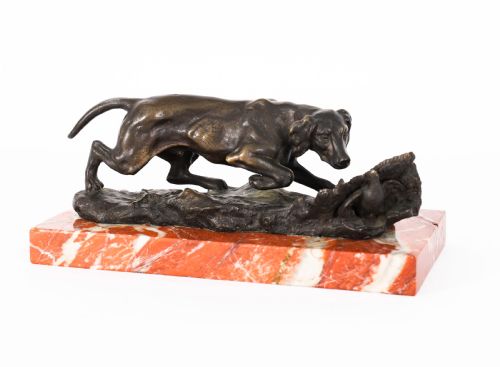
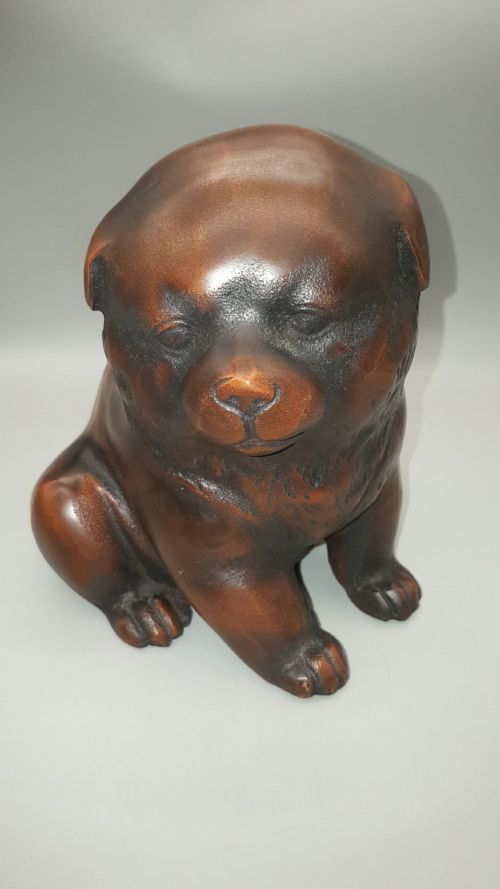
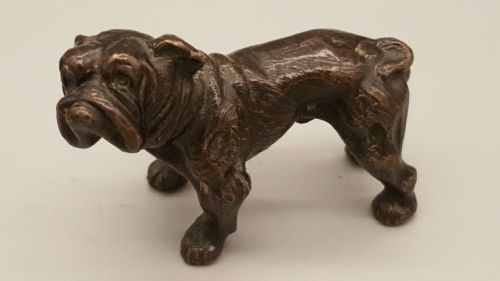
A vintage bronze dog sculpture captures the precise anatomical tension and character of hounds, terriers, and sporting dogs in durable metal.
Vintage Bronze Dog Sculpture
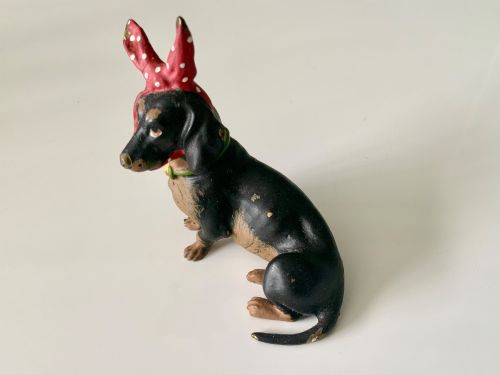
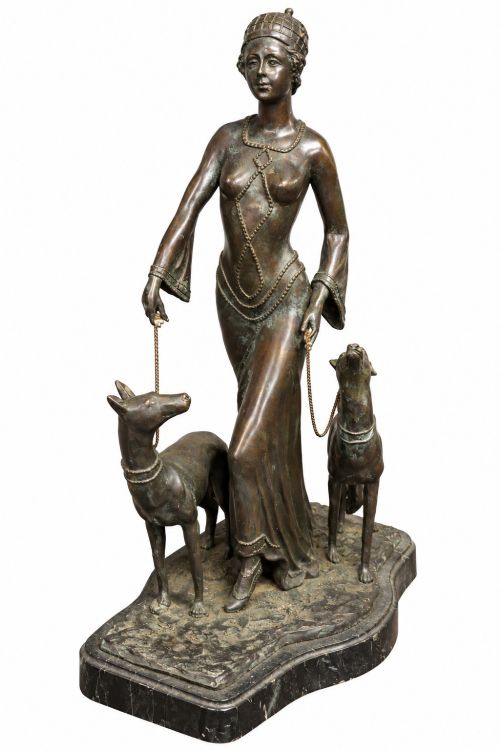
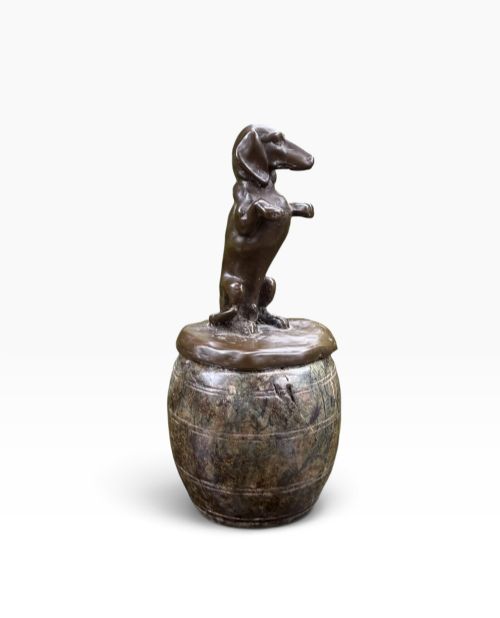
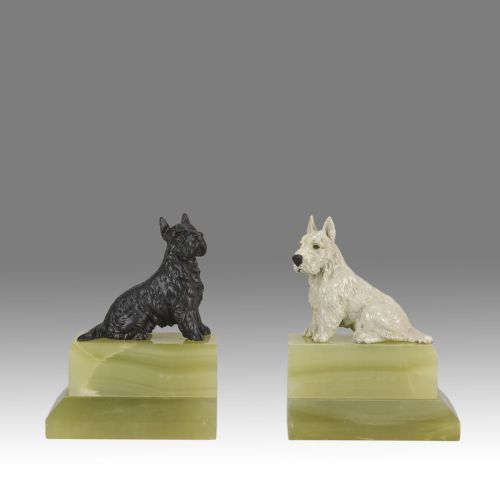
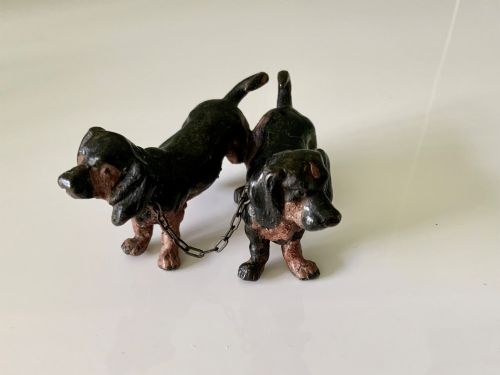
A vintage bronze dog sculpture typically depicts specific canine breeds, ranging from greyhounds and borzois to dachshunds, pugs, and terriers, rendered in realistic or stylized forms. These objects appear as standalone animal figurines, bookends, paperweights, inkwells, and larger animalier statues mounted on marble or onyx bases.
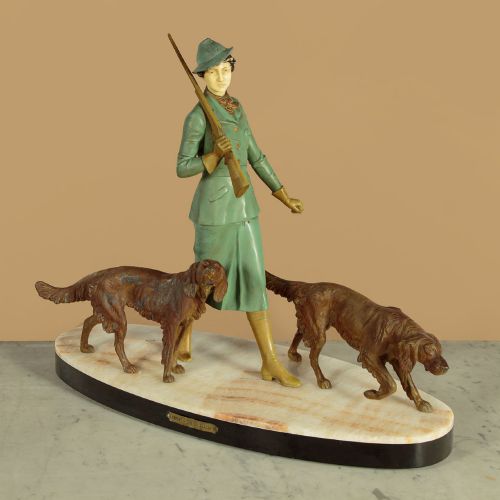
The selections span from Victorian and 19th-century French animalier works to early 20th-century Austrian cold-painted pieces and 1930s Art Deco creations. Buyers encounter both small cabinet models and substantial architectural figures designed for desks, mantelpieces, and firesides.
How they were made
Foundries utilised the lost-wax casting method to capture fine textures in bronze, producing nuanced musculature, fur detail, and naturalistic postures. Many Austrian workshop pieces received detailed polychrome finishes applied through cold-painting techniques onto the cast metal surface.
Makers frequently mounted completed figures onto heavy stone plinths, using veined marble or dark onyx to anchor the metallic weight. Alternative materials such as spelter and brass also appear alongside cast bronze, paired occasionally with glass elements or painted highlights.
Vintage Bronze Dog Sculpture Retail Price Guide 2026
Typical asking prices for vintage bronze dog sculpture among the pieces listed under this phrase on Sellingantiques today, from the lower quarter to the upper quarter. They describe what is for sale here now, not the wider market.
Listings feature periods spanning from the Victorian era through the 1930s, constructed in bronze, spelter, marble, and onyx.
What varies in quality
Casting crispness defines the superior tier, where facial expressions, paw structure, and coat textures remain sharp rather than softened by worn moulds. Superior examples display subtle patination and careful hand-chasing applied after the metal leaves the foundry.
The integration of the figure with its base indicates construction standards, as does the durability of cold-painted polychromy on Austrian models. Well-balanced proportions and weighty metal composition distinguish finished works from lighter alloy substitutes like spelter.
Georges Gori·Carl Kauba·Tsunemitsu·Dora Heber·Prosper Lecourtier·Edith Parsons·Jules Moigniez·Arthur Waagen·P.de Soete·Geo Maxim·Antoine Louis Barye·Franze Bergman·Christophe Fratin·Louis Riché·Dubucand·Barbedienne
The Vintage Bronze Dog Sculpture Glossary
- Animalier
- A 19th-century artistic movement focused on the realistic depiction of animals, particularly predators and sporting dogs. Sculptors in this tradition studied live specimens to record authentic movement and skeletal structure.
- Cold-painted bronze
- A method where polychrome oil paints are applied to a bronze casting without subsequent firing in a kiln. This technique produced vibrant, multi-coloured surfaces on small Austrian cabinet figures.
- Spelter
- A zinc-based alloy frequently utilised as a less expensive alternative to bronze during the 19th and early 20th centuries. It accepts patination and metallic paint finishes to simulate heavier metals.
- Lost-wax casting
- A historic metallurgical process where a wax model is melted from a ceramic mould to leave a cavity for molten bronze. This allows for intricate undercuts and delicate anatomical details.
Vintage Bronze Dog Sculpture: Frequently Asked Questions
Where should I display a bronze dog sculpture?
These figures suit stable surfaces such as wooden sideboards, marble mantelpieces, or executive desks where their solid weight provides security. Compact models function effectively as heavy paperweights or decorative bookends.
Position pieces away from direct moisture to protect exposed metal patinas and painted surfaces over decades of daily exposure.
How do I clean a vintage bronze sculpture?
Dust surfaces regularly with a soft, dry lint-free cloth to prevent particulate buildup within intricate fur and facial grooves. Avoid chemical polishes, abrasive pads, or liquid cleaners that strip historical patination.
Professional wax conservation may be applied very sparingly if the metal appears dry, but standard maintenance requires only gentle brushing.
What is the difference between bronze and spelter?
Bronze is an alloy of copper and tin that yields high tensile strength, deep natural patinas, and substantial heft suitable for detailed animalier casting. Spelter is a softer, lighter zinc-based substitute that feels noticeably cooler and less dense.
Closer inspection of the underside often reveals the lighter grey colour of spelter beneath worn surface paint.
How do I date an antique dog sculpture?
Dating relies on stylistic markers such as Victorian naturalism, Edwardian proportions, Art Deco geometric bases, and Japanese Showa period manufacturing traits. Foundry marks, signatures, and material compositions like cold-painted surfaces provide further chronological context.
Comparing anatomical rendering styles with established animalier sculptors helps narrow the period of origin.