
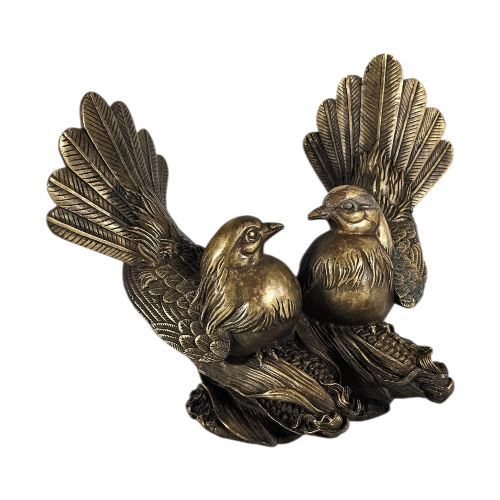
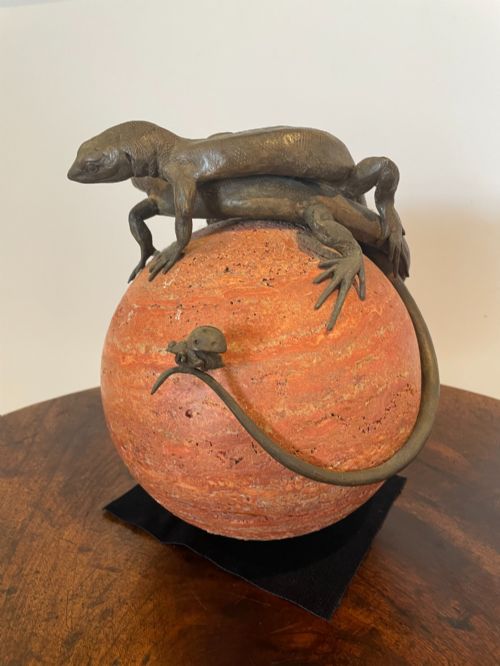
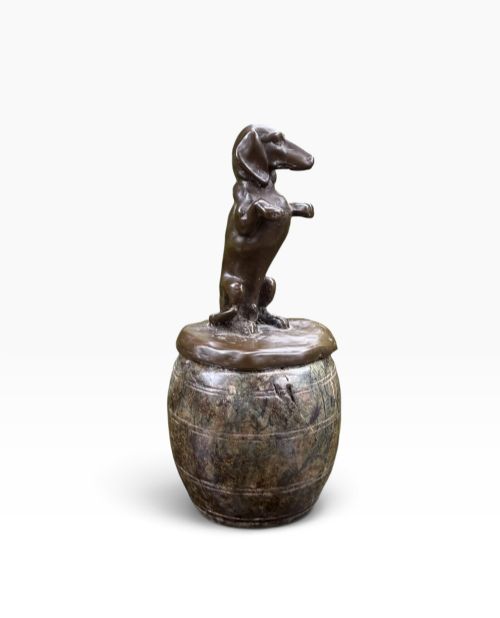
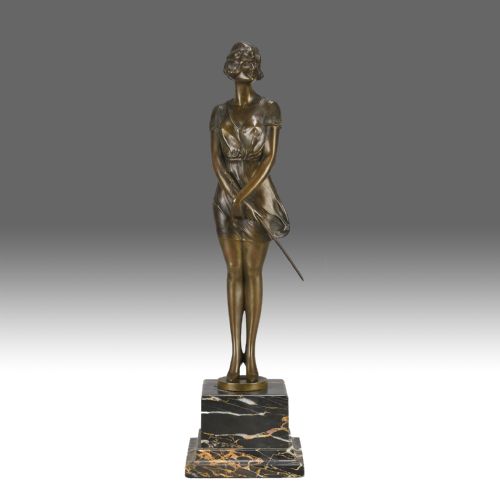
Vintage Bronze Desk Statue
When you search for a vintage bronze desk statue, you find small figures cast to sit among papers and inkwells, bringing weight and character to a workspace.
Vintage Bronze Desk Statue
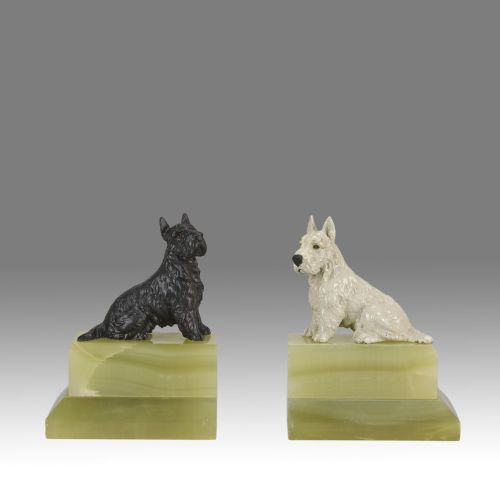
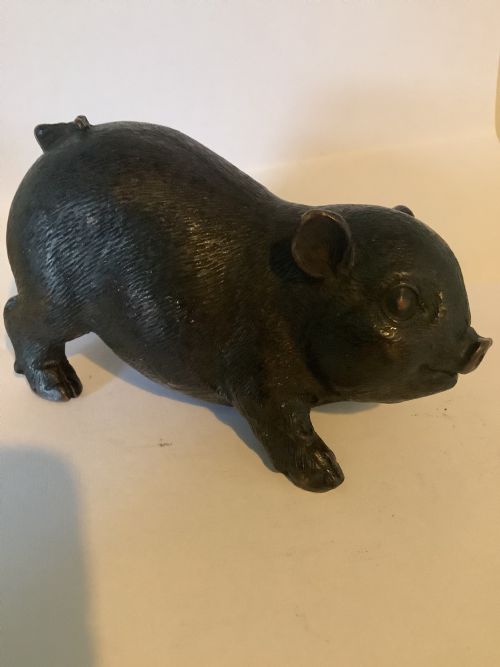
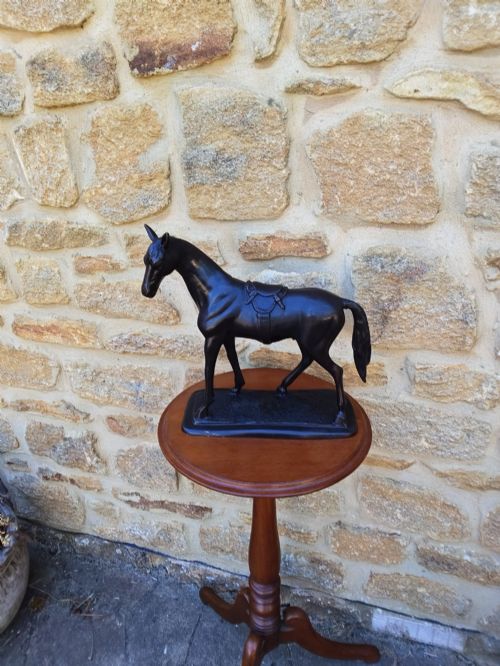
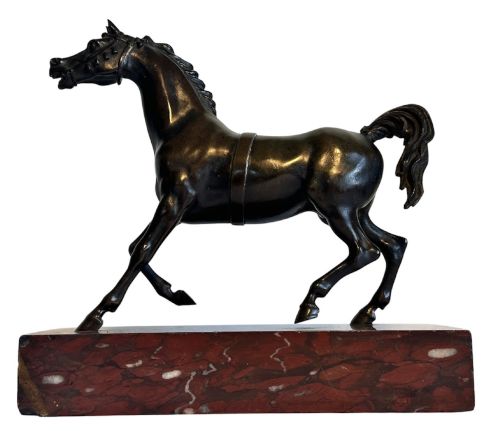
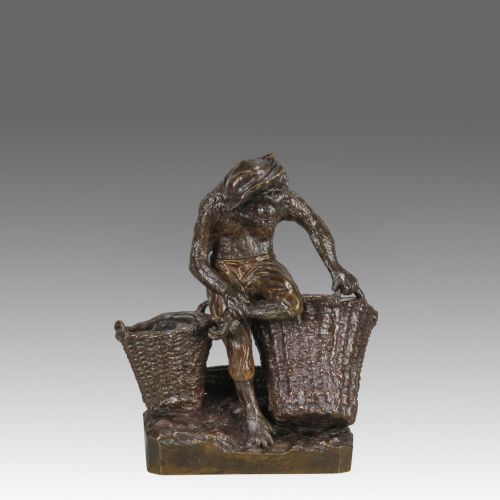
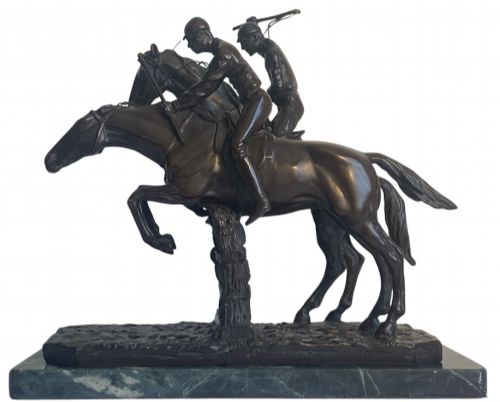
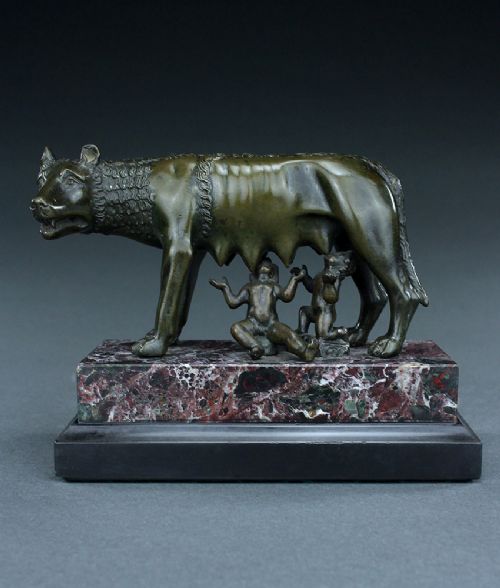
A vintage bronze desk statue spans subjects from animal studies and human figures to classical antiquities, often mounted on stone bases. When you search for a vintage bronze desk statue, you encounter pieces shaped by nineteenth-century animalier traditions alongside twentieth-century modern works.
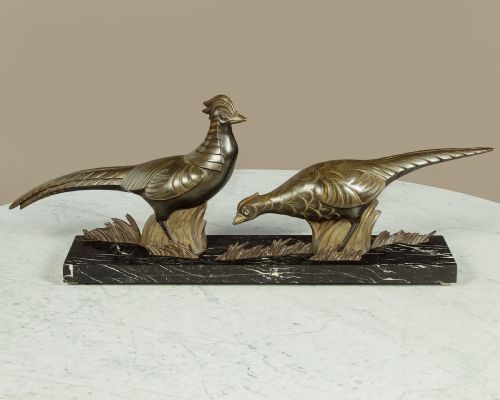
The versions most common here include compact animal studies, dancers, and desk accessories created during the nineteenth and early twentieth centuries. Many incorporate marble or onyx plinths to provide stability and presence on a writing table.
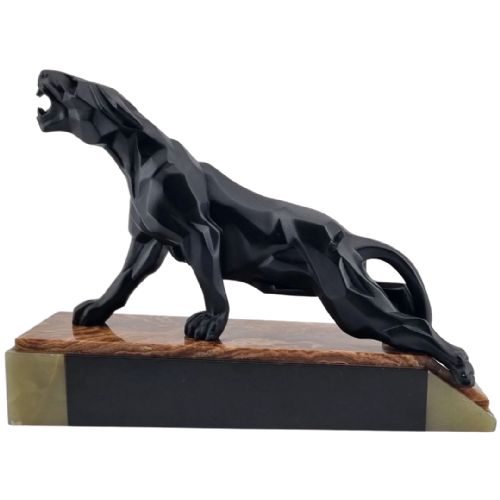
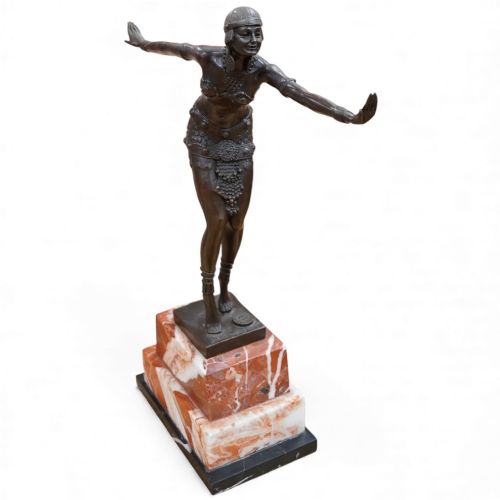
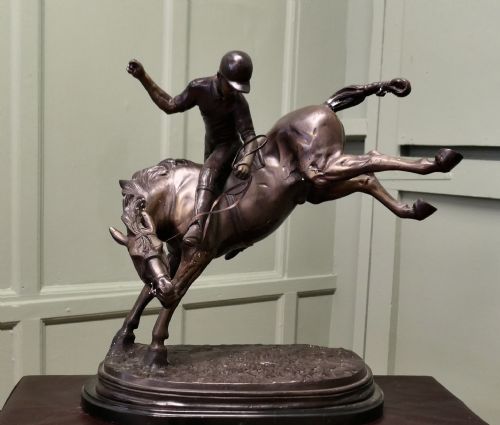
European foundries dominated production, with French animalier sculptors and Austrian cold-painted workshops producing the majority of small desk ornaments. Pieces range from realistic dogs and horses to stylised Art Deco figures of dancers and sporting subjects.
Materials and casting methods
Makers utilised bronze, patinated metal, and spelter, often finishing surfaces with cold-painting or chemical patination to achieve depth of colour. Many figures were cast in parts and assembled, then mounted onto heavy bases of marble or onyx.
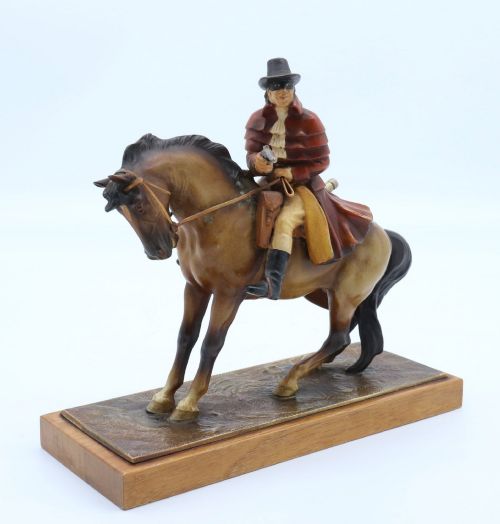
Foundries employed traditional casting techniques to capture fine detail in fur, feathers, and drapery, which were subsequently hand-finished with chisels and patination fluids. Cold-painted Austrian pieces received layers of polychrome paint applied over a bronze base.
Listings feature works spanning from the mid nineteenth century through the Art Deco period of the nineteen-thirties, using bronze, onyx, marble, and spelter.
Judging sculpture quality
The integration between the bronze figure and its stone base indicates overall craftsmanship, with better pieces featuring well-fitted mounts and substantial materials like heavy marble or onyx rather than lightweight substitutes.
Bruno Zach·Christophe Fratin·Antoine Louis Barye·Dora Heber·Franz Bergman·Zoldan Kovats·Sibylle May·Josef Lorenzl·Giuseppe Moretti
The Vintage Bronze Desk Statue Glossary
- Animalier
- A nineteenth-century artistic movement dedicated to the realistic portrayal of animals, particularly lions, dogs, and horses. Sculptors in this tradition studied anatomy closely.
- Cold-painted bronze
- A technique where bronze figures receive paint applied directly to the cold metal surface rather than fired in a kiln. This method allowed for intricate polychrome details on small ornaments.
- Patination
- The chemical colouring applied to the surface of metal to create tones ranging from deep brown to green. A good patina develops naturally or through controlled chemical treatment.
- Grand Tour
- The nineteenth-century practice where travellers collected small bronzes of classical monuments and statues as souvenirs. These pieces often reproduce famous antique sculptures.
- Spelter
- A zinc alloy frequently used as a cheaper alternative to bronze, often given a bronze-finish patina. It appears on various decorative figures and desk ornaments from the period.
Vintage Bronze Desk Statue: Frequently Asked Questions
Where should I place a desk statue?
These pieces suit placement on flat surfaces where their weight prevents movement, such as a writing desk, bookcase, or mantelpiece. Their compact scale allows them to sit comfortably among books and papers.
Ensure the location avoids excessive moisture or direct heat to protect the patination and any stone bases like marble or onyx.
How do I clean a bronze sculpture?
Dust the surface gently with a soft, dry cloth to remove accumulation without disturbing the patination. Avoid using water, soap, or abrasive metal polishes which can strip the finish.
If the piece has cold-painted details, extra care is required to prevent the paint from flaking or wearing away during cleaning.
What is cold-painted bronze?
Cold-painted bronze refers to metal figures decorated with layers of oil or water-based paint applied after the casting process. Austrian workshops utilised this method extensively for small animal figures and desk items.
This technique produced vibrant colours on bird and animal studies, though the paint remains delicate and sensitive to rough handling.
How do I identify Art Deco pieces?
Art Deco sculptures typically display stylised geometric forms, streamlined silhouettes, and subjects such as dancers, athletes, and sleek animals. Figures often feature smooth patination and sharp angles.
Materials frequently include bronze combined with onyx or marble plinths, reflecting the decorative tastes of the interwar period.