




Green Patina Bronze Statue
A green patina bronze statue brings ancient divinity, animal character, and classical form into a room through rich metallic oxidation.
Green Patina Bronze Statue
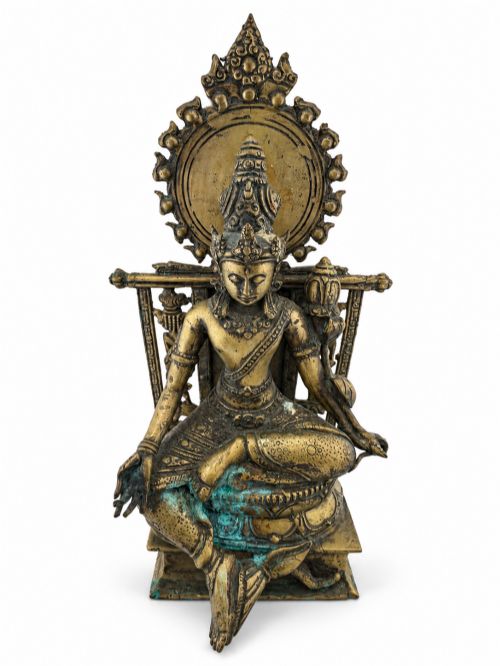
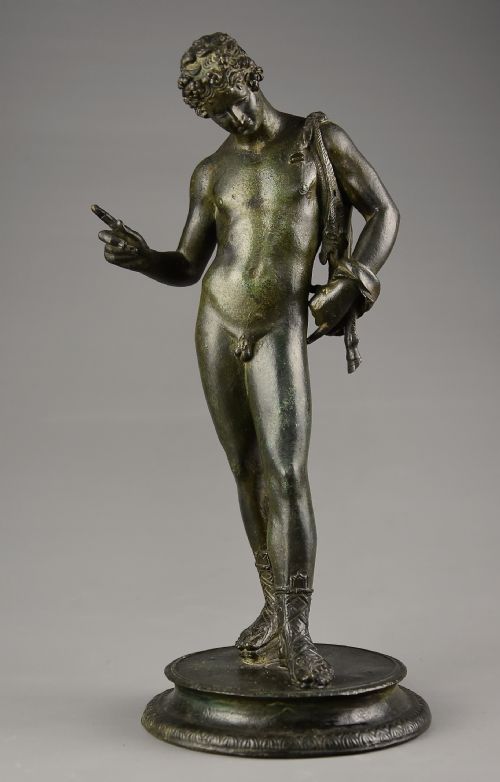
A green patina bronze statue encompasses sacred deities, classical figures, and animal sculptures shaped from metal and finished with characteristic oxidised surfaces. When you search for this phrase, you encounter objects spanning multiple centuries, from European Grand Tour figures to Asian Buddhist bronzes and African ritual pieces.
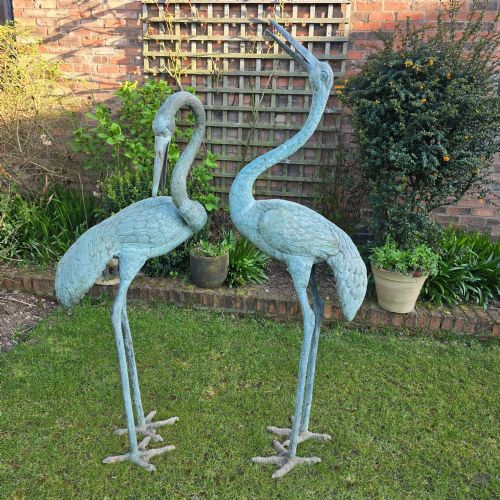
The selections on this page draw heavily on specific regional traditions, ranging from Tibetan and Javanese shrines to French animalier studies. Forms vary widely from seated Buddhas and garden dragons to greyhounds, lions, and cranes.
Victorian and twentieth-century examples sit alongside much older pieces, offering diverse scales from small paperweights to large garden sculptures. Each piece relies on the interaction between cast metal and its atmospheric or applied green surface.
Materials and construction
Makers cast these figures primarily in bronze, alongside copper alloy, brass, spelter, and cast metal. Many incorporate secondary materials such as marble bases or wooden elements to support the primary metallic form.
The distinctive surface colour arises from natural ageing over decades or through chemical treatments applied to the bronze, copper alloy, or patinated metal. Foundries utilised traditional casting methods to capture fine details in figures, animals, and garments.
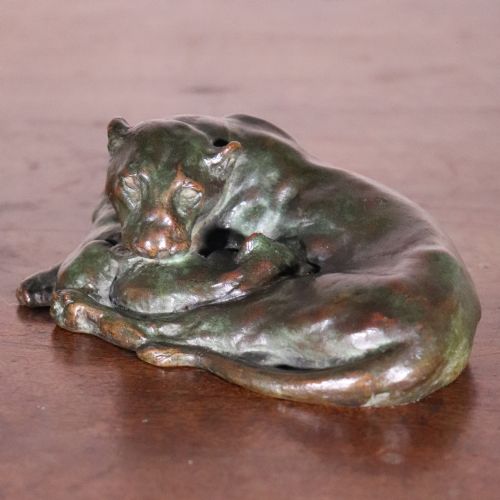
A stoic greyhound paperweight shares space with a fierce bronze dragon, proving that metal animals have watched over desks just as long as gardens.
Evaluating quality and execution
The character of the green patina itself distinguishes superior pieces, showing subtle tonal variations rather than a flat, uniform paint layer. The integrity of the metalwork, the weight of the bronze or copper alloy, and the stability of any mounted base complete the assessment.
AL Barye·Barbedienne·C Masson·Anna Vaughn Hyatt Huntington·Ugo Cipriani
The Green Patina Bronze Statue Glossary
- Patina
- The surface coloration and sheen developed naturally over time or induced through chemical treatment. On these figures, it ranges from dark green tones to bright verdigris.
- Animalier
- A nineteenth-century artistic style focusing on the realistic depiction of animals, particularly dogs, lions, and birds. French makers excelled in this dynamic genre.
- Grand Tour
- A nineteenth-century cultural tradition where travellers collected classical antiquities and bronze reductions of famous sculptures in Italy. These tourist pieces often feature dark green patination.
- Okimono
- A Japanese decorative object or figurine designed for display on a shelf or in a domestic alcove. These metal sculptures often depict dragons and natural subjects.
- Spelter
- An alloy of zinc and other metals used as a less expensive substitute for bronze. It frequently receives a painted or patinated surface to imitate heavier metal.
Green Patina Bronze Statue: Frequently Asked Questions
How do I clean a green patina bronze statue?
Dust the surface gently with a soft, dry brush to prevent the accumulation of dirt within the recessed details. Avoid using water, metal polishes, or abrasive cloths, which can strip away the historic green patina.
Applying a very light coat of microcrystalline wax can protect the metal surface from moisture and handling. Consult a professional conservator if the bronze requires deeper cleaning or stabilisation.
Are all green patinas genuine age?
A green patina can form naturally through decades of exposure to atmospheric conditions or chemical agents acting on copper alloys. Many historical bronzes also received artificial chemical treatments by the foundry to achieve an immediate aged appearance.
Distinguishing between natural oxidation and artificial finishes requires examining how the colour settles into the crevices of the metal. Both types can be authentic to the piece's creation period and foundry practice.
What is the difference between bronze and spelter?
Bronze is a durable alloy composed mainly of copper and tin, prized for its strength and ability to hold fine casting details. Spelter is a softer, zinc-based metal that feels lighter and was frequently utilised for decorative figures in the twentieth century.
Underneath the surface finish, a bronze sculpture displays greater weight and metallic resilience than a spelter piece. Magnets generally do not adhere to either material, but the heft and cold feel of true bronze remain distinct.
How do I identify the period of a bronze figure?
Dating relies on stylistic clues, foundry marks, garment styles, and the specific composition of the metal or alloy. Pieces from the nineteenth century often reflect revival styles or Grand Tour subjects, while twentieth-century works may show modernist or Art Deco influences.
Comparing the casting technique and the nature of the green patina against documented examples from specific regions helps narrow down the origin. Maker signatures, when present, provide the clearest indication of date and origin.