



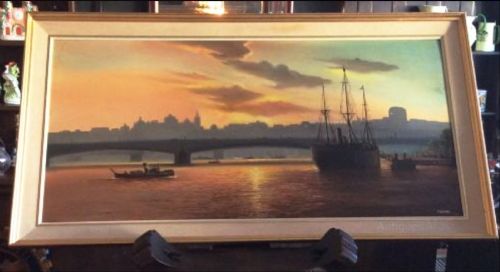

Vintage British Landscape
When you search for vintage british landscape, you encounter original paintings and watercolours capturing rural, coastal, and urban scenery across the British Isles.
Vintage British Landscape
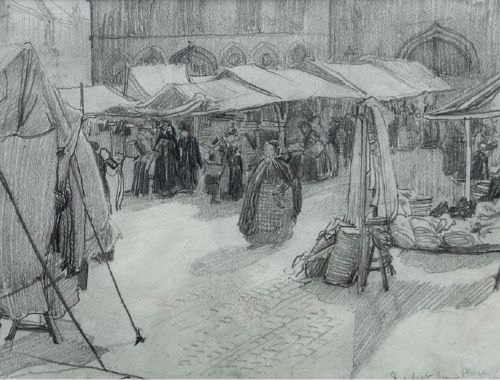
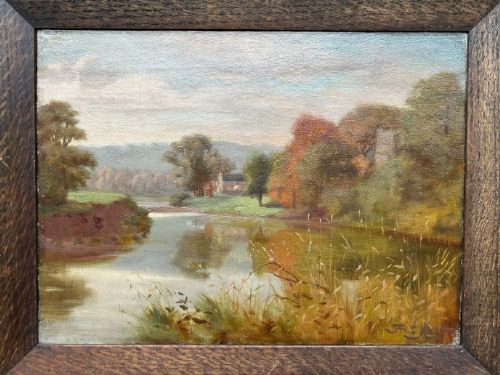
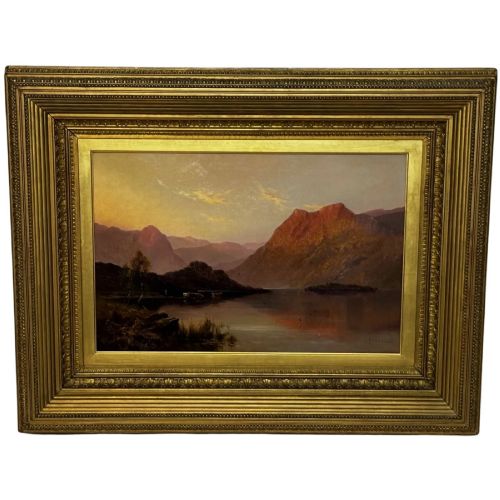
A vintage british landscape comprises original paintings, watercolours, and drawings depicting regional scenery across England, Scotland, Wales, and Northern Ireland. Buyers encounter works spanning from the nineteenth century through the Victorian and Edwardian eras into the mid twentieth century. These pieces capture rural valleys, coastal harbours, lakes, rivers, and village streets rendered by diverse regional schools.
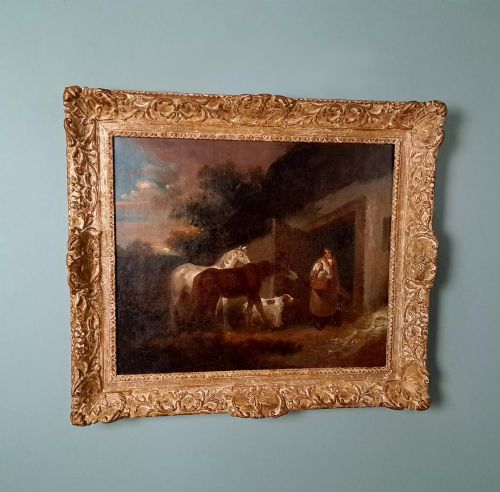
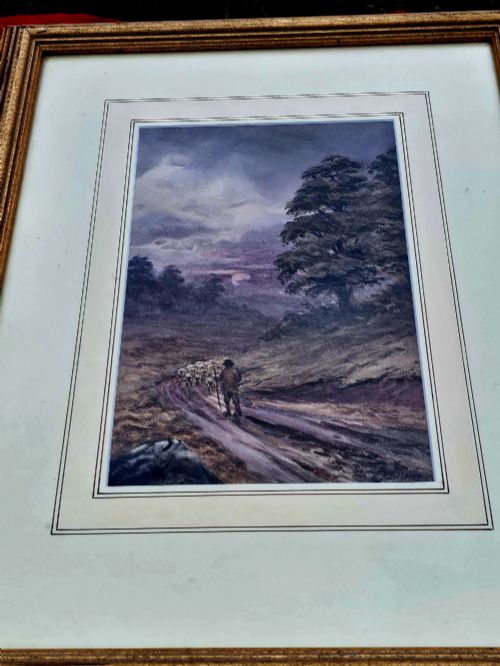
The selections range from detailed Victorian oil paintings of livestock and woodland to impressionistic watercolours of northern towns and Scottish highlands. Many pieces bear signatures from established regional artists or remain attributed to the broader British School. Canvas, wood panels, and paper support these painted and drawn compositions.
Materials and techniques
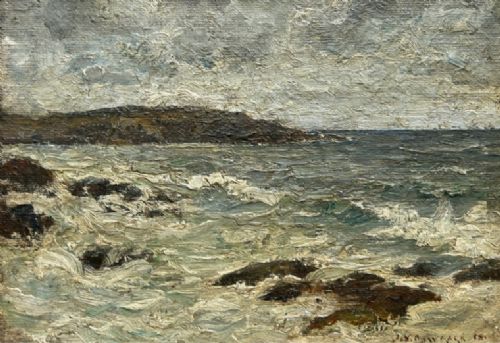
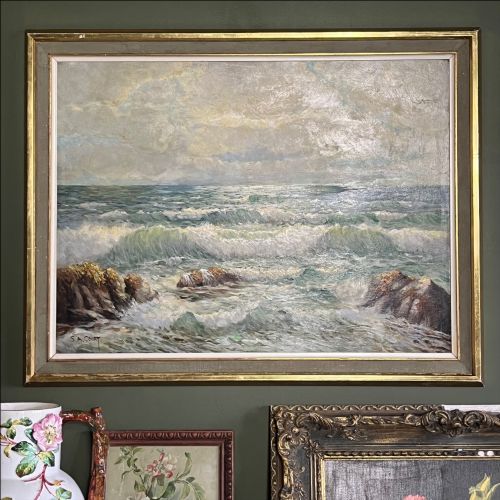
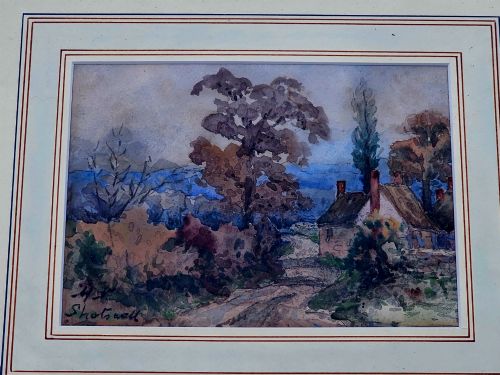
Artists executed these works primarily using oil paint, watercolour, ink, and pencil upon supports of canvas, wood board, paper, and glass. Oil on canvas or wood panel allows for textured impasto strokes and rich colour layering, frequently utilised in coastal and pastoral scenes. Watercolours on paper offer transparent washes and delicate line work, common in topographical and architectural depictions.
Framed works incorporate glass to protect paper supports, whilst canvas and board compositions often display surface varnishes applied to shield the pigment. Painters worked en plein air or developed studio pieces from initial pencil drawings and ink sketches. Brushwork varies from tight, academic realism in nineteenth-century examples to looser, post-war impressionistic marks in later twentieth-century items.
Several artists preferred painting restless sheep and grazing cattle over quiet scenery, ensuring every rolling British pasture comes populated with stubborn livestock.
Factors of quality
The strength of composition and spatial depth separates accomplished works from standard topographical records. Superior pieces demonstrate confident brush control, effective handling of natural light, and a coherent atmospheric mood whether depicting a tranquil lake or a stormy coastline. Masterful colour harmony and proportion elevate a painted scene beyond simple documentation.
The reputation of the artist and the documentation of signature or provenance influence the standing of an individual piece. Works displaying distinct regional character and assured handling by known hands command greater attention than anonymous student or amateur exercises. The integrity of the original medium, whether oil on canvas or watercolour on paper, remains central to the visual impact.
Tom Campbell·Alfred Young Nutt·Frederick Marriott·Robert Leslie Howey·Kershaw Schofield
The Vintage British Landscape Glossary
- Impasto
- Paint applied thickly to a canvas or board, leaving visible brush or palette knife marks. This technique creates a textured surface that catches light and adds physical depth to landscape elements like waves or clouds.
- En plein air
- The practice of painting outdoors directly from nature. Artists utilised this method to capture fleeting natural light and atmospheric conditions on location.
- Provenance
- The documented history of ownership of an artwork. Clear records help verify authenticity and attribute untitled or signed pieces to specific creators or collections.
- Wash
- A thin, transparent layer of diluted watercolour pigment applied to paper. Painters used successive washes to build up tonal values and atmospheric depth in skies and water.
Vintage British Landscape: Frequently Asked Questions
How do I identify the period of a landscape painting?
Examine the materials, stretcher frames, and stylistic conventions used by the artist. Nineteenth-century works frequently employ heavy varnishes and detailed academic realism, whilst mid-twentieth-century pieces often show looser impressionistic brushwork or Northern Art modernism.
Paper watercolours from the Victorian era differ in mounting style from later twentieth-century productions. Signatures, exhibition labels on reverse frames, and inscribed location titles provide direct chronological clues.
What is the difference between oil and watercolour landscapes?
Oil paintings utilise pigment suspended in drying oils applied to canvas or wood boards, allowing for heavy impasto and rich colour manipulation. Watercolours employ water-soluble pigments on paper, resulting in lighter, transparent compositions.
Oils offer a durable textured surface suited to dramatic coastal and pastoral scenes. Watercolours provide delicate atmospheric effects ideal for topographical views and subtle light studies.
Where were these landscape scenes typically painted?
Artists worked across diverse regions of the British Isles, capturing Scottish highland vistas, Cumbrian lakes, Welsh valleys, and English rural villages. Coastal ports in Cornwall, Yorkshire, and marine environments around Thames bridges also provided frequent subjects.
Many creators painted on location en plein air, recording specific towns, rivers, and countryside markers. Others composed finished studio pieces based on field sketches and pencil drawings.
How should I care for vintage paper watercolours?
Protect watercolours from direct sunlight to prevent the fading of delicate pigments on paper supports. Maintain stable indoor humidity levels to avoid warping or moisture damage to the frame and paper.
Display pieces behind conservation glass that blocks ultraviolet radiation. Ensure professional framing uses acid-free mounts to preserve the integrity of vintage drawings.