



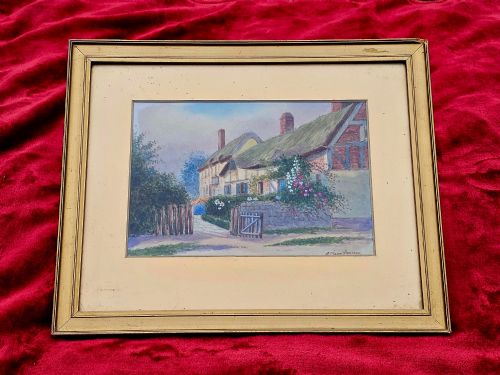
Antique Paper Landscape
When you search for antique paper landscape, you are looking at works on paper spanning centuries of regional views and coastal scenes.
Antique Paper Landscape
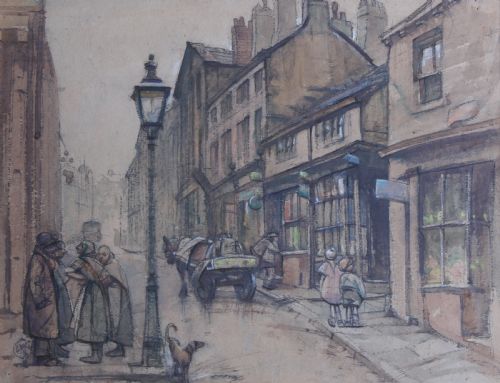
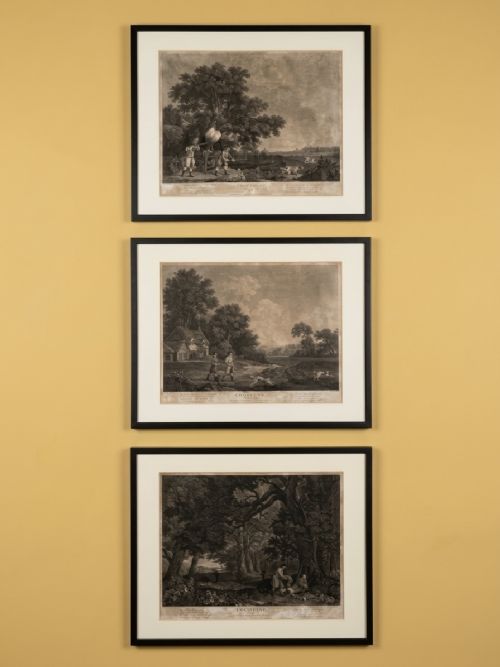
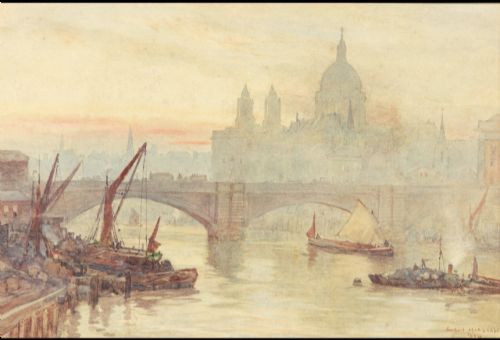
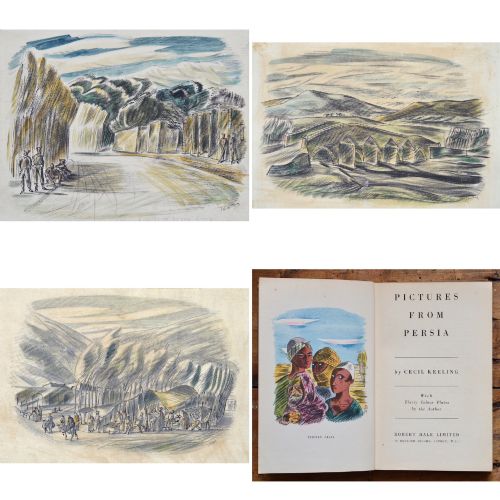
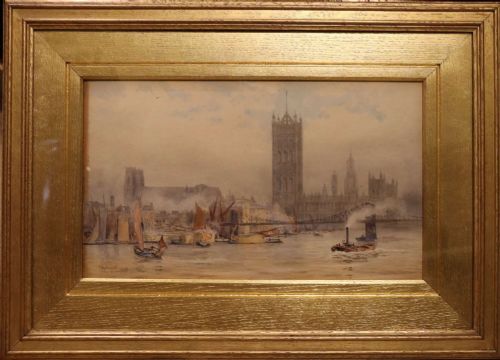
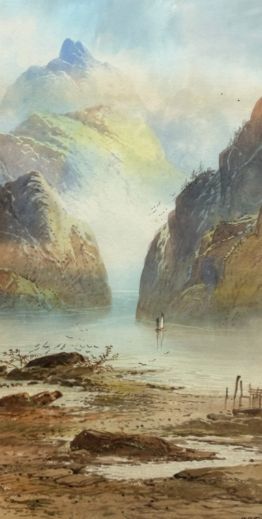
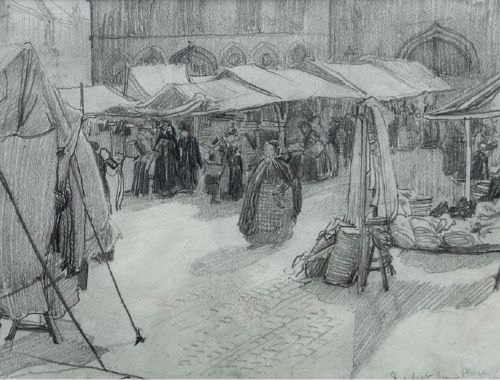
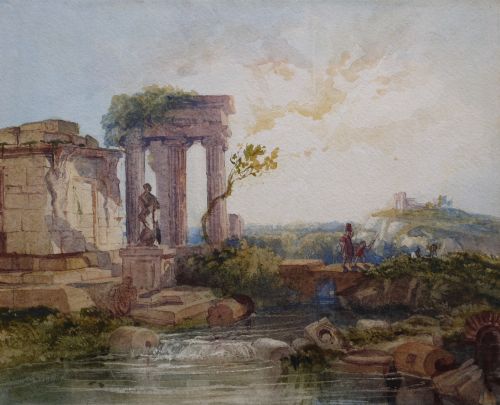
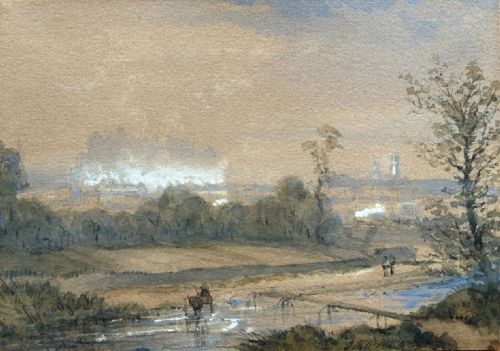
The antique paper landscape selections on this page encompass original watercolours, pencil drawings, charcoal sketches, and period engravings depicting scenes from British countrysides to Venetian canals. These works span from the 18th century through the Victorian, Edwardian, and early 20th-century periods, capturing topography, marine views, and pastoral moments.
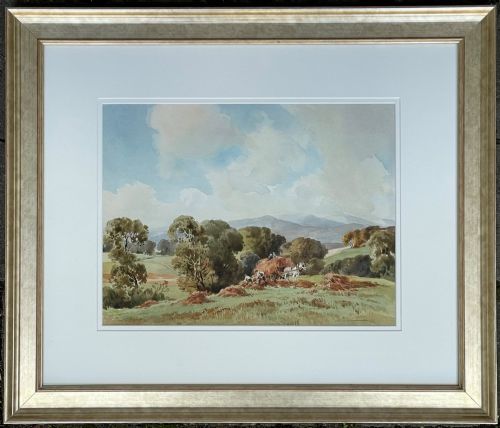
You will most frequently encounter original watercolour paintings on paper originating from the 19th and early 20th centuries, often signed by listed artists and mounted in period frames. These range from intimate village studies in Yorkshire and Scotland to sweeping continental vistas.
How they were made
Artists utilised watercolour pigment, ink, graphite, and charcoal applied directly to various paper supports, including laid paper and buff paper. Pigments were brushed over preliminary pencil or pen outlines to build up transparent washes of colour.
Engravings and lithographs from the period involved transferring drawn designs onto plates or stones for multiple impressions before framing behind glass in wood surrounds.
Listings feature watercolours, pencil drawings, charcoal paintings, and engravings across the 18th, 19th, and early 20th centuries.
What varies in quality
The distinction between tiers of work rests on the sureness of the draughtsmanship and the handling of light within the medium. Stronger examples display confident brushwork and tonal depth that capture atmospheric conditions rather than mere topographical recording.
Condition of the paper support and vibrancy of the pigments also separate standard pieces from superior examples, alongside the presence of original framing and clear artist attribution.
James Orrock·William Henry Earp·Henry Percy Huggill·Richard Principal Leitch·John R Prentice·Thomas Ellison·Alfred Young Nutt·Percy Lancaster·A Marie Parsons·John McDougal·James E Aitken·William Joseph Boyes·Muriel Metcalfe·John Smith Atherton·Th Thibault·Hector Caffieri·Richard Henry Wright·David Roberts·Anton Ignaz Melling·Thomas Maidment·Alfred G Morgan·Russell Sidney Reeves·Étienne Baudet·J C Burgess·Bonomi Edward Warren
The Antique Paper Landscape Glossary
- Watercolour
- A painting method where the paints are made of pigments suspended in a water-based solution. These are typically applied to paper to create translucent layers of colour.
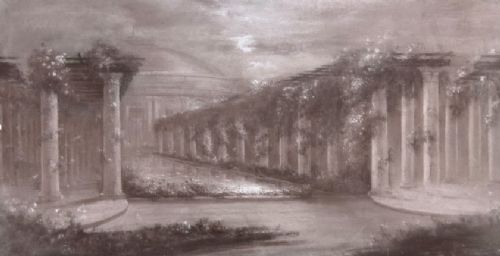
- Grisaille
- A painting executed entirely in shades of grey or neutral greyish-brown. This technique often served to emulate sculpture or prepare for an oil painting.
- Laid paper
- A type of paper featuring a grid of faint parallel lines and wider spacing created by the wire wires of the mould during handmade production. It is frequently found in older works.
- Engraving
- A printmaking process where an image is cut into a metal plate with a burin. The inked plate then transfers the design under pressure onto paper.
- Provenance
- The chronology of the ownership and origin of a piece. A clear paper trail establishes the authenticity and history of an artwork.
Antique Paper Landscape: Frequently Asked Questions
How should I display antique works on paper?
Keep these pieces away from direct sunlight to prevent the watercolour pigments and paper supports from fading over time. Conservation framing with acid-free mounts helps protect the integrity of the material.
Ensure they hang in rooms with stable humidity levels to avoid warping the paper or encouraging mould growth within the frame.
What is the difference between a drawing and a painting?
Drawings rely primarily on linear marks made with graphite, charcoal, ink, or pencil, focusing on contour and shading. Paintings use wet media like watercolour pigment applied with a brush to build areas of colour and tone.
Some pieces combine both approaches, featuring pencil underdrawing beneath transparent washes of watercolour.
How do I date an antique landscape on paper?
Examine the style of the dress in figurative elements, the architecture depicted, and the handwriting of any signatures or inscriptions on the mount or reverse. Paper characteristics, such as watermarks or the texture of laid paper, also offer clues to the period.
Period framing materials and backing boards frequently provide additional chronological evidence for unverified works.
Are all listed pieces signed by the artist?
Not every piece bears a signature, as many historical works were initialised, attributed based on archival evidence, or left unsigned by the creator. Unsigned landscapes are often categorised by period school or stylistic influence.
Signatures can appear in pencil or ink within the image area or along the margin below the composition.