
Vintage Brass Stud Chair
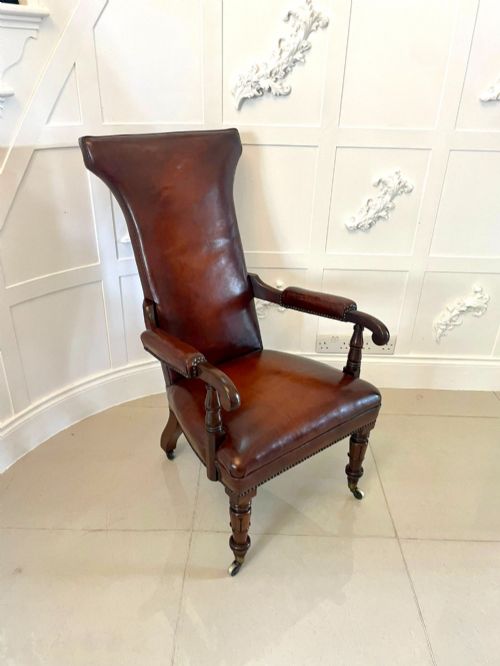
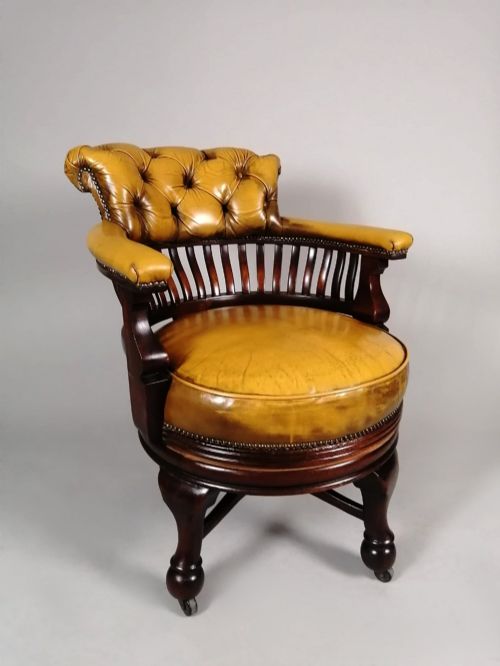
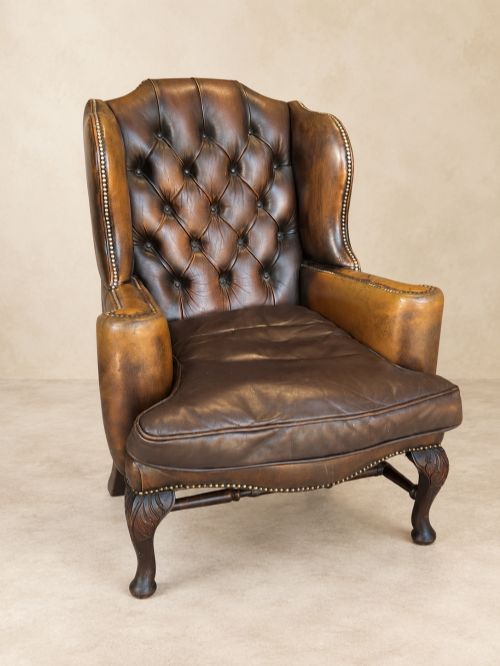
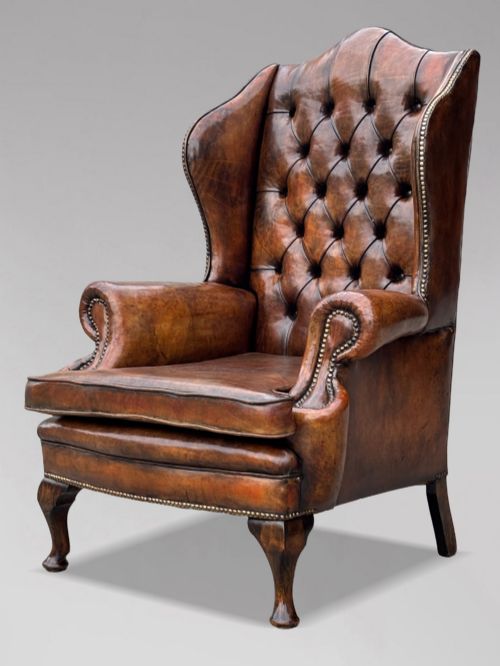
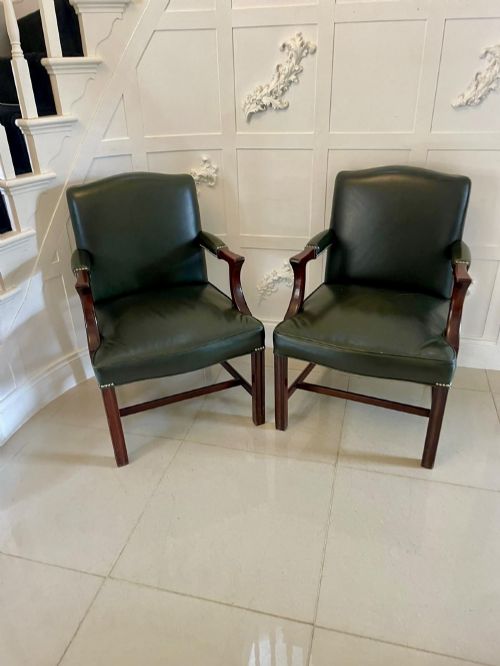
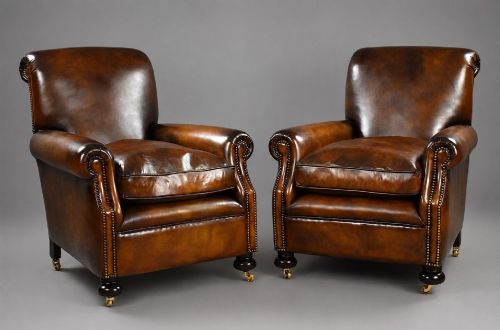
A vintage brass stud chair brings substantial leather and timber character to a room through traditional nailhead trim.
Vintage Brass Stud Chair
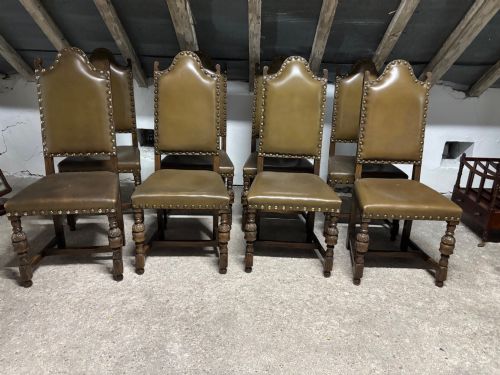
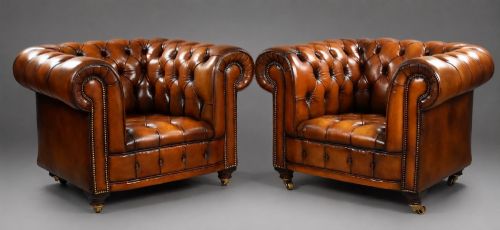
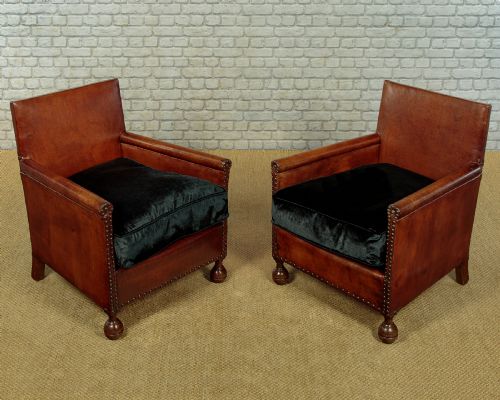
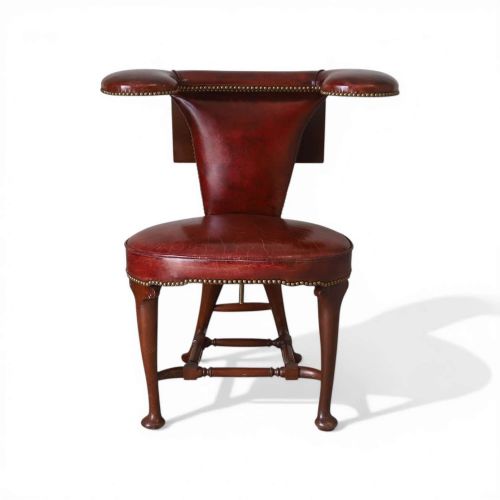
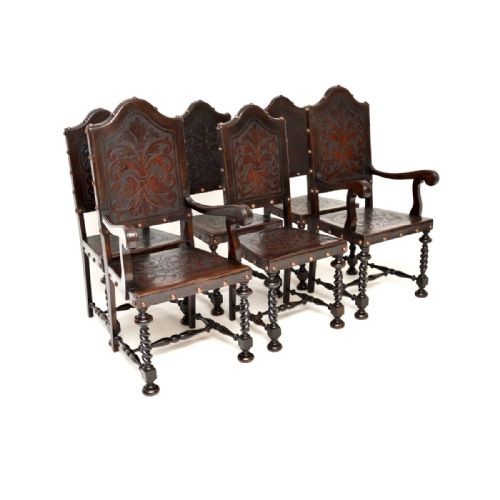
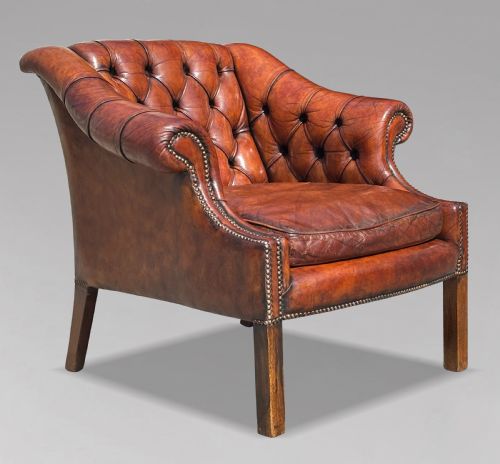
When you search for a vintage brass stud chair, you encounter sturdy seating options defined by exposed metal nailheads securing the upholstery. The selection spans periods from the eighteenth century through the twentieth century, taking forms such as library armchairs, office desk chairs, and dining sets.
Most examples you meet here pair leather hides with traditional timbers like mahogany, oak, and walnut. The styles range from Georgian and Victorian designs to later Art Deco club chairs and Edwardian seating.
You find individual reading chairs alongside matched pairs and larger dining sets. These pieces served functional roles in studies, libraries, and formal rooms.
How they were made
Maker construction relies heavily on solid hardwoods including mahogany, walnut, and oak to form the structural frames and legs. Upholsterers then stretched leather hides across padding and secured the edges using individual brass studs driven in by hand.
Joinery techniques involve traditional methods suitable for supporting heavy use in offices and libraries. The brass studs serve both a structural purpose in holding the leather tight and a decorative role along the seams.
Several chairs include revolving swivel bases and metamorphic adjustments for maximum nineteenth-century comfort.
What varies in quality
The distinction between standard examples and superior ones rests on the weight of the timber frame and the depth of the leather grain. Hand-dyed hides and traditional buttoning indicate a higher grade of craftsmanship.
Proportion and period integrity separate utilitarian seating from finer library and Gainsborough chairs. Original brass studding shows careful alignment and individual placement rather than modern strip fastening.
The Vintage Brass Stud Chair Glossary
- Brass stud
- A small metal nail with a rounded head used to secure leather upholstery to the wooden frame. These studs appear in rows along the seams.
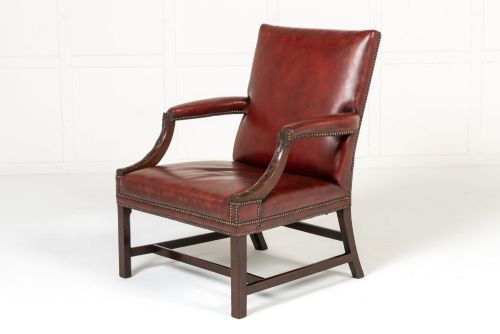
- Gainsborough chair
- A wide armchair with a low back, upholstered seat, and padded armrests, typically dating from the eighteenth century or later revival periods.
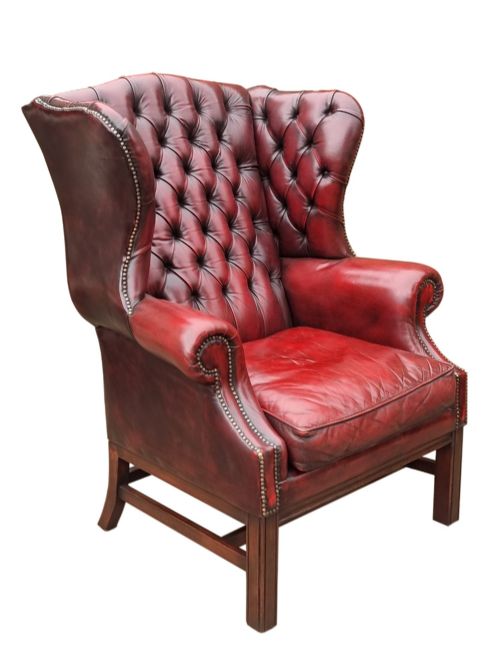
- Wing armchair
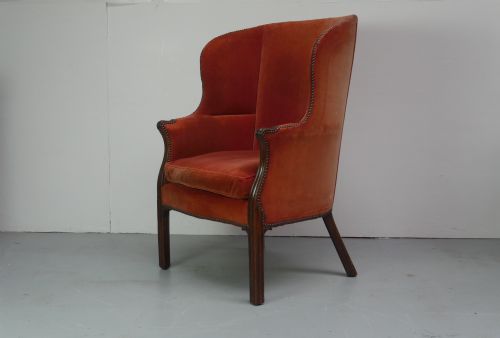
- A high-backed chair with side panels designed to shield the sitter from draughts. These often feature full buttoning and leather upholstery.
- Carver chair
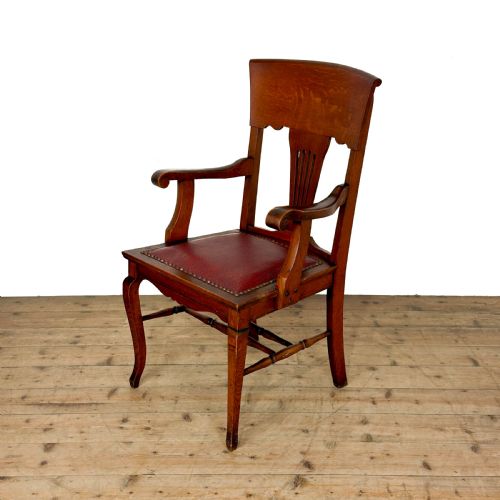
- An armchair designed to match a set of dining chairs, usually placed at the head of the table.
- Chesterfield armchair
- A deep-buttoned, low-backed seating form covered in leather. It offers generous proportions and rolled arms.
Vintage Brass Stud Chair: Frequently Asked Questions
How do I date a leather chair?
Dating relies on timber species, leg style, and the method of upholstery construction. Earlier pieces display hand-carved details and specific joinery.
Later twentieth-century versions adopt simpler frames while retaining the traditional leather and brass stud combination.
Where were these chairs used?
These chairs furnished private libraries, studies, and offices where durability and formal appearance mattered. Dining sets served around large timber tables in traditional homes.
Library and club chairs provided comfortable seating for reading and conversation.
How do I care for vintage leather?
Maintain the leather by applying appropriate conditioners to prevent the hide from drying out over time. Keep the chairs away from direct heat sources and strong sunlight.
Dust the brass studs gently with a soft cloth to preserve their finish without disturbing the surrounding leather.
What is a club chair?
A club chair is a heavily upholstered, deep-seated armchair designed for comfort. They frequently appear in brown leather with rounded backs.
Originating in French and English smoking rooms, they often feature brass studding along the front edges.