




Vintage Brass Sideboard Lamp
A vintage brass sideboard lamp brings a warm, steady glow and substantial presence to a room, drawing the eye with solid metal and historic form.
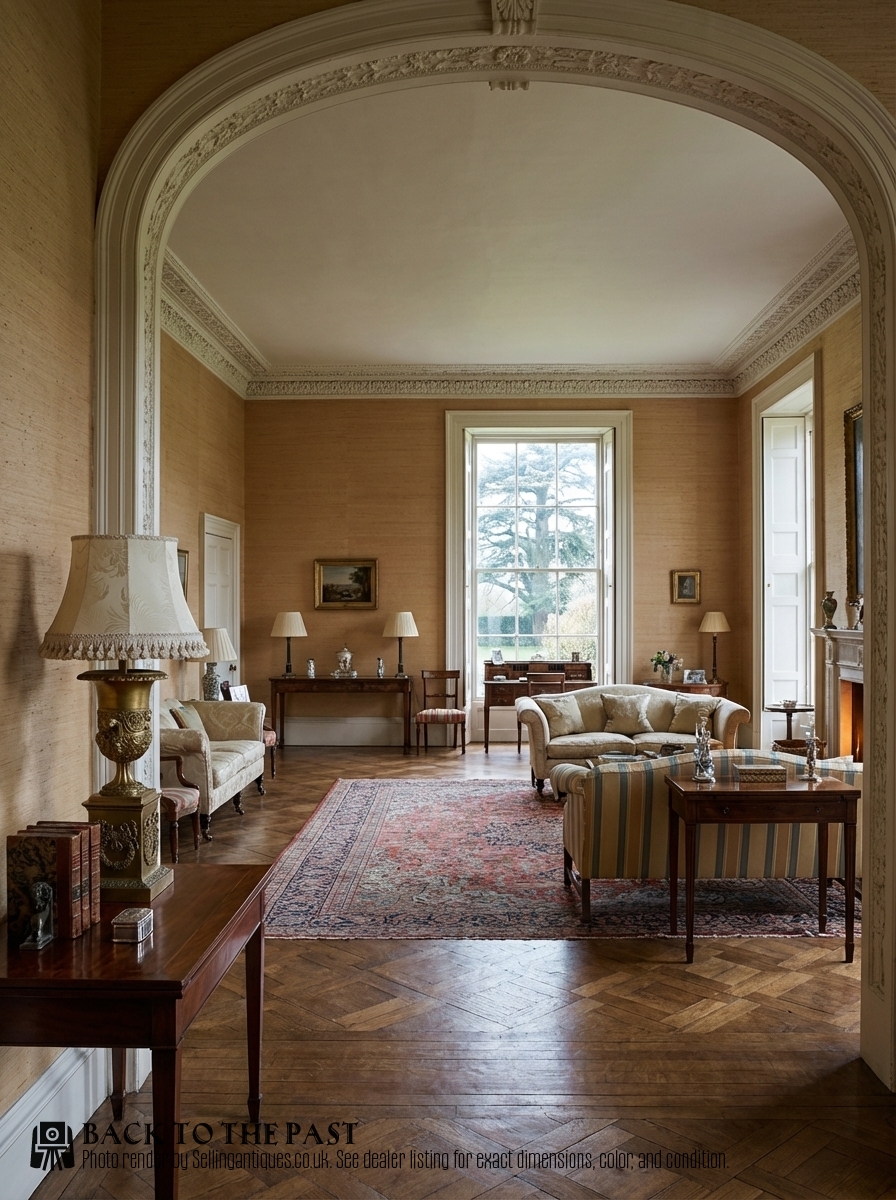
Vintage Brass Sideboard Lamp
When you search for a vintage brass sideboard lamp, you encounter metal lighting pieces that span the nineteenth and early twentieth centuries. These encompass heavy column designs, converted oil lamps, and neoclassical urn forms suited for placement on sideboards and credenzas.
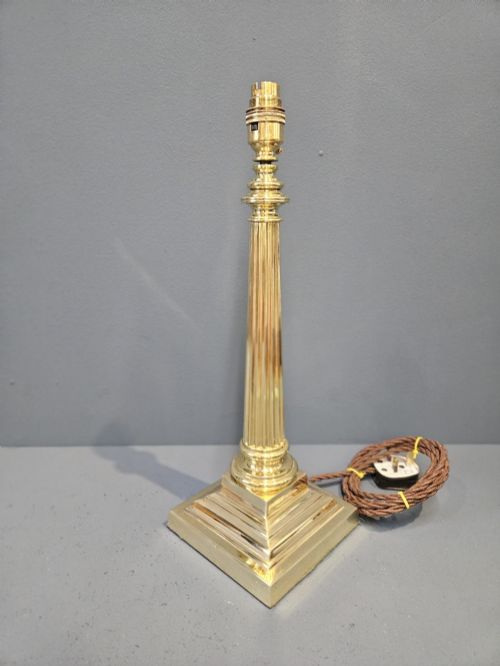
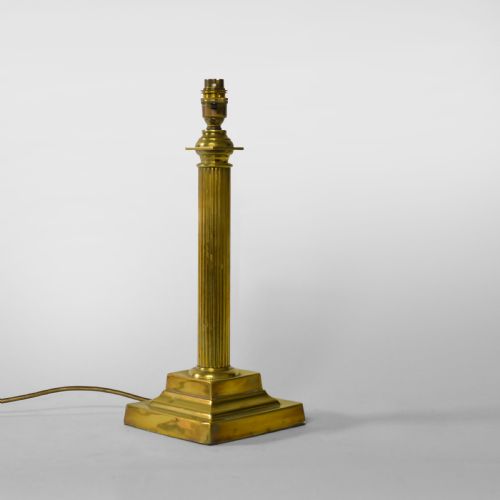
The most common examples you meet on this page date from the Victorian and Edwardian eras, frequently featuring classical architectural motifs such as ionic columns and reeded shafts. Many started life as oil or paraffin burners before being adapted for electricity.
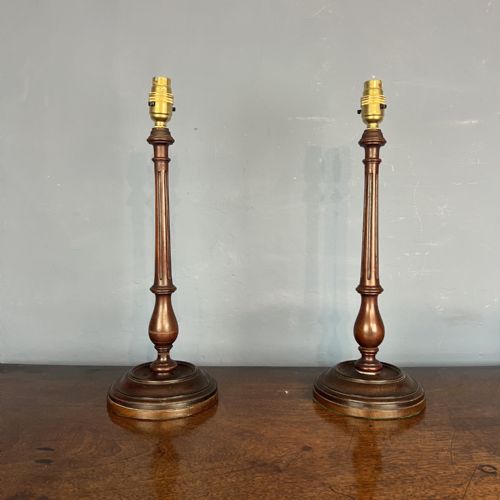
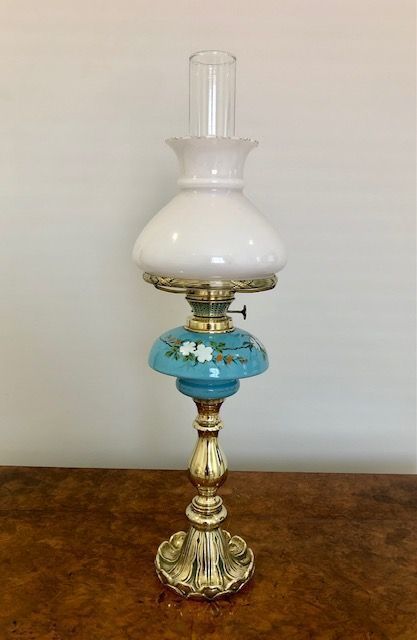
Makers often drew upon French chateau and gothic revival styles, blending heavy brass castings with cut glass, opaline glass, and occasionally porcelain. Pairs appear alongside single tall standards, offering balanced illumination for flanking a mirror or framing a buffet.
How They Were Made
Constructed primarily from cast and spun brass, ormolu, and bronze, these lamps rely on weighty metal components to ensure stability for their height. Heavy brass bases support slender reeded columns, Corinthian capitals, and elaborate stepped plinths.
Makers combined the metalwork with cut lead crystal, frosted glass, and opaline glass reservoirs or shades, often secured by threaded brass collars. Gilt bronze and classical urns show chased surface details that reflect nineteenth-century foundry traditions.
The selection spans from 1860 through the 1930s, uniting Victorian, Edwardian, and Art Deco styles in brass, bronze, and glass.
What Varies in Quality
The distinction between ordinary production and finer work lies in the crispness of the metal casting and the depth of the chasing. Superior examples display sharply defined acanthus leaves on Corinthian capitals and substantial wall thickness in the brass components.
Material combination also elevates a piece, particularly where high-grade cut lead crystal or hand-blown opaline glass integrates seamlessly with fire-gilded ormolu mounts. The heft of the base and the precision of the threaded joins indicate the original workshop standard.
The Vintage Brass Sideboard Lamp Glossary
- Ormolu
- Gilded bronze, where a layer of gold amalgam is applied to a bronze base through heat processing. This technique produces a warm, enduring lustre characteristic of fine French and English decorative pieces.
- Opaline glass
- An opaque or translucent glass, often pale white, developed in nineteenth-century France. It diffuses light softly and was frequently paired with brass mounts for oil and table lamps.
- Corinthian
- An architectural order featuring ornate capitals decorated with rows of acanthus leaves. Lamp columns adopting this style mimic classical stone pillars in solid brass or bronze.
- Reeded
- A decorative surface treatment consisting of parallel convex mouldings closely set together. On these lamps, columns and shafts often feature reeding to catch the light.
- Candelabra
- A branched lighting fixture designed to hold multiple candles or electric imitation candles. Pairs of these often serve the same decorative function on sideboards as tall single lamps.
Vintage Brass Sideboard Lamp: Frequently Asked Questions
How do I wire a vintage lamp?
Most antique lamps require modern rewiring to meet current safety standards and ensure proper earthing of metal components. A qualified electrician can thread modern braided flex through the central column without altering the historic exterior.
It is sensible to retain original brass lampholders where possible, updating only the internal fittings and plug to comply with regulations.
Are these lamps suitable for daily use?
These pieces were built from solid brass and bronze, making them exceptionally durable for everyday placement on sideboards and hall tables. Their heavy metal bases provide a stable foundation that resists tipping during normal household activity.
Using low-heat LED bulbs helps protect vintage glass shades and delicate fabric components from thermal degradation over long periods.
How do I clean antique brass?
Gentle dusting with a soft, dry cloth is usually sufficient to maintain the surface without disturbing the natural patina accumulated over decades. Avoid harsh chemical polishes that strip away historic character and leave an overly bright, unnatural finish.
If the metal requires deeper cleaning, a mild soap solution applied sparingly and dried immediately will remove surface grime safely.
How do I date a brass lamp?
Dating relies upon stylistic clues, manufacturing techniques, and material combinations recorded across the Victorian and Edwardian periods. Architectural motifs like ionic columns and gothic details point clearly to specific decades within the nineteenth century.
Switch mechanisms, wiring apertures, and the construction of threaded joints also offer reliable physical evidence of when a piece was manufactured.