


Vintage Brass Rail
A vintage brass rail brings solid metal construction and functional period design directly into domestic interiors, whether mounted on a wall or supporting a hearth.
Vintage Brass Rail
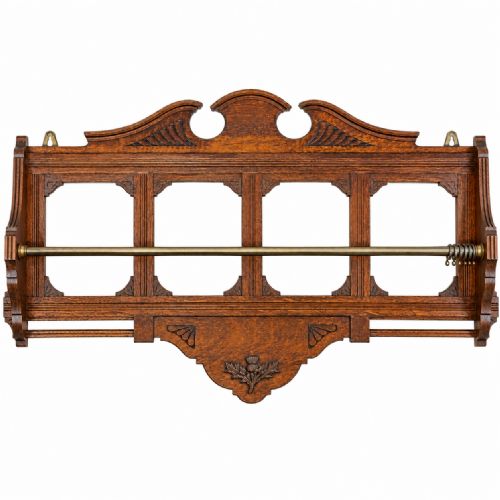
A vintage brass rail encompasses several distinct functional forms, most commonly appearing as wall-mounted coat racks, hearth fenders, and structural details on period bed frames. The examples found here span from the nineteenth century through the Edwardian era and into the early twentieth century, reflecting domestic utility across multiple decades.
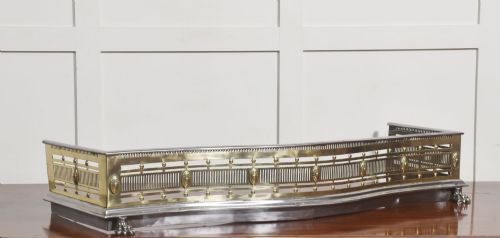
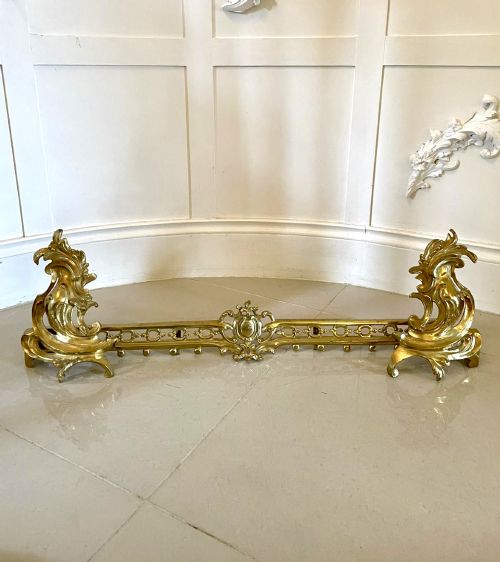
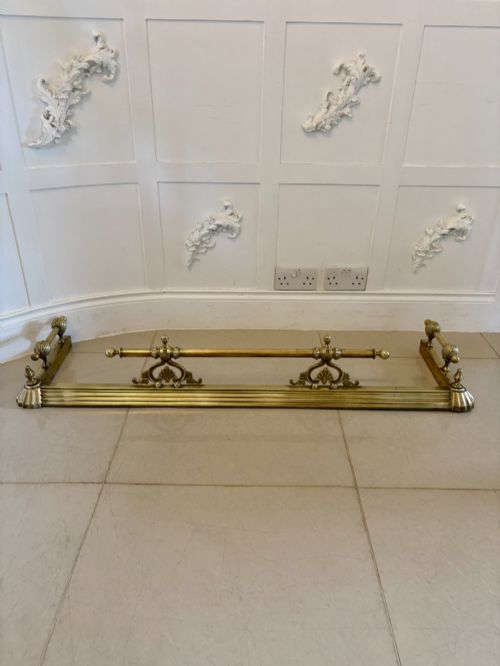
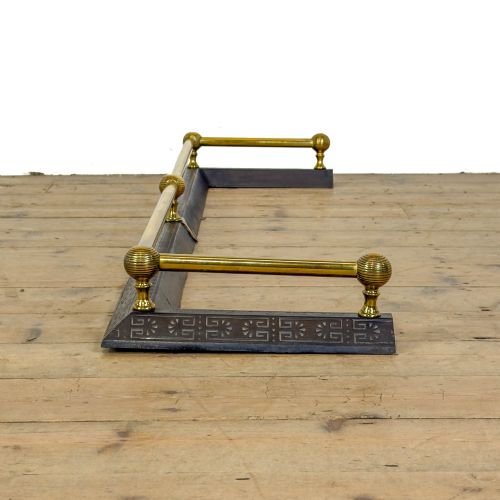
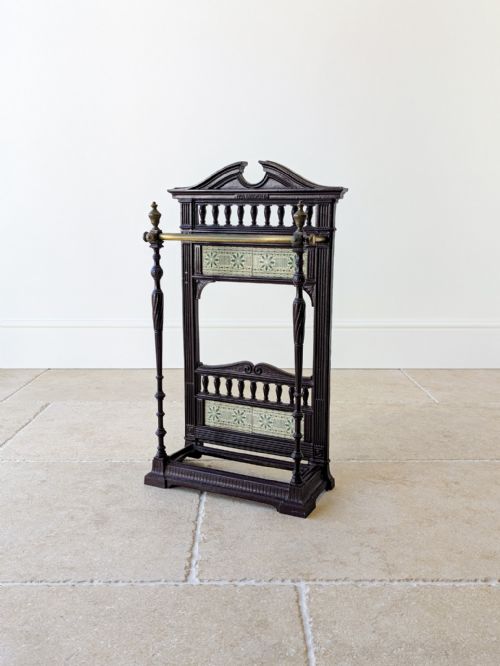
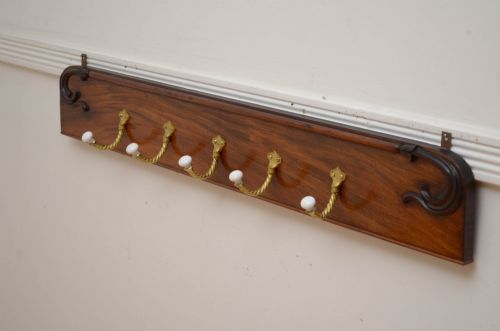
Coat racks form a large part of the selection, often combining brass hooks mounted onto mahogany, pine, or ebonised wood backboards, frequently complemented by ceramic elements. Fireplace fenders utilise brass alongside cast iron, wrought iron, and steel to create protective hearth barriers, sometimes incorporating upholstered seats or integrated clothes rails.
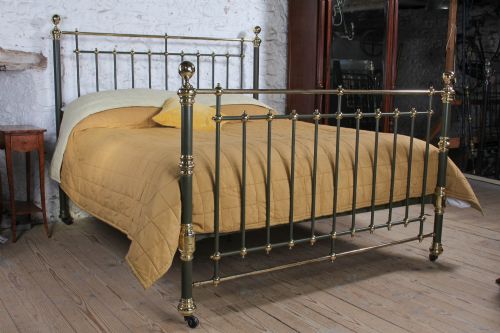
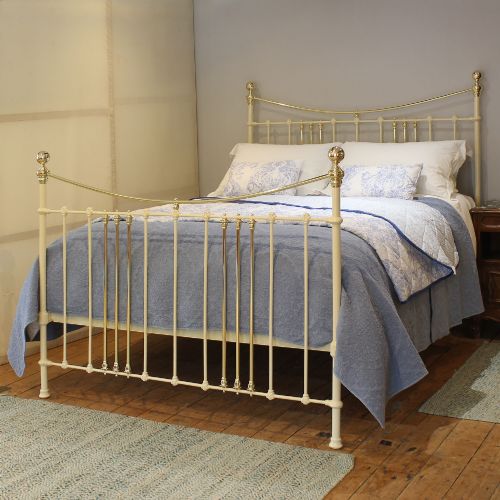
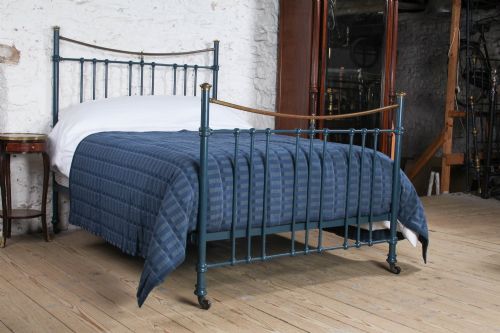
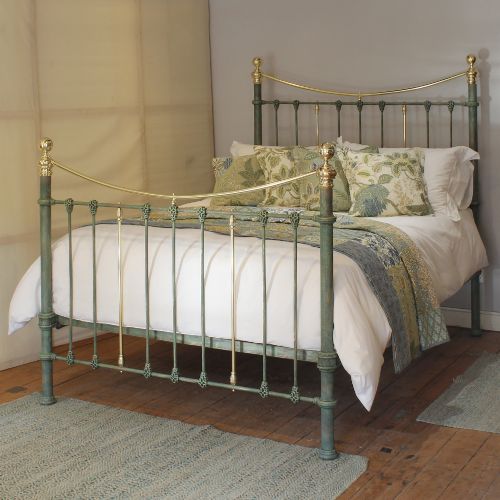
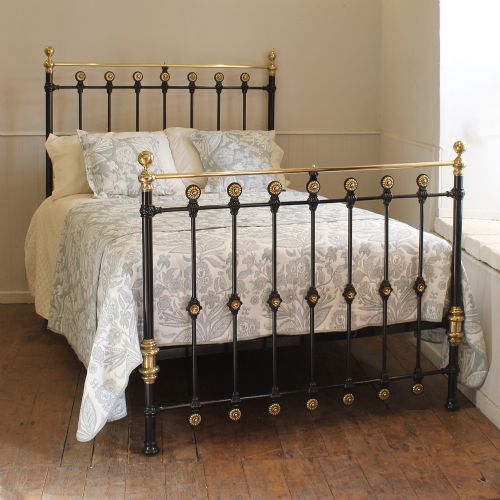
Bedsteads and dip-rail beds also feature prominently, pairing brass rails with iron frames, castors, and painted finishes in cream, green, or black. These pieces originate from Victorian, Edwardian, and Regency periods, demonstrating how metal tubing and structural brass served both practical and decorative purposes in domestic spaces.
What varies in quality
Quality rests on the weight of the metal castings and the integrity of the joinery between the brass elements and the supporting timber or iron frames. Thicker gauge brass, crisply cast mounting plates, and robust backboards distinguish finer examples from standard utility pieces.
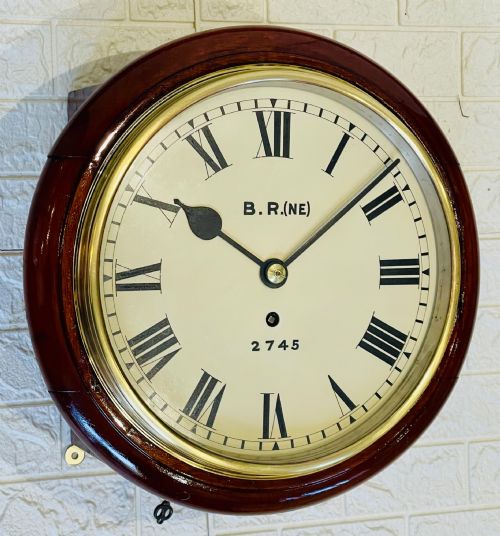
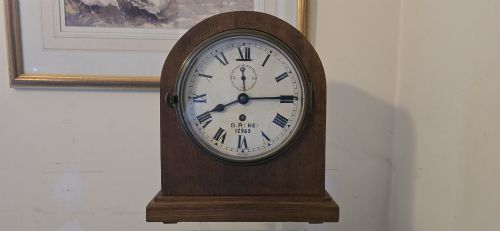
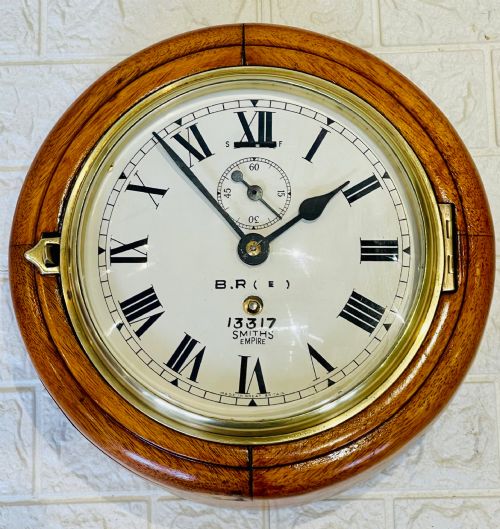
The preservation of original finishes, such as mature leather upholstery on club fenders or the retention of factory-stamped ceramic inserts and maker-marked clock dials, elevates the standing of an individual piece.
Vintage Brass Rail Retail Price Guide 2026
Typical asking prices for vintage brass rail among the pieces listed under this phrase on Sellingantiques today, from the lower quarter to the upper quarter. They describe what is for sale here now, not the wider market.
Several coat rails include ceramic hooks that managed to survive a century of daily hat hanging without a single chip.
Coalbrookdale·John Walker
The Vintage Brass Rail Glossary
- Dip rail
- A bed rail featuring a central dip or curve in its upper horizontal bar, commonly seen on Victorian and Edwardian iron and brass bedsteads.
- Club fender
- A sturdy hearth fender featuring a low frame, often equipped with leather-upholstered top rails that double as fireside seating.
- Fusee movement
- A clock mechanism utilising a conical pulley and chain to ensure even tension and accurate timekeeping across the duration of the wind.
- Aesthetic movement
- A late nineteenth-century design style emphasising visual beauty over narrative content, frequently incorporating ebonised wood and polished brass.
- Nursery fender
- A tall protective hearth guard designed to keep children safely away from an open fire, occasionally fitted with an integrated clothes rail for drying garments.
Vintage Brass Rail: Frequently Asked Questions
How do I mount an antique coat rail safely?
Wall-mounted coat racks require secure fixing into solid masonry or direct attachment to wall studs to support heavy garments. The weight of mounted brass and dense timber demands sturdy rawl plugs and appropriate screws.
Ensuring the backboard is level before driving fixings prevents warping and distributes the load evenly across the mounting plates.
What is a club fender used for?
A club fender serves as a hearth barrier while providing additional seating around an open fireplace. The upholstered top rails allow people to sit comfortably close to the fire.
These substantial pieces anchor large reception rooms and combine functional metalwork with domestic comfort.
How do I clean antique brass safely?
Antique brass benefits from gentle dusting and occasional cleaning with a soft cloth to preserve its natural patina. Avoiding harsh chemical polishes maintains the aged appearance that collectors value.
If the metal requires more thorough attention, a mild soapy solution dried immediately with a soft cloth prevents moisture damage to adjacent timber or leather.
How do I date a Victorian brass rail?
Dating these pieces involves examining the fixing methods, screw types, and material combinations typical of the nineteenth century. Hand-cut screws and heavy cast brass indicate earlier Victorian production, while machine-rolled brass tubing often points towards the later decades.
Comparing the style against documented periods like the Aesthetic Movement or Regency revival helps narrow down the decade of manufacture.