

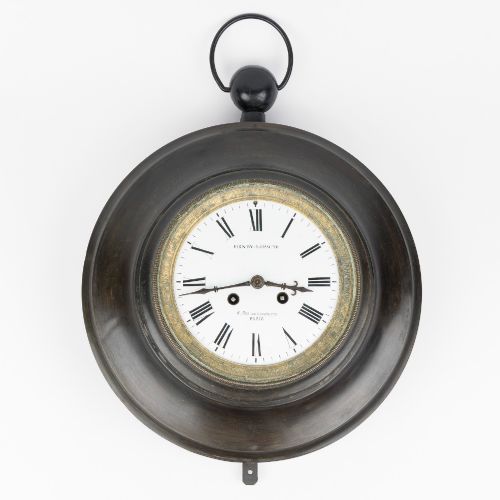
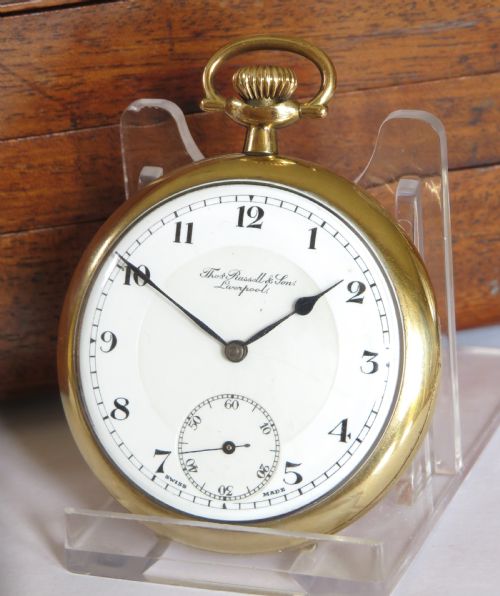
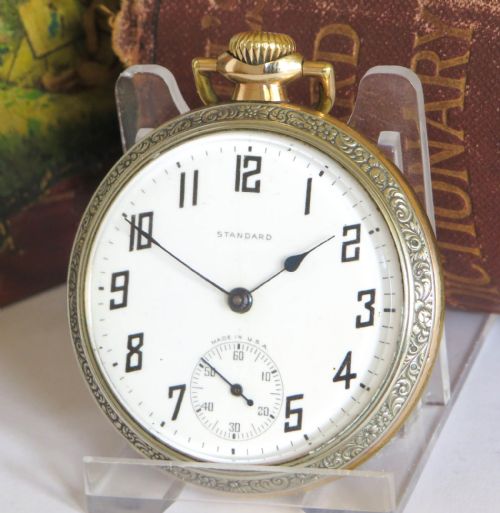
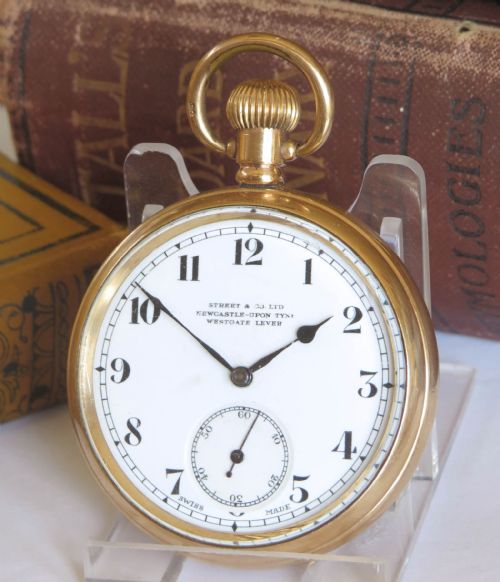

Vintage Brass Pocket Watch
These vintage brass pocket watch pieces span centuries of precision engineering, offering a tangible connection to historical timekeeping that collectors prize.
Vintage Brass Pocket Watch
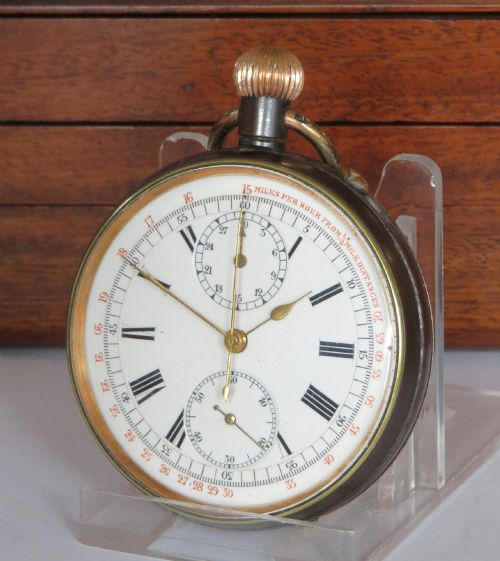
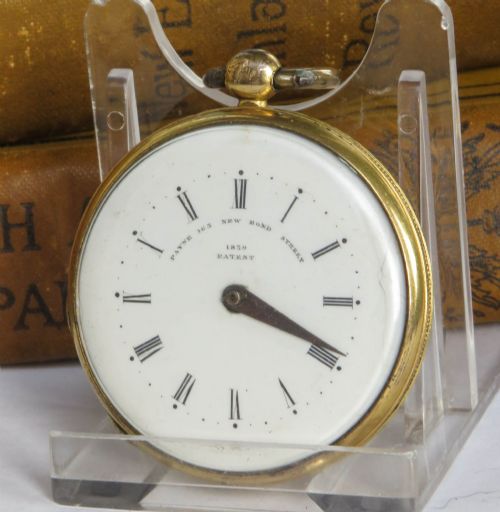
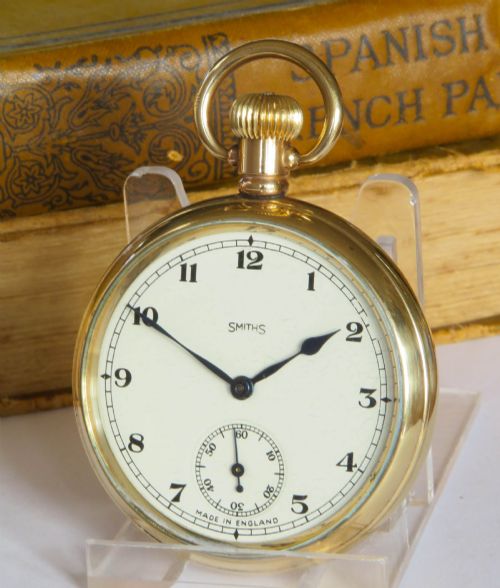
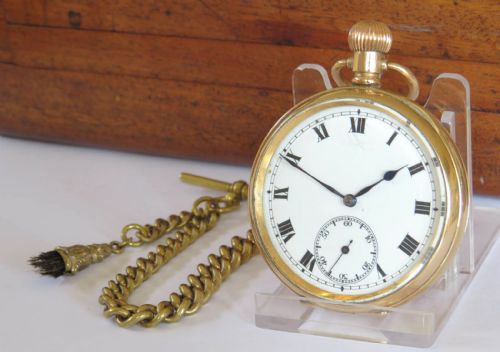
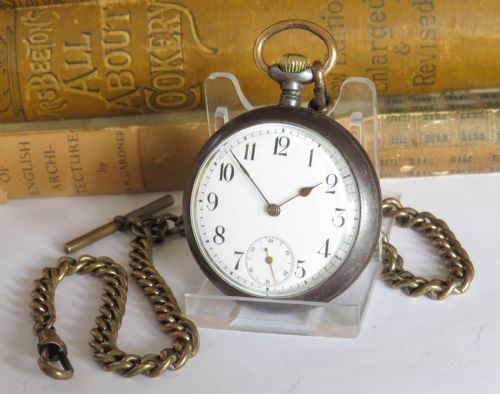
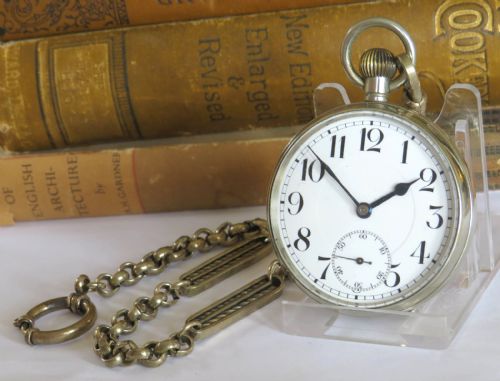
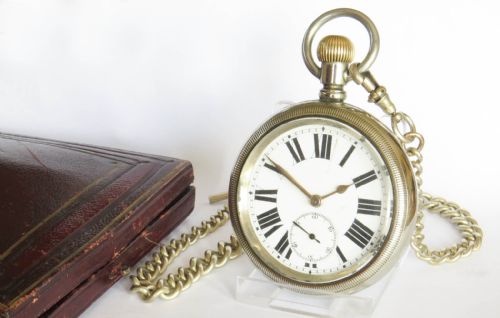
A vintage brass pocket watch encompasses timepieces and related scientific instruments originating from the eighteenth century through to the mid-twentieth century. Collectors encounter varied forms ranging from standard pocket watches to goliath sizes, alongside related instruments like barometers and compasses.
Many items arrive paired with original chains, alberts, or boxes, preserving their complete functional context. Buyers frequently find standard stem-winding and button-wind mechanisms alongside specialised eight-day movements.
Materials and construction
Brass serves as the primary structural metal for cases, often complemented by gold plate, nickel, steel, silver, and gun metal. Horn back painted cases appear in older eighteenth-century examples, whilst protective glass covers encase dials.
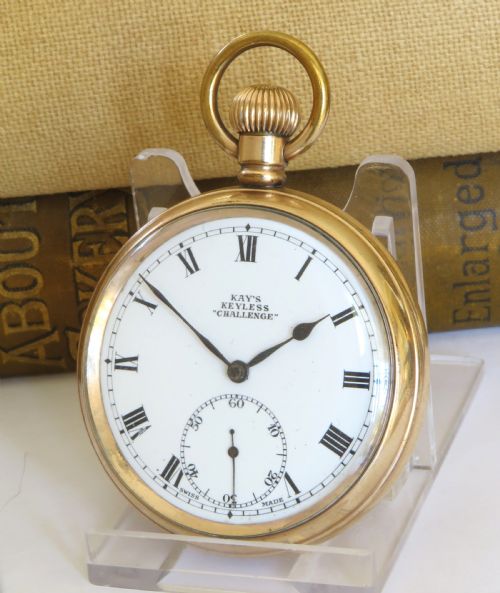
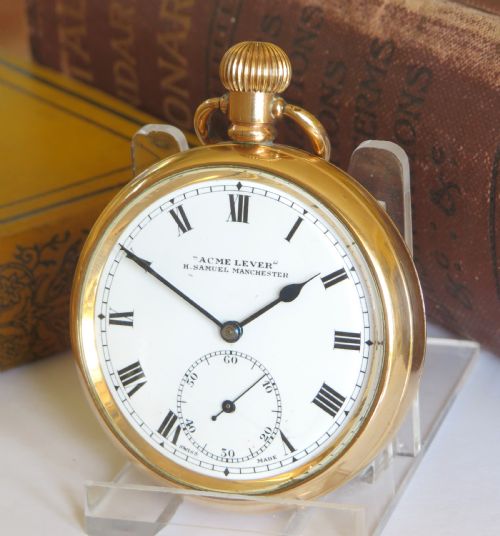
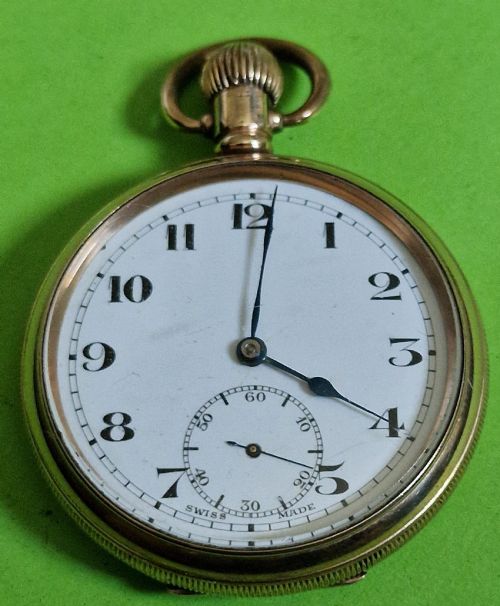
Enamel forms the traditional dial surface, providing a durable white or coloured ground for painted numerals and delicate hands. Mechanical movements rely on precision metal components assembled by watchmakers across England, Switzerland, and France.
Vintage Brass Pocket Watch Retail Price Guide 2026
Typical asking prices for vintage brass pocket watch among the pieces listed under this phrase on Sellingantiques today, from the lower quarter to the upper quarter. They describe what is for sale here now, not the wider market.
Listings incorporate items spanning the eighteenth century to the 1940s, utilising brass, enamel, and gold plate.
Distinguishing quality
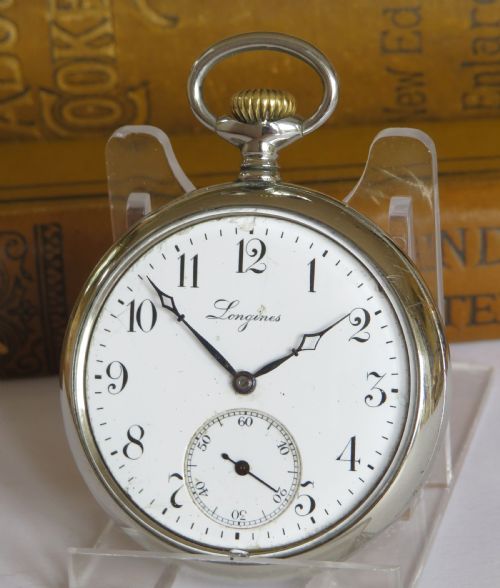
The standing of a maker defines much of the distinction between pieces, with established houses like Omega, Longines, and Waltham holding particular renown. Specialised complications, such as eight-day reserves or goliath proportions, elevate the engineering ambition of a watch.
The integrity of the enamel dial and the preservation of the original case finish dictate visual appeal. Inclusion of period accessories like matched chains or issued boxes contributes substantially to historical completeness.
Henry-Lepaute·Longines·Thomas Russell and Son·New York Standard·Omega·Octava·Minerva·Syren·Waltham·Acme Lever·Smiths De Luxe·Aitchison·Kays Challenge·Globe Watch Co·Record·Zenith·Nirvana International·Everite·Fortex·Helvetia·Aristo·John Walker
The Vintage Brass Pocket Watch Glossary
- Goliath pocket watch
- An oversized pocket watch, typically measuring significantly larger than standard specimens and often housed on desk stands or heavy chains.
- Full hunter
- A pocket watch featuring a spring-loaded metal cover that protects the glass dial from damage.
- Half hunter
- A pocket watch with a metal outer case featuring a small glass-covered aperture in the centre, permitting the time to be read without opening the cover.
- Stem winding
- A mechanism allowing the watch to be wound via the crown positioned at the pendant, replacing earlier key-wind systems.
- Albert
- A chain attached to a pocket watch, designed to secure the timepiece to a waistcoat or belt.
Vintage Brass Pocket Watch: Frequently Asked Questions
How do I wind a vintage pocket watch?
Most pieces utilise a stem winding or button-wind mechanism located at the top crown.
Gentle rotation until resistance is felt ensures the mainspring remains undamaged.
What is an eight-day pocket watch?
An eight-day movement requires winding only once a week rather than daily.
These watches feature larger barrels to store the extended power reserve.
How were military pocket watches used?
Armed forces relied on regulated timepieces for synchronized operations and navigation.
Issued pieces often bear specific government markings and robust cases for field conditions.
What is a pair cased watch?
A pair cased design uses two separate protective shells enclosing the movement.
The inner case holds the watch, whilst the outer decorated case provides extra defence.