




Vintage Brass Monocular
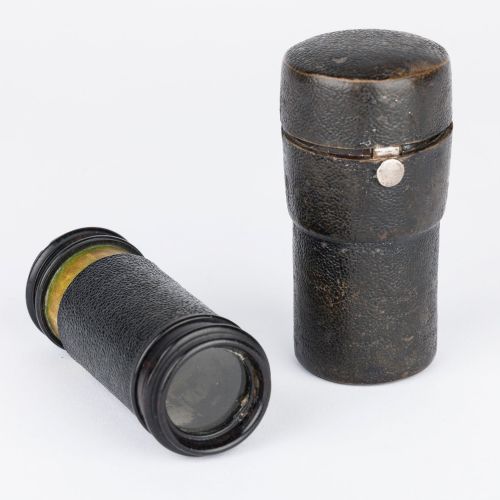
These vintage brass monocular pieces are precision optical instruments shaped by maritime and scientific use, offering a tangible connection to historical navigation.
Vintage Brass Monocular
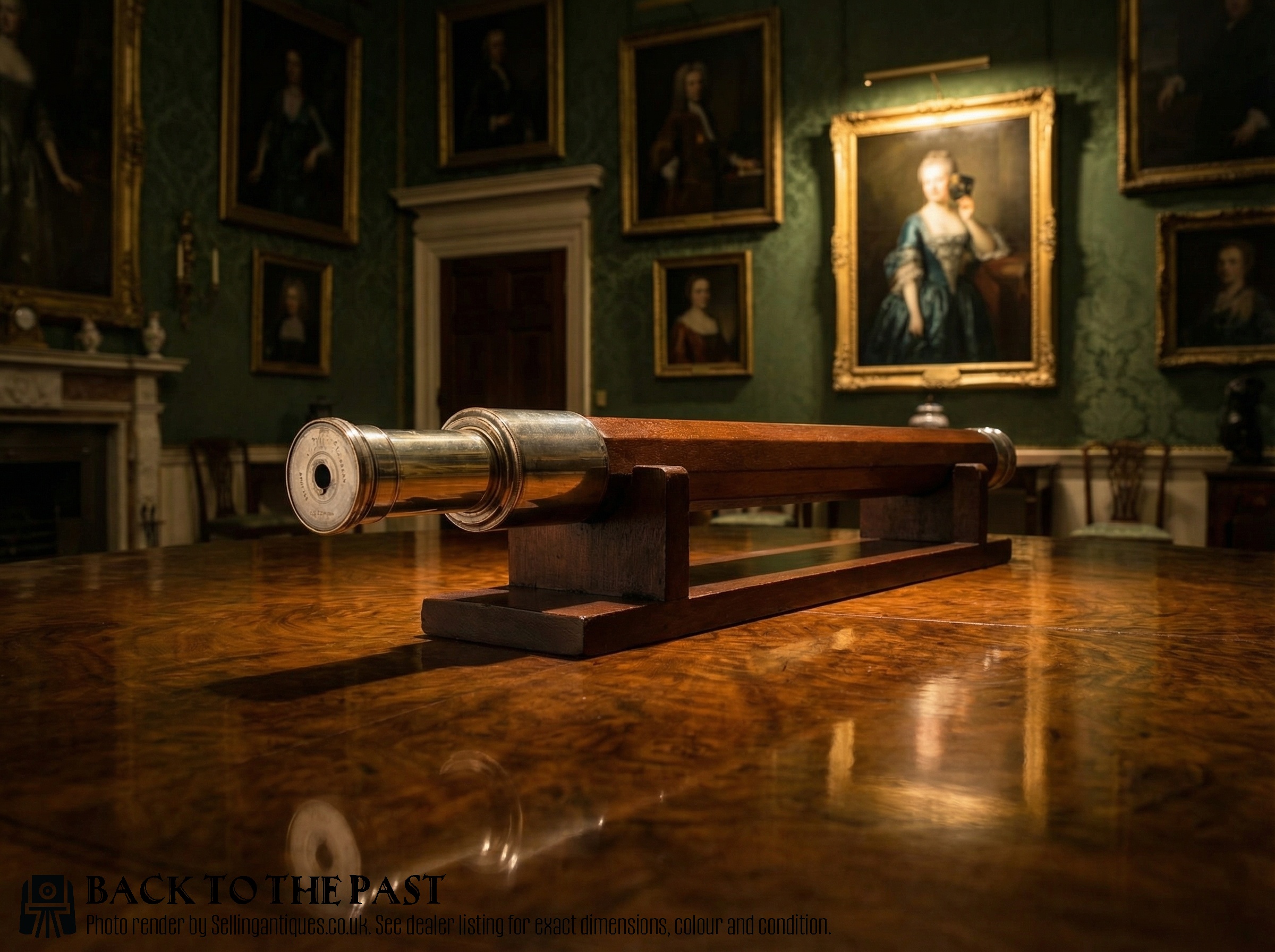
When you search for vintage brass monocular instruments, you encounter pocket spyglasses, marine telescopes, and scientific magnifiers spanning from the eighteenth century into the early twentieth century. These optical tools served practical functions at sea, in libraries, and across scientific fields before mass production standardisation.
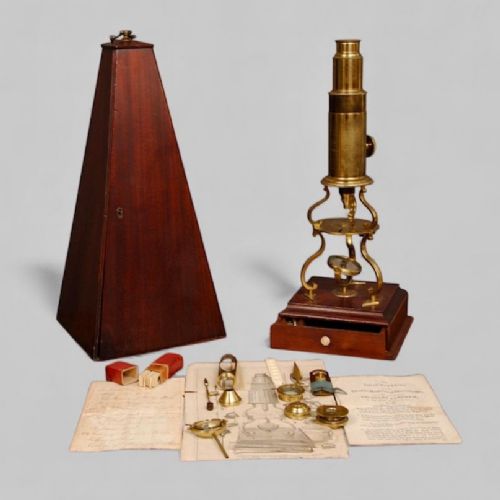
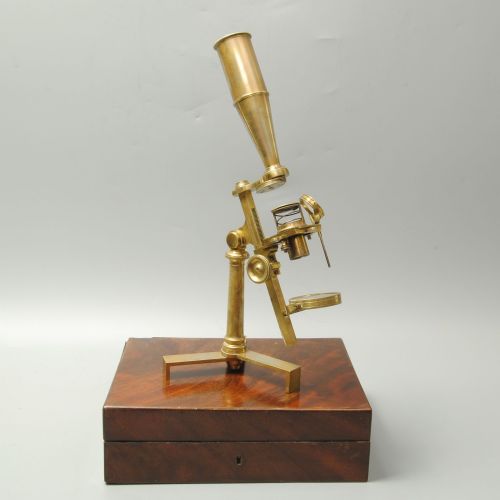
The versions most frequently met on this page include multi-draw pocket telescopes and compact scientific microscopes housed in wood cases. Makers across Victorian, Edwardian, and Georgian periods produced these items primarily for navigation, exploration, and natural observation.

How they were made
Workshops combined turned brass tubing with ground glass lenses, often mounting multiple sliding draws to allow adjustable focus while maintaining a portable footprint. Many instruments feature external wrappings of stitched leather or mahogany veneer to protect the metal and improve grip during handling.
Cabinetmakers constructed fitted wooden cases from mahogany, walnut, or oak, lining them with velvet or paper trade labels to secure the delicate optical equipment during transport. Metal components relied on precise lathe work and threading to align the glass elements correctly.
Listings feature scientific instruments and telescopes spanning the eighteenth, nineteenth, and early twentieth centuries, incorporating brass, glass, mahogany, and leather.
What varies in quality
The distinction between standard utility items and finer instruments rests on the clarity of the optics and the precision of the metal draw tubes. High-grade examples maintain smooth, consistent resistance across every sliding section without lateral play.
A superior piece often bears the engraved signature of a known maker on the draw tube or lens housing alongside dedicated housing such as a fitted hardwood box. The quality of secondary materials, including finely stitched leather or figured mahogany, directly reflects the original workshop's standing.
Nairne & Blunt of London·Ross of London·H Hughes & Son London·Voigtländer & Sohn AG·Chadburn Brothers of Sheffield·Newton & Co·Swift & Son
The Vintage Brass Monocular Glossary
- Draw
- A sliding tubular section of a telescope that extends to alter the focal length. Multiple draws allow a long barrel to collapse into a pocket-sized cylinder.
- Spyglass
- A small historical handheld refracting telescope used primarily for terrestrial viewing. They were common aboard ships and during land exploration.
- Terrestrial
- Designed for viewing objects on land rather than astronomical observation. These optics incorporate erecting lenses to ensure the image appears right side up.
- Culpepper microscope
- An early form of compound microscope featuring a tripod base supporting a stage and mirror. The design dates back to the early eighteenth century.
- Objective lens
- The lens at the front of an optical instrument that gathers light to form a primary image. Its diameter dictates the light-gathering capacity of the device.
Vintage Brass Monocular: Frequently Asked Questions
Can I still use these telescopes outside?
Most surviving pocket telescopes and spyglasses remain fully functional for terrestrial viewing. Extending the draws carefully allows you to focus on distant objects outdoors much as observers did centuries ago.
Keep in mind that historical optics lack modern antireflective coatings and waterproofing. Handle them with care in wet weather and avoid dropping them, as replacement lenses are difficult to source.
How do I date a brass telescope?
Examine the style of lettering, the number of draw tubes, and any maker signatures engraved on the barrel. Victorian pieces often feature patent stamps or retailer addresses that anchor their production window.
Materials also offer clues, as eighteenth-century examples frequently pair mahogany tubes with specific brass mounting techniques. Compare construction details with documented pieces from known makers to narrow down the decade.
Why do some telescopes have leather covers?
Leather dressing protected the brass barrels from harsh marine environments and salt spray on naval vessels. It also provided a warmer, firmer grip for cold hands during watch duty.
Over time, handling darkened and polished the leather, creating a tactile patina. Today, intact leather wrappings help preserve the instrument's original working condition.