





Antique Brass Magnifier
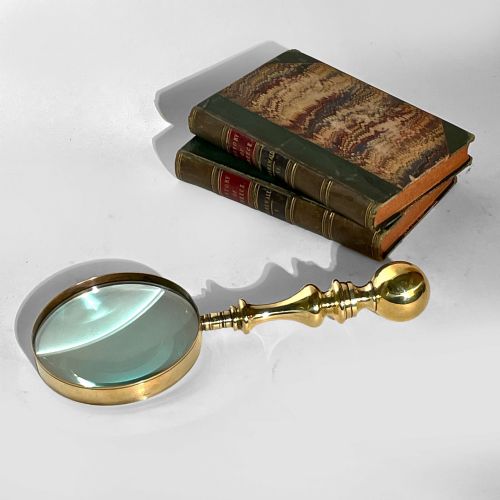
An antique brass magnifier brings clarity to small details on a desk, combining optical utility with nineteenth and twentieth-century metalwork.

Antique Brass Magnifier
When you search for an antique brass magnifier, you encounter a practical instrument designed for reading fine print, studying maps, or inspecting specimens. These objects serve as functional desk accessories and scientific instruments, appearing in forms ranging from handheld pocket loupes to large library pieces on stands.
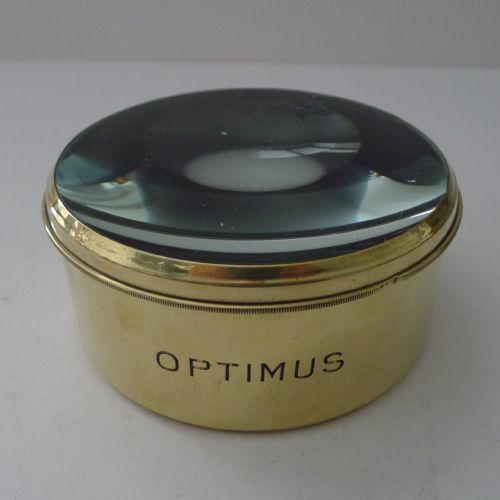
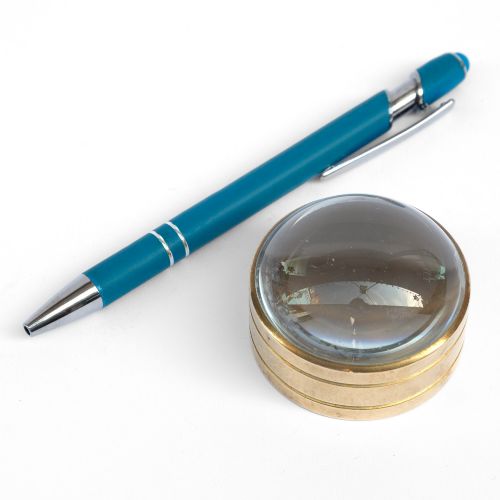
The versions most frequently met on this page span the Victorian, Edwardian, and Art Deco periods, encompassing dates from the early nineteenth century through to the nineteen-thirties. You find folding pocket models, heavy desk-top paperweights, and adjustable reading glasses fitted with pivoting frames.
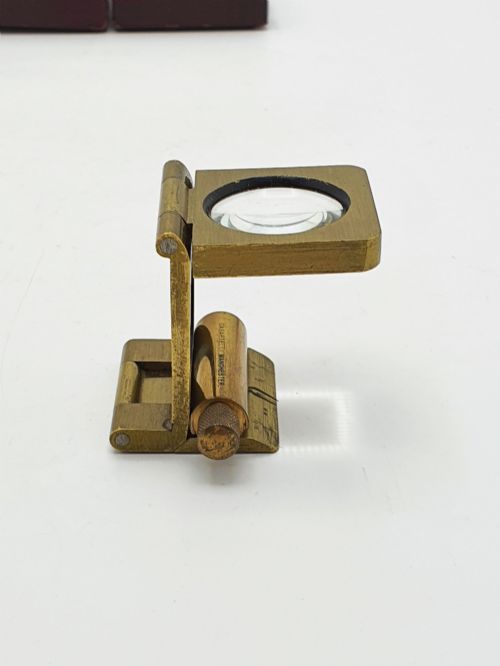
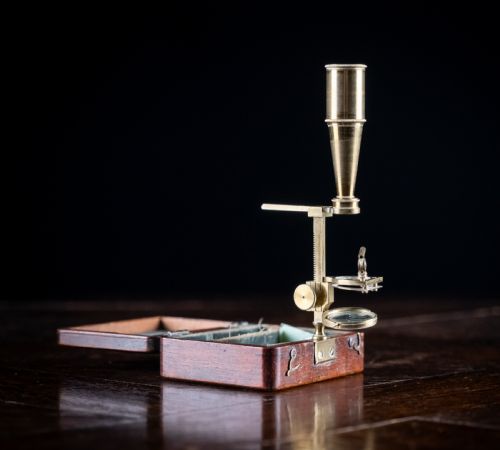
Makers and inventors of the era produced specialist items such as linen testers with measuring scales and Cary Gould-type pocket microscopes. These scientific tools reflect the industrial precision and domestic utility demanded during the nineteenth and twentieth centuries.
Materials and Construction
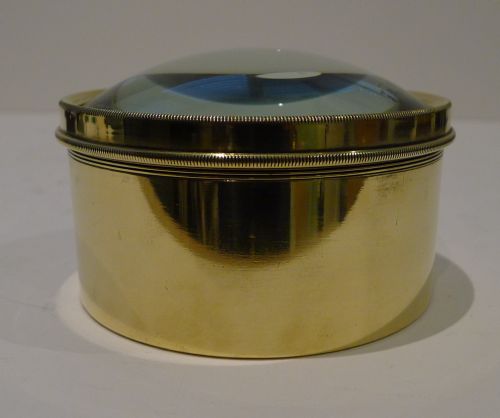
Construction relies heavily on brass mounts and frames combined with clear glass lenses, often supported by turned handles or bases made from mahogany and rosewood. Metal and steel components provide the necessary structural integrity for pivoting stands, folding hinges, and adjustable library arms.
The manufacturing process involved casting or turning brass components to securely house heavy optical glass lenses. Handles were shaped from dense hardwoods like rosewood or carved from solid brass to balance the weight of the glass during use.
Antique Brass Magnifier Retail Price Guide 2026
Typical asking prices for brass magnifier among the pieces listed under this phrase on Sellingantiques today, from the lower quarter to the upper quarter. They describe what is for sale here now, not the wider market.
Some nineteenth-century readers required a mammoth map glass just to navigate the sprawling cartography of the British Empire.
Evaluating Quality and Craftsmanship
Quality separates the standard utility glass from the superior scientific instrument through the clarity of the optical glass and the precision of the mechanical joints. Finer examples feature smooth pivoting actions, robust desk stands, and specialised measuring scales integrated into the brass mount.
The choice of materials also marks the division in quality, with heavy cast brass and selected hardwoods such as rosewood indicating a superior grade of desk accessory. Well-engineered folding mechanisms and patent designs by makers like Webber or Casartelli demonstrate higher manufacturing ambition.
Casartelli Manchester·Cary London·Webber Patent
The Antique Brass Magnifier Glossary
- Loupe
- A small magnifying glass used to inspect details closely. These pocket-sized instruments often feature folding brass surrounds.
- Linen Tester
- A small folding magnifying glass with a measuring scale at the base. It was originally used in the textile industry to count threads per inch.
- Pocket Microscope
- A compact scientific instrument designed for field use. It utilises brass tubes and adjustable lenses for higher magnification than a standard glass.
- Bullseye Magnifying Glass
- A thick, rounded lens mounted in a pivoting brass frame. It concentrates light and magnifies text on a desk or table.
- Tripod Stand
- A three-legged metal support used to hold a magnifying glass steady above a document or specimen.
Antique Brass Magnifier: Frequently Asked Questions
What is a linen tester?
A linen tester is a specialised magnifying glass equipped with a built-in measuring scale at the base. It was originally employed by textile merchants to count threads within a square inch of fabric.
Today, these folding brass instruments function as desk accessories or collectible scientific tools, retaining their original measuring capability.
How do I date an antique magnifier?
Dating relies on stylistic clues, materials, and mechanical patents visible in the brasswork and wooden handles. Victorian and Edwardian pieces often display distinct casting techniques and timber choices like rosewood or mahogany.
Makers' names, patent stamps, and specific optical configurations engraved on the brass frame provide further chronological markers for the piece.
Were these magnifiers used for reading?
Many of these pieces served as library magnifiers or desk accessories intended for reading small print, maps, and documents. Heavy brass angle-poise and pivoting stands allowed users to position the lens comfortably over texts.
Other variants, such as pocket magnifiers and map glasses, provided portability for travellers and professionals examining charts in the field.
What is a Cary Gould-type magnifier?
A Cary Gould-type instrument is a pocket microscope or magnifier originating from nineteenth-century scientific design. It utilises brass fittings and specific lens arrangements to offer higher magnification than a simple handheld glass.
These instruments combine portability with scientific utility, reflecting the optical standards of early British instrument makers.