



Vintage Brass Inlaid Chest
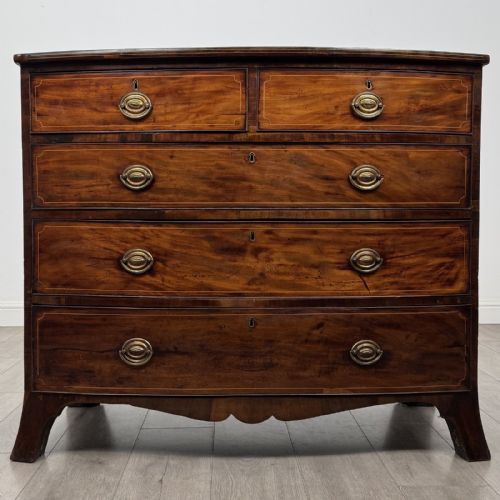
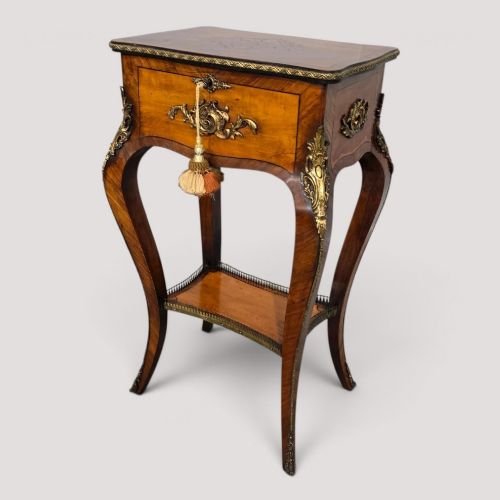
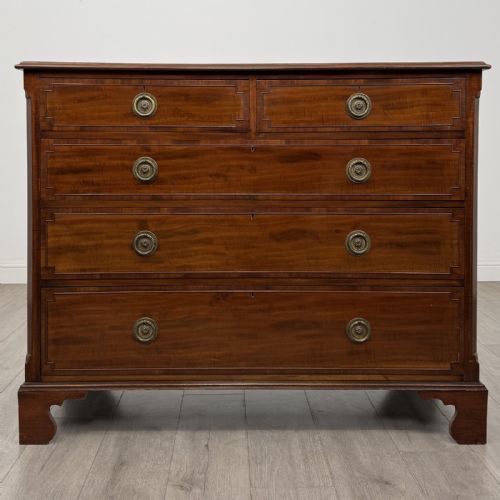
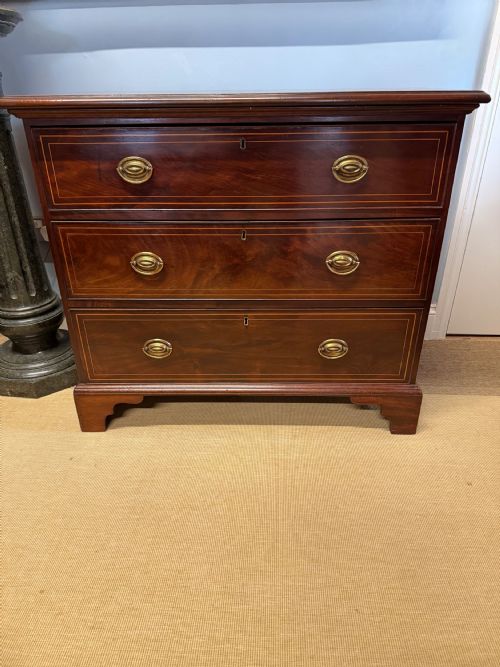
When you handle a vintage brass inlaid chest, you hold dense mahogany or rosewood set with bright metal lines that catch the candlelight.
Vintage Brass Inlaid Chest
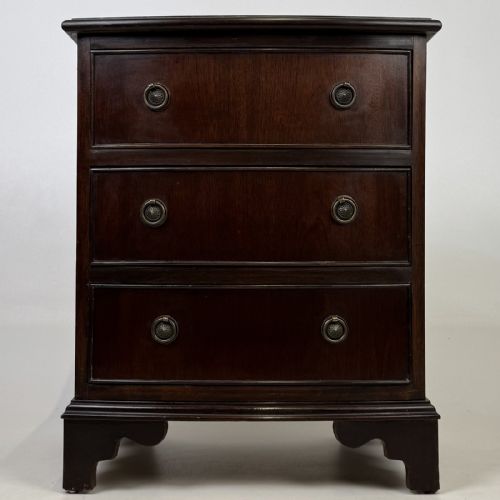
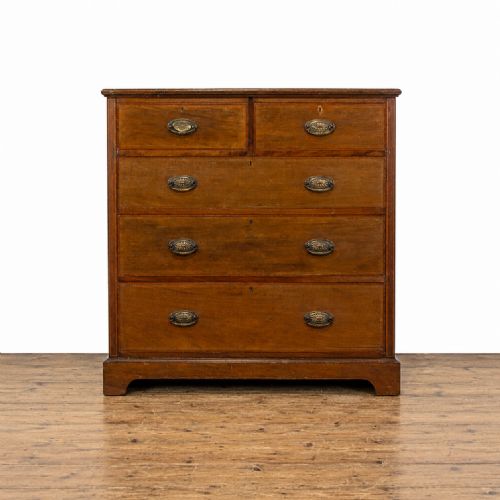
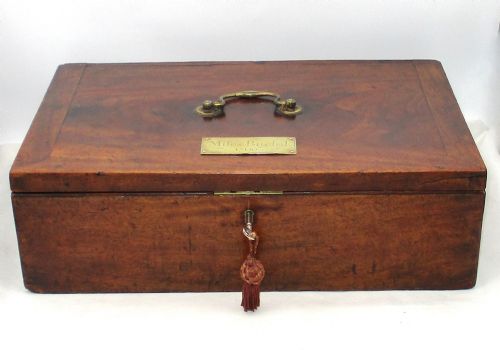
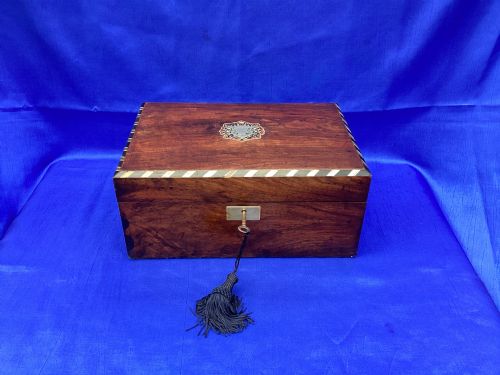
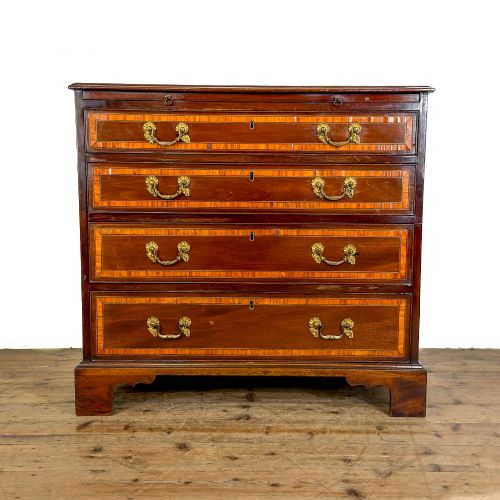
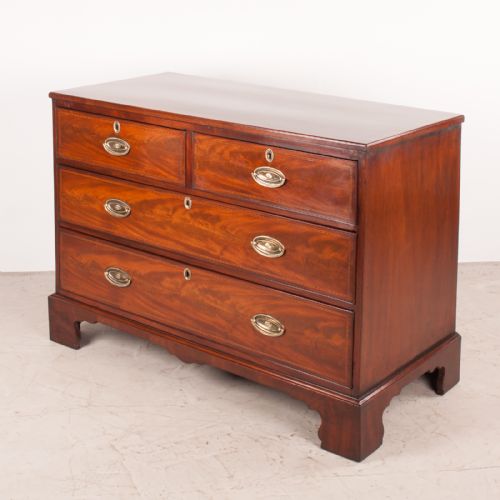
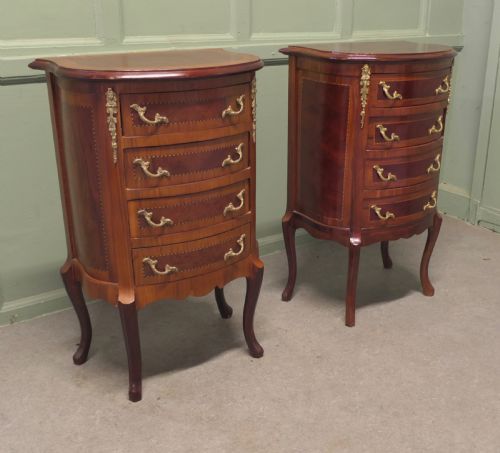
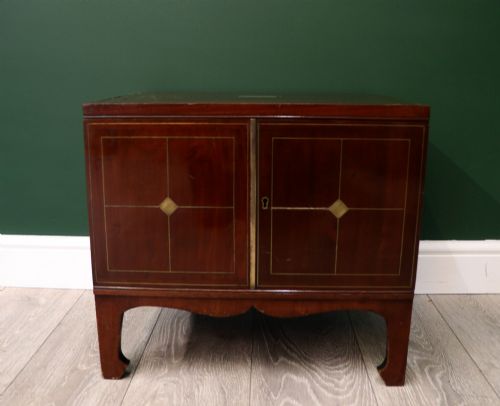
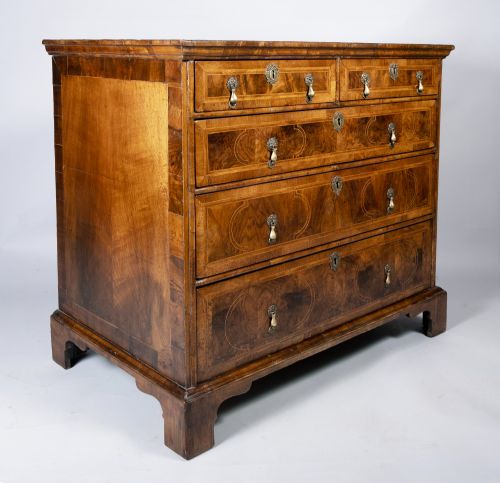
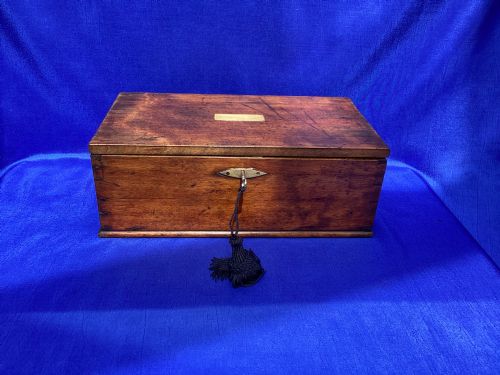
A vintage brass inlaid chest encompasses several forms, ranging from large chests of drawers and bedside cabinets down to small tabletop document boxes, tea caddies, and jewellery boxes. The pieces span periods from the eighteenth century through the Victorian and Edwardian eras into the early twentieth century.
You are most likely to encounter mahogany and rosewood chests of drawers or smaller campaign style boxes set with fine brass stringing and escutcheons. These items originate from English workshops as well as Anglo-Indian and French makers, reflecting diverse stylistic influences including Regency, Georgian, and Louis styles.
How they were made
Cabinet makers constructed the primary carcases using dense timbers such as mahogany, walnut, rosewood, and teak, often applying satinwood, boxwood, or ebony for contrast. Wood inlay and crossbanding formed intricate borders across drawer fronts and lids.
Workmen channeled the timber surfaces by hand to inset thin strips of brass, securing the metal flush with the polished wood. Brass corner brackets, carrying handles, and escutcheons were pinned into place to reinforce corners and protect the wood during travel.
Vintage Brass Inlaid Chest Retail Price Guide 2026
Typical asking prices for vintage brass inlaid chest among the pieces listed under this phrase on Sellingantiques today, from the lower quarter to the upper quarter. They describe what is for sale here now, not the wider market.
Listings feature woods including mahogany, walnut, rosewood, satinwood, oak, and boxwood alongside brass inlay.
What varies in quality
The precision of the brass inlay separates standard utility pieces from exceptional examples, with master craftsmen achieving seamless, microscopic joints between the metal and the surrounding hardwood. Finer pieces display crisp, hand-cut brass stringing that follows complex curves without buckling or lifting.
Timber selection dictates the overall visual weight, as master workshops utilised highly figured mahogany, dense rosewood, and well-matched walnut veneers. The depth of the hand-rubbed polish and the integrity of internal fittings, such as velvet linings and secret compartments, further distinguish superior work.
Holtzapffel and Co·Mawer & Stephenson
The Vintage Brass Inlaid Chest Glossary
- Brass stringing
- Thin lines of brass inlaid into channels cut into the wood surface. This technique creates geometric or linear borders on drawer fronts and box lids.
- Campaign style
- Furniture designed for travel, featuring recessed brass handles, reinforced corners, and often split carcases. These pieces were built for military officers on the move.
- Crossbanding
- A border band of veneer laid around the edges of a panel or drawer front with the grain running perpendicular to the central panel. It provides a neat, contrasting frame.
- Escutcheon
- A flat plate of brass surrounding a keyhole. It protects the surrounding wood from wear caused by the key.
- Caddy top
- A raised, moulded tabletop profile resembling the lid of a tea caddy. It is commonly found on Georgian and revival chests of drawers.
- Campaign box
- A portable storage container fitted with brass mounts and flush handles. These boxes protected valuables and papers during journeys.
Vintage Brass Inlaid Chest: Frequently Asked Questions
What is a vintage brass inlaid chest used for?
These pieces served practical storage roles, ranging from holding linen and clothing in large chests to safeguarding tea, documents, and jewellery in smaller boxes.
Today, they function as bedside tables, living room statement pieces, and secure containers for small personal items.
How do I tell an 18th-century chest from a Victorian one?
Eighteenth-century examples often feature solid walnut or early mahogany with restrained brass escutcheons and simpler proportions. Victorian and later pieces frequently employ rosewood, satinwood crossbanding, and more elaborate brass stringing.
Examining the construction methods inside the drawers and the composition of the secondary timbers helps clarify the period of manufacture.
How do I care for brass inlaid wood?
Keep these items away from direct sunlight and rapid temperature changes to prevent the timber from shrinking and loosening the brass inlay. Maintain the wood with appropriate wax polish applied sparingly.
Buff the brass components gently with a soft cloth, taking care not to let abrasive cleaners touch the surrounding polished wood.
What is campaign style brass work?
Campaign style brass work includes flush-fitting handles, reinforced corners, and bracket mounts designed to withstand travel without snagging on other items. These elements kept the exterior surfaces smooth and protected vulnerable edges.
On this page, you find this utilitarian hardware applied to cabinets, chests of drawers, and portable storage boxes.